
The Impact of Socioeconomic Status on Academic Performance
Understanding the Achievement Gap and Supporting Low-SES Students
Key Highlights on Socioeconomic Status and Academic Performance
- Achievement Gap: Students from lower socioeconomic backgrounds consistently perform worse academically than their more affluent peers.
- Contributing Factors: Poverty affects various aspects of a child's life, including health, access to resources, and home environment, all of which impact their educational outcomes.
- Intervention Strategies: Targeted interventions, such as early childhood education and support for parents, can help mitigate the negative effects of poverty on academic achievement.
The Pervasive Impact of Socioeconomic Status (SES) on Academic Performance
Socioeconomic status (SES) significantly influences a student's academic performance. Research consistently shows that students from lower socioeconomic backgrounds often underperform compared to their more affluent peers. This disparity, known as the achievement gap, is a complex issue with deep roots.
One stark quote that encapsulates this reality is:
"Students with low family socioeconomic status (SES) often have lower academic achievement than their peers with high family SES, as has been widely demonstrated." (High Achievers from Low Family Socioeconomic Status Families - PMC)
This statement underscores the consistent and well-documented correlation between a student's socioeconomic background and their academic success.
How Poverty Affects Academic Performance
Poverty affects a child's development and educational outcomes from the earliest years, both directly and indirectly. Several factors contribute to this impact:
- Limited Resources: Students living in poverty often have fewer resources at home to complete homework, study, or engage in activities that help equip them for success. This includes access to computers, high-speed internet, and other essential materials.
- Health and Well-being: Economic hardship can adversely affect students' mental health, self-efficacy, self-image, and motivation to do well in school.
- Literacy and Language Development: Children who live in poverty often come to school behind their more affluent peers in terms of literacy and language development.
- Unstable Home Environment: Parents in low-SES families often work longer hours or multiple jobs, meaning they may not be available to assist their children with schoolwork.
The cumulative effect of these challenges can cause students in poverty to fall further and further behind in school.
Deeper Dive into the Dynamics of Socioeconomic Influence
The impact of socioeconomic status on academic performance is multifaceted, encompassing various aspects of a student's life and environment. Understanding these dynamics is crucial for developing effective interventions.
The Role of Family Socioeconomic Status
Family socioeconomic status comprises several key components that collectively influence a child's educational journey:
- Financial Capital: Higher family incomes enable greater investment in a child's development, which is positively associated with academic achievement.
- Human Capital: Parents' education levels significantly impact their ability to support their children's learning and academic development.
- Social Capital: The quality of relationships within the family and the involvement of parents in their children's education play a vital role in academic success.
When these forms of capital are lacking, children face significant disadvantages that can hinder their academic progress.
Under-Resourced Schools and Their Impact
Schools in low-SES communities are often under-resourced, negatively affecting students' academic progress and outcomes. This lack of resources can manifest in several ways:
- Inadequate Funding: High-poverty schools often receive less funding than their more affluent counterparts due to lower property taxes in their areas.
- High Teacher Turnover: High-poverty schools experience a high teacher turnover rate, with less-experienced teachers often working in these environments.
- Limited Resources: Beyond funding, a lack of resources impacts students’ opportunities for academic success.
These factors create a challenging learning environment that can further exacerbate the achievement gap.
Strategies for Mitigating the Impact of Poverty on Education
Addressing the impact of poverty on education requires a comprehensive approach that involves interventions at various levels, from early childhood education to support for parents and improvements in school resources.
Early Childhood Education
Early childhood education (ECE) provides structure during cognitive and social development, which can minimize the socioeconomic achievement gap. By providing a strong foundation from an early age, children from low-SES backgrounds can enter primary school better prepared to succeed.
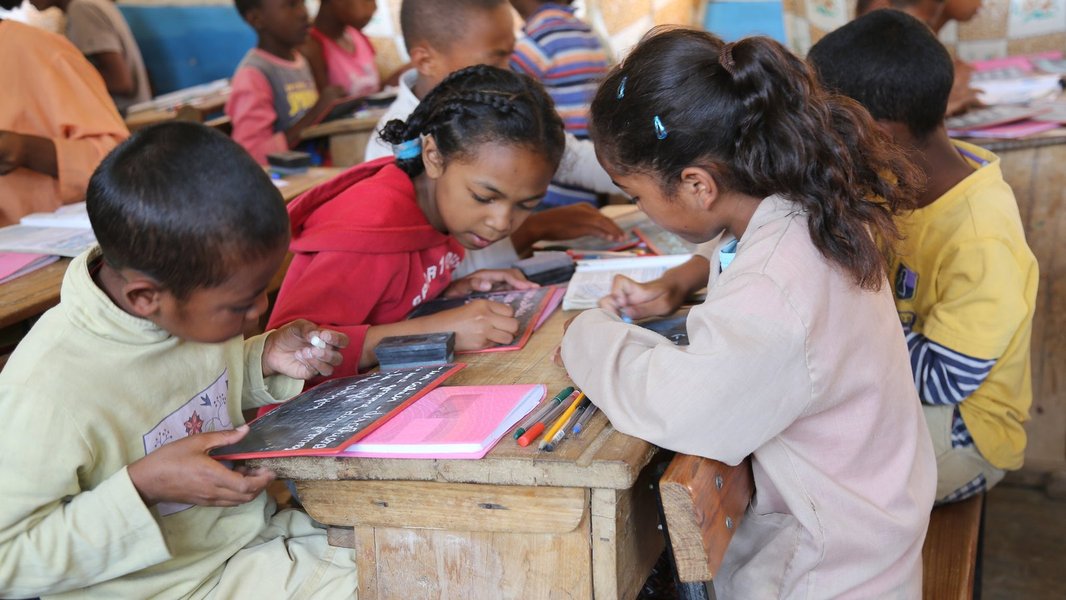 Education helps to equalize communities, improve overall health and longevity of a society, and help save the planet.
Parental Involvement
Parental participation behaviors are linked to the SES gap in children’s academic performance. Encouraging parental involvement in their children's education can significantly improve academic outcomes. This includes:
- Assisting with Homework: Providing support and guidance with schoolwork.
- Communicating with Teachers: Staying informed about their child's progress and addressing any concerns.
- Creating a Supportive Home Environment: Fostering a positive and encouraging atmosphere that values education.
Adequate and Equitable School Funding
Ensuring that high-poverty schools receive adequate and equitable funding is essential for providing students with the resources they need to succeed. This includes:
- Fair Share of State and Local Funds: Ensuring that high-poverty schools receive a fair share of state and local funds.
- Investing in Resources: Providing access to necessary materials, technology, and qualified teachers.
- Reducing Teacher Turnover: Implementing strategies to retain experienced teachers in high-poverty schools.
The Concept of Academic Resilience
Despite the challenges posed by low socioeconomic status, some students are able to overcome these obstacles and achieve academic success. This phenomenon is known as academic resilience.
Understanding Academic Resilience
Academic resilience refers to the ability of students from disadvantaged backgrounds to achieve good educational outcomes despite their circumstances. Several factors can contribute to academic resilience, including:
-
Cognitive Ability: Higher cognitive ability may protect children from the adverse effects of low socioeconomic status on educational attainment.
-
Metacognitive Strategies: As children age, they may acquire metacognitive strategies that help them to remain on track and pursue academic goals.
-
Support Systems: Access to multiple opportunities, such as after-school activities and high-quality child care, can be more predictive of future success than poverty alone.
Data on Socioeconomic Status and Academic Achievement
The following table illustrates the correlation between socioeconomic status and various academic outcomes:
| Socioeconomic Factor | Impact on Academic Achievement | Supporting Evidence |
|---|---|---|
| Low Family Income | Lower academic performance, higher dropout rates | The Impact of Low Socioeconomic Background on a Child’s Educational Achievements - Wiley Online Library |
| Under-Resourced Schools | Inadequate educational resources and opportunities | Adequate and Equitable Education in High-Poverty Schools - Learning Policy Institute |
| Lack of Access to Technology | Limited ability to complete homework and engage in online learning | Poverty and Its Impact on Students' Education - NASSP |
| Poor Health and Nutrition | Reduced cognitive function and school attendance | How Does Poverty Influence Learning? - Edutopia |
| Unstable Home Environment | Difficulty focusing on schoolwork and higher levels of stress | Socioeconomic Considerations - IRIS Center |
Visualizing the Impact: A Video Perspective
To further illustrate the multifaceted challenges faced by students from low-income backgrounds, consider the insights shared in the following video:
Examining Academic Inequality: Poverty's Impact on Student Performance. This video delves into the complex issue of academic performance disparities between students born into poverty.
This video provides a comprehensive overview of the various factors that contribute to the academic achievement gap, offering valuable insights into the challenges and potential solutions.
FAQ: Addressing Common Questions
Frequently Asked Questions
What is socioeconomic status (SES)?
Socioeconomic status (SES) is a measure of a person's or family's economic and social position in relation to others, based on factors such as income, education, and occupation.
Why does low SES affect academic performance?
Low SES can affect academic performance due to factors such as limited resources, poor health, lack of access to quality education, and unstable home environments.
Can students from low-SES backgrounds succeed academically?
Yes, students from low-SES backgrounds can succeed academically, particularly with the support of targeted interventions, strong support systems, and access to resources.
What can schools do to support low-SES students?
Schools can support low-SES students by providing adequate funding, resources, and qualified teachers, as well as implementing programs that address their specific needs.
How can parents help their children succeed academically despite low SES?
Parents can help their children succeed by being actively involved in their education, creating a supportive home environment, and seeking out resources and support from schools and community organizations.
References
Last updated April 13, 2025