
Methods in the Socratic View of the Soul and Its Relationship to the Body
An in-depth exploration of Socratic methods and concepts regarding the soul-body dichotomy
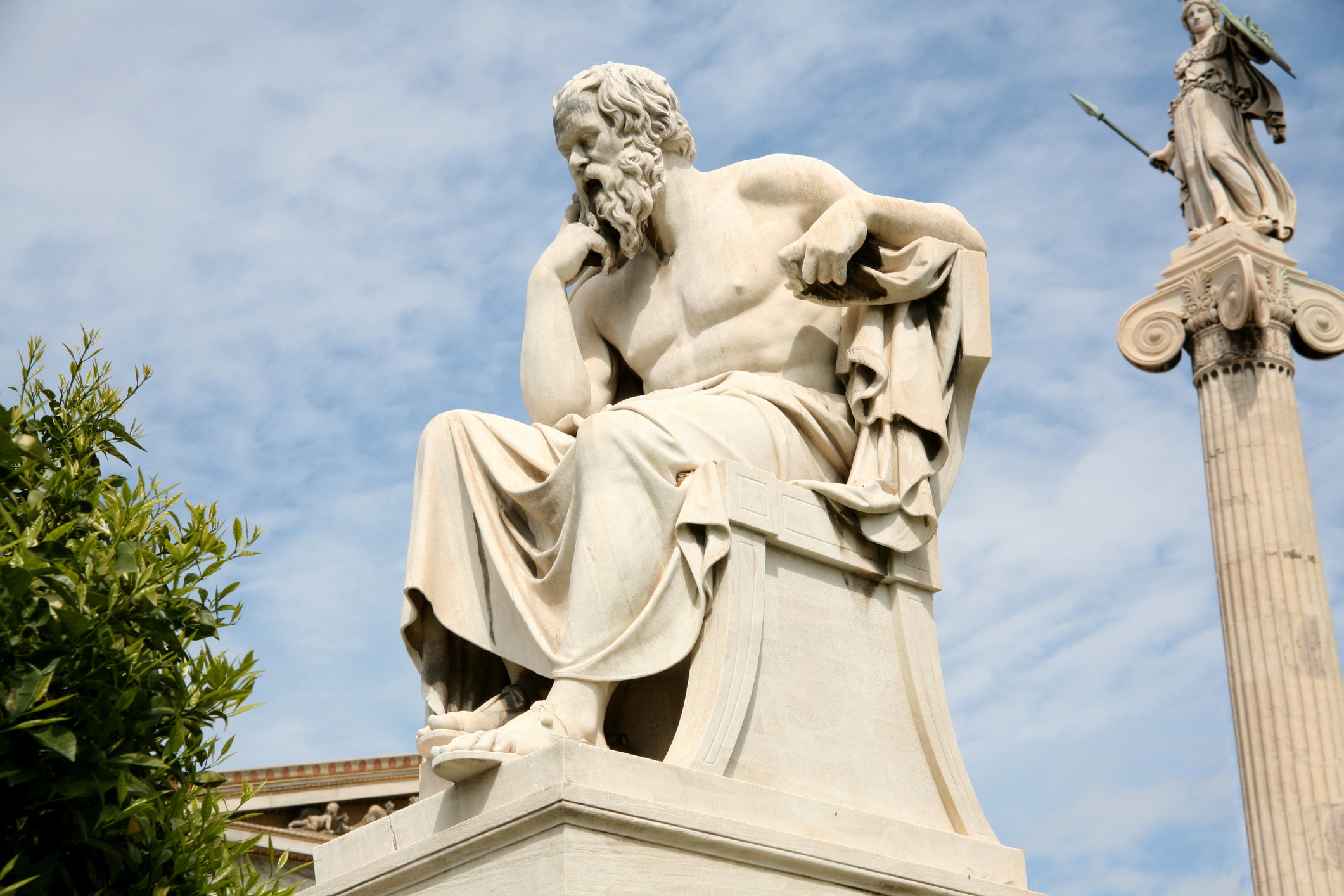
Key Highlights
- Socratic Method and Dialectics: Engaging through questioning, dialogue, and elenchus to unveil deeper insights.
- Dualistic Perspectives: Distinguishing the immortal, rational soul from the mortal, sensory body.
- Cultivation of Virtue: Prioritizing self-knowledge and self-control as essential to nurturing the soul.
Understanding Socratic Methods
The legacy of Socrates remains one of the most influential in Western philosophical thought, particularly in his unique approach to discussing and understanding the soul and its relationship to the body. The Socratic view is not merely an abstract theory but rather a practical set of methods for exploring fundamental questions about human existence. His methods are deeply intertwined with a dualistic understanding of human nature, emphasizing the superiority of the soul over the transient body.
Socratic Method and Dialectics
Questioning and Dialogue
At the heart of Socratic inquiry lies the method of questioning – a process intended to stimulate critical thinking and expose underlying assumptions. Rather than offering definitive answers, Socrates engaged his interlocutors in dialectical conversations, where continuous probing, questioning, and challenge were the norm. This method, often referred to as the “Socratic Method,” aimed to:
- Stimulate Self-Reflection: By asking incisive questions, Socrates encouraged individuals to reflect on their beliefs and the ethical quality of their lives.
- Expose Contradictions: Through rigorous questioning, contradictions within commonly accepted ideas about the soul and body were brought to light.
- Guide Self-Discovery: The process helped individuals realize that the care of the soul—achieved by cultivating wisdom, virtue, and self-control—was of paramount importance.
Elenchus (Refutation)
Integral to the Socratic Method is elenchus — a technique of refutation used to challenge the interlocutors’ assertions. Through this method:
- Clarification of Beliefs: Socrates would systematically dismantle complex ideas about the soul and implicitly contrast the deeper essence of the person (the soul) with superficial material concerns (the body).
- Empowering Critical Thought: This mode of inquiry encouraged robust self-analysis, urging each participant to examine the essence of the soul—its immortality, rationality, and capacity for virtue.
Dualism and the Nature of the Human Being
The Immortal Soul vs. the Mortal Body
A cornerstone of Socratic philosophy is the profound dualism between the soul and the body. This distinction is rooted in several key beliefs:
- Essence and Immortality: Socrates maintained that the soul is the essential, immortal aspect of a person. It is the bearer of reason, wisdom, and virtue. Unlike the body, which is subject to decay and impermanence, the soul endures beyond the physical realm.
- Body as a Vessel: The body is viewed merely as a temporary container for the soul—a prison that can hinder the rational faculties and moral attributes that define true human essence.
- Superior Nature: In distinguishing between the two, Socrates asserts that the pursuit of truth and virtue must focus on nurturing the soul, as it is inherently connected with higher ideals and eternal truths.
The Tripartite Concept of the Soul
While engaging in dialogues about the nature of human beings, Socrates, particularly through his student Plato, developed the idea of the tripartite soul. This concept divides the soul into three distinct parts:
- Reason (Logos): The rational part that seeks truth and governs moral judgment.
- Spirit (Thumos): The element responsible for emotions such as courage and ambition, essential for the pursuit of justice and honor.
- Appetite (Epithumia): The segment linked to desires, pleasure, and physical needs.
This tripartite division further emphasizes the superiority of reason over bodily desires. Socrates posited that only through the clear understanding and harmonization of these three elements could one achieve a virtuous life that aligns with the care of the soul.
Interplay of Methods and Ethical Living
Care of the Soul Versus Physical Concerns
The Priority of Virtue
Socrates famously declared that “the unexamined life is not worth living,” emphasizing that the nurturing of the soul through virtue and wisdom should take precedence over material wealth or bodily pleasures. Key aspects of this ethical stance include:
- Self-Examination: Pursuing an examined life through constant philosophical inquiry ensures that individuals are aware of and work diligently on the moral aspects of their being.
- Avoidance of Hedonism: Socrates rejected hedonistic pursuits that focus solely on bodily pleasures. Instead, he advocated for a life drawn toward the cultivation of internal virtues.
- Role of Education: Education is seen not simply as the accumulation of facts but as a process that awakens the soul’s potential by helping individuals recognize eternal truths via anamnesis (recollection of pre-existing knowledge).
Socratic Methods in Practice
Socratic dialogue is more than a theoretical exercise; it is a practical means of self-improvement and moral development. By engaging in rigorous inquiry, individuals can:
- Disentangle the Interplay of Body and Soul: Dialogue helps pinpoint how physical desires can detract from the cultivation of reason. By isolating these factors, a clearer path towards the care of the soul is established.
- Challenge Societal Norms: Socrates’ reflective questions serve to question prevalent opinions and societal norms that often prioritize bodily concerns over spiritual well-being.
- Attain Self-Mastery and Control: The process of self-inquiry and refutation nurtures the individual's ability to exercise self-control, thereby elevating filial harmony between the rational soul and the impulsive body.
Illustrative Table of Socratic Methods and Concepts
| Method/Concept | Description | Impact on Soul-Body Relationship |
|---|---|---|
| Socratic Method | Engaging through systematic questioning and dialogue to stimulate self-reflection. | Encourages understanding of the soul’s enduring qualities over transient bodily needs. |
| Elenchus | Refutation technique to expose inconsistencies in beliefs about the soul and the body. | Strengthens the priority of self-knowledge and ethical living by clarifying inner truths. |
| Dualism | Philosophical separation of the immortal soul from the mortal body. | Highlights the soul’s superiority and the necessity of caring for its rational aspects. |
| Tripartite Soul | Division of the soul into reason, spirit, and appetite to illustrate internal conflict. | Promotes balance by advocating the dominance of reason over bodily desires. |
| Anamnesis | The recollection of inherent knowledge, leading to the discovery of eternal truths. | Aligns the soul with higher truths, distancing it from bodily distractions. |
Additional Aspects of Socratic Philosophy
The Role of Education and Self-Development
Cultivating the Soul through Learning
For Socrates, education was a transformative process designed to awaken the latent capacities of the soul. This form of education goes beyond rote learning; it emphasizes the development of analytical thinking, rigorous self-examination, and ethical reflection. The goal is to empower the individual to rise above that which is solely physical:
- Self-Knowledge: Being aware of one’s inner workings is paramount. As individuals question established norms via dialogue, they gain insights about their own character and the influence of bodily desires.
- Intellectual Liberation: Socratic education liberates the mind from the constraints of habitual thinking and superficial indulgences, enabling a more profound connection to the immortal realm of the soul.
- Ethical Responsibility: The process also instills a moral responsibility. By understanding that virtues reside in the soul, individuals are moved to pursue excellence in moral character.
Socratic Irony and Its Function
Using Irony to Illuminate Truths
Another noteworthy method employed by Socrates is the use of irony. Through ironic self-deprecation and paradoxical statements, he was able to:
- Create Cognitive Dissonance: By feigning ignorance or making statements that appear contradictory, Socrates provoked his audience into questioning their own knowledge and beliefs.
- Draw Attention to the Soul’s Values: The subtle use of humor and irony allowed him to underline the importance of focusing on the eternal aspects of the soul rather than fleeting physical concerns.
The Ethical Implications of the Soul-Body Relationship
Moral Wisdom and Self-Control
In the Socratic view, morality is inextricably linked to the state of the soul. The methods of inquiry and critical reflection serve not only as intellectual exercises but as practical means to cultivate a character that is capable of resisting the uncontrolled impulses of the body. This framework encourages:
- Discipline: Through constant questioning and debate, individuals are taught to exercise self-control, ensuring that bodily appetites do not override rational judgment.
- Prioritization of Virtue: Virtue is seen as the highest good, attained by nurturing the soul over succumbing to the ephemeral pleasures of the physical world.
Integrating Socratic Methods Into Modern Ethical Discourse
Contemporary Relevance
Although rooted in ancient philosophy, Socratic methods continue to resonate within modern ethical, educational, and even psychological discourses. In today's complex world:
- Dialogue in Education: Modern pedagogy often emphasizes the Socratic Method to encourage critical thinking and to develop independent judgment.
- Ethical Decision-Making: The dualistic approach underlying Socrates' philosophy encourages individuals to assess their choices thoughtfully, weighing the enduring value of moral virtue against the transient allure of material success.
- Self-Improvement Programs: Many contemporary self-help and therapeutic models echo the emphasis on self-examination and control, echoing that ancient call to care for one’s inner life.
In integrating these methods into modern frameworks, professionals from diverse fields—ranging from education to psychology—find powerful tools in the Socratic tradition for fostering deeper introspection and ethical behavior amidst a world captivated by immediate gratification and sensory distractions.
References
- Socrates & the Human Soul - Christian Neuroscience Society
- The Human Soul Explained - GreekReporter
- Ancient Theories of Soul - Stanford Encyclopedia of Philosophy
- Socrates and Plato’s Understanding of the Soul - Edubirdie
- Socrates - Internet Encyclopedia of Philosophy
Recommended Related Queries
 realfinishes.blogspot.com
Last updated March 22, 2025