
Unveiling Sodium Cyanide's Footprint in the Electroplating World
Estimating annual usage reveals a complex picture dominated by mining, yet crucial for high-quality metal finishing.
Highlights
- Dominant Use in Mining: The vast majority, estimated between 70% to 90%, of global sodium cyanide (NaCN) production is consumed by the mining industry, primarily for gold and silver extraction.
- Essential Role in Electroplating: Despite being a smaller fraction of total usage, NaCN is a critical component in electroplating baths for depositing metals like gold, silver, copper, zinc, cadmium, and platinum, acting as a complexing agent.
- Usage Estimation Challenges: Pinpointing the exact annual tonnage used solely for electroplating is difficult due to data aggregation, but estimates suggest it falls within the range of 4,500 to 9,000 tonnes globally per year.
The Vital Role of Sodium Cyanide in Electroplating
Sodium cyanide (NaCN), a white, water-soluble crystalline compound, holds a significant place in various industrial processes, including the electroplating industry. While its high toxicity necessitates careful handling and stringent safety protocols, its chemical properties make it highly effective for specific applications in metal finishing.
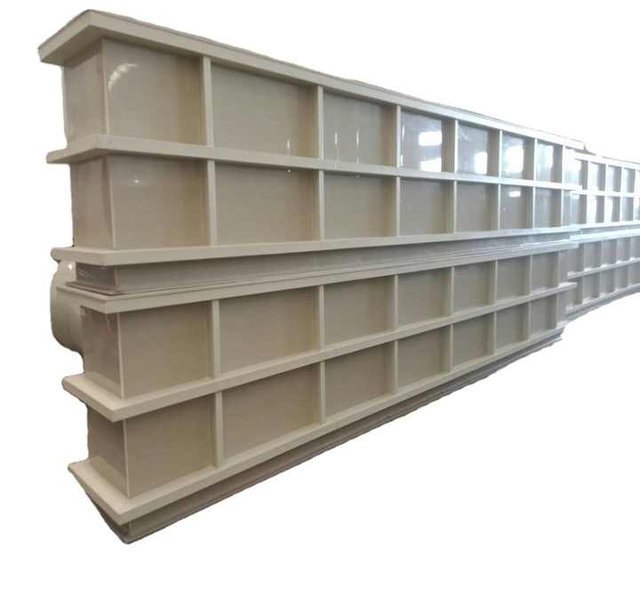
Tanks used in electroplating processes, where chemicals like sodium cyanide are employed.
How Does Sodium Cyanide Function in Electroplating?
The effectiveness of sodium cyanide in electroplating stems primarily from its ability to act as a powerful complexing agent. Here's a breakdown of its key functions:
- Complex Formation: NaCN reacts with metal ions (like gold, silver, copper, zinc, cadmium, platinum) in the plating bath to form soluble metal cyanide complexes (e.g., sodium argentocyanide for silver plating). This prevents the metal ions from precipitating out of the solution prematurely.
- Enhanced Solubility: By forming these stable complexes, NaCN significantly increases the solubility of the target metal ions in the electrolyte solution.
- Improved Plating Quality: The presence of these complexes allows for a more controlled deposition of metal ions onto the substrate, resulting in smoother, more uniform, and more adherent coatings. This is crucial for applications demanding high precision and quality finishes, such as in electronics, jewelry, and automotive components.
- Alloy Deposition: It facilitates the co-deposition of multiple metals, enabling the creation of alloy coatings with specific properties.
- Conductivity and Impurity Control: In some baths (like cyanide zinc plating), it helps improve the solution's conductivity and control impurities.
- Surface Preparation: It can also act as a surfactant, aiding in the cleaning of metal surfaces prior to the electroplating process, ensuring better adhesion of the plated layer.
- "Strikes" Application: NaCN is used in creating thin initial layers or "strikes" (e.g., copper strikes) that improve adhesion between the base metal and subsequent plating layers, especially when plating onto metals that are otherwise difficult to coat directly (like aluminum).
Gauging Annual Consumption: A Complex Picture
While the importance of sodium cyanide in electroplating is clear, determining the precise amount consumed annually by this sector globally presents challenges. Market reports often group electroplating with other chemical or industrial uses, making it difficult to isolate specific figures.
The Dominance of Mining
The primary driver of global sodium cyanide demand is overwhelmingly the mining industry. Estimates consistently indicate that between 70% and 90% of all NaCN produced is used for the extraction of precious metals, particularly gold and silver, through the cyanide leaching process. Global production capacity has been substantial (estimated around 1.79 million tons per year as of 2015 by one source, though actual production might vary, with other sources suggesting annual production closer to 90,000-100,000 tonnes in recent years). Regardless of the exact total, mining accounts for the lion's share.
Estimating Electroplating's Share
Given that mining consumes the vast majority, electroplating falls into the remaining 10-30% allocated to other industrial applications, which also includes chemical synthesis, metal treatment, and pharmaceuticals. Isolating the electroplating portion requires estimation:
- Industry Estimates: Some industry analyses (cited in Answer B) place the electroplating sector's consumption at roughly 5-10% of the total global sodium cyanide production. Based on an estimated annual production of 90,000-100,000 tonnes, this translates to approximately 4,500 to 9,000 tonnes per year used worldwide specifically for electroplating.
- Broader Non-Mining Use Figures: Other data points provide context for the overall scale of non-mining applications.
- One calculation based on a large production capacity (1.79 million tons/year) suggested the 10% non-mining share could represent up to 179,000 tons annually (Answer C), though this figure encompasses *all* non-mining uses, not just electroplating.
- EPA data mentioned in Answer D estimated U.S. consumption for *all non-mining uses* (electroplating, chemicals, synthesis etc.) combined at around 10 million pounds per year (~4,536 tonnes/year), representing about 7% of total U.S. consumption at the time. Electroplating would be a fraction of this figure in that context.
Therefore, while a definitive global figure remains elusive, the most direct estimate points towards an annual usage in the range of 4,500 to 9,000 tonnes for electroplating, making it a significant, albeit secondary, consumer compared to mining.
Sodium Cyanide Usage Breakdown (Estimated)
This table provides a simplified overview based on the consensus percentages found in the provided answers, illustrating the relative scale of different applications:
| Application Sector | Estimated Global Usage (%) | Estimated Annual Tonnes (Approximate Range) | Primary Role |
|---|---|---|---|
| Mining (Gold/Silver Extraction) | 70% - 90% | 63,000 - 90,000+ | Leaching Agent |
| Electroplating | 5% - 10% (estimated range) | 4,500 - 9,000 | Complexing Agent |
| Other Industrial Uses (Chemical Synthesis, Metal Treatment, etc.) | Remainder (e.g., 5% - 15%) | Variable (Part of the non-mining total) | Intermediate, Reagent |
Visualizing Relative Importance of NaCN Applications
While precise tonnage is hard to pin down for each sector besides mining, we can visualize the relative importance or estimated volume share of sodium cyanide across its major applications. The following chart uses hypothetical scores (on a scale where higher means greater usage share) to illustrate this distribution, clearly showing mining's dominance and electroplating's position as a key secondary use.
Radar chart illustrating the estimated relative usage volume of Sodium Cyanide across key industrial sectors.
Key Facets of Sodium Cyanide in Electroplating
The mindmap below outlines the core aspects related to the use of sodium cyanide within the electroplating industry, covering its function, applications, market position, and associated safety considerations.
Mindmap summarizing the key aspects of Sodium Cyanide's role and context within the electroplating industry.
Safety and Environmental Considerations
The use of sodium cyanide, particularly in electroplating, is subject to stringent regulations due to its acute toxicity. Accidental ingestion, inhalation, or skin contact can be fatal. Furthermore, if cyanide solutions come into contact with acids, they can release highly poisonous hydrogen cyanide (HCN) gas.
Consequently, facilities using cyanide plating baths must implement rigorous safety protocols, including specialized handling equipment, ventilation systems, personnel training, and emergency response plans. Environmental protection is also paramount. Wastewater from electroplating processes containing cyanide must be treated before discharge. Common methods involve chemical oxidation, such as using sodium hypochlorite (bleach) or hydrogen peroxide under controlled pH conditions, to break down the cyanide ions into less toxic substances like cyanate, which further hydrolyzes into ammonia and carbonate.
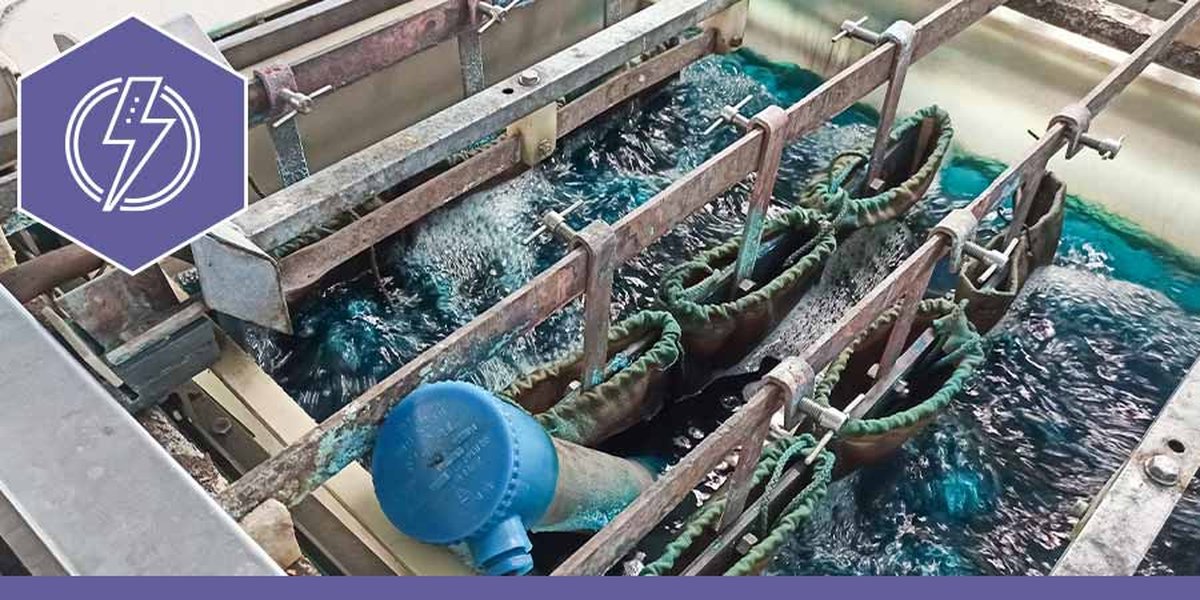
Monitoring and treating cyanide in wastewater is crucial in electroplating operations.
Relevant Video Insights: The Shift Towards Alternatives
The significant hazards associated with sodium cyanide have spurred research and development into cyanide-free electroplating alternatives. While cyanide-based processes are still widely used due to their effectiveness and established nature, alternatives are gaining traction, particularly for certain metals like silver and gold.
The following video discusses a cyanide-free silver plating process, highlighting the industry's move towards safer technologies. Understanding these alternatives helps contextualize the ongoing use of cyanide and the reasons (both technical and safety-related) driving innovation in the field.
Video discussing a cyanide-free silver plating alternative, reflecting industry trends driven by safety concerns.
This shift underscores the inherent risks of traditional cyanide plating. The video explains how the high concentration of free cyanide makes conventional silver plating dangerous and restricts its use. The development of two-part processes, like the ECO-Silver mentioned, aims to eliminate free cyanide, making the process safer and more accessible while still aiming for high-quality results. This trend reflects the ongoing balance between the technical advantages of cyanide baths and the pressing need for safer, more environmentally friendly industrial practices.
Frequently Asked Questions
Why is sodium cyanide still used in electroplating despite its toxicity?
What specific metals are commonly electroplated using sodium cyanide baths?
Is the use of sodium cyanide in electroplating increasing or decreasing?
What happens to the sodium cyanide waste generated during electroplating?
References
- Sodium cyanide - Wikipedia
- Sodium Cyanide Market Size & Share Analysis - Mordor Intelligence
-
Sodium Cyanide - an overview | ScienceDirect Topics
- The Application of Sodium Cyanide in the Electroplating Industry - UnitedChemicalCN
- Sodium Cyanide Market Size, Trends & Forecast - Coherent Market Insights
- Cyanide Destruction: A New Look at an Age-Old Problem - Finishing & Coating
Recommended
Last updated April 20, 2025