
1-Litre Pots with a Larger Container Underneath in a SOG Setup from Seed
Exploring an Innovative Approach to Dense Indoor Cultivation
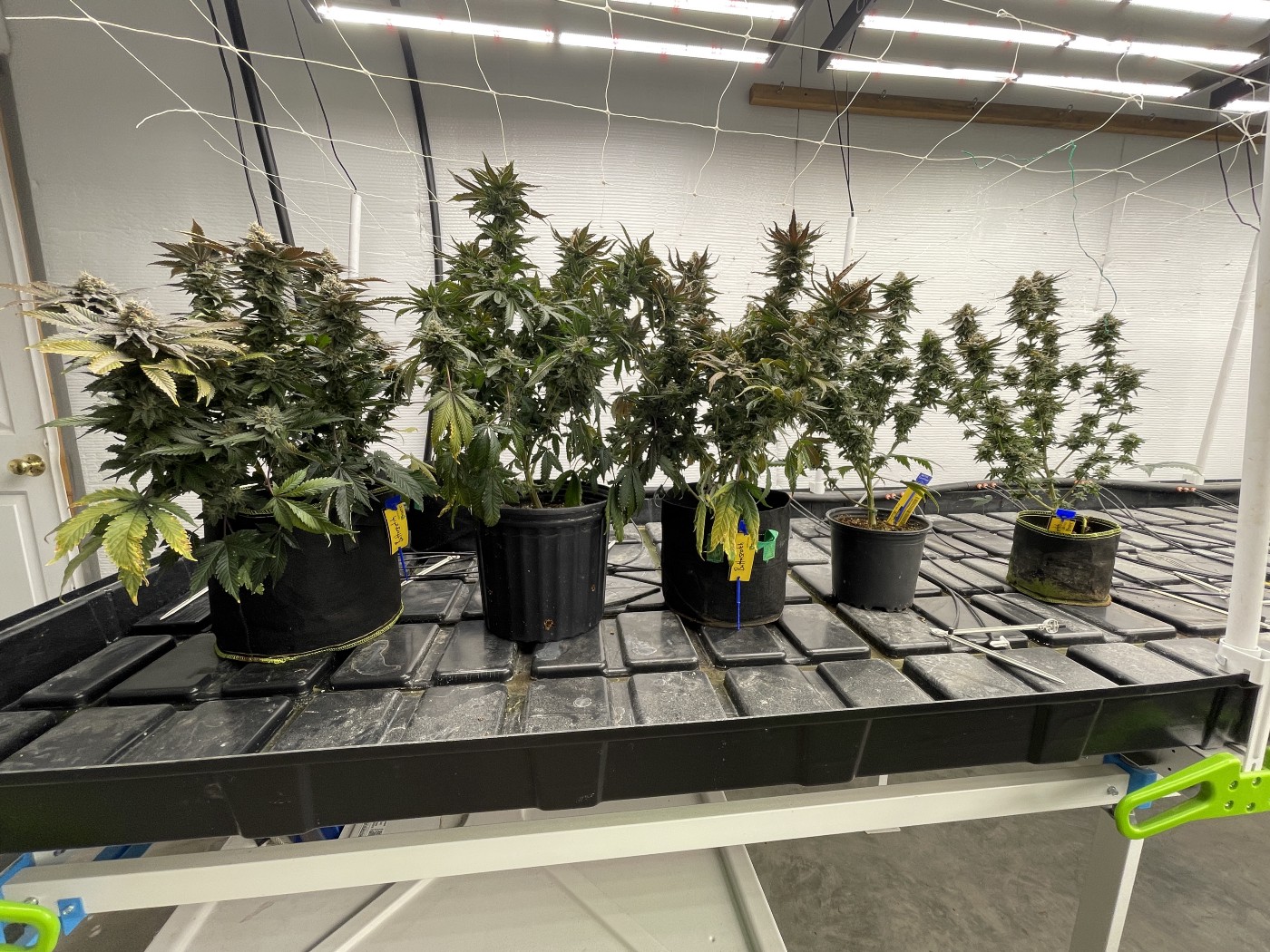
Key Highlights
- Optimized Root Growth: Enhancing root expansion beyond the small pot confines within a larger container can boost nutrient uptake and plant health.
- Efficient Space Utilization: The Sea of Green (SOG) method’s high-density planting approach can be adapted to seed grows, maintaining fast turnaround while managing height variations.
- Careful Management Required: Plant uniformity, water management, and air circulation are crucial when using 1-litre pots with an additional larger container below.
Introduction
The Sea of Green (SOG) method is a popular indoor growing technique that focuses on maximizing the available grow space by cultivating many small plants in close proximity. Traditionally, SOG setups involve using clones to ensure uniform growth, but many cultivators have experimented with growing directly from seed. One such innovative method involves starting with 1-litre pots placed inside a larger container, allowing the roots to expand into a more generous growth area. This configuration aims to combine the benefits of controlled vegetative growth with enhanced root development, ultimately seeking to boost plant vigor and overall yields.
Understanding the SOG Method and Its Adaptation for Seed Starts
SOG is designed to encourage flowering quickly by limiting vegetative growth. The typical approach involves reducing the time the plants spend in the vegetative phase (often 1-3.5 weeks) before switching to the flowering stage. In traditional SOG, small pots (commonly 1 to 3 litres) restrict root growth, promoting smaller, bushier plants that develop a uniform canopy. When growers adopt a method that includes 1-litre pots inside a larger container, they are essentially trying to offer additional space for the roots without compromising the dense arrangement that characterizes SOG.
Seed Growth vs. Clone Growth
One of the critical considerations when transitioning from a traditional SOG method with clones to using seeds is the inherent variability that comes with seed genetics. Clones are genetically identical, which results in uniform growth patterns and ease in canopy management. Seeds, however, can produce plants that vary in vigor, growth rate, and size, leading to potential challenges in achieving the uniformity needed for an efficient SOG canopy.
To mitigate this variation, selecting feminized seeds from strains known for stability is crucial. Additionally, implementing techniques such as topping and light training early on can help even out growth differences among the plants, ensuring a more even canopy once they are in the flowering stage.
Detailed Analysis of 1-Litre Pots with a Larger Container
Advantages
The integration of 1-litre pots within a larger container for root expansion in a SOG setup offers several advantages:
Enhanced Root Development
In SOG setups, restricting root growth is often desirable to keep plants compact and to promote fast transitions to the flowering phase. However, restricting roots too much can also lead to stressed plants, especially if they are grown for longer periods or if the plant strain requires more below-ground space for optimal nutrient uptake. By placing the small pot inside a larger container, the system allows the foundational roots to eventually spread out and access extra nutrients and water. This extended root zone can support healthier plant growth, prevent early root-bound conditions, and potentially lead to improved yields.
Efficient Utilization of Grow Space
One of the hallmarks of the SOG method is maximizing light and space. The use of 1-litre pots allows for a dense planting strategy, ensuring that each square foot of grow space is occupied. When these 1-litre pots are consolidated within a larger container, growers can manage plant density efficiently without sacrificing the benefits of additional root support that a larger soil volume provides. The trick lies in balancing the small initial pot size—which restricts plant size and encourages faster flowering—with the extra soil capacity that comes from the larger container provided underneath.
Potential for Increased Yields per Plant
Although traditional SOG often focuses on increased overall yield through high-density planting rather than the performance of individual plants, offering more space for root growth can sometimes improve the yield from each plant. A more well-developed root system allows for increased water and nutrient uptake, which can directly translate to larger, more robust flowers during the harvest phase. This approach may be particularly beneficial when targeting strains that have a higher potential when given the opportunity for extended root development, albeit within a controlled SOG context.
Challenges and Management Considerations
Despite its potential benefits, the integration of a larger container beneath 1-litre pots in an SOG setup from seed comes with a set of challenges that growers need to address:
Managing Plant Uniformity
With seeds, variability in growth can lead to differences in canopy height and uniformity, which is particularly problematic in SOG. An uneven canopy reduces the effectiveness of light distribution across all plants, potentially causing some to receive inadequate light and reducing overall yields. To counteract this, selecting uniform, high-quality seeds is paramount, along with consistent early-stage training techniques such as topping or low-stress training to develop a more even growth pattern.
Watering and Nutrient Dynamics
Water management becomes more complex in this setup. The small 1-litre pots are designed for rapid nutrient turnover and controlled water uptake. However, when placed within a larger container, the additional soil volume can retain more moisture, potentially leading to overwatering if the system is not managed carefully. Overwatering might result in root rot or nutrient lockout. It is essential, therefore, to ensure that the larger container has proper drainage—ideally by adding a layer of perlite, small rocks, or any well-draining medium at the bottom—and to monitor moisture levels consistently.
Air Circulation and Temperature Control
Dense planting setups, such as those employed in SOG, naturally invite challenges related to air circulation. The closer the plants, the higher the risk of stagnant air pockets, which can lead to issues like mold, mildew, and other fungal diseases. When using a larger container, there is an increased risk because of the extra medium available, which might hold moisture longer. Ensuring robust airflow through the use of fans, proper spacing, and ventilation strategies is crucial to maintaining the health of the overall system.
Potential Reduction in Plant Count
The fundamental principle of SOG lies in maximizing plant density. One consideration when incorporating a larger container is that it might inadvertently increase each plant’s spatial requirement, thereby reducing the total number of plants that can be grown in a fixed area. This trade-off must be weighed carefully, especially if the primary goal is rapid turnover and multiple harvests as part of the SOG strategy.
Implementation Strategy
For growers interested in adopting this approach, a well-thought-out implementation plan is essential. The following steps outline an effective strategy for using 1-litre pots with a larger container in a SOG setup from seed:
Step 1: Prepare Your Growing Containers
a. The 1-Litre Pots
Fill each 1-litre pot with a nutrient-rich, well-aerated soil mix. Incorporate amendments such as perlite or vermiculite to ensure proper drainage and oxygen availability to the roots. The controlled size of the pot helps restrict vigorous root expansion during the early growth stages, which is key in the SOG method.
b. The Larger Container
The larger container that houses the 1-litre pots must also facilitate proper drainage. Start by applying a bottom layer of well-draining material like perlite, small rocks, or coarse gravel. This layer will help prevent waterlogging in the event of excess moisture and ensure that the roots can expand into healthy, aerated soil. Fill the remainder of the larger container with the same or a compatible soil mix that provides the necessary nutrients for the extended root system.
Step 2: Inoculate with Mycorrhizal Fungi
Enhancing nutrient uptake can make a significant difference when working with small pots and densely packed systems. Adding mycorrhizal fungi to the soil can help establish a symbiotic relationship with the plant roots, promoting more efficient water and nutrient absorption. Follow the manufacturer's guidelines on the correct dosage and method of application to ensure maximum benefit.
Step 3: Sow the Seeds
Carefully sow high-quality, feminized seeds in each 1-litre pot. Because uniformity is crucial for a successful SOG canopy, it is advisable to use a strain known for its consistency. After sowing, place the 1-litre pots inside the larger container. This arrangement allows the roots to eventually grow out of the small pots while still keeping the plants within the tightly controlled SOG environment.
Step 4: Vegetative Stage and Canopy Management
a. Minimizing Vegetative Time
In SOG, the vegetative period is typically very short. Keep the veg time between one and three weeks to promote rapid transition to the flowering stage. This short period ensures that the plants do not grow too tall or become excessively bushy, which is consistent with the SOG objective of creating a dense and even canopy.
b. Training Techniques
To manage variability in growth when using seeds, consider implementing training techniques such as topping and low-stress training (LST). Topping, in particular, can help equalize height differences by encouraging lateral growth rather than upward extension. LST can be applied to gently bend and secure branches, creating an even distribution of buds for optimal light exposure.
Step 5: Flowering and Harvest
Once the vegetative phase is complete, switch to a flowering cycle. Because of the controlled vegetative growth and enhanced root development from the larger container, the plants may exhibit robust blooming and improved yields. Monitor the flowering stage closely, ensuring that air circulation is maintained and that the nutrient and water regimes are adjusted appropriately to support the increased growth demands.
Comparative Overview of Pot Sizes and Their Effects
To provide a broader context for the discussion, consider the following table that compares different pot sizes typically used in SOG setups and their potential effects on plant growth:
| Pot Size | Benefits | Limitations |
|---|---|---|
| 1-Litre Pots |
|
|
| 1-Litre Pots with Larger Container Below |
|
|
| 3-Litre or Larger Pots (Traditional) |
|
|
This comparison makes it clear that while traditional SOG focuses on minimal pot sizes to maximize canopy density, integrating a larger container beneath the small pots is an experimental approach that attempts to capture the best of both worlds: maintaining dense planting while supporting additional root growth for overall plant health.
Further Considerations for Successful Implementation
Beyond the basic setup, several additional factors can influence the success of this innovative method:
Strain Selection and Genetic Consistency
When beginning from seed, particularly in an environment where uniformity is critical, strain selection becomes crucial. It’s advisable to choose strains known for their genetic stability and consistency. This can minimize the natural variation seen in seed-grown plants and enable a more even canopy. Some strains are inherently more tolerant of crowding and have a bushier habit, traits that work well with the SOG method.
Nutrient and Water Regimen Adjustments
The nutrient requirements may differ slightly when using a larger container, as the increased soil volume can buffer fluctuations in moisture and nutrient concentration. However, this also means that extra care must be taken to avoid overwatering, which can lead to fungal growth or root rot.
Regular monitoring with moisture meters and periodic soil testing can help adjust the feeding schedule to match the evolving needs of the plants. Start with a conservative nutrient dosing strategy and incrementally adjust based on plant response.
Environmental Control
The success of any SOG system greatly depends on maintaining optimal environmental conditions. In the context of this method:
- Air Circulation: Ensure robust air movement in the grow room to prevent the formation of humid microclimates that can foster mold or mildew. Use oscillating fans and consider placing an exhaust system to manage overall temperature and humidity levels.
- Lighting: Even light distribution is crucial in a dense setup. High-intensity discharge (HID) lamps, LED panels, or a combination of these can be used to ensure proper canopy penetration. Adjust the distance of the lights as the plants grow to avoid light burn and ensure even coverage.
- Temperature and Humidity: Optimize conditions to suit the particular strain being grown. Stable temperature and controlled humidity help minimize stress and foster robust growth, especially when plants are in close proximity.
Potential Modifications and Experimentation
As with any innovative cultivation method, there is room for experimentation and adaptation. Some growers may consider methods such as:
- Combining Air Pruning Containers: Using containers designed for air pruning can further promote a healthy, fibrous root system that eliminates issues related to root circling.
- Staggered Transplanting: For cases where some plants begin to outgrow the confines of the 1-litre pots significantly, a staggered transplant strategy might be employed. This requires careful planning to avoid disturbing the uniform canopy.
- Enhanced Training Techniques: In addition to topping and LST, consider using techniques such as defoliation or selective pruning during early flowering to improve light penetration and air flow within the dense canopy.
Case Study: Practical Implementation and Results
To contextualize the theory, imagine a scenario where a grower implements this method using 16 uniformly spaced 1-litre pots placed within a larger container. The grower selects a stable, feminized strain known for its compact growth habit. In the vegetative phase, which lasts about two weeks, the plants develop small, consistent canopies.
By using topping and LST during the first couple of weeks, the grower manages to even out any minor height disparities. The larger container beneath facilitates root expansion without requiring transplanting, providing extra space that leads to improved nutrient uptake. During the flowering phase, the plants exhibit more robust bud development compared to traditional 1-litre-only setups, attributed to the healthier root systems enabled by the additional soil volume.
Ultimately, although the overall plant density is slightly reduced compared to a strict SOG layout, the individual performance of each plant is enhanced. The system proves particularly effective for strains that benefit from extra root space when given the opportunity to form deeper, more complex root networks.
Economic and Practical Considerations
When deploying an innovative system such as using 1-litre pots with a larger container underneath, it is also important to consider the economic and logistical impacts:
Cost Analysis
In expanding the growing area by using larger containers, there is a slight increase in the initial cost due to the need for extra materials (larger containers, additional soil or perlite for drainage, enhanced nutrient management systems, etc.). However, the improved yield per plant and the potential for higher-quality produce may justify the increased expenditure, especially for growers who value quality and consistency over sheer volume.
Space Utilization
The most significant trade-off lies in balancing plant density with root growth. A traditional SOG system maximizes the number of plants per square foot, but the incorporation of a larger container slightly increases the footprint required for each plant. This trade-off may be acceptable for hobbyist or small-scale commercial growers who prioritize consistency and healthy plant development over maximized density.
Monitoring and Maintenance
The complexity of managing water and nutrient distribution increases with this method. Growers must be extra vigilant in monitoring moisture levels in the larger container and adjusting feeding schedules to match the needs of an extended root zone. Implementing automated watering systems or moisture monitoring devices can help maintain consistency and reduce the risk of over- or under-watering.
Conclusion and Final Thoughts
Integrating 1-litre pots with a larger container underneath in a Sea of Green setup directly from seed is an inventive approach that redefines traditional SOG cultivation. This method offers the potential for enhanced root growth, improved nutrient uptake, and ultimately healthier plants with more robust flower development. However, it also introduces challenges such as variability in seed growth, the need for precise water and nutrient management, and the necessity of maintaining a uniform canopy.
Successful implementation hinges on careful pre-planning, selecting genetically stable strains, and employing effective training techniques to minimize discrepancies among plants. While the system may result in a slightly lower overall plant density compared to a pure 1-litre SOG method, the benefits provided by increased root space may translate into higher quality and potentially increased yields per plant.
Growers who are eager to experiment with this setup should approach it with careful monitoring and a willingness to adapt their practices based on plant response. Given the dynamic nature of indoor cultivation, continuous adjustment and fine-tuning are key to unlocking the full benefits of this innovative method.
References
- Cannabis Growing via Sea of Green (SOG) - Growace
- First Time SOG: Need Help on Numbers and Pot Size - THCFarmer
- How to Grow Cannabis with Sea of Green (SOG) - GrowDiaries
- Non-Draining Organic SOG - ICMAG
- S.O.G From Seed - Rollitup Forums
Recommended

Last updated February 23, 2025