
Soil Acidity and the Role of Lime in Soil Management
Optimizing Soil Health for Enhanced Agricultural Productivity
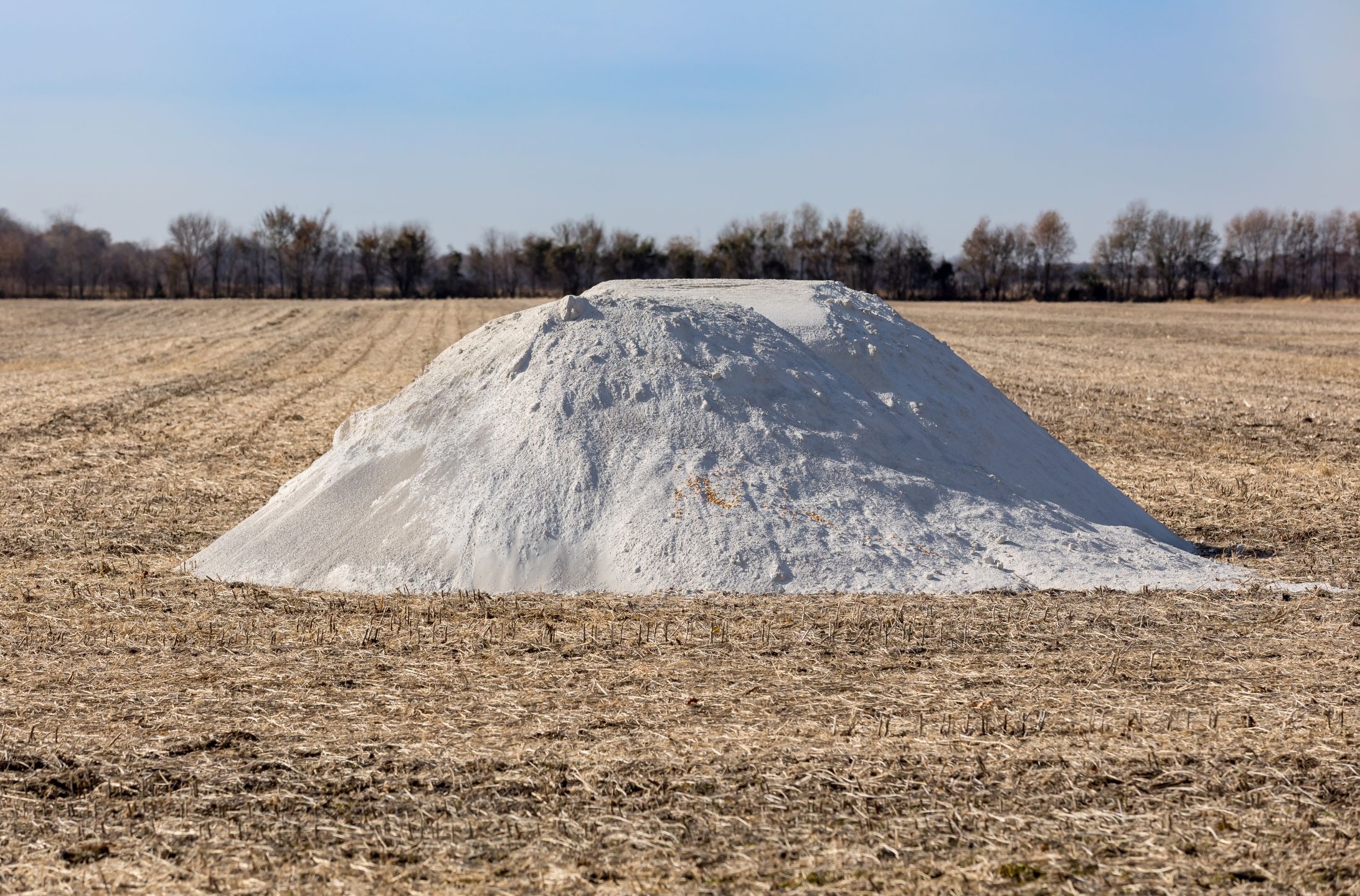
Key Takeaways
- Soil pH significantly impacts nutrient availability and microbial activity.
- Lime application is an effective method to neutralize soil acidity and improve fertility.
- Proper soil testing and lime application are crucial for achieving optimal crop yields.
Understanding Soil Acidity
Definition and Measurement
Soil acidity is quantified by the pH level, which indicates the concentration of hydrogen ions in the soil. A pH below 7.0 denotes acidic conditions, while a pH above 7.0 indicates alkalinity. The ideal pH range for most crops lies between 6.0 and 7.0, facilitating optimal nutrient uptake and microbial activity.
Causes of Soil Acidity
Natural Processes
Natural factors such as leaching and erosion contribute to soil acidity. Over time, rainfall can leach basic ions like calcium and magnesium from the soil, increasing acidity.
Agricultural Practices
Use of nitrogen-based fertilizers and organic amendments like manure can also lead to increased soil acidity. Continuous cultivation without proper soil management exacerbates acidification.
Effects of Soil Acidity
Nutrient Availability
Acidic soils hinder the availability of essential nutrients such as nitrogen, phosphorus, calcium, and magnesium. Conversely, it increases the solubility of toxic elements like aluminum and manganese, which can be detrimental to plant health.
Biological Impact
High acidity adversely affects soil microorganisms, including beneficial bacteria and fungi. This reduction in microbial activity impairs processes like nitrogen fixation and organic matter decomposition, weakening overall soil structure.
Plant Health and Crop Yields
Plants growing in acidic soils often exhibit stunted growth, reduced nutrient uptake, and increased susceptibility to diseases. Crop yields decline as the soil's fertility diminishes.
The Role of Lime in Managing Soil Acidity
What is Lime?
Lime refers to agricultural lime, commonly composed of calcium carbonate (calcitic lime) or a combination of calcium and magnesium carbonates (dolomitic lime). Its primary function is to neutralize soil acidity by reacting with hydrogen ions, thereby raising the soil pH to a more favorable level for plant growth.
Mechanism of Action
When applied to acidic soil, lime undergoes a chemical reaction with the excess hydrogen ions, effectively reducing acidity. This reaction not only increases pH but also decreases the solubility of toxic metals like aluminum, making them less available for plant uptake.
Neutralizing Acidity
The calcium carbonate in lime reacts with hydrogen ions (H+) in the soil, forming water and carbon dioxide. This process effectively raises the soil pH, creating a more conducive environment for plant roots and microbial life.
Improving Nutrient Availability
By increasing soil pH, lime enhances the availability of vital nutrients such as phosphorus, potassium, and magnesium. It also mitigates the toxicity of elements like aluminum and manganese, which can inhibit plant growth.
Types of Lime
| Type of Lime | Composition | Neutralizing Value |
|---|---|---|
| Calcitic Lime | Calcium Carbonate (CaCO₃) | High |
| Dolomitic Lime | Calcium Magnesium Carbonate (CaMg(CO₃)₂) | Moderate |
| Calcium Hydroxide | Ca(OH)₂ | Highest |
| Gypsum | Calcium Sulfate (CaSO₄) | Low |
Application Guidelines
Determining Lime Requirements
Accurate soil testing is essential to determine the current pH and the amount of lime required to adjust it to the desired level. Factors such as soil type, buffering capacity, and crop requirements influence lime application rates.
Timing of Application
Lime is most effective when applied in the fall or several months before planting. This allows sufficient time for the lime to react with the soil and achieve the desired pH balance before the growing season begins.
Method of Application
Lime should be evenly spread over the soil surface and thoroughly incorporated into the top several inches of soil. Proper incorporation enhances the effectiveness of lime in neutralizing acidity and improving soil structure.
Benefits of Liming Acidic Soils
Enhanced Nutrient Availability
Adjusting soil pH to a more neutral range makes essential nutrients more accessible to plants, promoting healthier growth and higher yields.
Improved Microbial Activity
Neutralizing acidity fosters a more favorable environment for soil microorganisms, which play a critical role in nutrient cycling and organic matter decomposition.
Increased Crop Performance
Soils treated with lime provide better conditions for root development, leading to stronger, more resilient plants and enhanced overall crop productivity.
Reduction of Metal Toxicity
Liming decreases the solubility of toxic metals like aluminum, reducing their harmful effects on plant roots and improving overall plant health.
Considerations and Best Practices
Soil Testing and Monitoring
Regular soil testing is imperative to monitor pH levels and determine the ongoing need for lime applications. Soil tests provide precise recommendations tailored to specific soil conditions and crop requirements.
Application Rates and Methods
The amount of lime needed depends on the soil's current pH, texture, organic matter content, and buffering capacity. Clay soils, for instance, typically require more lime than sandy soils to achieve the same pH adjustment.
Avoiding Overliming
Applying excessive lime can lead to soil becoming overly alkaline, which can inhibit nutrient uptake and negatively affect plant growth. Adhering to soil test recommendations prevents overliming.
Integration with Fertilizer Management
Combining lime application with appropriate fertilizer use enhances nutrient efficiency and supports balanced soil fertility. This integrated approach ensures that both pH and nutrient levels are optimized for plant health.
Environmental and Economic Considerations
Lime is a cost-effective amendment compared to other soil treatments. Proper lime management not only improves soil health but also reduces the need for additional fertilizers, leading to economic benefits for farmers.
Alternative Methods and Future Directions
Alternative Soil Amendments
In addition to lime, other amendments like organic composts and biochar can help in managing soil pH and improving soil structure. These alternatives offer sustainable options for long-term soil health.
Crop Selection and Rotation
Selecting crop varieties that are tolerant to specific pH levels and implementing crop rotation practices can naturally mitigate the impacts of soil acidity, reducing reliance on lime applications.
Technological Innovations
Advancements in soil pH monitoring technologies and precision agriculture enable more accurate and efficient lime application, ensuring that soil amendments are applied when and where they are most needed.
Conclusion
Managing soil acidity is crucial for maintaining soil health and ensuring high agricultural productivity. Lime application stands out as an effective and economically viable method to neutralize acidic soils, enhancing nutrient availability, microbial activity, and crop yields. However, the success of liming depends on accurate soil testing, appropriate application rates, and integration with overall soil management practices. By adhering to best practices and considering alternative methods, farmers and gardeners can sustainably manage soil pH, fostering robust plant growth and long-term soil fertility.
References
 cdn.environment.sa.gov.au
Last updated February 13, 2025