
Unveiling Soil Erosion: How Our Earth's Skin Is Wearing Away
Explore the forces reshaping our landscapes, the profound impacts, and the crucial solutions to protect our vital topsoil.
Soil erosion is the process where the uppermost layer of soil, known as topsoil, is detached, worn away, and transported from one location to another. While it's a naturally occurring geological process driven by forces like water and wind, human activities have dramatically accelerated its rate, transforming it into a significant global environmental challenge. Understanding soil erosion is crucial because this topsoil is the most fertile layer, rich in organic matter and nutrients essential for plant growth, agriculture, and ecosystem health.
Essential Insights into Soil Erosion
- Accelerated by Humans: While natural forces like water and wind cause erosion, activities such as intensive agriculture, deforestation, overgrazing, and construction significantly speed up the process.
- Far-Reaching Consequences: Erosion leads to loss of fertile topsoil, reduced agricultural productivity, sedimentation of waterways, increased flood risk, air pollution (dust), and contributes to desertification and climate change.
- Prevention is Key: Effective control strategies focus on maintaining ground cover with vegetation, implementing sustainable land management practices, and using physical structures to manage water flow and stabilize soil.
What Drives Soil Erosion?
Unpacking the Natural and Human Causes
Soil erosion is initiated and driven by several factors, often acting in combination. These can be broadly categorized into natural forces and human activities.
Natural Forces
- Water Erosion: This is a dominant cause, particularly driven by rainfall and runoff. Heavy or prolonged rain dislodges soil particles. The concentrated flow of water across the land surface can lead to different forms:
- Sheet Erosion: The uniform removal of a thin layer of soil over a broad area by overland flow.
- Rill Erosion: Occurs as runoff concentrates into small, shallow channels or rills, cutting into the soil.
- Gully Erosion: A more severe form where rills deepen and widen into larger channels or gullies, which can significantly alter the landscape and are difficult to repair.
- Wind Erosion (Aeolian Erosion): Prevalent in arid, semi-arid, and flat, dry areas with sparse vegetation. Strong winds can lift fine soil particles (like silt and clay) and transport them over considerable distances, sometimes creating dust storms. Drought conditions exacerbate wind erosion by drying out the soil.
- Gravity: On steep slopes, gravity contributes to the downward movement of soil, especially when saturated with water, potentially leading to landslides or soil creep.
- Ice: Although less commonly discussed in general soil erosion contexts, glacial movement and freeze-thaw cycles can also contribute to soil displacement and erosion, particularly in colder climates and mountainous regions.
Human Activities (Anthropogenic Causes)
Human actions have significantly intensified erosion rates globally, often by removing protective vegetation or altering land structure.
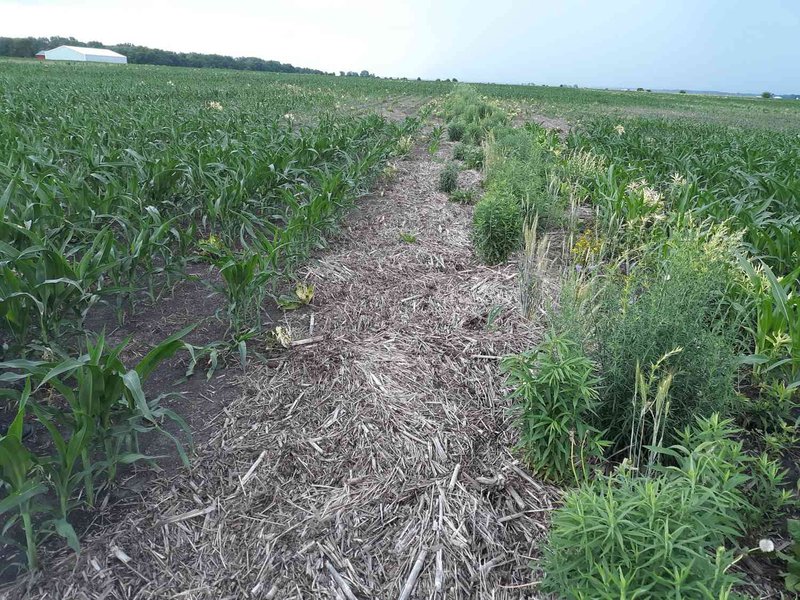
Farmland showing signs of water erosion after rainfall.
- Agriculture: Conventional farming practices like extensive plowing and tilling disrupt soil structure, break down soil aggregates, and leave the soil surface bare and vulnerable between planting seasons. Removing crop residues further exposes soil.
- Deforestation: Clearing forests for timber, agriculture, or development removes trees whose canopies intercept rainfall and whose roots bind the soil. This loss of cover exposes soil directly to rain impact and runoff.
- Overgrazing: Allowing too many livestock to graze on a piece of land removes protective vegetation faster than it can regrow. Animal hooves can also compact the soil, reducing water infiltration and increasing runoff.
- Construction and Urbanization: Building activities, road construction, and urban sprawl involve clearing land, grading slopes, and altering natural drainage patterns, all of which expose soil and increase erosion potential, especially during the construction phase.
- Mining: Surface mining operations disturb vast areas of land, removing vegetation and topsoil, leaving loose material susceptible to wind and water erosion.
- Improper Land Management: Practices like farming on excessively steep slopes without conservation measures, or inadequate drainage systems, contribute to erosion. Overuse of certain agrochemicals can also degrade soil structure over time.
The Ripple Effects of Losing Soil
Environmental and Socio-Economic Consequences
Soil erosion isn't just about losing dirt; its impacts are profound and widespread, affecting ecosystems, agriculture, water resources, infrastructure, and even climate.
On-Site Impacts (Where Erosion Occurs)
- Loss of Topsoil and Fertility: The eroded topsoil is the most biologically active and nutrient-rich layer. Its loss directly reduces the land's capacity to support plant life, leading to decreased agricultural yields and the need for more fertilizers.
- Reduced Water Infiltration: Eroded and compacted soils absorb less water, leading to increased surface runoff and reduced groundwater recharge.
- Damage to Remaining Soil Structure: Erosion can lead to the formation of crusts on the soil surface, further hindering water infiltration and seedling emergence.
Off-Site Impacts (Where Eroded Material Travels)
- Water Pollution and Sedimentation: Eroded soil particles (sediment) are transported into streams, rivers, lakes, and reservoirs. This sedimentation clouds the water (increases turbidity), harms aquatic life by smothering habitats and blocking sunlight, carries attached pollutants (like pesticides and fertilizers), and fills reservoirs, reducing their water storage capacity and lifespan.
- Increased Flooding Risk: Sediment deposition in river channels reduces their capacity to carry water, making downstream areas more prone to flooding during heavy rainfall.
- Air Pollution: Wind erosion lifts dust particles into the atmosphere. This dust can travel long distances, reducing air quality, causing respiratory problems, and depositing potentially harmful substances elsewhere.
- Infrastructure Damage: Sediment accumulation can clog drainage systems, damage roads and bridges, and require costly removal from ditches and reservoirs. Gully erosion can undermine structures.
- Desertification: In vulnerable regions, severe and prolonged soil erosion is a key driver of desertification – the process by which fertile land becomes desert, losing its biological productivity.
- Climate Change Contribution: Soils store vast amounts of carbon. Erosion releases this stored carbon (as carbon dioxide) into the atmosphere, contributing to greenhouse gas concentrations. Degraded soils also have a reduced capacity to sequester carbon in the future.
Visualizing Erosion: Causes and Effects
A Mindmap Overview
This mindmap illustrates the interconnected nature of soil erosion, linking its primary drivers to its significant environmental and societal impacts.
Protecting Our Soil: Prevention and Control Measures
Strategies for Sustainable Land Management
Combating soil erosion requires a proactive approach focused on protecting the soil surface, managing water runoff, and implementing sustainable land use practices.
Maintaining Vegetative Cover
Keeping the soil covered is the single most effective way to prevent erosion.
- Planting Vegetation: Establishing and maintaining grasses, shrubs, trees, and ground cover plants helps bind the soil with roots and shields the surface from rain impact and wind.
- Cover Cropping: Planting crops like clover, rye, or vetch during off-seasons protects agricultural soil that would otherwise be bare.
- Mulching: Applying a layer of organic material (like straw, wood chips) or inorganic material (like rocks or gravel) protects the soil surface, conserves moisture, and reduces runoff velocity. Mulch matting or erosion control blankets are effective on slopes.
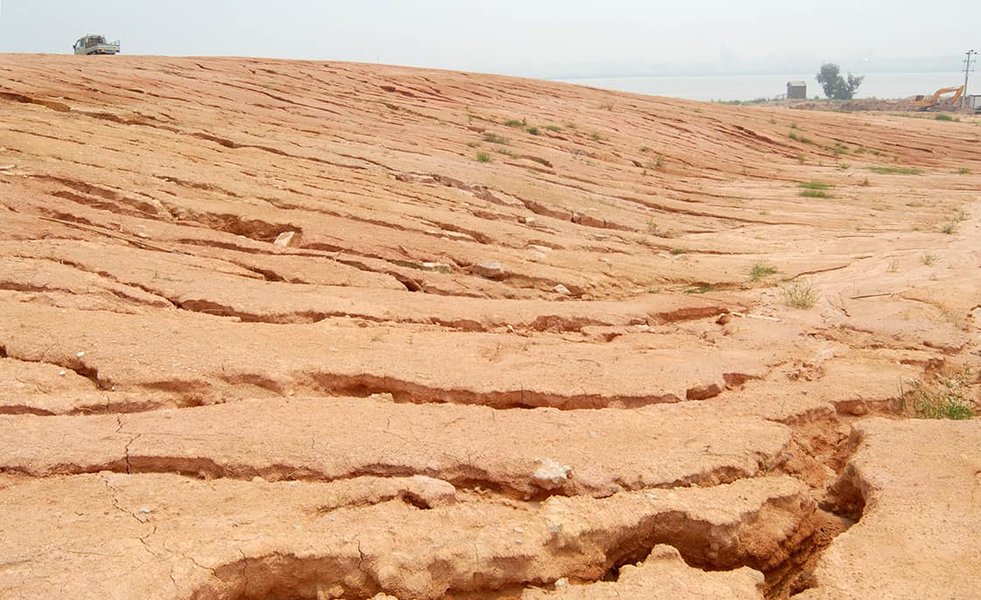
Vegetation plays a crucial role in preventing soil erosion.
Sustainable Agricultural Practices
Modifying farming techniques can drastically reduce erosion from croplands.
- Conservation Tillage (No-Till/Minimum Tillage): Reducing or eliminating plowing leaves crop residues on the soil surface, protecting it from erosion and improving soil health over time.
- Contour Plowing/Farming: Plowing, planting, and tilling along the contours of a slope, rather than up and down, creates ridges that slow water runoff and trap soil.
- Terracing: Building step-like platforms on steep slopes breaks the slope length, slowing runoff and allowing water to infiltrate.
- Strip Cropping: Planting different crops in alternating strips along contours. Strips of dense, soil-holding crops (like hay) slow runoff and trap sediment from adjacent strips of row crops (like corn).
- Buffer Strips/Filter Strips: Planting strips of permanent vegetation (grasses, shrubs, trees) along waterways, field edges, or contours helps filter runoff and trap sediment before it reaches water bodies.
- Crop Rotation: Alternating soil-depleting crops with soil-enriching crops helps maintain soil structure and fertility.
Erosion Control Structures & Water Management
Physical structures can help manage water flow and stabilize vulnerable areas.
- Check Dams: Small barriers built across gullies or channels to slow water flow and trap sediment, allowing vegetation to establish.
- Retaining Walls: Used at the base of slopes to hold back soil.
- Proper Drainage Systems: Installing gutters, downspouts, culverts, and French drains helps manage rainwater runoff from impervious surfaces (like roofs and driveways) and directs it safely away from erodible areas. Slope drains can carry concentrated runoff down slopes safely.
- Silt Fences/Sediment Barriers: Temporary barriers used at construction sites to trap sediment in runoff before it leaves the site.
- Fiber Logs/Wattles: Tubes of straw or coconut fiber placed along contours on slopes to slow runoff and trap sediment.
Land Use Management
- Managed Grazing: Implementing rotational grazing systems and controlling livestock density prevents overgrazing and allows pastures to recover.
- Reforestation/Afforestation: Replanting trees on degraded land or planting forests in new areas helps stabilize soil and restore ecosystems.
- Minimizing Land Disturbance: During construction and development, minimizing the area and duration of soil exposure is crucial. Prompt revegetation of disturbed areas is essential.
Comparing Erosion Control Methods
Effectiveness Across Different Criteria
Different soil erosion control methods vary in their cost, implementation speed, long-term effectiveness, suitability for different terrains, and impact on local biodiversity. This radar chart provides a comparative overview based on general assessments, where higher scores indicate better performance in that category (scale 1-5, 5 being highest/best).
Note: This chart provides a generalized comparison. The actual effectiveness of each method depends heavily on specific site conditions, climate, soil type, and proper implementation.
Types of Soil Erosion at a Glance
Identifying the Primary Forms
Understanding the different types of soil erosion helps in diagnosing the problem and selecting appropriate control measures. This table summarizes the main types driven by water and wind.
| Erosion Type | Primary Agent | Description | Key Drivers/Locations |
|---|---|---|---|
| Sheet Erosion | Water (Runoff) | Uniform removal of thin layers of topsoil over a wide area. Often subtle and hard to notice initially. | Gentle slopes, bare or sparsely vegetated land, initial impact of rainfall. |
| Rill Erosion | Water (Concentrated Runoff) | Formation of small, shallow channels (rills) as water flow concentrates. Rills can typically be smoothed over by tillage. | Sloping land, areas where runoff gathers, tilled fields. |
| Gully Erosion | Water (Strong Concentrated Runoff) | Advanced stage where rills deepen and widen into large channels (gullies) that cannot be easily removed by normal tillage. | Steeper slopes, areas with prolonged concentrated flow, poorly managed drainage. |
| Wind Erosion (Aeolian) | Wind | Detachment and transportation of soil particles (especially fine sand, silt, clay) by wind action. | Arid/semi-arid regions, flat open areas, dry/loose soils, drought conditions, bare fields. |
| Tillage Erosion | Human Activity (Plowing) | Downslope movement of soil caused by tillage operations, progressively moving soil from higher to lower positions in a field. | Sloping agricultural land, frequent and intensive tillage. |
Understanding Soil Erosion Visually
Causes and Types Explained
This video provides a clear introduction to what soil erosion is, highlighting the different types and the primary natural and human-induced causes behind this critical environmental process. It serves as a good primer for understanding the fundamental concepts discussed.
The video explains how forces like wind and water naturally wear away the Earth's surface but emphasizes how human activities, such as farming and deforestation, can significantly worsen the problem. It visually demonstrates concepts like sheet, rill, and gully erosion, making the distinctions easier to grasp. Understanding these basics is the first step toward appreciating the importance of soil conservation efforts.
Frequently Asked Questions about Soil Erosion
What exactly is topsoil and why is it so important?
Topsoil is the uppermost layer of soil, typically ranging from 2 to 10 inches deep. It's the most fertile layer because it contains the highest concentration of organic matter (decomposed plants and animals) and microorganisms. This rich mixture provides essential nutrients for plant growth, supports biodiversity, absorbs and retains water, and filters pollutants. Losing topsoil through erosion severely degrades land productivity and ecosystem health.
Can soil erosion be completely stopped?
Completely stopping all soil erosion is not feasible, as it is a natural geological process. However, the goal of soil conservation is to reduce *accelerated* erosion (caused or worsened by human activities) to rates that are closer to natural levels, often referred to as the "tolerable soil loss" (T-value). This is the maximum rate of erosion that can occur without degrading long-term productivity. Effective management practices can significantly minimize erosion and maintain soil health.
How does climate change affect soil erosion?
Climate change is expected to exacerbate soil erosion in many regions. More intense rainfall events can increase water erosion (higher runoff, greater erosive power). Longer and more severe droughts can increase wind erosion by drying out soils and reducing vegetation cover. Changes in temperature and precipitation patterns can alter plant growth cycles, potentially leaving soil bare for longer periods. Conversely, soil erosion itself contributes to climate change by releasing stored soil carbon into the atmosphere.
Are there economic costs associated with soil erosion?
Yes, the economic costs of soil erosion are substantial. On the farm, erosion leads to reduced crop yields, increased need for fertilizers to replace lost nutrients, and sometimes the complete loss of arable land. Off the farm, costs include dredging sediment from waterways and harbors, repairing flood damage exacerbated by sedimentation, treating polluted water, cleaning up dust deposition, and repairing damaged infrastructure. These costs impact farmers, governments, and the public.
Recommended Further Reading
Explore Related Topics
- How does soil erosion specifically affect the quality of our rivers and lakes?
- What are the different types of conservation tillage and how do they work?
- Can planting specific types of vegetation help prevent landslides on steep slopes?
- What is the relationship between soil erosion and the soil's ability to store carbon?
References
Sources Used for This Information
Last updated May 5, 2025