
Unveiling the Hidden World: A Deep Dive into the Soil Microbiome
The Intricate Ecosystem Beneath Our Feet and Its Profound Impact on Life
The soil beneath us is far from inert; it teems with an astounding diversity of life, collectively known as the soil microbiome. This complex community of microorganisms, including bacteria, fungi, archaea, protozoa, and viruses, forms the bedrock of terrestrial ecosystems, driving essential biogeochemical processes that sustain plant life, regulate climate, and even influence human health. Understanding and nurturing this intricate underground world is paramount for sustainable agriculture, environmental resilience, and overall planetary well-being.
Key Insights into the Soil Microbiome
- Foundation of Life: The soil microbiome is the most biologically diverse community on Earth, harboring at least a quarter of the planet's total biodiversity. These microorganisms are critical drivers of nutrient cycling, organic matter decomposition, and overall soil health, directly impacting plant productivity and ecosystem functioning.
- Interconnectedness with All Life: The health of plants, animals, and humans is inextricably linked to the soil microbiome. Soil microbes facilitate nutrient uptake by plants, protect against pathogens, and even contribute to the human gut microbiome and immunological resilience through direct and indirect exposure.
- Impact of Human Activities: Land-use practices, such as conventional agriculture, excessive fertilization, and pesticide use, significantly alter the composition and function of soil microbial communities. Regenerative agricultural practices offer promising avenues for enhancing soil microbial diversity and restoring vital ecosystem services.
Defining the Soil Microbiome
The term "soil microbiome" encompasses the aggregate of microorganisms that inhabit the soil environment. This vast and dynamic community includes myriad microbial strains, each with unique characteristics and functions. While bacteria are often the most abundant, the soil microbiome also includes fungi, actinomycetes, algae, protozoa, viruses, nematodes, and even archaea. A single gram of soil can contain billions of bacteria, and tens of thousands of individual microbial taxa. This immense diversity is critical for the myriad of ecological processes that occur in soil.
Composition and Key Players
The soil microbiome is a microcosm of life, with different groups of microorganisms playing distinct yet interconnected roles:
- Bacteria: These are the most numerous microorganisms in the soil. They are vital for breaking down organic matter, releasing nutrients that plants can absorb, and playing a crucial role in nutrient cycling (carbon, nitrogen, phosphorus, sulfur). Some bacteria also form symbiotic relationships with plants, such as nitrogen-fixing bacteria that convert atmospheric nitrogen into a usable form for plants.
- Fungi: Fungi, including yeasts, molds, and mushrooms, contribute significantly to the total soil microbial biomass despite being less numerous than bacteria. They are essential decomposers of complex organic compounds, form mycorrhizal associations with plant roots to enhance nutrient uptake, and can suppress plant diseases.
- Actinomycetes: Often mistaken for fungi due to their filamentous growth, actinomycetes are a group of bacteria that are particularly important in decomposing stubborn organic matter, such as cellulose and chitin. They are also known for producing antibiotics, which can help suppress plant pathogens.
- Protozoa: These single-celled eukaryotic organisms prey on bacteria, helping to regulate bacterial populations and release nutrients in a form available to plants. They also contribute to soil structure.
- Algae: Primarily found in the topsoil, algae contribute organic matter to the soil and can fix atmospheric nitrogen, particularly in moist, illuminated environments.
- Viruses: While often associated with disease, viruses in the soil microbiome can also influence bacterial populations by lysing (breaking open) bacterial cells, thereby releasing nutrients back into the soil for other microbes and plants.
- Nematodes: These microscopic roundworms occupy various trophic levels in the soil food web, feeding on bacteria, fungi, or even plant roots. Beneficial nematodes can help control plant pests, while others can be detrimental to crops.
Functions and Ecological Significance
The functions performed by the soil microbiome are fundamental to the health and productivity of both natural and agricultural ecosystems. These microorganisms act as the "belowground engine" for many critical processes:
- Nutrient Cycling: Soil microbes are the primary drivers of biogeochemical cycles. They convert organic nutrients into inorganic forms that plants can absorb, facilitate nitrogen fixation, phosphorus solubilization, and sulfur transformations.
- Organic Matter Decomposition: Microorganisms break down dead plant and animal residues, converting them into stable soil organic matter, which improves soil structure, water retention, and nutrient-holding capacity.
- Soil Structure Formation: Fungi and bacteria produce sticky substances and hyphae that bind soil particles together, forming stable aggregates. This improves aeration, water infiltration, and reduces erosion.
- Plant Growth Promotion: Many soil microbes directly stimulate plant growth by producing plant hormones, enhancing nutrient availability, and protecting plants from pathogens.
- Disease Suppression: Beneficial soil microbes can suppress soil-borne plant diseases by competing with pathogens, producing antimicrobial compounds, or inducing systemic resistance in plants.
- Detoxification and Bioremediation: Certain microorganisms have the ability to degrade and remove pollutants, including pesticides, organic contaminants, and heavy metals, contributing to soil remediation efforts.
- Climate Regulation: Soil microbes play a significant role in carbon sequestration by converting atmospheric carbon dioxide into organic forms stored in the soil, thereby mitigating climate change. They also influence the production and consumption of greenhouse gases.
The Soil-Plant-Microbe Interplay
The relationship between plants and the soil microbiome is a sophisticated co-evolutionary dance. Plants release a variety of organic compounds, known as exudates, from their roots into the rhizosphere (the narrow zone around plant roots). These exudates serve as a food source for specific microbial communities, which in turn provide essential services to the plant. This symbiotic relationship ensures efficient nutrient uptake, enhanced stress tolerance, and protection against pathogens for the plant, while the microbes receive a consistent supply of carbon.
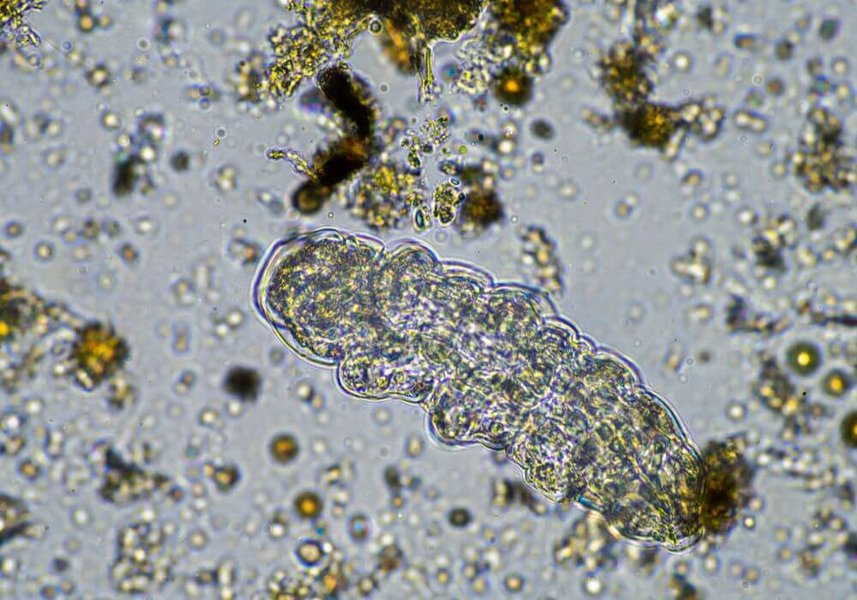
An illustrative depiction of the diverse microbial life within soil.
Factors Influencing Soil Microbial Diversity
The composition and diversity of soil microbial communities are highly sensitive to a range of environmental and anthropogenic factors. Understanding these drivers is crucial for effective soil management.
- Soil Properties: Key soil characteristics like pH, texture (sand, silt, clay content), organic carbon quality and quantity, and redox status strongly influence microbial community structure. Neutral soils tend to have higher bacterial diversity.
- Vegetation Cover: Plant type and diversity exert a significant influence on the soil microbiome. Different plant species release unique root exudates, which selectively foster specific microbial communities.
- Climate: Temperature and moisture levels are critical climatic factors that affect microbial activity and community composition.
- Land-Use Practices: Agricultural practices, such as tillage intensity, crop rotation, and the application of fertilizers and pesticides, have profound impacts on soil microbial diversity. Conventional practices often reduce diversity, while sustainable approaches aim to enhance it.
- Anthropogenic Disturbances: Pollution, heavy metal contamination, and other human-induced disturbances can significantly alter and degrade soil microbial communities.
The Soil Microbiome and Human Health: A "One Health" Perspective
The concept of "One Health" emphasizes the interconnectedness of human, animal, plant, and environmental health. The soil microbiome serves as a cornerstone of this concept, acting as a source and reservoir of beneficial microorganisms, pathogens, and overall microbial diversity that impacts various organisms and ecosystems.
Evidence suggests that historical human exposure to soil-bound microorganisms played a crucial role in the evolution of the human gut microbiome and immunological resilience. While modern lifestyles, characterized by urbanization, reduced contact with natural environments, increased hygiene, antibiotic use, and processed diets, have led to a significant decrease in human gut microbial diversity, the soil microbiome continues to hold potential for supporting human health. Functional similarities exist between soil bacteria and human gut bacteria, highlighting a deep evolutionary linkage. Research is ongoing to explore the direct and indirect ways in which soil microorganisms can influence human gut health and immunity.
Radar Chart: Relative Impact of Factors on Soil Microbiome Health
This radar chart illustrates the relative impact of various factors on the health and diversity of the soil microbiome, alongside the desired focus for sustainable management practices. Factors like 'Organic Matter Content' and 'Plant Diversity' have a very high positive impact, indicating their crucial role in fostering a robust microbiome. Conversely, 'Chemical Inputs' and 'Tillage Intensity' are shown to have a detrimental effect, emphasizing the need for reduced reliance on these practices in the context of soil health. The chart visually represents the complex interplay of these factors and highlights the importance of holistic management approaches to support a thriving soil ecosystem.
Managing and Enhancing Soil Microbial Diversity
Given the critical roles of the soil microbiome, proactive management strategies are essential to maintain and enhance its diversity and functionality. Regenerative agriculture is gaining traction as an approach that prioritizes soil health and microbial communities.
Sustainable Agricultural Practices
Farmers can optimize soil health and productivity by adopting practices that foster a diverse and active soil microbiome:
- Diversifying Crop Rotations: Growing a variety of crops over time introduces diverse root exudates, which in turn support a wider range of microbial communities and can minimize pest and disease buildup.
- Integrating Cover Crops: Planting cover crops during fallow periods protects the soil from erosion and compaction, adds organic matter, and continuously nourishes soil microbes.
- Reducing Tillage: Minimizing the frequency and intensity of soil disturbance allows microbial networks, particularly fungal hyphae, to thrive undisturbed, enhancing nutrient cycling and soil structure formation.
- Adding Organic Matter: Incorporating compost, manure, and other organic amendments provides a rich food source for microbes, boosting their populations and activity.
- Minimizing Chemical Inputs: Reducing the use of synthetic fertilizers and pesticides can prevent adverse impacts on beneficial microbial communities, allowing natural biological processes to flourish. Excessive fertilization, for instance, can suppress beneficial phagotrophic protists, altering the entire microbiome's functioning.
Technological Advancements in Soil Microbiome Research
Advances in molecular biology and sequencing technologies have revolutionized our ability to characterize the soil microbiome:
- High-Throughput Sequencing: Techniques like next-generation sequencing (NGS) and long-read sequencing allow researchers to identify and quantify both culturable and unculturable microbes, providing detailed insights into microbial population distribution and diversity.
- Functional Gene Microarrays (GeoChip): These tools detect functional genes within soil microorganisms, allowing researchers to infer ecological roles and functions directly from the genetic material.
- Metagenomics and Metaphenomics: These approaches analyze the entire genetic material of microbial communities (metagenomics) and their collective metabolic activities (metaphenomics), providing a holistic understanding of how these complex communities interact and function.
These methodologies enable a deeper understanding of how microbial communities respond to environmental changes and management practices, paving the way for targeted interventions to improve soil fertility and crop production.
Interconnections of the Soil-Food-Human Microbiome: A Talk by Dr. Carl Wepking
This video features Dr. Carl Wepking discussing the profound interconnections between the soil, food, and human microbiomes. He delves into how the health of our soil directly influences the nutritional quality of our food and, consequently, the diversity and resilience of the human gut microbiome. This presentation highlights the critical "One Health" perspective, emphasizing that neglecting soil health has cascading effects on all living systems, underscoring the importance of sustainable practices to foster thriving microbial communities in our soils.
Impact of Land Use on Soil Microbial Diversity
Different land-use practices significantly impact the diversity and composition of soil microbial communities. Studies across Europe and other regions have shown clear patterns:
| Land Use Type | Typical Microbial Diversity Impact | Contributing Factors | Associated Ecosystem Services |
|---|---|---|---|
| Forest Land | Generally high microbial diversity. | High organic matter, stable conditions, diverse plant input. | Carbon sequestration, nutrient cycling, water quality. |
| Grassland | Moderate to high diversity, can be lower than cultivated land or forest near rivers due to specific conditions. | Varying organic matter, grazing pressure, root exudates. | Forage production, soil stabilization, biodiversity habitat. |
| Cultivated Land (Conventional) | Often reduced microbial diversity due to tillage, synthetic fertilizers, and pesticides. | Frequent disturbance, low organic matter input, chemical stress. | Crop production (often with external inputs). |
| Cultivated Land (Regenerative) | Enhanced and increasing microbial diversity. | Reduced tillage, cover cropping, diversified rotations, organic amendments. | Improved soil fertility, resilience, reduced input reliance, carbon sequestration. |
| Contaminated Sites (Heavy Metal/Hydrocarbon) | Significantly reduced and altered diversity. | Toxic conditions, selection for resistant strains. | Limited or impaired ecosystem services; potential for bioremediation by specialized microbes. |
| Reclaimed Tidal Soils | Lower diversity, often influenced by high salinity. | High salinity, unique physiochemical properties. | Ecological restoration, specific agricultural uses (e.g., salt-tolerant crops). |
This table illustrates how various land-use practices can lead to distinct impacts on soil microbial diversity and the associated ecosystem services. It highlights that conventional agricultural methods tend to decrease diversity, while regenerative practices aim to foster it for long-term sustainability. Understanding these patterns is crucial for developing effective land management strategies that promote healthy soil microbiomes.
Future Directions in Soil Microbiome Research
Despite significant advancements, much remains to be discovered about the soil microbiome. Future research directions are focused on several key areas:
- Cultivation-Based Analyses: Developing new methods to cultivate previously unculturable soil microbial taxa to better understand their physiology and ecological roles.
- Soil Viruses: Investigating the vast and largely unexplored world of soil viruses and their profound impact on microbial communities and biogeochemical cycles.
- Horizontal Gene Transfer: Understanding the importance of horizontal gene transfer (HGT) in shaping the soil microbiome's adaptability and functional capabilities.
- Microbiome Engineering: Exploring how we can manipulate and manage the soil microbiome to increase soil fertility, improve crop production, and enhance ecosystem resilience to environmental change.
- Interactions and Networks: Moving beyond cataloging diversity to understanding the complex interactions within microbial communities and between microbes, plants, and the broader environment.
Frequently Asked Questions (FAQ)
What is the soil microbiome?
Why is soil microbial diversity important?
How do human activities affect the soil microbiome?
Can the soil microbiome impact human health?
What can be done to improve soil microbial diversity?
Conclusion
The soil microbiome, a bustling and diverse community of microorganisms, is an indispensable component of Earth's ecosystems. Its members orchestrate vital processes from nutrient cycling and organic matter decomposition to plant growth promotion and climate regulation. The health and functionality of this hidden world directly impact the productivity of our agricultural systems, the resilience of our natural environments, and even our own health. By embracing sustainable land management practices and leveraging cutting-edge research, we can foster robust and diverse soil microbiomes, ensuring the long-term health of our planet and its inhabitants. The intricate dance between plants and soil microbes, profoundly influenced by human stewardship, represents a critical frontier in our quest for a sustainable future.
Recommended Further Exploration
- How does regenerative agriculture impact soil microbiomes?
- The role of fungi in soil health and plant nutrition
- Soil microbes and carbon sequestration mechanisms
- Connections between soil biodiversity and human gut health