
The Future of Solar-Powered Electronics
Exploring Innovations, Trends, and Sustainable Energy Solutions
Key Insights
- Breakthroughs in Solar Technology: Enhanced solar cells, like perovskite and bifacial modules, are setting new efficiency records.
- Integration with Smart Systems: AI, IoT, and advanced energy storage work together to optimize solar-powered electronics.
- Broad Applications: From wearable devices to decentralized microgrids, solar energy is redefining electronic design and use.
Overview of Solar-Powered Electronics
The future of solar-powered electronics is poised to considerably transform our energy and technological landscape. Significant advancements in both solar panel technology and energy storage have enabled a wider integration of solar power into everyday electronic devices. This emerging paradigm not only fuels sustainability but also adapts to the increasing demands for reliability, efficiency, and decentralized energy solutions. With the strides being made in materials science and smart technology, solar-powered electronics are rapidly moving from innovative prototypes to mainstream applications.
Technological Breakthroughs in Solar Panels
Advancements in solar panel design have led to more efficient and versatile devices that are integral to the future of electronics. Key innovations include:
Perovskite Solar Cells
Perovskite solar cells are gaining traction due to their low-cost production and high efficiency. Unlike traditional silicon-based cells, perovskite cells are lighter, more flexible, and capable of performing in suboptimal lighting. Their potential to push conversion rates beyond 25% makes them a focal point for researchers and manufacturers aiming to integrate sustainable power sources into everyday devices.
Bifacial Solar Modules
Bifacial modules capture sunlight from both the front and back faces of a panel, significantly increasing energy capture. This design innovation is particularly advantageous in settings where sunlight reflection can be harnessed for additional power generation. With enhanced energy yields and improved performance in diverse lighting conditions, bifacial modules are reshaping expectations for solar efficiency in electronic applications.
Flexible and Transparent Solar Panels
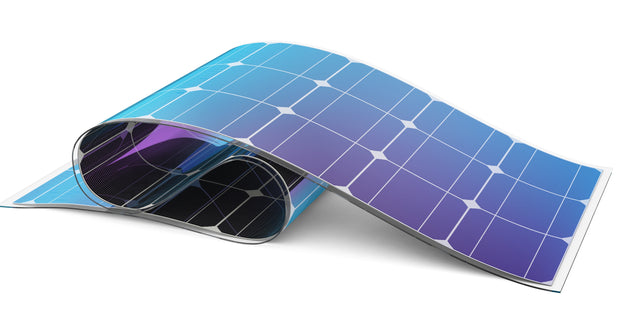
The development of flexible solar panels offers new possibilities in integrating solar technology into wearable devices, curved surfaces, and even building materials. Transparent solar panels, which can be incorporated into windows and screens, promise to blend seamlessly with modern design aesthetics while supporting energy capture. This adaptability broadens the scope of applications, ensuring that solar technology can be integrated into gadgets that require both form and function.
Advancements in Energy Storage and Management
A crucial challenge with solar energy has been its intermittent nature—its reliance on daylight. However, emerging technologies in energy storage and smart management systems are addressing these concerns. Innovations in battery technology, particularly through lithium-ion and solid-state advancements, allow for more effective storage of excess energy for use during non-sunlight hours.
Enhanced Energy Storage Systems
The evolution of batteries and storage systems is critical for ensuring the reliability of solar-powered electronics. By storing energy when sunlight is abundant and releasing it during demand peaks or cloudy days, these systems create a consistent power flow. Strategies combining both hardware and software solutions are being deployed to monitor, predict, and balance energy loads more effectively.
Lithium-Ion and Solid-State Batteries
Lithium-ion batteries remain the industry standard, but ongoing research into solid-state batteries promises even greater safety, efficiency, and lifespan. Solid-state batteries utilize electrolytes in a solid phase, minimizing risks associated with liquid electrolytes and improving energy density. These features ensure that electronic devices powered by solar panels can operate seamlessly across varied conditions.
Integrative Smart Energy Management
The role of smart energy management cannot be overstated. Modern solar systems incorporate advanced monitoring systems that leverage artificial intelligence to optimize energy consumption and distribution. By harnessing real-time data, these systems dynamically adjust to fluctuations in sunlight and energy demand, ensuring that resources are effectively deployed and energy waste is minimized.
Integration with Smart Technology and IoT
The convergence of solar power with smart technology and the Internet of Things (IoT) is reshaping how we interact with and consume energy. Solar-powered electronics are increasingly integrated into smart home devices, remote sensors, and connected appliances, offering unprecedented levels of control and efficiency.
Smart Home and Remote Applications
In the realm of consumer electronics, smart technology is driving the development of devices that can independently monitor their performance, optimize charging cycles, and communicate with smart grids. The automated regulation of energy consumption paired with real-time performance data allows for a seamless user experience, where the device intelligently manages its own energy resources.
IoT Integration
Internet of Things (IoT) devices benefit significantly from solar energy integration. In remote monitoring systems, such as environmental sensors or agricultural monitors, solar power ensures continuous operation without the need for external electrical connections. This decentralization of energy sources leads to a robust, self-sufficient network where each node contributes to and benefits from a shared energy pool.
AI for Optimized Energy Usage
Artificial Intelligence plays a pivotal role in optimizing solar-powered electronics. AI algorithms analyze data from solar panels to predict energy generation patterns, adjust panel positioning, and even forecast maintenance needs. This integration of AI not only enhances energy production but also extends the lifespan of the solar components by ensuring that systems operate within optimal parameters.
Diverse Applications Across Sectors
A broad spectrum of applications for solar-powered electronics is emerging, each leveraging the benefits of self-sustaining power and reduced reliance on nonrenewable resources. The integration of solar technology is transforming industries ranging from consumer electronics to automotive and industrial applications.
Consumer Electronics and Wearable Devices
Innovations in solar power have inspired a new generation of consumer products. From smartphones and laptops to game consoles, manufacturers are exploring solar-powered charging mechanisms that could significantly extend battery life. Wearable technology, in particular, stands to benefit from flexible and transparent solar cells, ensuring that devices like smartwatches and fitness trackers remain charged with minimal intervention.
Wearable Technology
Modern wearable devices are evolving beyond mere fashion or fitness trackers. With the integration of solar panels, these devices can harness ambient light continuously — meaning users could see fewer interruptions and extended usage times. Future advancements could lead to wearables with embedded solar textiles, making charging an unobtrusive part of daily life.
Portable and Handheld Devices
Solar power is also influencing the design of portable electronics such as smartphones, laptops, and compact gaming devices. By integrating solar charging functionalities, these devices reduce the burden on traditional charging infrastructures and offer a degree of energy autonomy. This shift is particularly beneficial for users in remote or off-grid areas, where access to conventional power sources may be limited.
Automotive and Transportation Innovations
The promise of solar-powered electronics extends into the automotive sector, where lightweight designs and integrated solar panels are being incorporated into vehicle exteriors. These technologies potentially reduce fuel consumption and extend the driving range of electric vehicles. In some cases, solar panels integrated into the vehicle’s body may even power auxiliary systems, contributing to overall energy efficiency.
Solar-Powered Vehicles
Future vehicles are expected to feature sophisticated solar integration that supports not only propulsion but also onboard systems. Solar-powered vehicles benefit from an extended energy supply, thanks to solar panels that capture energy while the vehicle is in motion or parked. Advancements in lightweight materials and flexible solar fabrics further enhance these capabilities, making them a viable competitor in the clean energy transportation market.
Industrial and Decentralized Energy Systems
Beyond consumer and automotive applications, solar-powered electronics are vital in creating resilient, decentralized energy systems. Microgrids, which operate independently of traditional power networks, allow communities and remote installations to generate and distribute energy autonomously. Peer-to-peer energy trading platforms further empower users to manage their energy resource effectively.
Decentralized and Community Energy Grids
In decentralized energy grids, solar panels provide localized energy production that supports community-level power needs. This creates a network where each home or building contributes surplus energy to the grid, enhancing overall resilience during power outages or natural disasters. Community energy systems also encourage local sustainability practices and reduce dependency on centralized utilities.
Remote Monitoring and Industrial IoT
In industries where remote monitoring is crucial—such as agriculture, mining, and environmental research—solar-powered IoT devices ensure continuous operation. These devices, whether they are sensors or communication modules, thrive in off-grid environments by harnessing solar energy, thereby reducing maintenance costs and enhancing operational efficiency.
Future Perspectives and Sustainability
The ongoing advancements in solar-powered electronics are setting the stage for a sustainable future. Central to this evolution is the commitment to reducing carbon footprints and embracing renewable energy sources.
Sustainable Design and Eco-Friendly Materials
With environmental concerns at the forefront, manufacturers are refining their designs to incorporate renewable materials and maximize efficiency while minimizing waste. This sustainable design ethic not only pertains to energy generation but also to the entire lifecycle of electronic devices—from production to recycling.
Eco-Friendly Manufacturing
Technological advancements now promote processes that lower energy consumption and reduce harmful emissions during manufacturing. Incorporating recyclable and biodegradable components into solar-powered electronics is a priority for many companies. This shift towards eco-friendly manufacturing practices ensures that the benefits of solar energy extend beyond just energy production, contributing to a cleaner, greener planet.
Integration of Renewable Materials
Alongside improvements in efficiency, the quest for sustainability has driven research into renewable materials that can seamlessly integrate with solar technologies. Whether it is through the use of organic photovoltaics or the development of solar fabrics, these materials enable the creation of devices that harness renewable energy while reducing their environmental impact.
Decentralized Power and Future Energy Markets
The future of solar-powered electronics is also intertwined with the evolution of energy markets and decentralized power.
Peer-to-Peer Energy Trading
With the advent of blockchain and digital ledger technologies, peer-to-peer energy trading platforms are emerging as a revolutionary approach to energy distribution. These systems enable individuals and communities to trade surplus energy in real time, establishing a more democratic and resilient energy market.
Global Sustainability and Policy Impact
Governmental policies and international agreements play a significant role in promoting the adoption of renewable energy. Incentives for research and development in solar technologies, combined with supportive regulatory frameworks, are boosting the pace of innovation. As public and private sectors work in tandem to reduce greenhouse gas emissions, solar-powered electronics stand as a cornerstone of sustainable progress.
Comparative Table of Solar-Powered Electronics Innovations
Below is a table that encapsulates key innovations, applications, and trends shaping the future of solar-powered electronics:
| Aspect | Innovation | Application | Key Benefit |
|---|---|---|---|
| Solar Panel Technology | Perovskite and Bifacial Cells | Consumer Devices, Building Integration | Higher Efficiency & Versatility |
| Flexible Solar Panels | Transparent and Flexible Designs | Wearables, Portable Electronics | Seamless Integration |
| Energy Storage | Lithium-Ion, Solid-State Batteries | Solar Systems, Remote Applications | Reliable Power Supply |
| Smart Energy Management | AI & IoT Integration | Smart Homes, Industrial IoT | Optimized Energy Use |
| Decentralized Energy | Microgrids & P2P Trading | Community Energy Systems | Enhanced Energy Autonomy |
References
- Innovative Solar Energy Trends for 2025 and Beyond: The Future of Solar Technology - New Day Solar
- Advancements in Solar Panel Technology and the Future (2025) - 8MSolar
- The Future of Solar-Powered Devices in Electronics: Harnessing the Power of the Sun - PGFTech
- Solar Power Innovations in the Electronics Industry - KnowHow
- Revolutionary Solar Technologies Set to Dominate in 2025 - Tamesol
- What Devices in the Future Will Be Solar Powered? - Powertec Solar
-
Solar-Powered Electronics: Is it a Fad Anymore? - US Green Technology
Recommended Further Explorations
Last updated March 6, 2025