
Beyond the Beaten Path: Uncovering Game Niches Ripe for Solo Developers
Discover innovative and manageable game concepts that a single creative mind can bring to life in today's evolving gaming landscape.
The world of game development is vast, often dominated by large studios and blockbuster titles. However, fertile ground remains for solo developers willing to explore unconventional ideas and niche markets. As of 2025, several intriguing "game sections"—unique genre blends, experimental concepts, and focused experiences—are not yet oversaturated and present exciting opportunities for individual creators. Success often lies in leveraging personal strengths, maintaining a manageable scope, and tapping into the power of innovative mechanics or heartfelt narratives.
Highlights: Key Opportunities for Solo Game Creators
- Personalized Narrative & Emotional Depth: Craft unique stories that resonate deeply with players, potentially using AI-driven procedural narratives or focusing on specific emotional journeys. This area values strong writing and design over massive asset libraries.
- Experimental Gameplay Hybrids: Dare to blend mechanics from disparate genres. Think dice-driven RPG elements mixed with social simulation, or puzzle mechanics intertwined with atmospheric exploration. Innovation in gameplay can carve out a dedicated audience.
- Focused Micro-Experiences & Niche Simulations: Develop compact, polished games with a tight scope. This could be a highly specialized simulation, an artistic "tool" game, or a hyper-casual title with a novel twist, often well-suited for mobile or web platforms.
Venturing into Untapped Territories: Promising Niches
While popular genres like shooters, expansive RPGs, and battle royales are heavily populated, a solo developer can find success by identifying and cultivating less-trodden paths. These niches often reward creativity, unique vision, and a deep understanding of a specific player desire.
Narrative Frontiers: Personalized and Emotionally Resonant Games
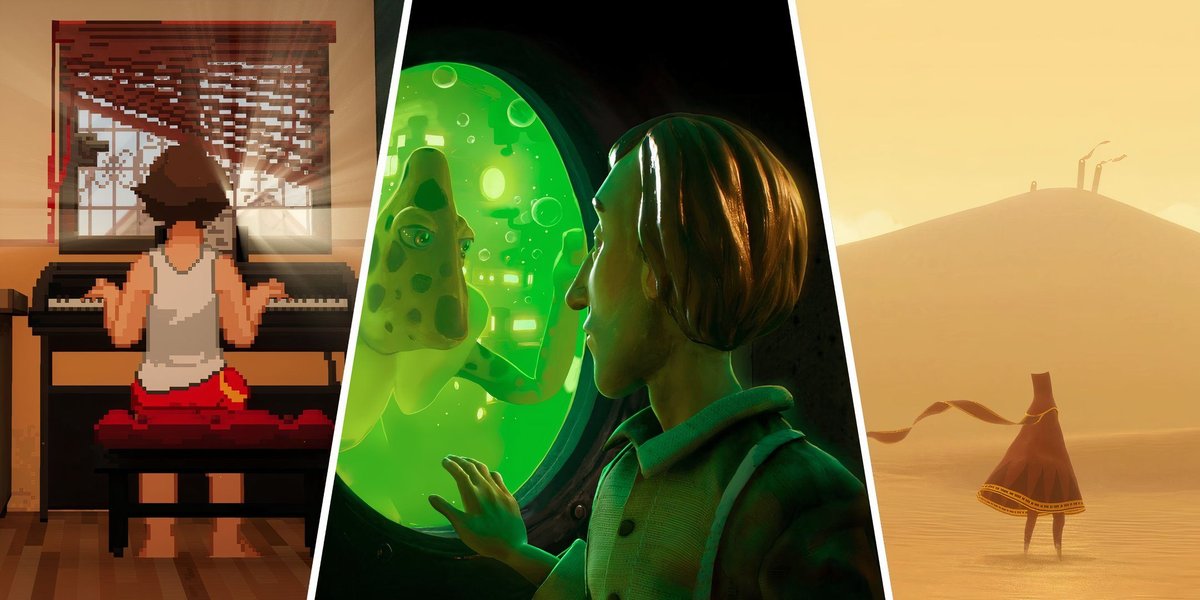
Indie games often showcase unique art styles that complement innovative narratives and gameplay.
The appetite for compelling stories in gaming is ever-present. Solo developers can excel here by focusing on:
- AI-Driven Branching Narratives: Imagine stories that dynamically adapt not just to explicit choices but to subtle player behaviors, creating truly personalized experiences. While complex, a focused scope on this mechanic could be revolutionary.
- Games Exploring Specific Emotional Themes: Titles that delve into nuanced emotional landscapes or tackle mature themes with sensitivity can find a dedicated audience. The focus here is on writing and evocative game design.
- Procedural Storytelling: Systems that generate unique story elements or character arcs for each playthrough, offering high replayability with a manageable asset load.
These games often rely more on clever design and writing than on extensive graphical assets, making them more approachable for a single creator.
Genre Alchemy: Experimental Hybrids and Mashups
Innovation often springs from the unexpected combination of existing ideas. Solo developers have the freedom to experiment without the constraints of large studio expectations.
Unconventional Pairings
Consider blending:
- Puzzle mechanics with social simulation: Imagine solving intricate puzzles to navigate complex social dynamics or unlock character interactions.
- Roguelike elements with narrative-heavy adventures: Each run could reveal new story fragments or character perspectives, building a larger, evolving narrative.
- Atmospheric exploration with resource management: A survival game where the primary challenge is maintaining sanity or uncovering lore in a haunting, minimalist world.
The key is to select core mechanics that complement each other and can be implemented effectively within a solo developer's skillset and timeframe.
Small Scale, Big Impact: Micro-Experiences and Niche Simulations
Not every game needs to be an epic. Highly focused, polished experiences can be incredibly rewarding for both the developer and the player.
Opportunities in Brevity
- Hyper-Casual with a Twist: While the market is competitive, genuine innovation in core mechanics or control schemes can still stand out, especially on mobile platforms.
- "Tool" Games or Utility Games: Games that also serve a practical or creative purpose, such as a meditative art creation tool with game-like progression, or a language-learning game with deep narrative integration.
- Focused Simulation Games: Instead of simulating an entire world, focus on a single, intricate system. This could be anything from managing a very specific type of ecosystem to simulating the emotional journey of a character through a specific life event.
- Retro-Inspired Games with Modern Sensibilities: Pixel art or simpler graphical styles can reduce the art asset workload, allowing focus on tight gameplay and innovative mechanics within a nostalgic framework.
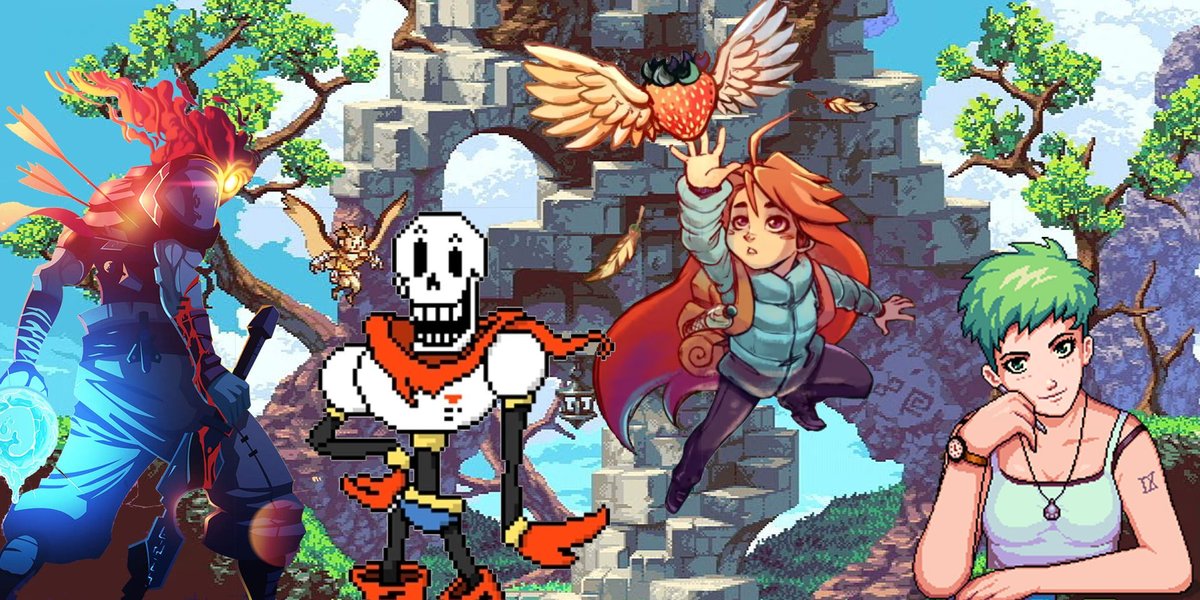
Pixel art remains a popular and viable art style for solo developers, allowing for expressive visuals with manageable workloads.
The Human Element: AI, Accessibility, and Atmosphere
Leveraging emerging technologies or focusing on underserved aspects of game design can also create unique opportunities.
Cutting-Edge and Considered Design
- AI-Adaptive Gameplay: Games where AI doesn't just control enemies, but actively shapes the game world, challenges, or even narrative elements in response to the player's unique style.
- Games with Novel Input Methods or Accessibility Focus: Exploring voice commands, gesture controls, or designing games from the ground up for players with specific accessibility needs can open new, appreciative markets.
- Minimalist and Atmosphere-Driven Games: Titles that rely on sound design, environmental storytelling, and abstract visuals to create powerful moods and experiences, often requiring less in terms of traditional asset creation but more in creative audio-visual design.
- Educational Games with Deep Engagement: Moving beyond simple gamification to create truly compelling game experiences that also impart knowledge or skills in a sophisticated way.
- Culture-Specific Narratives: Games that explore unique cultural, historical, or subcultural themes, often best told by someone with deep personal or regional knowledge.
Assessing Niche Potential for Solo Developers
The following chart provides a comparative look at several promising niche areas, evaluating them based on factors crucial for solo development. The scores are subjective estimations, aiming to illustrate relative strengths and challenges. A score of '5' indicates a lower barrier or higher potential, while a '1' suggests a more significant challenge or lower inherent potential for that specific aspect within solo development constraints.
This chart illustrates that while some niches like "AI-Driven Narrative" offer high innovation potential, they might also present greater technical complexity. Conversely, "Focused Micro-Experiences" score high on feasibility and asset lightness, making them attractive starting points. A solo developer should weigh these factors against their personal skills and interests.
Navigating the Solo Development Landscape
The journey of a solo game developer is challenging yet incredibly rewarding. Success hinges on smart choices, leveraging available resources, and a clear vision. This mindmap outlines key areas for consideration when embarking on a solo game development project, particularly when targeting underexplored niches.
(AI, Emotional Depth)"] id1b["Experimental Gameplay Hybrids
(Genre Mashups)"] id1c["Micro-Experiences
(Hyper-Casual, Tool Games)"] id1d["Atmospheric & Artistic Games
(Minimalist, Evocative)"] id1e["Niche Simulations
(Focused Systems)"] id1f["Educational Games
(Deep Mechanics)"] id1g["Culture-Specific Games"] id2["Key Success Factors"] id2a["Manageable Scope"] id2b["Unique Core Idea/Hook"] id2c["Leveraging Personal Strengths
(e.g., Writing, Art, Design)"] id2d["Targeting Niche Audiences"] id2e["Effective Prototyping"] id2f["Time Management & Avoiding Burnout"] id3["Essential Tools & Resources"] id3a["Game Engines
(Unity, Unreal, GameMaker, Godot)"] id3b["Asset Stores
(Graphics, Audio, Code Snippets)"] id3c["Online Communities & Forums
(Support, Feedback)"] id3d["Tutorials & Online Courses"] id3e["Game Jams
(Prototyping, Deadlines, Creativity)"] id4["Emerging Trends to Leverage"] id4a["Advancements in AI
(NPCs, Procedural Content, Adaptive Gameplay)"] id4b["Procedural Generation Techniques"] id4c["Focus on Accessibility"] id4d["Rise of Indie Platforms
(itch.io, Steam Direct)"]
This mindmap visualizes how identifying an untapped niche connects with critical success factors like manageable scope and leveraging personal strengths. It also highlights the importance of utilizing available tools and being aware of emerging trends that can provide an edge to solo developers.
Viable Niches for Solo Developers: A Closer Look
The following table summarizes some of the discussed underexplored game sections, highlighting their core characteristics and suitability for a single developer. This can help in narrowing down potential project ideas based on feasibility and innovative appeal.
| Niche/Game Section | Description | Suitability for Solo Developers |
|---|---|---|
| Personalized Narrative Games | Focus on deep storytelling, emotional connection, potentially with AI-driven adaptive plots or procedural character arcs. | High, if scope is controlled. Leverages strong writing/design skills. Can be asset-light if stylistically minimalist. |
| Experimental Gameplay Hybrids | Combining mechanics from two or more distinct genres to create a novel experience (e.g., puzzle-roguelike, narrative-simulation). | Medium to High. Requires strong design vision and prototyping. Can be complex but offers high innovation potential. |
| Focused Micro-Experiences | Short, polished games with a very specific core loop or mechanic; includes innovative hyper-casual, "tool" games, or short artistic pieces. | High. Ideal for managing scope. Lower asset requirements, quicker development cycles possible. Good for mobile or web. |
| Atmospheric/Artistic Games | Prioritizes mood, unique visual style, and evocative sound design over complex mechanics or extensive content. | High. Allows for strong personal artistic expression. Can be technically simpler if focused on aesthetics and experience. |
| Niche Simulation Games | Simulating a very specific system, concept, or activity with depth, rather than breadth (e.g., a single intricate machine, a specific social dynamic). | Medium. Requires deep understanding of the simulated subject. Can be asset-light if focused on systems. |
| Educational Games with Deep Mechanics | Games designed to teach real-world skills or subjects through engaging and complex gameplay, not just simple quizzes. | Medium. Requires expertise in both game design and the educational subject. Potential for strong niche appeal. |
| Games with Novel Input/Accessibility | Exploring unconventional control schemes (voice, gesture) or designing specifically for enhanced accessibility. | Medium to High. Technical challenges with new inputs, but strong potential for unique experiences and underserved markets. |
Choosing a niche involves balancing personal passion with practical considerations like skill set, available time, and desired impact. The most successful solo projects often stem from a unique vision executed within realistic constraints.
Insights from a Solo Developer's Journey
Understanding the realities of solo game development is crucial. The following video features Nico Papalia, solo developer of the RPG "Athenian Rhapsody," sharing insights on how to approach making an entire game by oneself. His experiences can provide valuable lessons and inspiration for aspiring solo creators, touching upon managing scope, leveraging strengths, and navigating the development process.
Watching experienced developers share their journeys underscores the importance of planning, perseverance, and finding joy in the creative process. Key takeaways often include starting with a clear, manageable vision, prototyping extensively, and being prepared to wear many hats – from designer and coder to artist and marketer.
Frequently Asked Questions (FAQ)
Recommended Further Exploration
- What are the best game engines for solo developers with limited coding experience?
- How can AI be used to create innovative narrative experiences in indie games?
- What are effective marketing strategies for solo game developers on a tight budget?
- Explore success stories of solo-developed games in niche genres.
References
Last updated May 7, 2025