
The Swing Symphony: 30 Songs That Make Rhythm Come Alive
From Duke Ellington to Michael Bublé, discover the infectious groove of swing and syncopation across musical eras and genres
Essential Insights on Swing with Syncopation
- Swing creates movement through rhythmic contrast - The "swing feel" emerges when certain beats are emphasized differently than in straight rhythms, creating tension and release.
- Syncopation is the secret ingredient - By accenting unexpected beats and creating rhythmic surprises, syncopation gives swing its infectious, dance-inducing quality.
- Swing transcends jazz - While rooted in jazz tradition, swing elements have influenced countless genres from pop and rock to modern electronic music.
Understanding Swing & Syncopation
Swing music creates its distinctive feel through the combination of two rhythmic elements. First, the "swing" feel itself comes from playing eighth notes unequally - the first eighth note is longer than the second, creating a triplet-like "long-short" pattern. Second, syncopation places accents on traditionally weak beats or between beats entirely, creating rhythmic tension and surprise that propels the music forward.
When combined, these elements generate the infectious, propulsive energy that defines swing. This rhythmic approach became the foundation of big band jazz in the 1930s and 1940s but has influenced countless genres since, from rock and pop to modern electronic music.
Classic Swing Era Examples
Big Band Classics
These songs from the golden age of swing showcase the quintessential characteristics of the genre:
Duke Ellington's Mastery
"It Don't Mean a Thing (If It Ain't Got That Swing)" by Duke Ellington is perhaps the most perfect encapsulation of swing music's philosophy, with its title directly referencing the style. The song's rhythmic variations exemplify how syncopation can create a dynamic listening experience. Similarly, "Take the 'A' Train," composed by Billy Strayhorn but made famous by Ellington's orchestra, features syncopated phrases that drive the melody forward with incredible energy.
Other Big Band Legends
"Sing, Sing, Sing" by Benny Goodman features aggressive syncopation throughout its riffs, especially in Gene Krupa's iconic drum parts. The driving tempo and complex interplay between band members make this piece a staple of swing dance culture. Meanwhile, "In the Mood" by Glenn Miller offers one of the most recognizable swing melodies ever recorded, with its distinctive two-beat pattern enhancing the swing feel that made it universally appealing.
Vocal Jazz Classics
"Ain't Misbehavin'" by Fats Waller demonstrates how syncopation can enhance a vocal-driven arrangement, with its playful piano lines providing rhythmic contrast. Count Basie Orchestra's "Every Day I Have the Blues" (featuring Joe Williams) is noted for its exceptionally tight, heavy swing feel that showcases how a rhythm section can create a perfect foundation for vocalists.
Modern Songs with Swing Elements
Contemporary Swing Revival
Several modern artists have embraced swing elements, bringing the style to new audiences:
Michael Bublé & Harry Connick Jr.
These contemporary vocalists have revitalized classic swing for modern audiences. Bublé's "Everything" incorporates swing rhythms within a contemporary pop framework, while Harry Connick Jr.'s interpretation of "The Way You Look Tonight" captures traditional swing's essence with modern production techniques.
Big Bad Voodoo Daddy
As key figures in the 1990s swing revival, this band brought swing to younger audiences with energetic performances that honor the tradition while adding contemporary touches.
Pop and Rock Songs with Swing Influence
Many rock and pop songs incorporate elements of swing and syncopation:
The Beatles' Swing Experiments
"When I'm 64," "Maxwell's Silver Hammer," and "Honey Pie" all showcase The Beatles' ability to incorporate swing elements into their diverse catalog. These songs feature bouncy rhythms and jazz-influenced chord progressions that create a distinctly swinging feel.
Surprising Swing in Modern Pop
"September" by Earth, Wind & Fire integrates syncopated rhythms throughout its instrumentation, marrying elements of funk and swing to create its danceable vibe. Michael Jackson's "Smooth Criminal," while primarily a pop song, incorporates syncopated rhythms in its bass line and percussion that contribute to its distinctive groove.
Led Zeppelin's "Fool in the Rain" features a shuffle rhythm that incorporates elements of swing and syncopation. The interplay between Jimmy Page's guitar riffs and John Bonham's drumming creates an unmistakably unique groove that stands out in the band's catalog. Similarly, "Whole Lotta Love" contains subtle swing elements in its rhythm.
Other pop songs with notable syncopation include "Walking on Sunshine" by Katrina and the Waves, "Roar" by Katy Perry, and "Maniac" by Michael Sembello - all demonstrating how these rhythm techniques have permeated mainstream music.
This radar chart compares six notable songs across different eras that feature swing and syncopation elements. You can see how the classic swing era pieces (Miller, Ellington, Goodman) score highest in jazz influence and historical significance, while more contemporary pieces have greater relevance today. All share strong syncopation elements, though expressed differently across genres.
The Evolution of Swing Across Musical Landscapes
Swing rhythms and syncopation have traveled far beyond their jazz origins. The following mindmap illustrates how swing elements have influenced various genres and highlights key artists who have incorporated these rhythmic techniques in their music.
Rhapsody in Blue"] Stravinsky["Igor Stravinsky
The Rite of Spring"] Holst["Gustav Holst
Jupiter from The Planets"] Traditional Swing Era Ellington["Duke Ellington
It Don't Mean a Thing"] Miller["Glenn Miller
In the Mood"] Goodman["Benny Goodman
Sing, Sing, Sing"] Basie["Count Basie
Every Day I Have the Blues"] Waller["Fats Waller
Ain't Misbehavin'"] Rock & Pop Adaptations Beatles["The Beatles
When I'm 64, Honey Pie"] Zeppelin["Led Zeppelin
Fool in the Rain"] EWF["Earth, Wind & Fire
September"] Jackson["Michael Jackson
Smooth Criminal"] Katrina["Katrina & The Waves
Walking on Sunshine"] Contemporary Revival Buble["Michael Bublé
Everything"] Connick["Harry Connick Jr.
The Way You Look Tonight"] BBVD["Big Bad Voodoo Daddy"] JGQ["John Mayer
Who Did You Think I Was"]
Swing Across the Decades: Selected Examples
The following table presents representative songs from different eras that showcase swing and syncopation, highlighting their distinctive features and historical context.
| Song Title | Artist | Era | Key Features | Syncopation Elements |
|---|---|---|---|---|
| It Don't Mean a Thing (If It Ain't Got That Swing) | Duke Ellington | 1932 (Early Swing) | Definitive swing anthem with vocal scatting | Accented off-beats in both melodic phrasing and accompaniment |
| Sing, Sing, Sing | Benny Goodman | 1937 (Swing Era Peak) | Driving tempo with iconic drum work by Gene Krupa | Complex syncopated patterns in brass sections and percussion |
| In the Mood | Glenn Miller | 1939 (Late Swing Era) | Distinctive saxophone riffs and memorable melody | Subtle syncopation in repeated saxophone figures |
| Take the A Train | Duke Ellington/Billy Strayhorn | 1941 (Swing/Early Bebop) | Sophisticated harmonies with elegant melodic lines | Syncopated melodic phrases that play against steady rhythm |
| When I'm 64 | The Beatles | 1967 (Pop/Rock) | Music hall influence with clarinet countermelodies | Light syncopation within a pop context |
| Fool in the Rain | Led Zeppelin | 1979 (Rock) | Complex shuffle rhythm with Latin break section | Syncopated guitar figures against shuffle drum pattern |
| September | Earth, Wind & Fire | 1978 (Funk/Disco) | Horn section punctuations with four-on-the-floor disco beat | Syncopated brass stabs and bass line |
| The Way You Look Tonight | Harry Connick Jr. | 1989 (Neo-Swing) | Modern big band arrangement of a standard | Traditional swing syncopation with contemporary sensibilities |
| Everything | Michael Bublé | 2007 (Contemporary) | Pop production with swing-influenced rhythm | Light syncopation within contemporary context |
Visual Examples: Swing in Action
This excellent educational video breaks down the core concepts of swing and syncopation, providing clear musical examples that help illustrate how these rhythmic techniques work in practice. Understanding these fundamental concepts helps listeners appreciate how different artists implement swing feels across various genres and time periods.
Iconic Swing Performances
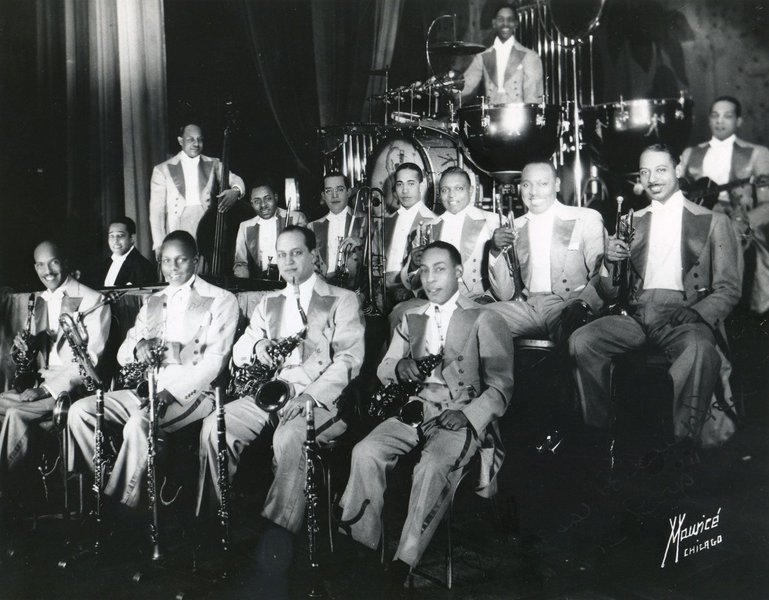
Duke Ellington leading his orchestra - pioneers of swing music
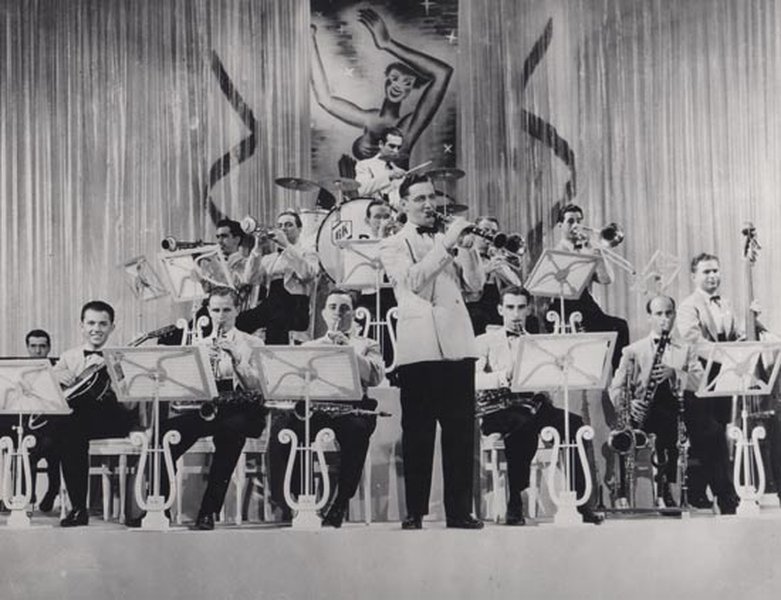
Benny Goodman and Gene Krupa - their performances of "Sing, Sing, Sing" exemplified swing rhythm at its most exciting
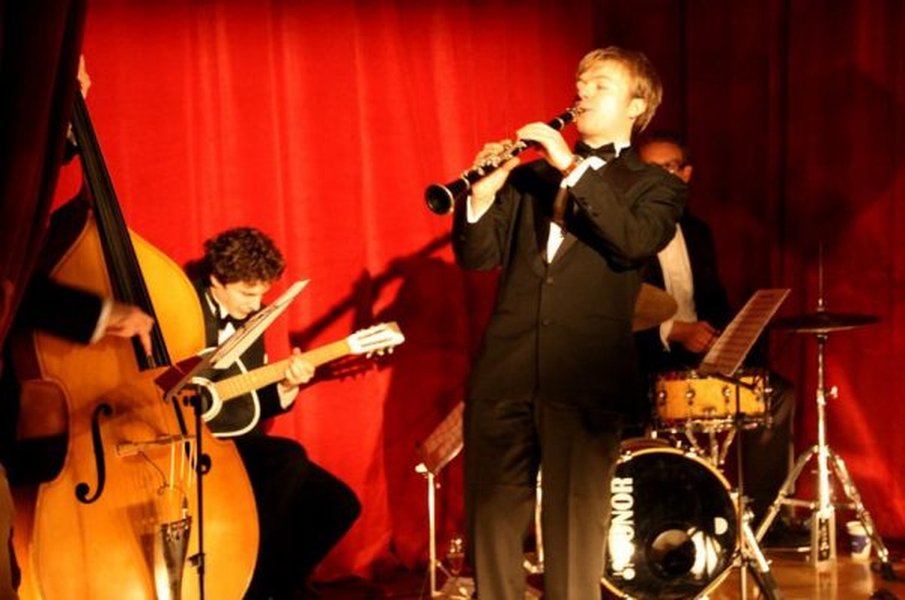
Modern swing bands keep the tradition alive with contemporary performances that honor the rhythmic legacy
Frequently Asked Questions
References
- Pop Songs That Work With Swing - Reddit r/SwingDancing
- 10 Famous Swing Era Songs - The Classic Swing Band
- Rock Songs That Work as Swing Tunes - Mandolin Cafe Forum
- What Song Swings the Most? - Quora Discussion
- Teaching Syncopation: Part One - The Yellow Brick Road
- What Is Syncopation in Music? - Hip Hop Makers
- Understanding Syncopation - Music Theory Academy
- What is Swing? - EarMaster Wiki
Recommended Searches
Last updated April 7, 2025