
Sonnets: A Timeless Poetic Form
An in-depth exploration of sonnets, their structure, history, and enduring influence
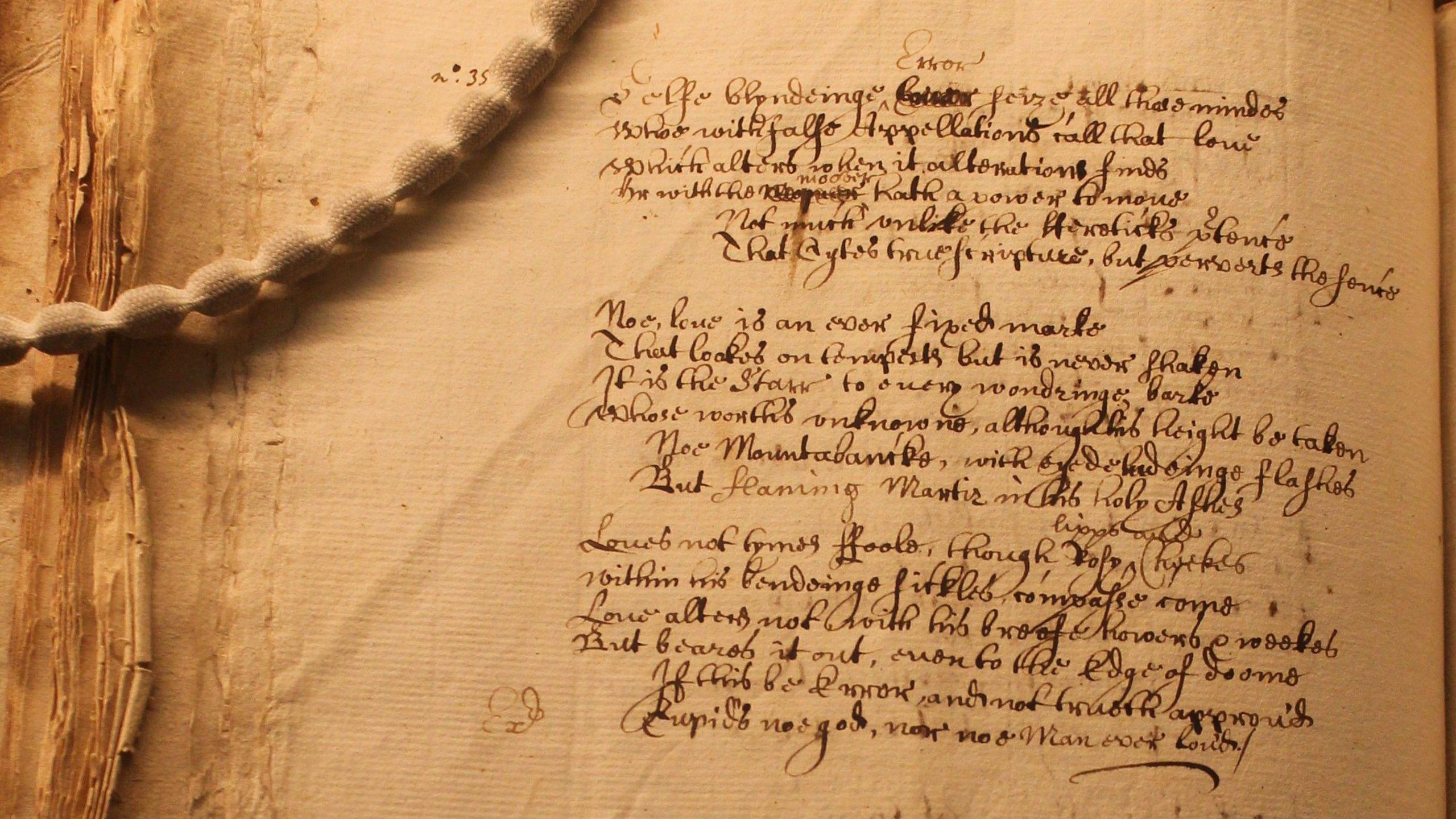
Key Highlights
- Structured Form: Sonnets are precise 14-line poems usually written in iambic pentameter with distinct rhyme schemes.
- Historical Roots: Originating in Italy and perfected by poets like Petrarch, the sonnet form has evolved over centuries.
- Varied Types: Distinguished variations exist including the Italian (Petrarchan), English (Shakespearean), and Spenserian sonnets.
Understanding the Sonnet
Definition and Origins
A sonnet is a poetic form comprised of 14 lines traditionally written in iambic pentameter, a rhythmic style wherein each line contains roughly 10 syllables arranged in alternating unstressed and stressed beats. The term “sonnet” originates from the Italian word “sonetto,” meaning “little song,” which in turn derives from the Latin “sonus,” referring to sound. This form of poetry emerged in the 13th century in Italy, notably at the Sicilian court of Frederick II, where innovators like Giacomo da Lentini are credited with developing this lyrical framework.
Over time, the sonnet became a significant medium for personal expression, encapsulating themes ranging from love and beauty to introspection, nature, and even social commentary. Its evolution reflects centuries of literary tradition, with each era adding layers of complexity and nuance to its structure and thematic scope.
Historical Development and Cultural Impact
Italian Beginnings
The origins of the sonnet are deeply rooted in Italy. Giacomo da Lentini is often recognized as one of the earliest practitioners of this form. However, it was the eminent poet Francesco Petrarch who popularized the sonnet, creating a template that would influence much of European literature. The Italian or Petrarchan sonnet typically divides into an octave (8 lines) and a sestet (6 lines). The octave, with its strict ABBAABBA rhyme scheme, introduces a problem or significant emotional tension. The sestet then either resolves the quandary or responds with an elegant counterpoint. This division not only enhances the poem's dramatic narrative but also establishes a clear-cut shift, often signified by a "volta" or turn in the argument.
Transition to the English Tradition
The sonnet journeyed northwards into England, where poets such as Sir Thomas Wyatt and Henry Howard, Earl of Surrey, adapted it to the vernacular. In the English tradition, famously epitomized by William Shakespeare, the sonnet was restructured into three quatrains followed by a concluding couplet. This form, known as the Shakespearean sonnet, explores themes with a narrative progression that gradually builds tension, ultimately culminating in a final, often surprising couplet that offers resolution or a poignant reflection.
Key Structural Elements
Iambic Pentameter
One of the defining characteristics of a sonnet is its use of iambic pentameter. This metric pattern features five pairs of alternating unstressed and stressed syllables per line, providing a rhythmic and harmonious flow to the poem. For instance, a classic Shakespearean sonnet line may be rendered as:
\( \text{\it{Shall I compare thee to a summer's day?}} \)
This meter not only aids in the musical quality of the sonnet but also serves as a structural framework that challenges poets to express complex emotions and ideas within a tightly controlled format.
The Rhyme Scheme
Sonnets are celebrated for their specific and unyielding rhyme schemes. The Italian (Petrarchan) sonnet traditionally adheres to an ABBAABBA octave followed by a sestet that often employs schemes like CDECDE or CDCDCD. In contrast, the English (Shakespearean) sonnet utilizes three quatrains with the rhyme pattern ABAB, CDCD, EFEF, and concludes with a conclusive couplet signified by GG.
A variation on the Shakespearean form is the Spenserian sonnet, devised by Edmund Spenser, which interlocks the quatrains with a rhyme scheme of ABAB BCBC CDCD EE, resulting in a more intricate link between the poem’s stanzas.
Different Types of Sonnets
Overview of Major Variants
While the sonnet remains a singular poetic form, its adaptability has led to the creation of various sonnet types that reflect the cultural and linguistic environments in which they are written. The three main variants include:
| Type | Structure | Rhyme Scheme | Typical Theme |
|---|---|---|---|
| Italian (Petrarchan) Sonnet | Octave + Sestet | Octave: ABBAABBA; Sestet: CDECDE or CDCDCD | Emotional conflict, resolution of love or personal introspection |
| English (Shakespearean) Sonnet | Three Quatrains + Couplet | ABAB CDCD EFEF GG | Developing argument or narrative with a conclusive twist |
| Spenserian Sonnet | Interlinked Quatrains + Couplet | ABAB BCBC CDCD EE | Intricate themes often exploring love, nature, and art |
Each form offers a unique approach to thematic development. The Italian sonnet typically emphasizes a clear division between problem and resolution, while the English sonnet plays with narrative progression culminating in a final, impactful couplet.
The Role of the Volta
The Moment of Change
A salient feature of the sonnet is the volta, or turn. Typically occurring between the octave and sestet in the Italian sonnet or before the final couplet in the English form, the volta signifies a shift in tone, perspective, or argument. This moment is crucial in transforming the initial presentation of a theme into a nuanced resolution or contrast. For instance, a poem might begin by exploring the complexities of unrequited love and then shift to a subtle acceptance or newfound insight in the latter lines.
The volta is not merely a structural requisite but serves as a literary device that deepens the emotional and intellectual impact of the poem. Its precise placement forces both the poet and the reader to engage actively with the evolution of thought and emotion embedded in the work.
Themes and Adaptations
Classic Themes in Sonnetry
Historically, sonnets have been utilized to explore themes of love and romance. The compelling rhythm and structure of a sonnet create an ideal medium for expressing the intricacies of human emotion. However, as literature evolved, the sonnet became a versatile form capable of addressing a broad spectrum of subjects.
Beyond love, poets have utilized the sonnet framework to examine topics such as the beauty of nature, the passage of time, personal introspection, and even political or social issues. The form's inherent discipline encourages a concentration of thought and sentiment, lending itself particularly well to topics that require depth and clarity of vision.
Modern Adaptations
Expanding the Boundaries
In contemporary literature, the sonnet has transcended its traditional boundaries. Modern poets have experimented with the form by blending conventional structures with free verse elements, reimagining the volta, and playing with rhyme schemes to suit current aesthetic sensibilities. This experimentation highlights the form’s enduring flexibility and appeal.
For example, some modern adaptations may deliberately subvert the conventional expectations by introducing irregularities in meter or nontraditional themes such as existentialism, technology, or global concerns. Despite these innovations, the essence of the sonnet as a medium for concentrated emotional and intellectual exploration remains unchanged.
Crafting a Sonnet
Step-by-Step Approach
Crafting a sonnet can be both a creative and disciplined process. Whether you are aiming to honor tradition or innovate upon it, consider the following steps:
1. Choose Your Theme
Begin by deciding on the central theme or emotion you wish to explore. Traditionally, love has been a favorite subject, but you may choose any topic that ignites a strong emotional response or philosophical inquiry.
2. Select a Sonnet Form
Decide whether you want to work with the Italian, English, or another variation such as the Spenserian sonnet. Each form comes with its own set of expectations regarding structure and rhyme scheme.
3. Develop the Structure
Outline your poem’s structure. For a Petrarchan sonnet, plan the division between the octave (introducing a problem or emotion) and the sestet (providing resolution or counterpoint). For a Shakespearean sonnet, plan three quatrains leading up to a memorable final couplet.
4. Write in Iambic Pentameter
Adhere to iambic pentameter to maintain the characteristic rhythm of the sonnet. This aspect of the form requires careful attention to the stress patterns of English words.
5. Incorporate the Volta
Plan where the volta, or turn, will occur. This pivotal moment typically signals a shift in the argument or emotional tone, adding depth to your work.
6. Revise and Refine
Finally, revise your draft carefully. Pay close attention to rhyme, meter, and the emotional progression of your narrative. The disciplined nature of a sonnet demands precision and thoughtful word choice.
Analyzing Notable Sonnets
Historical and Contemporary Examples
Examining famous sonnets can offer invaluable insights into the capabilities and versatility of this poetic form. William Shakespeare’s sonnets, for example, are widely celebrated for their exploration of love, beauty, and mortality. Playful yet profound in their use of language, these sonnets employ the English structure to great effect, ultimately culminating in couplets that often provide a twist or poignant commentary.
In contrast, the Italian sonnets of Petrarch highlight the form’s capability for emotional complexity. The octave and sestet structure allows for a distinct presentation of tension and resolution, where the initial eight lines set a scene of longing or conflict, and the following six lines offer a reflective counterbalance.
Modern poets continue to experiment with the sound and structure of sonnets. While many adhere to the traditional forms, others innovate by integrating contemporary language and themes, thus keeping the form vibrant and relevant to today’s literary landscape.
The Enduring Legacy of the Sonnet
Influence on Literature and Culture
The sonnet’s disciplined structure, combined with its capacity for intense emotional expression, has ensured its prominence in the literary world for centuries. Many of the greatest poets in history, from Petrarch and Shakespeare to modern voices, have engaged with the form not only as a tool for expression but as a means of engaging with the artistic and cultural ethos of their times.
Its enduring legacy is evident in how frequently the sonnet appears in academic curricula, literary anthologies, and even popular media. The sonnet’s ability to encapsulate a succinct yet profound narrative or emotional journey in just 14 lines is unparalleled, making it a revered art form for both writers and readers.
Moreover, the sonnet’s evolution reflects broader historical shifts—its early association with courtly and romantic love has expanded to include explorations of a wide range of human experiences, from existential introspection to social and political commentary. This adaptive quality has helped the sonnet remain fresh and engaging, allowing it to speak to audiences across different eras and cultural milieus.
Technical Mastery and Creative Freedom
While at first glance the sonnet may seem to constrain creative expression with its strict structural demands, many poets find that these very constraints foster creativity. The challenge of working within a fixed format compels poets to choose their words with precision, often leading to inventive uses of language and metaphor.
The interplay between technical mastery and creative freedom is at the heart of the sonnet’s appeal. As poets strive to balance formality with originality, they often produce works that resonate on both an intellectual and emotional level.
Practical Considerations for Sonnet Recipients
How to Appreciate and Analyze a Sonnet
For readers or scholars new to sonnetry, a systematic approach to reading and analyzing a sonnet can deepen one’s appreciation for its artistry. Begin by reading the poem aloud to attune to its rhythm and subtle nuances in tone. Consider the following aspects:
Form and Structure
Identify the specific sonnet form employed by the poet. Look for the division between the octave and sestet in Italian sonnets, or the quatrains and final couplet in English forms. Notice how the structure frames the poem’s argument or emotional progression.
Language and Imagery
Pay close attention to the poet’s choice of language. Metaphors, similes, and other literary devices often feature prominently. Consider how imagery is employed to evoke specific emotions or to build an overarching theme.
The Volta
Locate the volta – the pivotal shift in tone or perspective. Reflect on how this turn impacts your interpretation of the poem, and what it suggests about the poet’s intended message. Understanding the volta can often unlock deeper layers of meaning within the sonnet.
These analytical steps not only enhance one’s understanding of sonnets as literary art but also offer a glimpse into the careful craftsmanship underlying every word and line.
Practical Applications and Creative Inspiration
Using Sonnets in Modern Writing
Today, the sonnet continues to inspire both seasoned poets and emerging writers. Its rich history and technical precision provide a stimulating challenge for anyone interested in poetic expression. Aspiring writers can benefit greatly from experimenting with sonnet forms, whether they choose to adhere to traditional rules or twist them to suit modern themes.
Many writing workshops and online resources encourage the creation and sharing of sonnets as a way to explore language within a structured format. This practice not only hones technical skills but also fosters a deeper appreciation for the historical context and emotional depth of the form.
In academic contexts, the study of sonnets cultivates critical thinking and literary analysis—skills that are transferable to various forms of writing and discourse. Whether analyzing the nuanced shifts in tone or appreciating the balance between constraint and creativity, engaging with sonnets offers readers and writers alike a profound educational experience.
Interpreting Famous Examples
Case Studies in Sonnetry
Let’s consider a brief examination of two seminal examples in sonnet history:
Shakespeare’s Sonnet 18
Widely regarded as one of the most celebrated English sonnets, Sonnet 18 opens with the line “Shall I compare thee to a summer’s day?” and immediately establishes an inviting tone using natural imagery. The poem’s steady iambic pentameter, combined with its elegant shift in the final couplet, encapsulates a timeless meditation on beauty and mortality.
Petrarch’s Sonnets
Petrarch’s contributions to sonnetry offer an early glimpse into the deep emotional and philosophical explorations that the form can achieve. His sonnets often articulate the agony and ecstasy of unattainable love, with the structured octave and resolving sestet perfectly mirroring the internal struggles of the human heart.
The Sonnet in Contemporary Discussions
Legacy in Modern Scholarship
The enduring study of sonnets continues in both academic circles and among literary enthusiasts. Numerous literary forums, scholarly articles, and educational websites provide detailed analyses of sonnet structures, historic influences, and thematic evolutions. Modern curriculum often includes sonnet studies to emphasize how a rigid poetic form can simultaneously embody emotional freedom and artistic discipline.
Digital archives and educational platforms have made the art form more accessible than ever. Researchers and students can explore diverse interpretations through a multitude of online resources that delve into various sonnet incarnations—fostering a global appreciation of this esteemed poetic tradition.
Additional Resources and Further Exploration
Expanding Your Sonnet Knowledge Base
For those inspired to delve deeper into the study or creation of sonnets, numerous resources and academic articles provide detailed examinations of the form’s history, technical aspects, and modern adaptations. Engaging with these materials can offer new insights into how sonnets continue to influence literature, art, and even digital expression.
Additionally, poetry workshops, online communities, and creative writing courses frequently feature sonnet writing challenges, enabling emerging poets to experiment with this classic structure. By embracing both tradition and innovation, contemporary writers can forge new pathways in expressing complex ideas and emotions through the sonnet form.
References
- Sonnet - Wikipedia - Wikipedia
- Sonnet - Definition and Examples - LitCharts
- Sonnet - Literary Devices - LiteraryDevices.net
- Sonnet - Poets.org - Poets.org
- Sonnet - Britannica - Britannica
Recommended Searches
Last updated March 7, 2025