
Sony ZV-E10 II Deep Dive: The Vlogging Powerhouse Reviewed
Unpacking the specs, performance, pros, and cons of Sony's advanced APS-C camera for creators.
The Sony ZV-E10 II emerges as a significant upgrade in Sony's lineup, specifically tailored for vloggers, content creators, and hybrid shooters seeking a blend of portability, advanced video features, and interchangeable lens versatility. Building upon the success of its predecessor, this second-generation model borrows heavily from Sony's higher-end APS-C cameras, aiming to deliver professional-grade results in a compact and user-friendly package.
Highlights: Key Takeaways
- Upgraded Sensor & Video: Features a 26MP APS-C sensor (same as FX30/a6700) enabling high-quality stills and crucially, internal 10-bit 4K/60p video recording, oversampled for exceptional detail.
- Enhanced Usability: Boasts significantly improved battery life thanks to the NP-FZ100 battery, a deeper grip, and a fully articulating touchscreen with improved touch controls and UI rotation for vertical shooting.
- Creator-Focused Features: Includes reliable autofocus with subject detection, dedicated vlogging modes like Product Showcase and Cinematic Vlog, advanced color profiles (S-Cinetone, S-Log3), and a capable built-in directional microphone.
Unpacking the Technology: Core Specifications
The ZV-E10 II represents a substantial leap forward, integrating core components from Sony's more expensive cameras into a vlogging-centric body.
Sensor and Processing Power
The Heart of the Image
At its core, the ZV-E10 II utilizes a 26 Megapixel APS-C Exmor R BSI CMOS sensor. This is the same acclaimed sensor found in the Sony a6700 and the cinema-focused FX30. Paired with the BIONZ XR image processor, this combination delivers excellent image quality, improved low-light performance compared to the original ZV-E10, and enhanced dynamic range. For stills, the native ISO ranges from 100 to 32,000 (expandable to 50-102,400), producing sharp images with good color rendition.
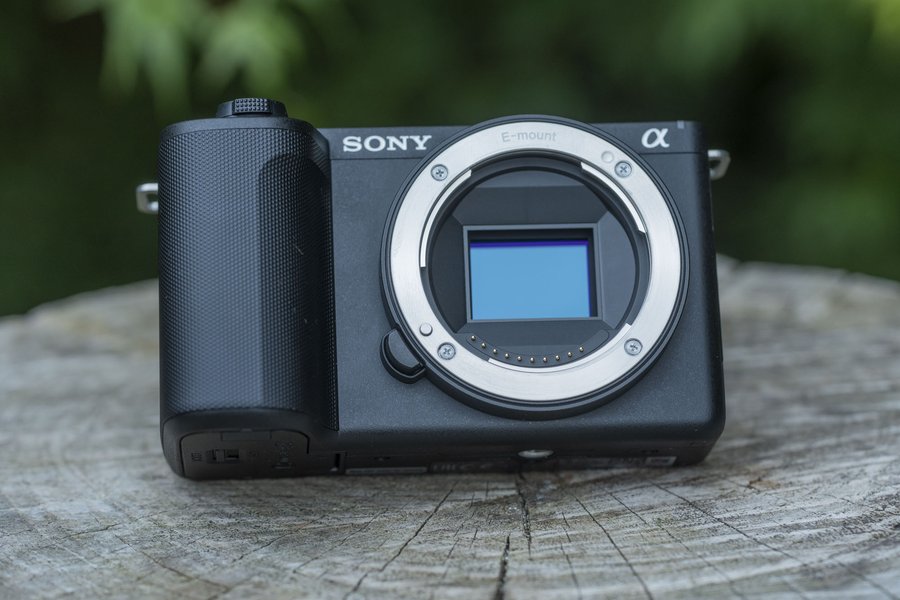
The 26MP APS-C sensor is a key upgrade in the ZV-E10 II.
Advanced Video Capabilities
Cinema-Grade Features in a Compact Body
Video is where the ZV-E10 II truly shines for its target audience. Key upgrades include:
- 4K Video Recording: Internal UHD 4K recording is possible at up to 60 frames per second (fps). Recording at 30p uses the full sensor width, while 60p incurs a slight 1.1x crop. Crucially, the camera oversamples its 4K footage (from 5.6K or 6K, depending on the mode), resulting in significantly sharper video with richer color information.
- 10-Bit Color Depth: The move to internal 10-bit 4:2:0 or 4:2:2 (via HDMI) recording is a major advantage over the original's 8-bit limitations. This provides much greater flexibility for color grading in post-production.
- Professional Color Profiles: Inclusion of S-Cinetone (for pleasing colors straight out of camera), S-Log3, and S-Gamut3.Cine profiles allows users to match footage with professional Sony cameras and maximize dynamic range for grading.
- Creative Modes: Features like the "Cinematic Vlog" setting (2.35:1 aspect ratio, 24p, preset looks) and customizable "Creative Looks" offer stylistic options without extensive editing.
- Slow & Quick Motion: Full HD (1080p) recording is available up to 120fps for slow-motion effects (recorded without audio in S&Q mode).
- Proxy Recording: The ability to simultaneously record low-bitrate proxy files simplifies the editing workflow, especially on less powerful computers.
However, it's important to note the absence of 4K/120p recording, a feature present on the a6700 and FX30 which share the same sensor and processor.
Autofocus System
Fast, Reliable, and Intelligent Tracking
The ZV-E10 II inherits Sony's renowned autofocus prowess. It employs a hybrid AF system with 495 phase-detection points covering a large portion of the sensor for video (759 points for stills). Key AF features include:
- Real-Time Tracking: Sophisticated AI-based subject recognition and tracking for humans (eye/face/body), animals, and birds.
- Product Showcase Mode: A vlogger favorite, this mode quickly and smoothly shifts focus from the presenter's face to an object held up to the camera, then back again.
- Touch Focus & Tracking: Users can tap the LCD screen to select focus points or initiate tracking on a specific subject.
- Focus Breathing Compensation: When used with compatible Sony lenses, this feature digitally corrects the slight change in focal length (breathing) that can occur when adjusting focus, ensuring smoother focus pulls.
The AF system is generally praised for its speed, accuracy, and reliability, particularly in video scenarios.
Stabilization and Shutter
Understanding the Trade-offs
One significant omission is In-Body Image Stabilization (IBIS). The ZV-E10 II relies on lens-based Optical SteadyShot (OSS) if the lens supports it, and electronic stabilization (Active SteadyShot). While Active SteadyShot is effective, it introduces a noticeable crop factor to the footage. This means users needing smooth handheld shots might need to use wider lenses or invest in a gimbal.
The camera also features an electronic shutter only, lacking a mechanical shutter mechanism. While this allows for silent shooting and potentially faster burst rates (up to 11fps), it makes the camera susceptible to rolling shutter artifacts (skewed vertical lines) when panning quickly or filming fast-moving subjects.
Audio Recording
Capturing Clear Sound
Designed for vlogging, the ZV-E10 II incorporates a 3-capsule directional microphone on the top plate. Users can set the directivity to Front, Rear, or All Directions, or let the camera choose automatically based on face detection. A detachable windscreen (often called a "deadcat" or "toupee") is included to significantly reduce wind noise when shooting outdoors. For higher quality audio, standard 3.5mm microphone input and headphone output jacks are provided.

The built-in 3-capsule microphone and included windscreen enhance audio quality for vlogging.
Body, Handling, and Battery
Designed for Creators on the Move
The ZV-E10 II maintains a compact and lightweight profile (approx. 377g with battery and card), making it highly portable. Key design aspects include:
- Improved Grip: A deeper handgrip compared to the original offers a more secure hold, though pairing it with large, heavy lenses can still feel unbalanced.
- Vari-Angle LCD: A 3.0-inch fully articulating touchscreen flips out to the side and rotates, ideal for self-recording and flexible composition. Touch functionality extends to menu navigation and AF point selection.
- Intuitive Controls: Features include a dedicated switch for toggling between Still/Movie/S&Q modes, a zoom rocker (for power zoom lenses or digital zoom), and customizable buttons. The user interface also rotates automatically when shooting vertically.
- Battery Upgrade: Uses the larger NP-FZ100 battery (same as many Sony Alpha cameras), providing a substantial boost in endurance. CIPA ratings suggest around 610 stills or 130 minutes of continuous video recording per charge – a major improvement. Charging is done via USB-C.
- Build Quality: While well-constructed, the body is primarily plastic and lacks weather sealing, making it less suitable for harsh environmental conditions.
- Storage: Features a single SD card slot, which supports the faster UHS-II standard.
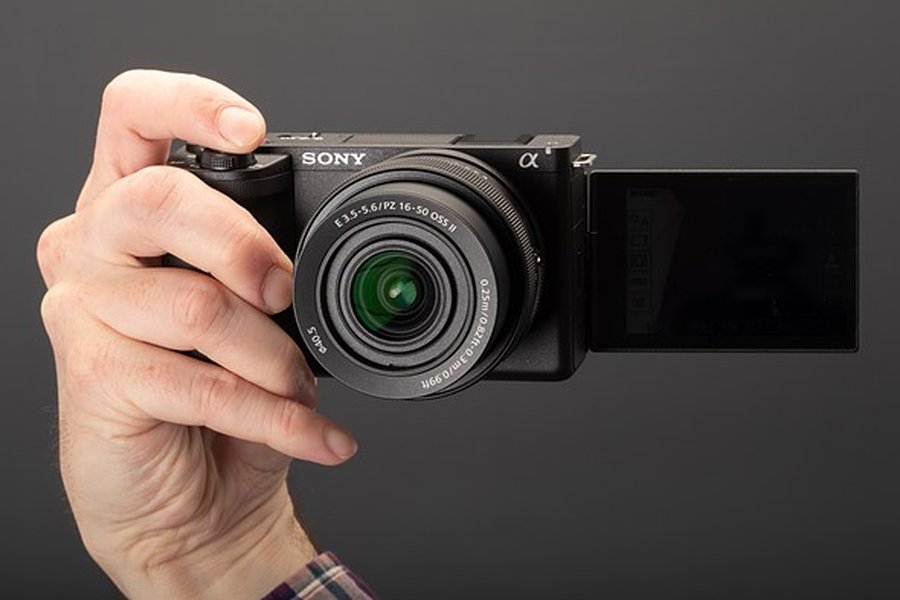
The ZV-E10 II offers improved ergonomics and a versatile vari-angle screen.
Connectivity
Staying Connected
Standard connectivity options include Wi-Fi and Bluetooth for pairing with smartphones via the Sony Creators' App (for remote control, image transfer, and firmware updates). Ports include USB-C (for charging, data transfer, and webcam functionality), Micro HDMI (Type D) output, a 3.5mm microphone input, and a 3.5mm headphone output.
Visualizing the ZV-E10 II's Capabilities
Feature Ecosystem Mindmap
This mindmap provides a visual overview of the core components and feature sets that define the Sony ZV-E10 II:
Comparative Feature Rating
This radar chart offers a visual comparison of the Sony ZV-E10 II against its predecessor (ZV-E10) and a common competitor (like the Canon EOS R50, used here representatively), based on key attributes relevant to content creators. Scores are subjective estimates based on general reviews (scale 1-10, higher is better).
As illustrated, the ZV-E10 II significantly improves upon the original in video quality and battery life, while maintaining strong autofocus and portability. It generally offers a more robust feature set for vloggers compared to many competitors in its price bracket, though the lack of IBIS remains a key differentiator.
Performance in Practice
Video and Image Quality Assessment
Reviews consistently praise the ZV-E10 II for its video output. The oversampled 4K footage is sharp, detailed, and benefits greatly from the 10-bit color depth, especially when using Log profiles. S-Cinetone provides attractive, ready-to-use colors. Still image quality is also strong, leveraging the high-resolution sensor for detailed shots with good dynamic range and color accuracy, comparable to the more expensive a6700.
Low-light performance is considered good for an APS-C sensor, managing noise well at moderate ISOs, though it's not class-leading and noise becomes more apparent at very high ISO settings. The electronic-only shutter can introduce rolling shutter in fast-moving scenes, which is a potential drawback for action shooting or rapid panning.
Autofocus and Tracking Reliability
The autofocus system is a highlight, offering fast, accurate, and tenacious subject tracking that reliably keeps focus on people's eyes or faces, even during movement. The Product Showcase mode works effectively for its intended purpose. The system's performance is considered a major asset for single-person shooters and vloggers.
Handling Overheating Concerns
One recurring point in reviews is the potential for overheating, particularly when recording continuously in the most demanding modes like 4K/60p. Some tests indicate the camera may shut down after around 20-30 minutes of continuous recording at these settings, depending on ambient temperature. While perhaps not an issue for short clips, this could be a limitation for users needing to record long takes (interviews, events) at the highest quality settings. Recording at 4K/30p or using lower bitrates generally alleviates this issue.
Battery Endurance
The switch to the NP-FZ100 battery is universally lauded as a massive improvement. Users can expect significantly longer shooting times compared to the original ZV-E10, making it much more practical for all-day shooting or extended video sessions without needing constant battery swaps or external power.
Video Review: Hands-On Perspective
For a visual walkthrough and expert opinion on the Sony ZV-E10 II's features and performance, this hands-on review from DPReview provides valuable insights:
This review covers many of the key aspects discussed here, including the sensor upgrade, video capabilities, handling, and autofocus performance, offering a practical look at the camera in action.
Summarizing the Strengths and Weaknesses
Here's a breakdown of the primary advantages and disadvantages of the Sony ZV-E10 II based on collective reviews:
| Pros 👍 | Cons 👎 |
|---|---|
| ✅ Excellent 10-bit 4K/60p internal video quality (oversampled) | ❌ No In-Body Image Stabilization (IBIS); relies on lens/electronic stab |
| ✅ Fast, reliable AI-driven Autofocus with excellent tracking | ❌ Electronic stabilization (Active SteadyShot) introduces a crop |
| ✅ Significantly improved battery life (NP-FZ100) | ❌ Potential for overheating during long 4K/60p recording sessions |
| ✅ High-quality 26MP APS-C sensor (shared with a6700/FX30) | ❌ Electronic shutter only (risk of rolling shutter) |
| ✅ Compact, lightweight, and portable design | ❌ No weather sealing for protection against elements |
| ✅ Useful vlogging features (Product Showcase, CineVlog, Directional Mic) | ❌ Increased price compared to the original ZV-E10 |
| ✅ Professional color profiles (S-Cinetone, S-Log3) | ❌ No built-in viewfinder |
| ✅ Fully articulating touchscreen with improved UI and touch controls | ❌ Can feel front-heavy/unbalanced with larger lenses |
| ✅ Capable built-in microphone with windscreen included | ❌ Lacks 4K/120p video recording option |
| ✅ Good value proposition, offering high-end features at a lower price than a6700/FX30 | ❌ Menu system can still be complex for beginners |
Frequently Asked Questions (FAQ)
Is the Sony ZV-E10 II good for beginners?
How significant is the overheating issue?
Does the lack of In-Body Image Stabilization (IBIS) matter?
Is the ZV-E10 II good for photography too?
What are the main upgrades from the original ZV-E10?
Recommended Further Exploration
- How does the Sony ZV-E10 II compare against the more expensive Sony a6700?
- What are the best lenses to pair with the Sony ZV-E10 II for vlogging?
- Are there effective ways to manage or prevent overheating on the Sony ZV-E10 II?
- Can the Sony ZV-E10 II be used reliably for professional client video projects?
References
Last updated May 6, 2025