
Unlocking AI Understanding: How Sortter.fi Can Supercharge LLM Comprehension with Advanced Schema Markup
A deep dive into leveraging structured data to enhance how Large Language Models interpret Sortter.fi's financial offerings.
As a Finnish FinTech company, Sortter.fi specializes in comparing financial services, helping users make informed decisions about loans and other financial products. To ensure Large Language Models (LLMs) and search engines can accurately understand and represent its diverse offerings, integrating advanced schema markup is paramount. This structured data approach translates website content into a machine-readable format, significantly improving how AI systems interpret and utilize information about Sortter.fi's services.
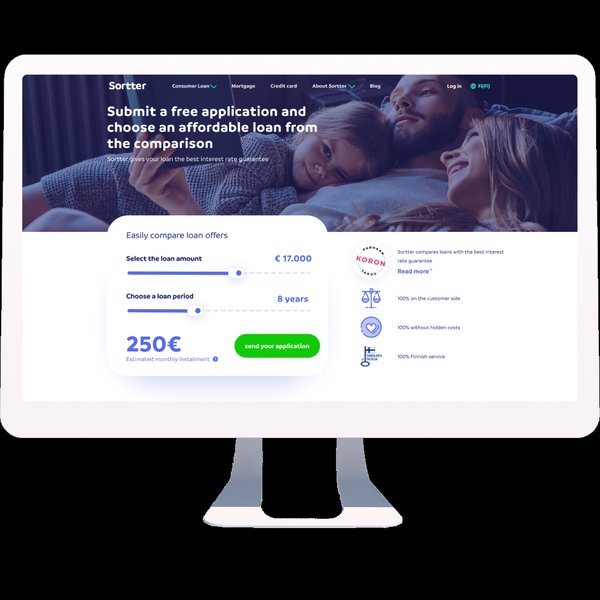
The Sortter.fi platform, offering comparisons of financial products.
Key Insights at a Glance
- Implement Specific Financial Schemas: Utilize
FinancialProductandLoanOrCreditschema types to provide granular details about loan amounts (e.g., €1,000 to €70,000), repayment terms (1 to 20 years), and interest rates (typically 4% to 20%). - Enhance Trust and Clarity: Employ
Organizationschema to detail Sortter.fi's identity (including its Finnish origin and Key Flag Symbol) andOfferschema to specify terms for particular financial deals, building credibility with both users and LLMs. - Adopt JSON-LD for Seamless Integration: Use JSON-LD (JavaScript Object Notation for Linked Data) as the preferred format for embedding schema markup, due to its ease of implementation and wide acceptance by search engines and AI systems.
The "Why": Schema Markup's Critical Role for Sortter.fi and LLMs
Schema markup, or structured data, is a vocabulary of tags added to your website's HTML. It doesn't change how your page looks to humans but provides explicit meaning and context to search engine crawlers and LLMs. For a financial comparison platform like Sortter.fi, this is crucial. LLMs rely on vast amounts of web data for training and information retrieval. Well-structured data ensures these models can:
- Accurately Extract Information: LLMs can more reliably pull specific details like interest rates, loan terms, provider information, and eligibility criteria.
- Improve Query Responses: When users ask AI assistants questions about financial products, LLMs equipped with Sortter.fi's structured data can provide more precise and relevant answers.
- Enhance Visibility: Structured data can lead to rich snippets in search results (e.g., displaying loan ranges or review ratings directly), increasing click-through rates and brand visibility.
- Build Trust and Authority: Clearly defined information about Sortter.fi as an organization, its commitment to fair comparison, and its partnerships contributes to its perceived trustworthiness by AI systems.
By structuring data, Sortter.fi transforms its website into a more intelligible source for LLMs, enabling these AI systems to better serve users seeking financial guidance.
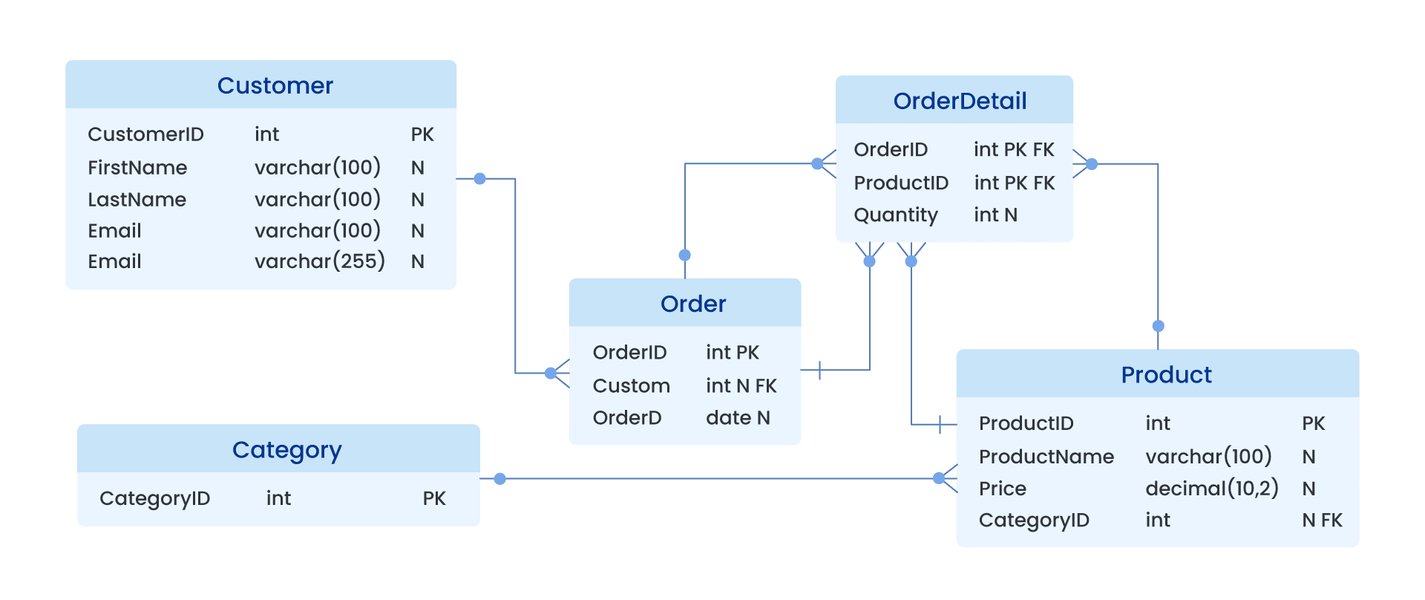
Conceptual representation of how schema organizes data, making it understandable for machines.
Core Schema.org Types for Sortter.fi's Financial Services
To effectively inform LLMs, Sortter.fi should leverage a combination of Schema.org types. Here are the most pertinent ones:
FinancialProduct and LoanOrCredit
Defining the Products
The FinancialProduct schema is the cornerstone for describing any financial service Sortter.fi lists. For loans, the more specific LoanOrCredit subtype is ideal. This allows for detailed markup of:
- Loan Amounts: Specifying ranges, e.g., from €1,000 to €70,000.
- Repayment Periods: Detailing terms, such as 1 to 20 years.
- Interest Rates: Indicating typical nominal interest rates (e.g., 4% to 20%) and Annual Percentage Rates (APR).
- Fees: Clearly listing any associated fees (e.g., origination fees, monthly fees).
- Eligibility Criteria: Defining requirements for applicants.
- Example Calculations: Structuring data for representative loan examples, like a €20,000 loan at 6% interest over 4 years, showing monthly payments and total cost.
Organization
Establishing Identity and Trust
The Organization schema helps LLMs understand who Sortter.fi is. This includes:
- Name and Legal Name: Sortter Oy.
- Location: Highlighting its Finnish origin.
- Contact Information: Official communication channels.
- Awards and Recognitions: Such as the Key Flag Symbol (Avainlippu), signifying Finnish quality and contribution.
- Description: Emphasizing its role as a fair and transparent loan comparison service working with reliable financial institutions.
This schema can also be used for partner banks and financial institutions featured on Sortter.fi, clarifying relationships.
Offer
Detailing Specific Deals
The Offer schema can be linked to FinancialProduct to specify the terms under which a product is available. This is useful for dynamic information like:
- Specific Interest Rates: For a particular offer.
- Availability: Regions or conditions under which the offer is valid.
- Promotional Periods: If applicable.
FAQPage
Answering Common Questions
By marking up Frequently Asked Questions using FAQPage, Sortter.fi can help LLMs find and surface direct answers to common user queries regarding its services, loan application processes, security, etc. This improves the user experience when interacting with AI-powered search or assistants.
WebSite
Site-Wide Context
The WebSite schema provides general information about sortter.fi, including its name, URL, and potentially enabling a Sitelinks Search Box in search results, which can also be parsed by LLMs.
Strategic Importance of Schema Elements for LLM Comprehension
The following chart visualizes the relative impact and strategic priority of various schema markup components for enhancing LLM understanding of Sortter.fi's offerings. "Impact on LLM Comprehension" reflects how much each element helps an LLM understand the services, while "Strategic Priority for Sortter.fi" indicates its importance for Sortter.fi to implement effectively. Both are scaled from 1 to 10 (higher is better/more important; axis minimum is set to 4 for clarity).
This visualization underscores the need for detailed product attributes and accurate technical implementation as top priorities for maximizing LLM comprehension and strategic value for Sortter.fi.
Step-by-Step Guide to Integrating Advanced Schema Markup
Implementing schema markup effectively requires a structured approach:
1. Identify Key Pages and Information
Determine which pages on Sortter.fi contain critical information about financial products, services, the company itself, and FAQs. This typically includes product landing pages, comparison tool pages, 'About Us', and contact pages.
2. Gather and Map Data to Schema Properties
For each identified page, collect the relevant data points and map them to the appropriate Schema.org properties. For instance, on a personal loan page, map loan amounts to loanAmount, interest rates to interestRate, etc.
3. Choose an Implementation Format: JSON-LD Recommended
JSON-LD is the most widely recommended format for schema markup. It's implemented as a script block in the <head> or <body> of your HTML, separate from the user-visible content, making it easier to manage and less prone to breaking page layouts. LLMs and search engines efficiently parse JSON-LD.
4. Generate and Embed Schema Markup
Write the JSON-LD scripts for your pages. You can use online tools like Google's Structured Data Markup Helper to assist in generating the basic structure, then customize it with Sortter.fi's specific details.
Example: JSON-LD for a Sortter.fi Personal Loan
Below is a simplified example of how LoanOrCredit schema might look for a personal loan product on Sortter.fi:
{
  "@context": "https://schema.org",
  "@type": "LoanOrCredit",
  "name": "Sortter Personal Loan Comparison",
  "description": "Compare personal loans from €1,000 to €70,000 with repayment periods of 1 to 20 years. Find competitive interest rates through Sortter's transparent comparison service.",
  "loanType": "PersonalLoan",
  "amount": {
    "@type": "MonetaryAmount",
    "minValue": 1000,
    "maxValue": 70000,
    "currency": "EUR"
  },
  "loanTerm": {
    "@type": "QuantitativeValue",
    "minValue": 1,
    "maxValue": 20,
    "unitCode": "ANN" // ANN for year
  },
  "interestRate": {
    "@type": "QuantitativeValue",
    "minValue": 4.0, // Example minimum nominal rate
    "maxValue": 20.0, // Example maximum nominal rate
    "unitText": "%"
  },
  "provider": {
    "@type": "Organization",
    "name": "Sortter Oy",
    "url": "https://sortter.fi",
    "logo": "https://sortter.fi/logo_url.png", // Replace with actual logo URL
    "award": "Key Flag Symbol"
  },
  "areaServed": {
    "@type": "Country",
    "name": "Finland"
  },
  "brand": {
    "@type": "Brand",
    "name": "Sortter"
  }
  // You can add more properties like 'annualPercentageRate', 'feesAndCommissionsSpecification', 'requiredCollateral', etc.
}
This structured data explicitly tells LLMs the loan's name, description, amount range, term range, interest rate range, provider (Sortter itself, in the role of comparison), and area served.
5. Test and Validate Your Markup
Use tools like Google’s Rich Results Test and the Schema Markup Validator (validator.schema.org) to ensure your markup is syntactically correct and recognized by search engines. This step is crucial to confirm that LLMs will be able to parse the data as intended.
6. Monitor and Update Regularly
Financial products and offers change. Keep your schema markup up-to-date with the latest information on Sortter.fi. Regular monitoring of search engine console reports can also highlight any issues with your structured data.
Visualizing Sortter.fi's Schema Strategy for LLM Understanding
The mindmap below illustrates the interconnected elements of Sortter.fi's strategy to enhance LLM comprehension through advanced schema markup. It shows how core goals, key schema types, implementation methods, and expected benefits all contribute to a more AI-friendly information architecture.
with Schema Markup"] id1["Core Goal:
Improve AI's grasp of financial products"] id1_1["Enable LLMs to accurately process
and present Sortter.fi's data"] id2["Key Schema.org Types"] id2_1["FinancialProduct
(e.g., loans, credit)"] id2_1_1["Attributes:
interestRate, loanTerm, amount"] id2_2["LoanOrCredit
(Specific loan details)"] id2_2_1["Details:
Repayment terms, APR, eligibility"] id2_3["Organization
(About Sortter.fi & partners)"] id2_3_1["Attributes:
name, URL, contactPoint, awards (Key Flag)"] id2_4["Offer
(Specific deals and terms)"] id2_4_1["Attributes:
price, availability, conditions"] id2_5["FAQPage
(Common questions & answers)"] id2_5_1["Improves direct answers
from LLMs"] id3["Implementation Strategy"] id3_1["Use JSON-LD format"] id3_2["Embed in HTML or "] id3_3["Validate with testing tools
(e.g., Google's Rich Results Test)"] id3_4["Regularly update markup"] id4["Benefits for Sortter.fi"] id4_1["Enhanced LLM Accuracy
Precise data extraction"] id4_2["Improved Visibility
Richer search results & AI summaries"] id4_3["Increased Trust
Clear, structured information"] id4_4["Better User Experience
AI assistants provide relevant info"] id5["Data Points to Structure"] id5_1["Loan amounts: €1,000 - €70,000"] id5_2["Repayment periods: 1 - 20 years"] id5_3["Interest rates: 4% - 20% (typical)"] id5_4["Provider details (banks)"] id5_5["Eligibility criteria"]
This mindmap provides a holistic view, connecting Sortter.fi's objectives with actionable schema implementation and the data points that need structuring for optimal LLM interpretation.
Key Schema Types and Properties for Sortter.fi
The following table summarizes essential schema types and example properties relevant for Sortter.fi to inform LLMs about its financial products and services effectively:
| Schema Type | Purpose for Sortter.fi | Key Properties Examples for Sortter.fi |
|---|---|---|
FinancialProduct |
Describe general financial offerings like loan comparison services. | name, description, brand (Sortter), category (e.g., "Loan Comparison Service"), provider (Sortter Oy) |
LoanOrCredit |
Detail specific attributes of loans compared on the platform. | loanType, amount (MonetaryAmount: min/max EUR values), loanTerm (Duration: min/max years), interestRate (QuantitativeValue: min/max %), annualPercentageRate, feesAndCommissionsSpecification |
Organization |
Provide information about Sortter.fi itself and its partner financial institutions. | name (Sortter Oy), url (https://sortter.fi), logo, contactPoint, sameAs (social media profiles), award ("Key Flag Symbol"), description (e.g., "Finnish financial comparison service") |
Offer |
Specify terms for a particular financial product or promotional offer available through a partner. | itemOffered (linking to a FinancialProduct or LoanOrCredit), priceSpecification (details on interest, fees), availability, eligibleRegion (e.g., Finland) |
FAQPage |
Address common user questions about Sortter's services, application processes, and financial products. | mainEntity (containing multiple Question objects, each with an acceptedAnswer) |
WebSite |
Define site-wide information for search engines and LLMs. | url (https://sortter.fi), name (Sortter), potentialAction (SearchAction for internal site search capability) |
By meticulously implementing these schema types, Sortter.fi can create a rich, structured data layer that significantly enhances how LLMs and other AI systems understand and represent its valuable financial comparison services.
Further Learning: Understanding Schema.org
For a foundational understanding of Schema.org and its importance in modern SEO and data structuring, the following video provides an excellent beginner's overview. While the video may discuss general SEO, the principles of structured data are directly applicable to informing LLMs.
"A Beginners Guide to Schema.org" - A helpful introduction to the concepts behind structured data.
This video explains the basics of Schema.org, why it's important for websites to provide context to their content, and how search engines (and by extension, LLMs that parse web data) use this information. Understanding these fundamentals will help Sortter.fi appreciate the long-term value of a robust schema markup strategy.
Best Practices and Considerations
- Accuracy is Key: Ensure all structured data accurately reflects the information on your pages. Misleading data can harm user trust and lead to incorrect interpretations by LLMs.
- Be Comprehensive but Relevant: Provide as much detail as possible using appropriate schema properties, but avoid adding markup for information not present or irrelevant to the page's content.
- Nesting for Clarity: Use nesting of schema types (e.g., embedding
MonetaryAmountwithinLoanOrCreditforloanAmount) to create clear relationships. - Scalability: For websites with many financial products, consider dynamic generation of schema markup through your content management system or backend to ensure consistency and ease of updates.
- Adherence to Guidelines: Follow Schema.org's guidelines and any specific recommendations from search engines like Google for financial products.
- Privacy and Legal: Be mindful of privacy regulations (like GDPR) when structuring and exposing data, especially personal or sensitive financial details. Focus on product features rather than individual user data in public-facing schema.
Frequently Asked Questions (FAQ)
What exactly is schema markup? +
Schema markup (from Schema.org) is a standardized vocabulary of tags that you add to your website's HTML to provide search engines and other applications (like LLMs) with explicit information about your page's content. It helps machines understand the meaning and context of your data, rather than just indexing the text.
Why is JSON-LD recommended for implementing schema markup? +
JSON-LD (JavaScript Object Notation for Linked Data) is Google's recommended format for schema markup. It's typically embedded in a <script> tag in the page's <head> or <body>. This method separates the structured data from the HTML visible to users, making it easier to implement, manage, and less likely to interfere with page rendering. LLMs can also parse JSON-LD effectively.
How does schema markup specifically help Large Language Models (LLMs)? +
LLMs process vast amounts of text data. Schema markup provides this data in a structured, unambiguous format. This helps LLMs to:
- Extract data more accurately: Identifying specific details like interest rates, product names, or company information.
- Understand relationships: Recognizing how different pieces of information connect (e.g., a loan product offered by a specific bank).
- Improve response generation: When an LLM-powered assistant answers a query, it can use structured data to provide more precise and contextually relevant information from Sortter.fi.
- Facilitate data integration: Structured data is easier for LLMs to map and integrate with other datasets or AI tools.
What are the most critical schema types for a financial comparison site like Sortter.fi? +
For Sortter.fi, key schema types include:
FinancialProductand its subtypeLoanOrCredit: To detail loans and other financial offerings.Organization: To describe Sortter.fi itself and its partner institutions.Offer: To specify terms of particular deals.FAQPage: To structure frequently asked questions and answers.WebSite: For general site information.
How often should Sortter.fi update its schema markup? +
Schema markup should be updated whenever the corresponding information on your website changes. For financial products, this could include updates to interest rates, loan terms, availability of products, or details about partner institutions. Keeping schema markup accurate and current is crucial for its effectiveness with search engines and LLMs.
Recommended Next Steps for Deeper Insights
- Explore methods for testing and validating schema markup specifically for financial products relevant to Sortter.fi.
- Investigate advanced techniques for nesting schema types to represent complex financial offerings and provider relationships on Sortter.fi.
- Learn how Sortter.fi can measure the tangible impact of its schema markup efforts on both LLM data interpretation and overall SEO performance.
- Discover common pitfalls when implementing Organization and Offer schemas for financial comparison services like Sortter.fi, and how to avoid them.
References
Last updated May 7, 2025