
Exploring the World of South Asian Noodles
A Culinary Journey Through Diverse Noodle Dishes in Southeast Asia
Key Highlights of South Asian Noodles
- Laksa: A popular spicy noodle soup that embodies the diverse flavors of the region.
- Unique Ingredients: Aromatic spices and fresh herbs are key to distinctive South Asian noodle dishes.
- Cultural Significance: Noodles reflect the rich culinary heritage and traditions of Southeast Asia.
South Asian cuisine boasts a rich tapestry of flavors and culinary traditions, with noodles holding a prominent place in the region's gastronomic landscape. From the bustling street food stalls to the vibrant restaurants, a diverse array of noodle dishes tantalizes taste buds and offers a glimpse into the cultural heritage of Southeast Asia.

A bowl of Penang Laksa, showcasing the rich flavors of South Asian cuisine.
What Defines South Asian Noodles?
South Asian noodles are characterized by a delightful fusion of flavors, often incorporating a harmonious blend of spicy, sour, sweet, and savory notes. This complexity arises from the use of various aromatic spices, fresh herbs, and unique ingredients that define the region's culinary identity.
Key Ingredients and Flavors
The foundation of many South Asian noodle dishes lies in the strategic use of spices and herbs such as:
- Lemongrass: Imparts a citrusy and refreshing aroma.
- Galangal: Offers a pungent, ginger-like flavor.
- Turmeric: Adds a warm, earthy note and vibrant color.
- Chili: Provides varying degrees of spiciness, from mild to fiery.
- Coconut Milk: Contributes a creamy texture and subtle sweetness.
These elements, combined with ingredients like fish sauce, tamarind, and lime, create the signature flavor profiles that distinguish South Asian noodles.
Popular Noodle Dishes
The South Asian culinary scene offers a plethora of noodle dishes, each with its own unique characteristics and regional variations. Here are a few notable examples:
- Laksa: Originating from Malaysia and Singapore, laksa is a spicy noodle soup made with coconut milk, prawns, and various spices. Different regions offer unique takes on laksa, with variations like Curry Laksa and Assam Laksa.
- Mee Goreng: This popular Indonesian fried noodle dish features a savory-sweet sauce, vegetables, and often includes meat or seafood.
- Pad Thai: A well-known Thai dish, Pad Thai combines stir-fried rice noodles with shrimp, tofu, peanuts, and a tangy tamarind sauce.

Another variety of Penang Laksa.
Types of Noodles Used
South Asian cuisine utilizes a variety of noodles, each offering a distinct texture and flavor profile that complements the dish's overall character. Common types of noodles include:
- Rice Noodles: These noodles, made from rice flour, come in various widths, from thin vermicelli to wide, flat noodles.
- Egg Noodles: These noodles, enriched with eggs, have a richer flavor and firmer texture compared to rice noodles.
- Wheat Noodles: Similar to Chinese-style wheat noodles, these noodles offer a heartier bite and are often used in stir-fried dishes.
Regional Variations and Specialties
The beauty of South Asian noodles lies in their regional variations, reflecting the diverse culinary influences and local ingredients of each country. Some notable regional specialties include:
-
Penang Assam Laksa (Malaysia): A tangy and spicy fish-based laksa characterized by its use of tamarind.
-
Singapore Laksa: A sweeter and creamier version of laksa, often featuring coconut milk and curry powder.
-
Hainanese Chicken Rice Noodles: While Hainanese chicken rice is famous on its own, some variations include serving the poached chicken with fragrant rice noodles.
How Noodles are Made
The process of making noodles varies depending on the type of noodle and the culinary traditions of the region. However, some common steps are:
- Mixing: Combining flour (rice, wheat, or a blend) with water and other ingredients like eggs or salt.
- Kneading: Developing the gluten in the dough through kneading, resulting in the desired texture.
- Shaping: Forming the noodles into various shapes and sizes, either by hand or using specialized equipment.
- Drying: Reducing the moisture content of the noodles to prevent spoilage and achieve the desired consistency.
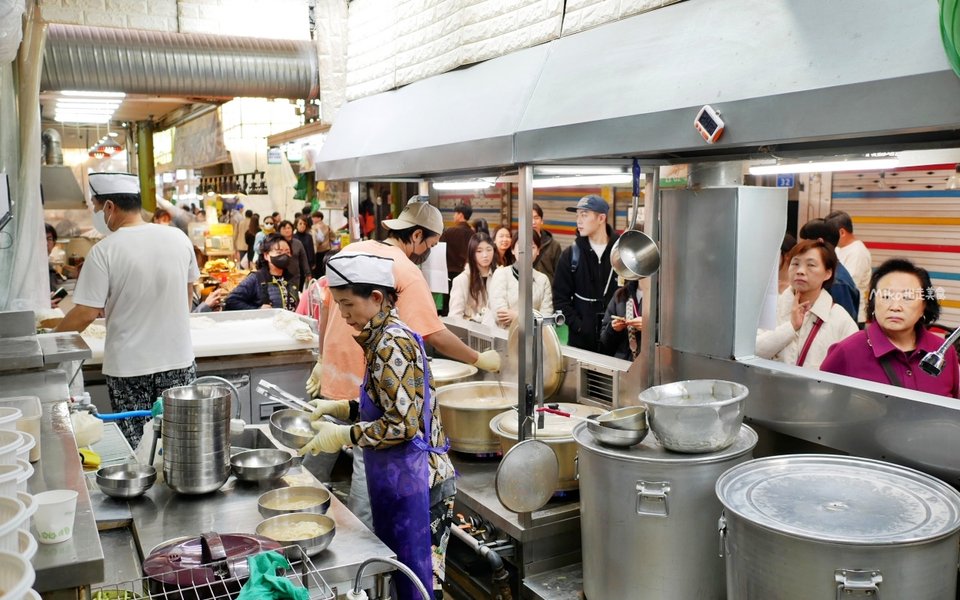
Knife cut noodles.
The Art of Handmade Noodles
In many parts of South Asia, the tradition of making noodles by hand continues to thrive. Skilled artisans meticulously knead, roll, and cut the dough, creating noodles with a unique texture and character that cannot be replicated by machines. This labor-intensive process is a testament to the dedication and culinary heritage of the region.
This video showcases the intricate steps involved in traditional noodle making, highlighting the craftsmanship and techniques passed down through generations. Witnessing this process can provide a deeper appreciation for the art of noodle making and the cultural significance it holds.
South Asian Noodles Table
The table below provides a quick overview of some South Asian noodle dishes, highlighting their key ingredients and characteristics.
| Dish | Origin | Main Ingredients | Flavor Profile |
|---|---|---|---|
| Laksa | Malaysia/Singapore | Coconut milk, prawns, spices, noodles | Spicy, creamy, savory |
| Mee Goreng | Indonesia | Fried noodles, vegetables, sweet soy sauce | Savory-sweet |
| Pad Thai | Thailand | Rice noodles, shrimp, tofu, peanuts, tamarind sauce | Tangy, savory, sweet |
| Hainanese Chicken Rice Noodles | Singapore/Malaysia | Chicken, rice noodles, fragrant broth | Savory, aromatic |
| 客家麵 (Hakka Noodles) | Malaysia | Minced meat, scallion oil, dark soy sauce | Savory, sweet |
FAQ
What makes South Asian noodles unique?
South Asian noodles stand out due to their complex flavor profiles, which often combine spicy, sour, sweet, and savory elements. The use of aromatic spices and fresh herbs further distinguishes these dishes.
What are the main types of noodles used in South Asian cuisine?
Common types of noodles include rice noodles, egg noodles, and wheat noodles, each offering a distinct texture and flavor that complements different dishes.
Can you describe the taste of Laksa?
Laksa is a spicy noodle soup with a creamy coconut milk base. It features a complex blend of flavors, including chili, lemongrass, galangal, and often includes prawns or other seafood.
Are there vegetarian options for South Asian noodle dishes?
Yes, many South Asian noodle dishes can be adapted to vegetarian preferences by substituting meat or seafood with tofu, vegetables, or plant-based protein alternatives.
How can I make South Asian noodles at home?
You can find numerous recipes online and in cookbooks that guide you through the process of making various South Asian noodle dishes. Start with simpler recipes and gradually explore more complex ones as you gain confidence.
References
 twaquaponics.blogspot.com
Last updated April 14, 2025