
Unlocking the Fortress: A Deep Dive into Boxing Guards, Soviet Style Defenses, and Precision Counters
Explore the strategic world of boxing defenses, with a special focus on the disciplined Soviet approach and its effective counter-striking.
Essential Insights: Key Takeaways
- Soviet Boxing is Highly Strategic: It emphasizes discipline, precision, exceptional footwork, and controlling distance, often fighting from the outside.
- The High Guard is Paramount: While various guards exist, the Soviet style heavily relies on a modified high guard, integrated with dynamic footwork and upper body movement, for robust defense and setting up counters.
- Counter-Punching is an Art Form: Soviet boxers are renowned for their timed, precise counters, often launched after disrupting an opponent's rhythm or exploiting openings created by their defensive maneuvers.
A Glimpse into General Boxing Guards
Before delving into the specifics of the Soviet style, it's helpful to understand the common defensive postures, or guards, used in boxing. Each guard offers different advantages and suits various fighting styles.
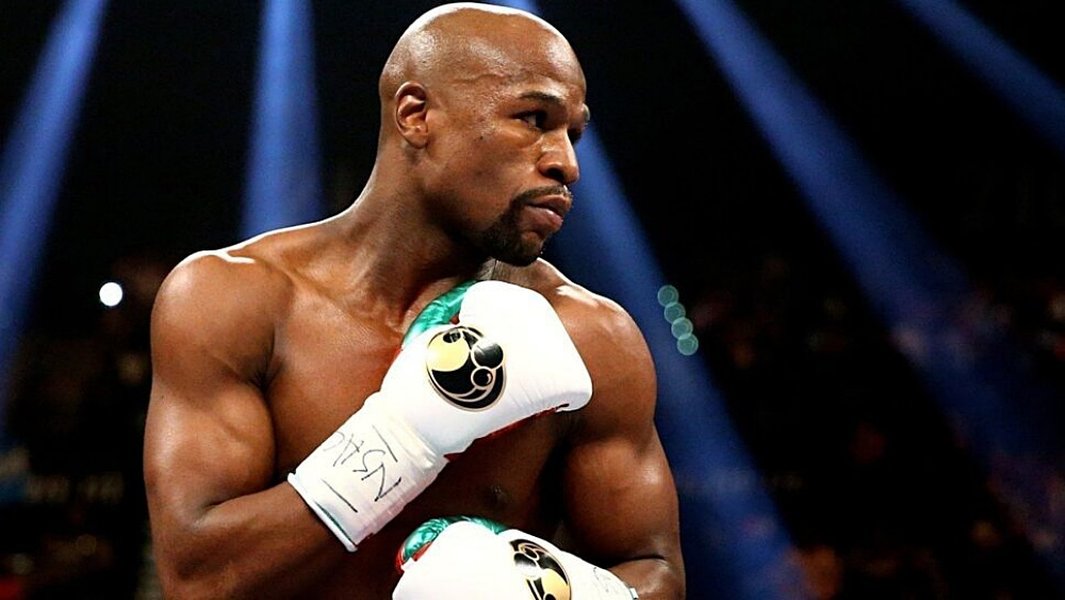
A boxer demonstrating the Philly Shell, a common defensive guard.
Common Boxing Guards:
- High Guard: Hands are held high, close to the forehead or cheeks, to protect the head. Elbows are typically tucked in to shield the body. This is a foundational guard for many styles.
- Philly Shell (Shoulder Roll): The lead shoulder is raised to protect the chin, the lead hand is low (often near the waist) for parrying body shots and jabbing, and the rear hand is positioned near the chin or cheek. It relies heavily on upper body movement and shoulder rolls to deflect punches.
- Cross-Armed Guard: The arms are crossed in front of the torso or face, providing a solid barrier. While effective for blocking body shots, it can limit offensive options and vision.
- Peek-a-Boo: Popularized by Cus D'Amato and Mike Tyson, this guard involves holding the gloves close to the cheeks, with elbows tucked tightly against the body. It emphasizes head movement, bobbing, weaving, and explosive counter-punching from close range.
- Open Guard (Low Guard): Hands are held lower, often inviting opponents to attack, creating openings for counters. This guard relies on superior reflexes, head movement, and footwork.
The Soviet Boxing Style: A Symphony of Discipline and Precision
The Soviet boxing style, developed through rigorous, state-supported training programs, is characterized by its highly technical, strategic, and disciplined approach. It prioritizes scientific methods, ring IQ, and methodical deconstruction of opponents over brute force.
Core Fundamentals of the Soviet Approach
Soviet boxing is built upon several key pillars:
- Technical Prowess: Emphasis on flawless execution of fundamental techniques, including punches, footwork, and defensive maneuvers.
- Strategic Thinking: Boxers are trained to be highly adaptable, analytical, and capable of making intelligent decisions under pressure. Ring IQ is paramount.
- Distance Management: Maintaining optimal range is crucial, often utilizing a long-range approach to control the fight's tempo and minimize risk.
- Footwork: Dynamic and precise footwork, most notably the "pendulum bounce," is a hallmark. This rhythmic movement allows for rapid shifts in distance, angling, and evasiveness.
- The Jab: The jab is a cornerstone, used not just for offense but also to gauge distance, disrupt opponents, set up combinations, and as a defensive tool.
- Physical Conditioning: Rigorous conditioning ensures fighters can maintain technical proficiency and mental composure throughout demanding bouts.
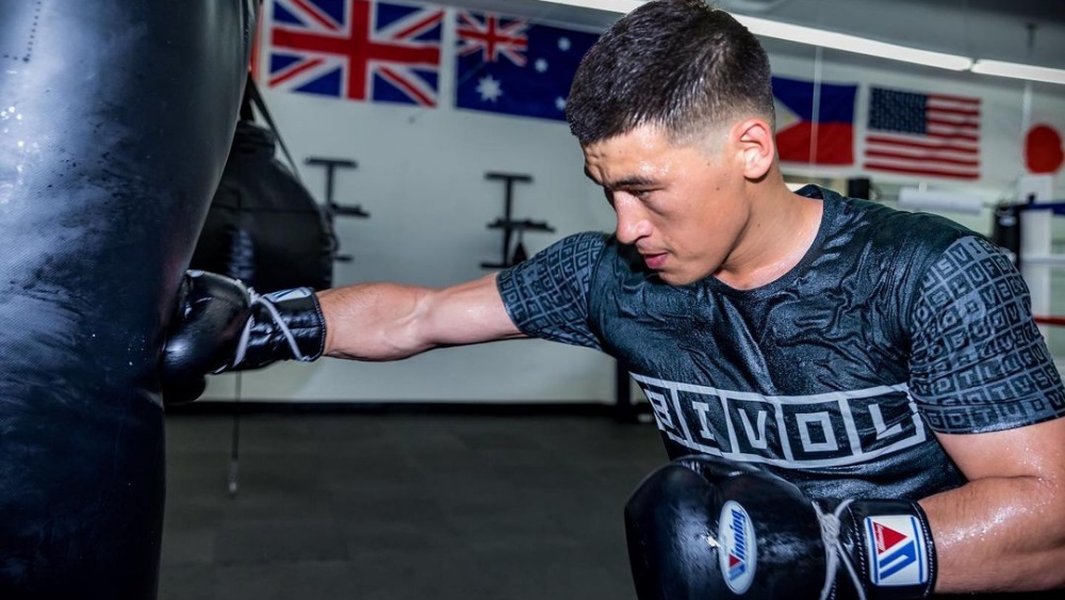
Dmitry Bivol, a contemporary boxer known for his mastery of Soviet-style techniques, showcasing a typical stance.
Guards in Soviet Boxing: The High Guard and Its Adaptations
While aware of various guards, the Soviet style predominantly features a sophisticated version of the high guard. This isn't merely a static defensive shell but a dynamic system integrated with movement and counter-punching intent.
The Soviet High Guard: Characteristics
- Hand Positioning: Hands are held high, protecting the head, with elbows tucked in close to the body to shield the torso. This creates a narrow target.
- Dynamic Nature: Combined with constant upper body movement (slips, bobs) and fluid footwork, particularly the pendulum bounce and lateral shuffles (like the "L-step"). This makes the fighter an elusive target.
- Bladed Stance: Often, a slightly bladed stance is adopted to further reduce the target area and facilitate the jab and movement.
- Active Lead Hand: The lead hand is not passive. It's constantly active – jabbing, probing, feinting, parrying, and controlling the distance. This active defense often transitions seamlessly into offense.
Integration with Other Defensive Maneuvers
The Soviet high guard is complemented by a mastery of other defensive skills:
- Slipping: Moving the head and upper body laterally to make punches miss.
- Ducking (Bobbing): Bending at the knees and waist to go underneath punches, especially hooks and overhands.
- Blocking: Using the hands, forearms, or gloves to absorb or stop incoming punches.
- Parrying: Deflecting or redirecting an opponent's punch with a hand or arm, often creating an opening for a counter.
This "defense-first" mentality allows Soviet-style boxers to remain composed, conserve energy, and patiently wait for or create opportunities to strike.
The Art of the Counter: Soviet Style Precision
Counter-punching is a defining characteristic of the Soviet boxing style. It's not just reactive; it's a calculated and integral part of their offensive strategy, often set up by their defensive acumen and control of distance.
Key Counter-Punching Techniques and Combinations
Soviet boxers are trained to deliver swift, accurate, and powerful counters that exploit openings created by an opponent's attack or their own defensive maneuvers.
- Jab-Hook Combination Counter: A signature sequence. A sharp jab disrupts the opponent's guard or rhythm, immediately followed by a potent lead hook targeting the head or body. This combo showcases technical precision and fluid transitions.
- Counter Lead Hook or Uppercut with Pivoting: Soviet fighters excel at using pivots to evade an incoming punch while simultaneously loading up and delivering a counter, often a lead hook or uppercut. The pivot adds power and changes the angle of attack.
- Pull Counter: A defensive gem where the boxer leans back slightly from the waist (pulls) to make an opponent's straight punch fall short, then immediately counters with their own straight punch (typically a right cross or left straight for southpaws).
- Long-Range Lead Hook: An unconventional and deceptive punch thrown from slightly further out than a typical lead hook. It often surprises opponents due to its angle and timing, sometimes appearing to "whip" around the guard. A small step can be used to close the distance.
- Combining Movement with Counters: Lateral movement, side-steps, and angling are used to evade attacks and simultaneously create advantageous positions for counter-strikes. This keeps the opponent off-balance and guessing.
This video provides a breakdown of the Soviet boxing style, highlighting its unique footwork, defensive tactics, and offensive strategies, including counter-punching. It explores why this style, when executed correctly, can be incredibly difficult for opponents to overcome.
Comparative Analysis of Boxing Styles
To better understand the distinct characteristics of the Soviet style, the radar chart below offers a visual comparison with other notable boxing approaches across several key attributes. This is an interpretative comparison based on stylistic tendencies rather than absolute metrics.
This chart illustrates how the Soviet style excels in areas like footwork, jab utilization, defensive prowess, counter-punching, and strategic complexity, often prioritizing these over raw aggression or sheer power punching compared to some other styles.
Deconstructing Soviet Boxing: A Mindmap View
The following mindmap provides a structured overview of the core components that define the Soviet boxing style, from its foundational principles to specific techniques and notable practitioners.
This mindmap illustrates the interconnectedness of the various elements that constitute the Soviet boxing style, emphasizing its systematic and comprehensive nature.
Soviet Style Guards and Counters: A Quick Reference Table
The table below summarizes key guard characteristics within the Soviet style and the common counter-punching opportunities they enable. This provides a concise overview of the defensive-to-offensive transitions inherent in this approach.
| Guard Type / Characteristic | Description & Use in Soviet Style | Common Counters Enabled |
|---|---|---|
| High Guard + Pendulum Bounce Footwork | Hands held high, protecting the head, combined with rhythmic weight shifting (pendulum bounce) and lateral movement to maintain optimal range, evade attacks, and disrupt the opponent's rhythm. | Jab-hook combination, pull counter, straight counters off slips. |
| Bladed Stance with Active Lead Hand | A narrower target profile is presented. The lead hand is highly active: jabbing, feinting, parrying, and controlling distance, constantly probing for openings and preparing counterattacks. | Lead hook counters, uppercut counters (often with a pivot), rapid fire jabs followed by a power shot. |
| Dynamic Guard + Lateral Movement | The guard is not static but fluid, integrated with side steps, shuffles, and pivots (e.g., L-step). This emphasizes evading pressure by angling off rather than retreating linearly. | Counter punches off lateral evasion, pivoting hooks or straights, intercepting counters as opponent advances. |
| Jab-Heavy Defensive Guard | Constant and strategic use of the jab both offensively and defensively to control pace, measure distance, disrupt opponent's offense, and create openings for more significant counters. | Jab-hook, jab-cross, counters set up by feints off the jab, disrupting opponent's combinations with stiff jabs. |
Notable Fighters Influenced by or Embodying the Soviet Style
Several world-class boxers have demonstrated elements or mastery of the Soviet boxing style, showcasing its effectiveness at the highest levels:
- Sergey Kovalev ("The Krusher"): Known for his technical discipline, powerful jab, sharp counters, and methodical approach, reflecting many hallmarks of the Soviet school.
- Dmitry Bivol: A prime contemporary example, Bivol exhibits exceptional footwork, a masterful jab, a controlled high guard, and precise counter-punching, all characteristic of the Soviet style.
- Gennady Golovkin (GGG): While developing his own unique style, Golovkin's strong fundamentals, powerful and accurate punching, ability to cut off the ring, and iron chin are rooted in the rigorous training traditions of the broader Soviet boxing system.
- Vasiliy Lomachenko: Though highly innovative, Lomachenko's extraordinary footwork, angles, defensive responsibility, and high boxing IQ have foundations in the technical emphasis of the Soviet school.
- Wladimir Klitschko: While adapting his stance, Klitschko's dominant jab, emphasis on distance control, and strategic approach reflected aspects of the Soviet style's methodical nature.
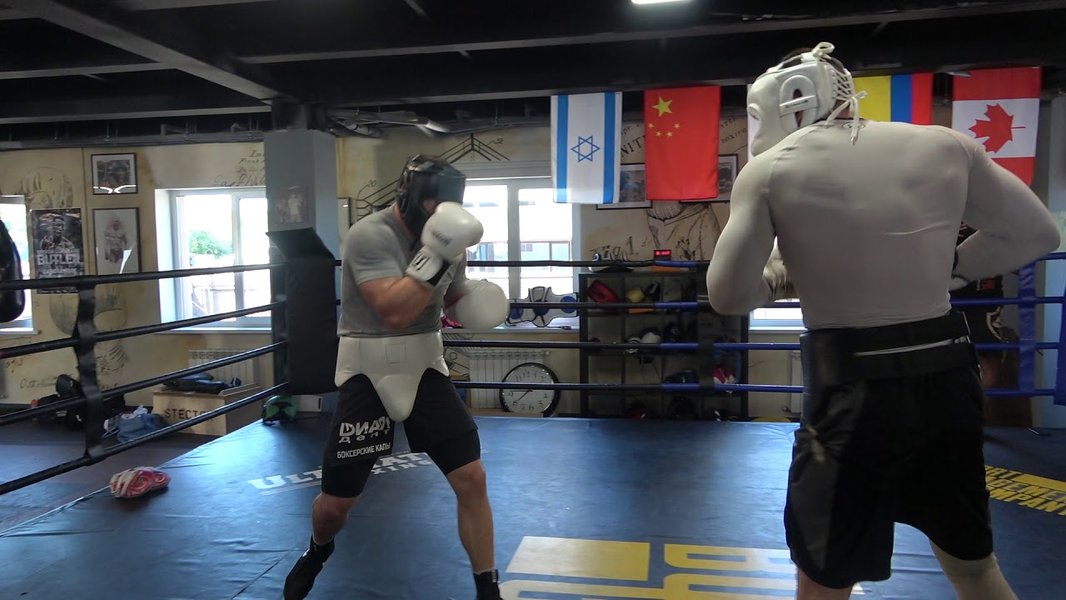
Sparring session, where techniques like those found in the Soviet style are honed.
Frequently Asked Questions (FAQ)
What is the "pendulum bounce" in Soviet boxing?
The pendulum bounce is a characteristic footwork technique involving a rhythmic shifting of weight between the front and back foot, often accompanied by small hops or steps. This allows the boxer to constantly adjust range, create angles, conserve energy, and launch explosive attacks or evasive maneuvers quickly. It makes the fighter a moving target and aids in maintaining balance for both offense and defense.
Is the Soviet style purely defensive?
No, while it emphasizes strong defense and risk minimization ("defense first"), the Soviet style is not purely defensive. Its defensive tactics are intricately linked to creating offensive opportunities, particularly through precise counter-punching. The goal is to control the fight, break down the opponent methodically, and exploit openings with well-timed attacks, rather than engaging in reckless aggression.
How does the Soviet jab differ from other styles?
The Soviet jab is often described as a "whip-like" or "probing" tool. It's used extensively not just to score points but to control distance, disrupt the opponent's rhythm, set up power punches, gauge reactions, and even as a defensive measure to keep opponents at bay. There's a strong emphasis on its speed, accuracy, and strategic application rather than just power.
Can beginners learn the Soviet boxing style?
Yes, beginners can learn the fundamentals of the Soviet style, but it requires significant dedication to mastering the basics, particularly footwork and the jab. Its emphasis on technique, discipline, and strategic thinking can provide a strong foundation for any boxer. However, achieving proficiency in its more nuanced aspects, like the pendulum bounce and sophisticated counter-punching, takes considerable time and practice.
Recommended Further Exploration
To deepen your understanding of boxing techniques and strategies, consider exploring these related queries:
- What are some advanced footwork drills specific to the Soviet boxing style?
- How can one effectively counter aggressive pressure fighters using Soviet boxing principles?
- What is the role of feints in setting up counters within the Soviet boxing system?
- How do the training methodologies of Soviet boxing compare to those of other prominent national boxing schools?
References
Last updated May 18, 2025