
Space Tourism Investment Opportunities and Challenges
Exploring a frontier of substantial rewards and notable risks
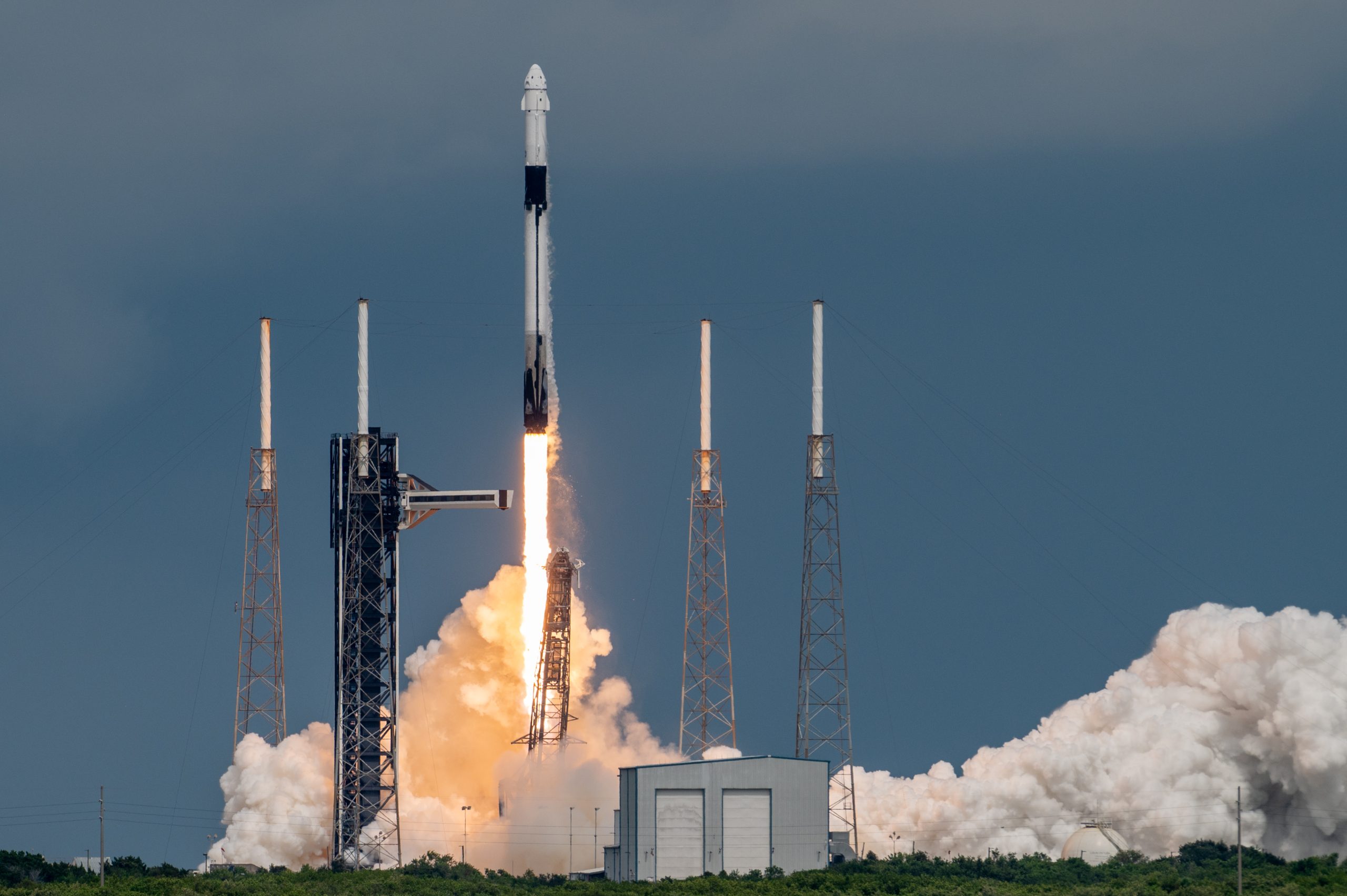
Highlights
- Market Growth and Technological Innovations: Space tourism is set to grow rapidly due to advancements in spacecraft design and reusable rocket technology.
- Diverse Investment Sectors: Investors can explore opportunities in orbital and suborbital tourism, satellite communications, and human habitats.
- Regulatory, Safety, and Environmental Challenges: Success in this market depends on overcoming high costs, complex regulations, and ensuring sustainable practices.
Introduction
The space tourism industry has evolved from being a futuristic vision to a tangible market offering significant investment opportunities. As commercial entities like SpaceX, Blue Origin, and Virgin Galactic push the envelope of innovation, investors are presented with a dynamic and rapidly growing market. However, with these opportunities come considerable challenges that include expensive technological requirements, stringent regulatory landscapes, safety concerns, and sustainability issues. This comprehensive analysis explores both the potential benefits and inherent challenges associated with investing in space tourism.
Market Overview
Global Growth Projections
Projections indicate that the space tourism market could expand to as much as USD 6.7 billion by 2030 with a compound annual growth rate (CAGR) in the neighborhood of 31.6% from 2024. Notably, the suborbital tourism segment is expected to contribute approximately USD 2.8 billion, while the orbital tourism market could see even higher growth rates, estimated around 33.3%. Beyond space tourism, the entire space economy – which includes satellite communications, space technology infrastructure, and innovations in human habitats – is predicted to reach USD 1.8 trillion by 2035.
Technological Advancements
Technological innovations are at the core of the space tourism boom. Reusable rocket technology is one of the key advancements that have drastically reduced the costs associated with launching spacecraft. Companies pioneering these technologies are not only making space travel more accessible but are also improving safety standards, passenger comfort, and overall operational efficiency. Ongoing research into reducing startup costs and streamlining flight operations is expected to further democratize access to space, although these innovations come with high research and capital expenditures.
Investment Sectors
Investment in the space tourism industry is not confined solely to the operational flights. Opportunities extend to various interconnected sectors such as satellite communications, space technology R&D, and even the development of human habitats in space. Investors can also explore diversified investment avenues such as space-focused exchange-traded funds (ETFs) and venture capital opportunities in emerging startups. The trend of massive investments, including those by billionaires and large private companies, underscores the belief in the long-term viability and growth of the space tourism sector.
Investment Opportunities
Company Investment Options
A wide range of company-focused investment options exists within the space tourism market. Major players have established themselves as pioneers in this field:
- Companies like SpaceX continue to lead innovation with plans that include orbital tourism and lunar missions.
- Virgin Galactic and Blue Origin have been at the forefront of suborbital travel, each establishing safe and repeatable launch systems designed for tourist markets.
- Emerging players such as Rocket Lab are creating niche opportunities, especially as they develop technologies aimed at reducing costs and improving passenger experiences.
Diversified Investment Strategies
Investors looking to tap into the potential of space tourism can consider a range of strategies:
- Direct Equity Investments: Buying stocks in companies heavily involved in space travel, such as leading aerospace and defense organizations.
- Exchange-Traded Funds (ETFs): These funds provide diversified exposure to the aerospace and space tourism segments, balancing risk with potential returns.
- Venture Capital Initiatives: Investing in early-stage companies can be high-risk but offers the possibility of high returns as technology breakthroughs occur.
- Partnerships and Collaborations: Strategic partnerships can allow investors access to proprietary technology and emerging market trends, providing a long-term growth trajectory.
Sector Specific Opportunities
The industry is multi-faceted with opportunities spanning several interrelated sectors:
- Orbital vs. Suborbital Tourism: While suborbital flights are designed to offer a brief experience in space, orbital missions are targeted at a more exclusive clientele planning for longer durations in space.
- Infrastructure Development: Investment in supportive infrastructure, such as specialized spaceports, advanced training facilities, and even private space stations, is critical for the market’s expansion.
- Technology and Innovation: Research and development in propulsion, life support systems, and safety enhancements keep the sector vibrant and open to breakthroughs that could lower operational costs substantially.
- Human Habitats and Long-Duration Missions: One area garnering considerable attention is the prospect of developing human habitats in space. These ventures hold promise for future space settlements and related tourism experiences.
Regional Growth Dynamics
Regional expansion is an important consideration for prospective investors. The United States remains a primary market, but significant growth is anticipated in regions like China, which is witnessing an impressive growth rate, and in other areas including Europe, Japan, and other parts of Asia-Pacific. Such regional diversity presents various risk-adjusted opportunities depending on local regulatory environments and technological infrastructures.
Challenges and Barriers
High Costs and Financial Risks
Space tourism remains a capital-intensive venture. The requirement for state-of-the-art technology, robust safety protocols, and infrastructure development demands significant initial investments. This high cost base, combined with technological uncertainties and market saturation risks, results in financial volatility. While advancements in reusable rocket technology are reducing some of these costs, investors must remain cautious. The nature of the market means that even small setbacks in technology or safety can have outsized financial repercussions.
Safety and Regulatory Hurdles
Safety is the most critical aspect of the space tourism industry. Any incident in space travel can not only lead to a loss of life but also diminish public confidence dramatically. This aspect necessitates rigorous safety protocols and continuous improvements in spacecraft design. Moreover, the regulatory environment, which varies significantly by region, poses additional challenges. Governments and international bodies are still developing comprehensive frameworks to manage liability, airspace rights, and traffic control in space. Such regulations can delay operations and add another layer of complexity for investors.
Environmental and Ethical Considerations
As space tourism expands, so does its environmental impact. The process of launching rockets is resource-intensive and contributes to a significant carbon footprint. Environmental sustainability is an emerging concern that requires investments in research geared towards developing greener propulsion systems and recyclable materials. Furthermore, ethical considerations such as resource depletion and the potential over-commercialization of space raise questions about long-term viability. Investors must weigh these environmental costs against the potential returns and consider supporting companies with robust sustainability practices.
Market Saturation and Public Perception
With increased players and investment interest, there is a risk of market saturation where the supply of space tourism experiences might exceed demand. Maintaining the novelty and allure of space tourism is crucial to sustaining high levels of customer engagement and investor confidence. Public perception, in turn, can have a significant impact on regulatory policies and company valuations if a major incident occurs. Continuous innovation and clear communication about safety and sustainability efforts are vital to preserving public trust.
In-Depth Analysis and Strategic Approaches
Evaluating Profitability and ROI
Evaluating investment returns in the space tourism sector involves a thorough understanding of both short-term earnings and long-term market dynamics. While the high initial investment can be daunting, the potentially enormous payoffs—for instance, significant market values as projected for upcoming years—present a compelling business case. Investors are encouraged to conduct comprehensive due diligence, considering financial models that account for variable market conditions, technological dependency, and scalable cost reductions over time.
Risk Management and Mitigation
The inherent risks of space tourism necessitate a multifaceted risk management strategy. Diversifying investments across different companies and related sectors can reduce exposure to any single point of failure. In addition, investors should monitor regulatory developments and technological advancements closely, as shifts in either can have immediate implications on market performance. Incorporating contingency funds and adaptive investment strategies enhances the potential to manage downturns effectively.
Strategic Partnerships and Networking
Building robust networks and strategic partnerships plays a significant role in navigating the complexities of space tourism. Engaging with industry experts, aerospace engineers, and regulatory advisors provides invaluable insights that may not be immediately apparent from financial analyses alone. These partnerships help in anticipating industry trends, understanding upcoming regulatory changes, and seizing early investment opportunities in emerging technologies and startups.
Comparative Analysis: Key Investment Considerations
The following table offers a comparative summary of the key factors that investors should consider when evaluating opportunities in space tourism:
| Factor | Opportunities | Challenges |
|---|---|---|
| Market Growth | High projected CAGR Expanding global demand |
Market saturation risks Long lead-times for returns |
| Technological Innovation | Advancements in reusable technology Cost reduction over time |
High R&D investments Potential for technological setbacks |
| Regulatory Environment | Government interest in advancing space policies | Complex and evolving legal frameworks Safety compliance costs |
| Environmental Impact | Investment in sustainable propulsion research | Carbon footprint concerns Resource intensity of launches |
| Investor Diversity | Direct equity, ETFs, venture capital | High financial risk and volatility |
Emerging Trends and Future Outlook
Innovations in Space Infrastructure
One promising trend is the ongoing development of spaceports, training complexes, and even private space stations. These infrastructures are not merely supportive; they promise to be revenue generators in their own right. As tourism expands, the construction of dedicated space travel facilities will lower operational costs and promote the commercial viability of more frequent spaceflights.
Expansion Beyond Flights
Future developments in space tourism are expected to move beyond just flights. Concepts such as space hotels, entertainment platforms in orbit, and scientific research modules are gaining traction. These extended offerings could redefine the tourism experience by creating long-term residential opportunities in space, thereby broadening the revenue base significantly.
Public and Private Investment Trajectories
Increased participation by private companies, along with substantial government investments in space technology, is heralding a more collaborative approach to space tourism. This synergy between the public and private sectors might accelerate improvements in standardization, enhance safety protocols, and foster innovations that make space travel more economically accessible.
Increased Global Reach and Regional Developments
While the United States continues to dominate the space tourism scene, regions like China and emerging markets in Europe and Asia-Pacific are rapidly developing their space industries. Regional growth strategies might include public-private partnerships and tailored regulatory frameworks that cater to local market dynamics, further diversifying and strengthening the global investment landscape.
Conclusion
In summary, space tourism presents a unique and exhilarating investment frontier that promises substantial rewards through its rapid market growth and groundbreaking technological advancements. However, the sector is not without its challenges. High initial costs, complex regulatory environments, stringent safety measures, environmental concerns, and the potential for market saturation remain critical factors that investors must judiciously manage.
A clear takeaway for investors is that while the long-term potential of this industry is enormous—with projections reaching into billions of dollars and a broader space economy valued in the trillions—the path forward requires careful due diligence, diversified investment strategies, and robust risk mitigation practices. Strategic partnerships, targeted investments in emerging startups, and ongoing engagement with regulatory and technological updates are essential to navigating this ever-evolving landscape.
Ultimately, the space tourism industry is characterized by its blend of high stakes and high promise. By embracing these challenges and continually investing in innovative solutions, both established and emerging investors can position themselves at the forefront of a market that is redefining travel, technology, and the very fabric of human exploration.
References
- Space Tourism Industry Research Report 2025-2030 - GlobeNewswire
- Space Tourism Market Report - Dimension Market Research
- Space Economy Investment Opportunities - World Economic Forum
- Space Tourism Investment Opportunities - Wealth Formula
- Investing in the Final Frontier - Moments Log
- The Future of Space Tourism - OurCrowd
- The Economics of Space Tourism - Space Voyage Ventures
- Space Tourism Could Reach $1T - OpenJaw
- Space Tourism Market Size and Forecast - Market.US
Recommended
Last updated February 23, 2025