
SpaceX Starship Launch Update
Comprehensive Analysis of the Latest Starship Test Flight and Second Stage Outcome
Key Takeaways
- Successful Booster Recovery: SpaceX successfully recovered the Super Heavy booster using its innovative robotic "chopsticks" system.
- Second Stage Anomaly: The Starship spacecraft's second stage experienced a critical failure approximately 8.5 minutes into the flight, leading to its loss.
- Developmental Advances: Despite the setback, significant upgrades and hardware changes were tested, laying the groundwork for future missions.
Launch Overview
Launch Details
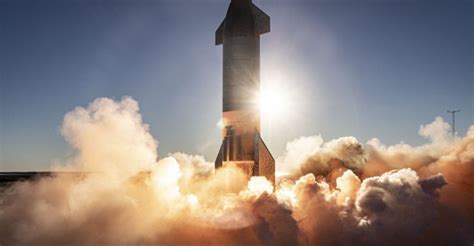
On Thursday, January 16, 2025, SpaceX conducted the seventh test flight of its Starship spacecraft from its Texas launch facility. The mission marked a significant milestone in SpaceX's ongoing efforts to develop a fully reusable spacecraft capable of interplanetary travel and commercial satellite deployment.
The launch proceeded as planned up to the point of stage separation. The Super Heavy booster, the first stage of the launch vehicle, successfully ignited its engines and propelled the Starship spacecraft into the upper atmosphere. Approximately four minutes into the flight, the two stages separated, marking a critical step in the mission profile.
Mission Objectives
The primary objectives of this test flight included:
- Demonstrating the reusability of the Super Heavy booster by returning and landing it safely using SpaceX's robotic "chopsticks" system.
- Testing the Starship spacecraft's ability to perform an ascent burn and reach orbital velocity.
- Deploying a mock satellite payload to evaluate the spacecraft's payload delivery capabilities.
- Assessing the performance of recent hardware upgrades aimed at enhancing the spacecraft's efficiency and reliability.
Second Stage Anomaly
Sequence of Events
The second stage of the launch, comprising the Starship spacecraft, initially performed as expected. After separation from the Super Heavy booster at the four-minute mark, the spacecraft ignited its engines to begin the ascent toward orbit. However, approximately 8.5 minutes into the flight, the mission encountered a critical anomaly.
Telemetry data revealed that only one of Starship's six engines remained operational at the time communication was lost with the spacecraft. This reduction in operational engines significantly compromised the spacecraft's ability to maintain its ascent trajectory. Shortly after, the spacecraft experienced a "rapid unscheduled disassembly," a term used to describe an explosive failure, leading to its loss over the Atlantic Ocean near the Turks and Caicos Islands.
Possible Causes
The exact cause of the second stage's failure is currently under investigation. However, preliminary analysis suggests that the malfunction of five out of six engines played a pivotal role in the spacecraft's inability to sustain its ascent burn. Potential factors contributing to this engine failure include:
- Propulsion System Defects: Despite recent improvements to the propulsion system, unforeseen defects or flaws may have compromised engine performance.
- Structural Integrity Issues: The rapid unscheduled disassembly indicates a potential breach in the spacecraft's structural integrity, possibly stemming from stress during ascent.
- Software Glitches: Faults in the spacecraft's control software could have led to improper engine throttling or shutdowns.
- External Factors: Environmental conditions such as micro-meteoroids or space debris might have impacted the spacecraft during its ascent.
SpaceX's engineering team is conducting a thorough analysis of telemetry data and recovered debris to pinpoint the exact cause of the failure. Understanding this anomaly is crucial for refining the Starship's design and ensuring the success of future missions.
Booster Recovery Success
Reusability Milestone
Despite the setback with the second stage, the mission achieved a significant victory in terms of booster reusability. The Super Heavy booster, after completing its role in propelling the Starship spacecraft, began its descent back to Earth. Utilizing SpaceX's cutting-edge robotic "chopsticks" recovery system, the booster was successfully caught by the launch tower.
This marks the second successful catch of a Super Heavy booster by SpaceX, underscoring the company's advancements in reusable rocket technology. The ability to recover and reuse the booster is a critical component in reducing the overall costs of space missions and sustaining frequent launch schedules.
The successful recovery also provides valuable data on the performance and durability of the Super Heavy booster during multiple flight cycles. This data will inform further enhancements to the booster design, ensuring greater reliability and efficiency in subsequent launches.
Developmental Changes and Challenges
Hardware Upgrades
In preparation for this test flight, SpaceX implemented several developmental hardware changes aimed at enhancing the Starship's performance and reliability. These changes included:
- Repositioned Forward Fins: The forward fins were relocated to better manage reentry heating, ensuring the spacecraft could withstand higher thermal stresses during atmospheric return.
- Propulsion System Improvements: Modifications to the engine design aimed to increase thrust and fuel efficiency, contributing to a more robust ascent capability.
- Increased Propellant Capacity: The spacecraft was outfitted with additional propellant storage, allowing for approximately 300 more tons of fuel, thereby extending its operational range and mission duration.
- Redesigned Upper-Stage Propulsion: The upper-stage propulsion system was overhauled to carry 25% more propellant, enhancing its ability to achieve and maintain orbital velocity.
Performance Analysis
While the second stage failure was a setback, the performance of the upgraded hardware provided insightful data for SpaceX's engineering teams. The repositioned forward fins demonstrated improved handling of thermal loads during the initial phase of the mission. However, the propulsion system improvements did not yield the expected reliability, as evidenced by the engine anomalies observed during the ascent burn.
The increased propellant capacity presented both advantages and challenges. On one hand, the additional fuel extended the potential operational envelope of the spacecraft. On the other hand, managing the increased mass and ensuring the integrity of the propulsion systems under these new conditions introduced complexities that are still being addressed.
Lessons Learned
The failure of the second stage provided SpaceX with critical lessons that will inform the development of future Starship iterations. Key takeaways include:
- Engine Redundancy: The loss of five engines highlights the need for improved redundancy and fail-safes within the propulsion system to prevent total mission failure in the event of multiple engine outages.
- Structural Integrity: Ensuring the spacecraft can withstand unexpected stresses and anomalies during ascent is paramount to mission success.
- Software Reliability: Strengthening the robustness of control software to handle unexpected scenarios without compromising engine performance.
- Enhanced Monitoring: Implementing more comprehensive real-time monitoring systems to detect and address anomalies as they occur, potentially mitigating catastrophic failures.
Implications for Future Missions
Impact on Reusability Efforts
The successful recovery of the Super Heavy booster reinforces SpaceX's commitment to reusable rocket technology. Each successful reuse not only reduces the cost per launch but also accelerates the timeline for deploying large-scale satellite constellations and conducting interplanetary missions.
However, the loss of the second stage underscores the challenges inherent in developing fully reusable spacecraft. Achieving complete reusability requires flawless performance across all mission phases, from initial ascent to orbital maneuvers and reentry. The current setback provides valuable insights into the areas that require further innovation and testing.
Next Steps for SpaceX
In response to the second stage anomaly, SpaceX is likely to undertake the following actions:
-
Comprehensive Investigation: Conducting an in-depth analysis of telemetry data and recovered debris to determine the root cause of the failure.
-
Design Refinements: Implementing design changes to address identified weaknesses in the propulsion system and structural components.
-
Enhanced Testing: Increasing the rigor of ground and in-flight testing protocols to ensure the reliability of new hardware upgrades.
-
Incremental Launchs: Pursuing a series of incremental test flights aimed at methodically validating each component and system before full-scale operational deployment.
-
Collaboration with Experts: Engaging with industry experts and leveraging external research to inform design improvements and mitigate risks.
These steps will not only address the immediate challenges but also contribute to the long-term success of the Starship program, ultimately facilitating SpaceX's vision of making space travel more accessible and sustainable.
Conclusion
The latest SpaceX Starship test flight on January 16, 2025, was a blend of triumphs and tribulations. While the successful recovery of the Super Heavy booster marks a significant advancement in reusable rocket technology, the loss of the second stage underscores the complexities involved in developing a fully operational interplanetary spacecraft.
The mission provided invaluable data on both the strengths and vulnerabilities of the current Starship design. The insights garnered from the second stage anomaly will guide SpaceX's engineering teams in refining the spacecraft, enhancing its reliability, and ensuring the success of future missions.
As SpaceX continues to push the boundaries of space exploration, each test flight serves as a stepping stone toward achieving greater milestones. The lessons learned from this launch will undoubtedly play a pivotal role in shaping the next generation of space vehicles, bringing humanity closer to its goal of becoming a multiplanetary species.
References
Last updated January 17, 2025