
Spain's Support to the American Colonies During the Revolutionary War
An In-Depth Analysis of Spain’s Financial, Military, and Strategic Contributions
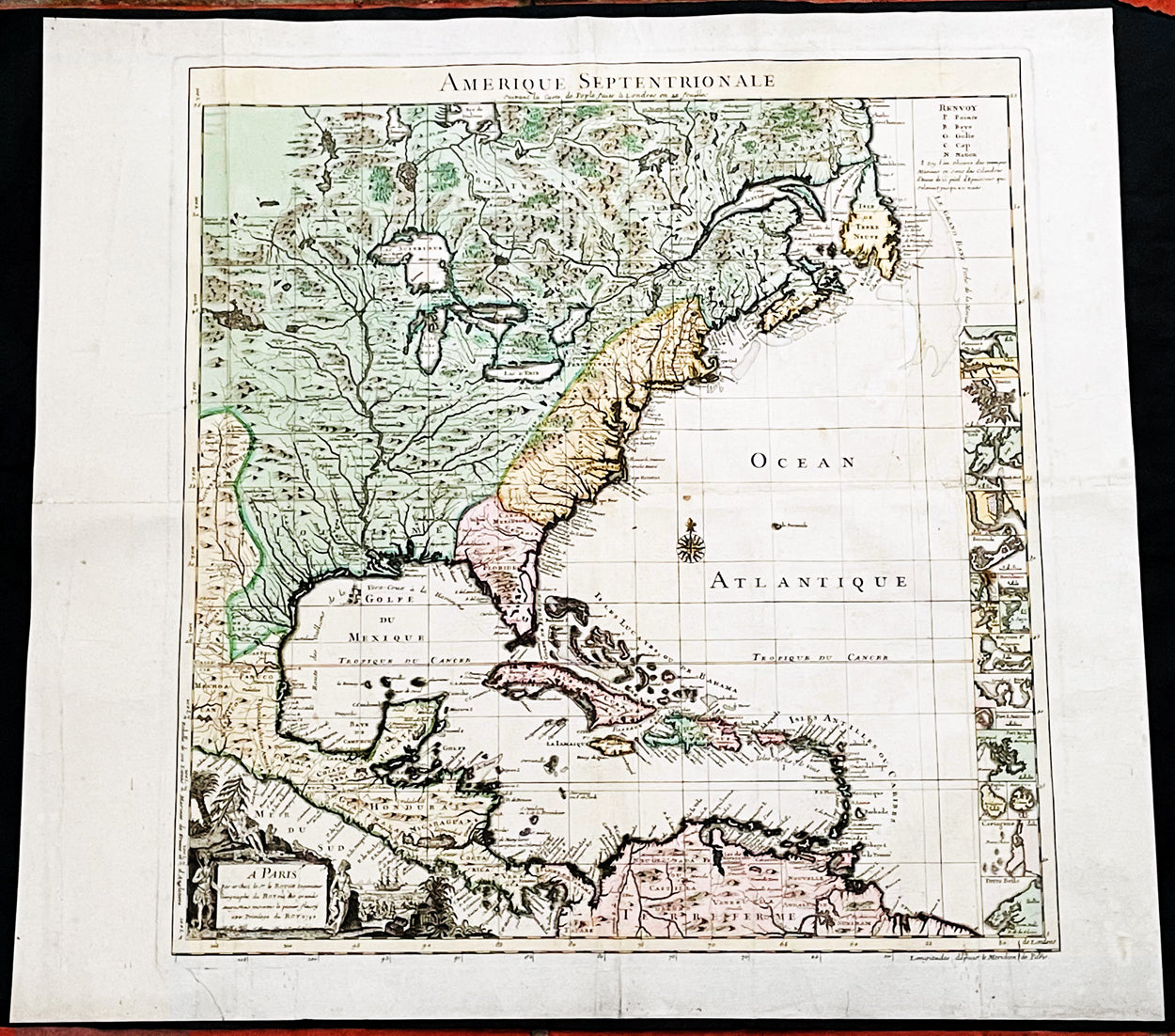
Highlights
- Essential Support: Spain provided financial assistance and military supplies including arms, ammunition, and clothing.
- Direct Military Actions: Spanish forces, notably under Bernardo de Gálvez, engaged British troops and captured key territories such as West Florida.
- Strategic Motivations: Beyond aiding the colonies, Spain aimed to weaken British influence and pursue its geopolitical interests in the Americas.
Overview of Spanish Involvement
Spain’s role in aiding the American colonies during the Revolutionary War has been consistently highlighted by historians as both vital and multifaceted. The contributions of Spain ranged from the provision of financial loans and material goods like arms, ammunition, blankets, and clothing, to engaging directly with British forces through military operations. While popular narratives sometimes simplify the relationship by suggesting that George Washington directly credited Spain with a victory, the historical evidence actually presents a more nuanced panorama. In this analysis, we explore the different dimensions of Spanish assistance, its strategic underpinnings, and the extent to which this support affected the course of the Revolution.
Financial and Material Support
Provision of Loans and Supplies
One of the primary forms of assistance from Spain to the American revolutionary cause was financial. Spanish entities, working sometimes covertly, were instrumental in financing the war effort. Spanish loans were provided to the Continental Army and to other institutions supporting the independence movement. This funding enabled the colonies to purchase and maintain arms, ammunition, uniforms, and other necessary military supplies. The financial aid was often funneled through trusted intermediaries and trading companies, which ensured that the funds reached the intended beneficiaries despite the risks posed by British surveillance and interdiction.
Arms and Ammunition
The Spanish government and associated trading companies not only provided money but also directly supplied a range of military materials. These contributions included muskets, bayonets, cannons, and substantial quantities of gunpowder. The importance of these supplies cannot be overstated; during the protracted conflict, ensuring that the Continental Army had sufficient ammunition and weapons was a cornerstone of maintaining its operational viability. The materials supplied by Spain significantly bolstered the colonies’ capacities to engage British forces in diverse theaters of war.
Provision of Clothing and Blankets
In addition to military hardware, provisions such as clothing and blankets played a crucial role, particularly in maintaining soldier morale and ensuring survival during harsh conditions. Spanish contributions in this category helped mitigate the severe shortages that plagued the Continental Army. Soldiers often faced the dual challenges of inadequate supplies and the rigors of camp life, making this facet of the support as critical as direct military armaments.
Direct Military Assistance
Strategic Military Operations
Beyond material support, Spain's direct military involvement contributed significantly to the overall war effort. Notably, Spanish forces undertook actions that diverted British resources and attention away from the colonies. Spain’s formal entry into the war in 1779 saw its military operations extend to regions such as the Mississippi Valley and the Gulf Coast. Efforts in these regions forced the British to engage on multiple fronts, ultimately reducing their capacity to concentrate forces against the American rebels.
Key Figures and Operations
Among the most celebrated figures in this respect was Bernardo de Gálvez, the governor of Spanish Louisiana. His leadership was marked by aggressive and well-coordinated campaigns against British-held territories. The capture of West Florida, including pivotal operations such as the siege of Pensacola, stands as a testimony to the effectiveness of Spanish military strategy. By seizing key positions, Spanish forces not only weakened British control in the Gulf region but also secured critical supply routes that benefited the American cause.
Diversion of British Resources
The strategic importance of Spain's military actions lies in their indirect effect on the broader conflict. With Spanish forces engaging British troops in various regions, the overall British military presence became diluted, facilitating an environment in which the American colonies could persist and eventually succeed. This diversion was an essential component of a multi-front war, where stretching the enemy's resources contributed to the eventual victory at key battles such as Yorktown.
Strategic and Geopolitical Motivations
Weaken Britain’s Influence
Spain’s involvement in the Revolutionary War was driven by a complex mix of altruistic support for the cause of independence and its own strategic interests. A central motivation was to weaken the long-standing rivalry with Britain. By supporting the American colonies, Spain sought to undermine British power and to create conditions favorable to reclaiming territories lost in previous conflicts like the Seven Years' War. This dual purpose of supporting revolutionaries while simultaneously pursuing national interests exemplifies the pragmatic approaches adopted by European powers during this era.
Alliance with France and Diplomatic Considerations
The cooperation between Spain and France was a critical element in the broader coalition against British rule. Although Spain did not form a formal alliance with the American colonies, its collaboration with France meant that Spanish actions were coordinated with other allied nations. This coordination amplified the effectiveness of the contributions, particularly in military engagements and logistical support. Diplomatic endeavors further solidified Spain's role, demonstrating that its intervention was as much about reshaping geopolitical landscapes as it was about supporting an emerging nation.
Recognition and Legacy
While there are narratives suggesting that George Washington explicitly stated that he could not have won the war without Spanish assistance, historical records indicate that Washington and other American leaders were indeed deeply appreciative of Spain’s contributions. Though direct quotes attributing this sentiment are scarce, commemorative actions such as posthumous recognitions and honorary citizenship bestowed on key Spanish figures serve as tangible evidence of the high regard in which their efforts were held. The subsequent historical legacy reinforces the notion that Spanish participation brought significant strategic benefits to the American cause.
Detailed Analysis and Synthesis
Evaluating the Multifaceted Impact
Historically, the Revolutionary War was a conflict marked by both direct confrontations and deep-seated strategic maneuvers. Spain’s involvement is one such example where material support and military operations combined to produce an outsized effect relative to its nominal distance from the core theatre of operations. This assistance was crucial along several fronts:
First, the timely provision of money and supplies alleviated severe shortages in the Continental Army. Funding from Spanish sources enabled the purchase and transportation of essential goods that played a direct role in maintaining an effective fighting force. Armaments and ammunition, in particular, were the lifeblood of military campaigns, ensuring that American soldiers could continue to resist British advances despite difficult logistic conditions.
Secondly, the direct military interventions by Spanish forces forced Britain to divide its attention and resources. The diversion of British military capacity to counter threats on multiple fronts—ranging from the Gulf Coast to the Mississippi Valley—resulted in the weakening of British conventional strength in North America. This multi-pronged pressure proved advantageous for the American rebels, contributing to the eventual encirclement of British forces in key battles.
Lastly, Spain's strategic motivations intertwined with broader European geopolitics. It was not merely a case of altruistic support for a revolutionary cause; Spain saw an opportunity to shift the balance of power. By acting against Britain, Spain hoped to restore lost territories and curb British dominance. This pragmatic approach has led historians to view Spain's actions as an example of enlightened self-interest—supporting a nascent democracy while simultaneously protecting national interests.
Comparative Contributions: Spain versus Other Allies
Material Support in Context
When compared to other external supporters of the American Revolution, Spain’s contributions were particularly notable for their mix of covert and overt initiatives. Unlike some nations that offered only diplomatic or limited military support, Spain involved itself deeply in both financial and martial aspects of the conflict.
Operational Impact
In military engagements, Spanish operations had a direct operational impact. The successful campaigns led by Spanish commanders not only reclaimed territories but also provided the American forces with strategic advantages. In regions like the Gulf Coast, their victories effectively insulated the fledgling nation from potential external threats and served as a testament to the international dimension of the Revolutionary War.
A Quantitative Snapshot
The table below provides a quantitative summary of the types of support provided by Spain and their corresponding impacts on the American Revolutionary War:
| Type of Support | Description | Impact on the War |
|---|---|---|
| Financial Aid | Loans and funds provided through covert operations and trading companies. | Enabled purchase of arms, supplies, and maintenance of the Continental Army. |
| Military Supplies | Arms, ammunition, blankets, uniforms, and other essential materials. | Ensured that troops had necessary equipment to sustain prolonged military engagements. |
| Direct Military Action | Campaigns led by Spanish generals, notably capturing British-held territories. | Diverted British military resources and lessened the overall threat to the colonies. |
| Logistical Support | Access to crucial ports and supply routes through Havana and New Orleans. | Enhanced the overall supply chain and strategic positioning of American forces. |
Debunking the Simplified Narrative
Was It Solely Spain’s Support?
While it is clear that Spanish contributions significantly bolstered the revolutionary effort, asserting that George Washington unequivocally claimed victory solely because of Spain’s assistance oversimplifies the historical record. Washington and his contemporaries were aware of the contributions from multiple fronts. There was friction and coordination among various European powers and local initiatives that together forged the path to American independence.
In historical discourse, it is more accurate to view Spain’s role as a critical piece of a larger coalition. Washington himself acknowledged in various records that the combined support of France, Spain, and other allies created a strategic environment favorable for victory. Thus, while Spain’s input was indispensable, it was one of several interlocking supports that culminated in the success of the American Revolution.
Interconnected Factors and Broader Context
Spanish involvement went beyond providing mere resources; it created a ripple effect in the broader geopolitical struggle against British dominance. This influence extended into post-war relations and diplomatic recognition, forming part of the foundation upon which the newly created United States built its foreign policy and national identity. The actions taken by Spanish officials during the war have since been memorialized, most notably in the posthumous honors conferred on military leaders as evidence of lasting gratitude.
Conclusion and Final Thoughts
In conclusion, the evidence clearly supports the assertion that Spain was a key supporter of the American colonies during the Revolutionary War. The assistance was multifaceted, including essential financial and material contributions, a range of critical military supplies, and direct military operations that significantly diverted British forces. Moreover, behind each act of support lay strategic motivations aligned with Spain’s intent to counter British power, reclaim lost territories, and secure its own geopolitical interests.
Although there is no documented evidence that George Washington explicitly claimed, “without Spain’s help I would not have won the war,” his actions and the collective recognition by American leaders underscore the undeniable impact of Spanish aid. Washington’s overall acknowledgment of Spain’s contributions in the broader context of multi-national support reflects a deep appreciation for a partnership that transcended simple financial or combat aid. Ultimately, Spain’s substantial engagement—ranging from covert economic support to overt military operations—played a pivotal role in shaping the revolutionary outcome and continues to be recognized as a crucial factor in America’s journey to independence.
References
- Researching the American Revolution - Spain Assistance
- American Revolution - Spain’s Role in the Revolutionary War
- Wikipedia - Spain and the American Revolutionary War
- FamilySearch - Spain in the American Revolution
- Google Arts & Culture - Spanish Assistance in the American Independence
Recommended Further Queries

Last updated February 25, 2025