
Freedom of Speech and Legislative Privileges in the Indian Constitution
Exploring the cornerstone rights and privileges shaping democratic discourse in India
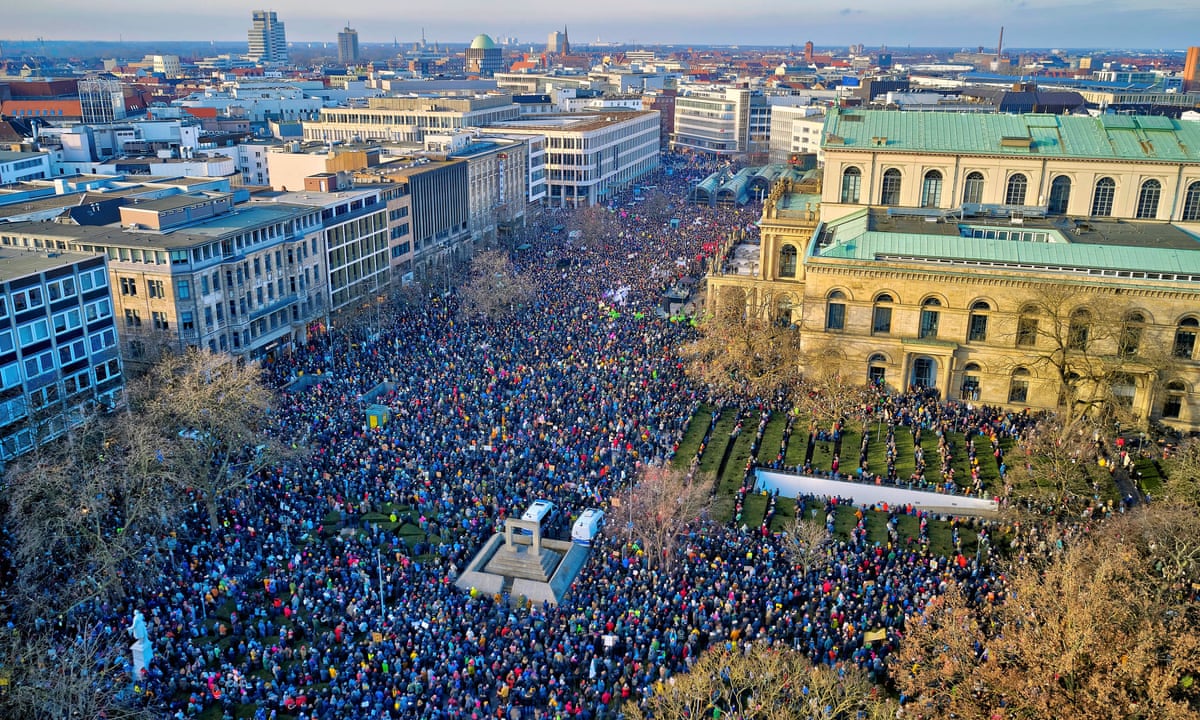
Key Highlights
- Article 19(1)(a) and Article 19(2): Guarantees the freedom of speech with reasonable restrictions for maintaining public order, decency, and state security.
- Legislative Privileges: Articles 105 and 194 provide absolute immunity to legislators during parliamentary proceedings, ensuring open and frank debate.
- Judicial Interpretation: Courts have consistently balanced these rights while upholding democratic principles and preventing abuse of legislative privileges.
Overview of Freedom of Speech in India
Constitutional Foundations of Free Expression
The Indian Constitution enshrines the right to freedom of speech and expression as a fundamental right under Article 19(1)(a). This provision empowers every citizen to articulate their opinions, share beliefs, and disseminate ideas across various mediums including writings, speech, visuals, and the digital press. The underlying principle is to nurture a vibrant democratic society where ideas flow freely and public discourse is encouraged.
However, this right is not absolute. Article 19(2) permits the state to impose reasonable restrictions on freedom of speech. These restrictions are primarily aimed at safeguarding public order, the sovereignty and integrity of India, security concerns, decency, morality, and in certain cases, the interests of friendly relations with foreign states. Such limitations ensure that while individual liberty is respected, it does not compromise the broader societal and national interests.
Article 19(1)(a) in Detail
Article 19(1)(a) provides the citizens with a broad platform to express themselves without undue governmental censorship, which is especially critical in maintaining a healthy democratic environment. The express inclusion of various forms of expression underscores an understanding of the evolving nature of communication, especially in the digital era.
Reasonable Restrictions under Article 19(2)
The limitations articulated under Article 19(2) are designed to strike a balance between individual expression and collective security. These restrictions may be invoked in cases involving national security threats, incitement of violence, defamation, or any expression deemed likely to disturb public order. This legal framework ensures that while citizens can exercise their free speech, it does not translate into actions that may harm societal peace or compromise national stability.
Legislative Privileges and Free Speech
Understanding Legislative Immunity
In addition to the general provision for free speech, the Constitution also provides specific safeguards for lawmakers engaged in parliamentary discourse. These protections are categorized under legislative privileges and are enshrined in Articles 105 and 194 of the Indian Constitution.
The purpose behind these privileges is to ensure that members of Parliament and State Legislatures can engage in uninhibited debate and discussion within the legislative arena, without the fear of reprisal or legal consequences for their statements. This is crucial for maintaining transparency and effective governance, as it enables legislators to represent the interests of their constituents freely.
Article 105: Parliamentary Privileges
Article 105 of the Indian Constitution establishes the framework for absolute freedom of speech for members during parliamentary proceedings. It safeguards legislators from any arrest or legal actions in respect of acts or statements made in the course of legislative debates. This immunity not only protects individual lawmakers but also enhances the overall functioning of the legislative body by promoting vigorous, open, and frank discussion on public matters.
Article 194: State Legislative Immunities
In parallel to Article 105, Article 194 extends similar privileges to members of the state legislatures. Lawmakers at the state level are equally protected against civil or criminal proceedings for expressions made during their legislative functions. This statutory provision underlines the importance of free and forthcoming dialogue at every level of government, ensuring that representatives can voice the concerns and needs of their constituents without hindrance.
Although these privileges offer considerable protection within the parliamentary context, it is important to note that they are not entirely immune to judicial review. Courts retain the authority to interpret the boundaries of these privileges to ensure they are not misused in a manner that would compromise the democratic process.
Legal Interpretations and Case Studies
Impactful Judicial Rulings
Over the years, several landmark judgments have helped define the contours of freedom of speech and legislative privilege in India. These judicial decisions have played a pivotal role in interpreting the constitutional provisions and ensuring that both citizens' rights and legislative immunity are upheld within their intended limits.
Romesh Thappar v. State of Madras (1950)
In this landmark case, the Supreme Court underscored the importance of freedom of the press as an essential element of free speech. The court's decision emphasized that the press plays a crucial role in disseminating information and fostering public debate—a cornerstone of democratic governance.
Maneka Gandhi v. Union of India (1978)
The case of Maneka Gandhi further expanded the interpretation of freedom of speech, affirming its broad application across various forms of expression. The court reiterated that the freedom cannot be confined by geographical or technological boundaries, thereby embracing new media and forms of communication as integral to a free society.
Legislative Cases and Judicial Oversight
There have been cases where the exercise of legislative privileges has been carefully reviewed by the judiciary to ensure they do not contravene other constitutional rights. For example, disputes concerning statements made in the legislative assembly have occasionally necessitated judicial intervention to balance the legislative immunity with the citizens’ right to seek justice.
Comparative Analysis of Freedom of Speech Articles and Legislative Privileges
A Comparative Table
The following table summarizes the key aspects of the constitutional articles related to freedom of speech and legislative privileges:
| Aspect | Relevant Articles | Key Provisions |
|---|---|---|
| Right to Free Speech | Article 19(1)(a) | Guarantees citizens the freedom to express opinions and ideas through various mediums. |
| Restrictions on Free Speech | Article 19(2) | Permits the state to impose reasonable restrictions for reasons such as security, public order, decency, and morality. |
| Parliamentary Privileges | Article 105 | Provides absolute freedom of speech for MPs in the Parliament, protecting them from legal proceedings. |
| State Legislative Privileges | Article 194 | Ensures similar immunity for state legislators in their legislative proceedings. |
Societal Impact and Contemporary Relevance
Balancing Rights and Responsibilities
The constitutional framework pertaining to freedom of speech and legislative privileges is essential for the functioning of a vibrant democracy. Freedom of expression not only allows individuals to challenge social and political norms but also acts as a catalyst for progressive change. The protections afforded by Articles 105 and 194 ensure that debate within legislative halls remains uninhibited, fostering an environment where critical issues can be discussed and debated with vigor.
In modern times, with the widespread use of digital platforms and social media, the dynamics surrounding free speech have become more complex. While the constitutional guarantee continues to empower media and individual voices, the need for reasonable restrictions remains pertinent. These limitations help prevent the spread of misinformation, hate speech, and incendiary content that could destabilize the social fabric.
Democratic Processes and Accountability
The interplay between freedom of speech and legislative privileges reinforces the accountability of public officials. By securing the ability of lawmakers to express their views without external interference, the Constitution ensures that elected representatives can effectively scrutinize government policies, hold the executive accountable, and engage in substantive debates that influence public policy.
Moreover, the judicial oversight concerning both freedom of speech and legislative immunities acts as a necessary check and balance, ensuring that these rights are exercised within the ambit of democratic accountability and do not become a tool for defamation or unqualified abuse of power.
Legislative Debates and Future Considerations
Evolving Interpretations of Free Speech
As India continues to evolve as a democratic nation, the interpretation and application of free speech laws are continually reassessed by the judiciary and legislative bodies. The rapid progress in technology demands that these constitutional rights remain adaptable in order to protect new forms of communication, such as digital journalism and social media expressions, while guarding against potential pitfalls like cyberbullying and online hate speech.
Impact on Media and Journalism
Journalists and media houses benefit significantly from the constitutional guarantee of freedom of speech. This protection is vital for investigative journalism and whistleblowing, which play a key role in uncovering corruption and promoting transparency in governance. At the same time, the legal framework ensures that this freedom is exercised responsibly, thereby protecting individual reputations and preventing undue harm.
Future Legislative Reforms
Given the evolving nature of communication and the increasing complexity of global digital landscapes, there is ongoing dialogue about the need for legislative amendments that might better articulate and safeguard these freedoms. Such reforms would ideally aim to strengthen accountability mechanisms while ensuring that the fundamental rights afforded by the Constitution are not compromised.
References
- Freedom of Speech & Expression - Freelaw
- Freedom of Speech & Expression (Article 19) - iPleaders
- BYJU'S - Freedom of Speech and Expression
- Legislative Privileges in India - Defacto Law
- Freedom of Expression in India - Wikipedia
Recommended Related Queries
Last updated March 8, 2025