
Comparative Analysis of Traditional vs Digital Spelling Instruction
Exploring Dual Coding Theory for Grade 7 Students
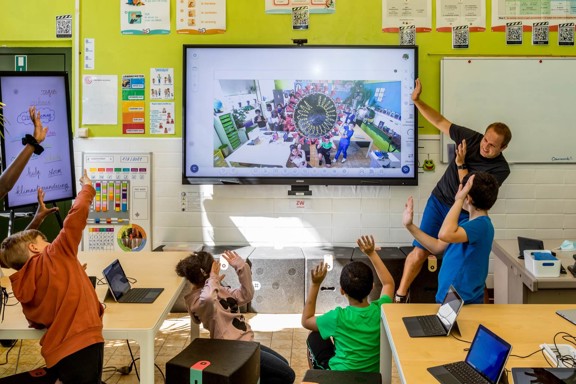
Key Highlights
- Dual Processing Channels: Emphasis on verbal and nonverbal information processing per Dual Coding Theory.
- Instructional Impact: Comparative benefits and constraints of traditional and digital approaches in spelling instruction.
- Enhanced Learning Opportunities: Use of multimedia and interactive methods to engage different learning styles.
Introduction to the Theoretical Background
The purpose of this theoretical background is to develop a comprehensive framework for analyzing the effectiveness of traditional versus digital spelling instruction among Grade 7 students at B. Durano Integrated School. Grounded in Allan Paivio’s Dual Coding Theory (2006), this analysis examines how the integration of both verbal and nonverbal learning channels may impact spelling skill acquisition and retention. Dual Coding Theory posits that the human cognitive system utilizes two distinct but interrelated pathways – one for processing linguistic (verbal) information, and another for processing imagery (nonverbal) content. Understanding these mechanisms can significantly influence the design and implementation of instructional strategies.
Understanding Dual Coding Theory
Fundamentals of Dual Coding Theory
Allan Paivio’s Dual Coding Theory is built on the premise that there exist two separate channels through which cognitive processing occurs. The verbal channel enables the processing of words, sentences, and auditory signals, while the nonverbal channel processes images, videos, and sensory inputs. According to the theory, learning outcomes are significantly improved when instructional methods activate both channels simultaneously. The theory's main principles include:
- Dual Channels: Information is processed and stored in two distinct systems that maintain independent memory traces.
- Associative Connections: Interactions between verbal and nonverbal streams create stronger memory associations.
- Cognitive Load Reduction: By diversifying input through multiple channels, overall cognitive load can be diminished, facilitating deeper learning.
In the area of spelling instruction, the dual advantages of verbal encoding via traditional methods and the enhanced, multimedia capabilities provided by digital tools offer a rich ground for comparison. Traditional techniques typically emphasize the memorization and recitation of words, catering primarily to the verbal system, whereas digital approaches incorporate interactive elements and visual cues to stimulate both channels.
Approaches in Spelling Instruction
Traditional Spelling Instruction
Methodology
Traditional spelling instruction at B. Durano Integrated School generally involves direct teaching methods such as:
- Rote Memorization: Students are provided with word lists and are required to memorize them through repeated practice.
- Spelling Testing: Regular spelling tests and quizzes evaluate the retention and recall of words.
- Teacher-Centered Lesson Plans: Emphasis lies in didactic instruction, with the teacher providing rules, examples, and corrections.
This conventional approach heavily relies on the verbal channel by focusing on linguistic attributes and phonetic clues. However, it often neglects the nonverbal aspects of learning which can be instrumental for visual learners. Limitations inherent in these methods include potential overload in cognitive processing due to repetitive tasks and a lack of interactive engagement.
Digital Spelling Instruction
Methodology
In contrast, digital spelling instruction utilizes technological tools to engage multiple learning modalities concurrently. Key features of digital methods include:
- Interactive Software: Programs that integrate spelling activities with interactive feedback.
- Multimedia Elements: Incorporation of images, animations, and sounds to represent words and their meanings.
- Adaptive Learning Systems: Tools that tailor spelling tasks based on individual student performance and pace.
These digital methods are expressly designed to combine verbal and nonverbal cues, making the learning process more dynamic and accessible for students with different learning preferences. The integration of visuals—such as videos and graphical representations—assists in reinforcing the memory of word structures and spelling patterns, ideally reducing cognitive overload by dispersing learning stimuli.
Comparative Analysis Framework
To comparatively analyze traditional versus digital spelling instruction methods, the study uses a structured framework based on Dual Coding Theory to understand differences in student performance, retention, and engagement. The framework involves evaluating:
Learning Outcomes
Metrics used to compare the effectiveness of the two methods include:
- Accuracy: Assessment through periodic spelling tests to monitor word recall and correct usage.
- Speed of Response: Evaluating the time taken by students to spell words using digital tools versus traditional methods.
- Long-Term Retention: Follow-up assessments to determine how well students retain spelling skills over time.
Student Engagement
Engagement levels are measured by:
- Active Participation: Observations and surveys are used to quantify how engaged students are during spelling exercises.
- Motivation and Interest: Digital methods often incorporate gamification which can increase motivation, while traditional methods may fail to capture interest in longer sessions.
- Feedback Mechanisms: Instantaneous digital feedback vs. delayed feedback in traditional tests.
Cognitive Load Analysis
An essential aspect of the analysis is exploring how each instructional method influences the cognitive load and overall processing efficiency of the students. Digital tools that effectively leverage both verbal and nonverbal channels can reduce cognitive overload by distributing tasks across separate cognitive systems, resulting in:
- Enhanced Memory Storage: By presenting data in dual channels, the encoded information is expected to be more robustly stored in long-term memory.
- Reduced Mental Fatigue: Interactive and visually appealing digital content may lower overall mental stress during learning tasks.
Integrated Comparative Data
Quantitative and Qualitative Metrics
The following table integrates key variables comparing the traditional and digital methods based on Dual Coding Theory. This table summarizes the primary differences in instructional strategy along with expected outcomes on students’ spelling performance.
| Criterion | Traditional Spelling Instruction | Digital Spelling Instruction |
|---|---|---|
| Instructional Approach | Verbal-focused; rote memorization and manual testing | Multimodal; integrated verbal and visual formats including interactive games |
| Cognitive Engagement | Primarily verbal processing with limited visual reinforcement | Simultaneous activation of verbal and nonverbal channels reducing cognitive load |
| Learning Outcomes | May show slower response times and less engagement; moderate retention | Enhanced retention through dual coding, higher engagement, and adaptive learning experiences |
| Feedback Mechanism | Teacher-driven, periodic, and possibly delayed | Immediate interactive feedback through software, supporting timely corrections |
| Student Motivation | Traditional testing may not appeal to all learning types | Gamified elements and multimedia engagement can enhance motivation |
Synthesizing Dual Coding Theory with Practical Application
Integration of Dual Coding Concepts
The Dual Coding Theory forms the backbone of this comparative analysis by underlining not only how information is systematically processed by the brain, but also by demonstrating that effective learning arises from the convergence of verbal and nonverbal data. The theory’s application is two-fold:
Enhancing Memory and Retention
When students are provided with spelling instruction, the traditional approach typically emphasizes auditory and written repetition. Although this may work for encoding the verbal details of words, it often lacks the reinforcement provided by a complementary visual stimulus. In contrast, digital spelling methods introduce images, animations, and interactivity, thereby engaging both memory channels. The visual appeal of digital learning tools, supported by multimedia cues, assists in creating associative connections that facilitate long-term memory retention. According to Dual Coding Theory, when both systems are active, mental representations are more resilient, leading to higher accuracy in word recall and spelling proficiency.
Reducing Cognitive Overload
Cognitive load theory posits that the human brain has limited working memory capacity. In scenarios where teaching strategies heavily rely on a single channel – as seen in traditional spelling methods – students may experience an overload of verbal content. Digital tools can distribute the load by presenting integrated stimuli. For instance, the pairing of spoken word pronunciation with corresponding imagery or animation can lead to a more balanced cognitive distribution. Such strategies not only facilitate learning but also mitigate the potential frustration associated with challenging material.
Empirical Evidence and Educational Implications
Research in educational psychology continues to support the notion that employing dual coding-enhanced techniques in classroom settings significantly improves learning outcomes. Empirical studies have demonstrated that multimedia learning systems can improve test scores, accelerate response times, and boost overall student engagement. In the case of Grade 7 students, who are at a critical stage in language development, the integration of traditional and digital spelling methods can yield a hybrid model that leverages the strengths of both approaches. Such empirical data underscore the potential of dual coding strategies to transform conventional pedagogical frameworks into more dynamic and effective learning environments.
Implementation Strategies in Educational Settings
Designing a Hybrid Spelling Curriculum
A promising avenue for future application is the development of a hybrid spelling curriculum that combines the robustness of traditional methods with the versatility of digital tools. For Grade 7 students at B. Durano Integrated School, teachers can consider the following strategies:
- Supplementing Verbal Lessons: Incorporate digital modules that include language games, sound clips, and interactive quizzes to complement classroom instruction.
- Visual Aids and Infographics: Utilize digital resources like infographics and educational videos that depict spelling rules and the etymology of words, thereby reinforcing the learning material.
- Interactive Feedback: Employ tools that allow for real-time corrections and assessments, reinforcing correct spelling patterns through immediate feedback.
- Adaptive Learning Platforms: Use platforms that adjust the difficulty based on student performance, thus ensuring that both struggling and advanced students are appropriately challenged.
Teacher Training and Technological Integration
The success of digital instructional tools relies heavily on proper teacher training. Educators must be fully conversant with the capabilities and limitations of digital tools to integrate them seamlessly with traditional teaching methods. Professional development workshops that emphasize the practical applications of Dual Coding Theory in the classroom can empower teachers to create balanced curricula. Additionally, investment in technology infrastructure is critical to ensure that digital resources are accessible and reliable for both educators and students.
Future Directions and Research Opportunities
Expanding the Comparative Analysis
Further research in the area of spelling instruction can explore longitudinal studies that track the performance of students over extended periods. Future studies might focus on:
- Longitudinal Data: Analysis of retention and recall over multiple academic years to determine the long-term effectiveness of digital versus traditional instruction.
- Customized Learning Paths: Evaluating how adaptive digital learning platforms cater to individual differences in learning styles and speeds.
- Teacher and Student Perceptions: Qualitative studies that gather feedback from both educators and learners to further refine instructional models based on Dual Coding Theory.
- Integration Across Subjects: Investigating how dual coding principles can be employed not only in spelling but in other language arts components, potentially leading to an integrated curriculum model.
This ongoing research is critical for informing policy decisions and guiding curriculum development at both local and broader educational levels.
Synthesis of Theoretical Concepts with Practical Applications
In synthesizing the theoretical underpinnings of Dual Coding Theory with practical applications in classroom instruction, it becomes clear that the integration of digital tools into traditional spelling instruction is more than a technological upgrade; it is a paradigm shift in educational methodology. By capitalizing on the dual channels of cognitive processing, educators can design lessons that are not only more engaging but also more effective in fostering long-term retention of spelling rules and vocabulary. The comparative analysis, therefore, not only establishes the strengths and limitations inherent in each method but provides a roadmap for combining the best of both worlds in order to offer a comprehensive learning experience that benefits diverse student populations.
References
- Dual Coding Theory (Allan Paivio) - InstructionalDesign.org
- The Dual Coding Theory According to Allan Paivio - Edding
- Dual-Coding Theory - Wikipedia
- Dual Coding Theory and Education - ResearchGate
- Dual Coding - Third Space Learning
Related Queries for Further Exploration
Last updated March 12, 2025