
Unlocking the Intricacies Behind SPI Firewall Protection
Deep dive into how stateful packet inspection elevates network security
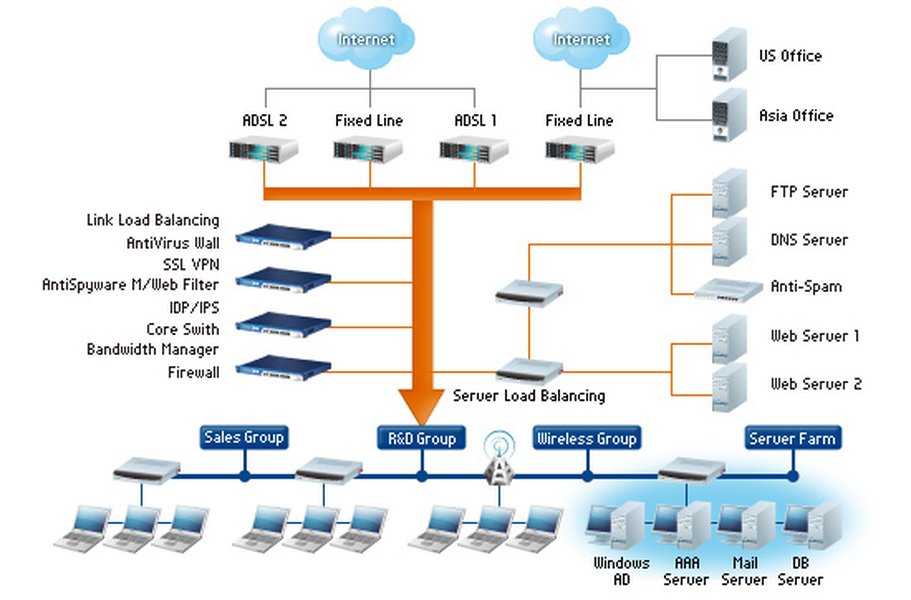
Key Highlights
- Enhanced Security Capabilities: SPI firewalls examine complete sessions, ensuring that only packets belonging to established connections are allowed.
- Dynamic and Context-Aware Filtering: Leveraging state information, SPI firewalls adapt filter rules on the fly to counter modern network threats.
- Wide-Ranging Applications: From home routers to enterprise data centers, SPI protection is foundational in modern security architectures.
Understanding SPI Firewall Protection
Stateful Packet Inspection (SPI) Firewall Protection is a sophisticated network security technology designed to enforce robust data packet control by monitoring the connection state of network traffic. Unlike traditional firewalls that use static rules to block or allow data packets based solely on individual packet attributes, SPI firewalls maintain a connection state table. This table tracks active sessions, including details such as source and destination IP addresses, port numbers, and sequence numbers, allowing the firewall to distinguish between legitimate responses to outbound requests and unauthorized attempts to access the network.
At its core, SPI operations are based on a sequential process:
How SPI Firewalls Work
Initial Connection Establishment
When a new connection is initiated, the SPI firewall scrutinizes the initial packet's header information. This packet is checked against established security policies to determine whether it represents a legitimate session request or a potential threat. Upon validation, a new state is created in the state table to document this connection. Subsequent packets are then compared to the state table entries to ensure they are an authorized continuation of the session.
State Table Management and Dynamic Filtering
SPI firewalls continuously update a dynamic state table that details active sessions. This approach allows the security system to perform dynamic filtering, thereby adjusting its rules based on the ongoing flow of data. By tracking connection states, the firewall can quickly identify anomalies such as unsolicited connection attempts, IP spoofing, or unauthorized data flows. If a packet fails to match the expected state information, it is promptly blocked, providing a robust barrier against potential threats ranging from DoS (Denial of Service) attacks to session hijacking.
Session Termination and Resource Management
Once a connection is terminated, the firewall purges its corresponding state from the state table. This clean-up is essential not only for preserving system resources but also for ensuring that outdated or stale sessions do not become a vulnerability. This efficient management of session lifecycles helps maintain high network performance while reinforcing security protocols.
Core Benefits of SPI Firewall Protection
The integration of SPI firewall protection into network systems provides a multifaceted advantage over traditional packet filtering methods:
Enhanced Security Through Contextual Analysis
Traditional firewalls typically analyze packets in isolation, which may leave gaps in security where sophisticated attacks mimic legitimate traffic. In contrast, SPI firewalls examine traffic within the broader context of active sessions. This means they consider both the packet’s origin and its role within an ongoing communication stream. With this added "intelligence," SPI systems can accurately spot and block attempts at malicious infiltration, ensuring that only data involved in validated sessions passes through.
Prevention of Cyber Threats
Modern cyber threats demand agile security solutions. SPI firewall protection is particularly effective at mitigating various types of attacks such as:
- Denial of Service (DoS): By monitoring the connection state, SPI firewalls can detect unusual activity patterns and throttle or block traffic aimed at overwhelming network resources.
- Intrusion Attempts: Since SPI examines the context within which packets are transmitted, any attempt to inject malicious traffic into an established session is easily identifiable and blocked.
- Malware Distribution: By validating session consistency and packet legitimacy, SPI defenses can also thwart the propagation of malware and viruses, which often rely on subtle, unverified transmissions.
Adaptability Across Network Environments
Whether deployed as part of a home router or integrated into large-scale enterprise network infrastructures, SPI firewalls offer a flexible, adaptive defense mechanism. Their design enables them to work efficiently in both high-volume traffic environments and smaller, localized networks. This versatility makes SPI firewall protection an essential component in the layered defense strategies of contemporary digital infrastructures.
Complementary Role in Multi-Layer Security Frameworks
While SPI firewalls provide robust initial defense, they are often used in conjunction with other security measures such as deep packet inspection (DPI), intrusion detection systems (IDS), and next-generation firewalls (NGFWs). This layered approach combines the strengths of each technology, providing a comprehensive security umbrella over critical data resources and network infrastructures.
A Visual Representation of SPI Firewall Mechanisms
The above diagram offers a simplified visual mindmap of the key components and benefits of SPI firewall protection. It illustrates the interconnected nature of inspection processes, stateful analysis, and its broad range of applications.
Exploring the Technical and Operational Nuances
Deep Dive: Session Tracking and Filtering Dynamics
The most compelling strength of SPI firewall protection comes from its ability to track active sessions. Traditional packet filtering might examine each packet in isolation, making it easier for attackers employing tactics such as spoofing or session hijacking to slip through the defenses. SPI firewalls, on the other hand, create a detailed state table for every active session. Each entry in this table not only includes the basic parameters like source and destination IP addresses and port numbers but also additional variables such as sequence numbers and timestamps.
This granular level of tracking allows the firewall to validate that each subsequent packet precisely fits into the previously established parameters of a session. Should an incoming packet not fit the expected pattern, the firewall will block it. This meticulous validation is key to stopping attacks that rely on mimicking legitimate traffic. Because the firewall is updated in real-time with the dynamic state of all ongoing sessions, it can adapt and evolve its filtering rules without requiring manual intervention or periodic updates.
Operational Benefits and Management Considerations
Deploying SPI firewall protection provides numerous operational benefits. For instance, the inherent dynamic nature of the firewall minimizes the need for constant manual updates to filtering rules—a crucial factor given the rapidly evolving landscape of cybersecurity threats. However, with advanced capabilities come greater complexity. Administrators responsible for managing SPI firewalls must be adequately trained to configure policies accurately and monitor system performance. Misconfigurations can result in either excessive blocking of legitimate traffic or inadequate filtering of harmful packets.
Despite these challenges, advancements in user-friendly management interfaces and pre-configured security profiles have made SPI firewalls more accessible even to smaller organizations and home users. These improvements enable broader adoption of SPI technology, ensuring that users receive robust protection without the need for specialized knowledge.
Integrated Use Cases and Deployment Scenarios
SPI firewall protection is implemented in a variety of devices and systems. For home environments, routers often include built-in SPI capability, providing centralized protection for all connected devices. In enterprise settings, SPI is woven into the fabric of network appliances deployed in data centers and across wide area networks (WANs).
Other common use cases include the deployment of SPI firewalls in virtual private networks (VPNs), where they work alongside encryption technologies to secure remote access connections. By ensuring that every data packet is checked for association with a valid, established session, organizations can better guard against both external infiltration and internal vulnerabilities.
Comparative Analysis: SPI Versus Other Firewall Technologies
| Feature | SPI Firewall Protection | Traditional Packet Filtering | Next-Generation Firewalls (NGFW) |
|---|---|---|---|
| Inspection Method | Stateful, context-based monitoring | Stateless, rule-based filtering | Stateful + application-level inspection |
| Adaptability | Dynamic rule updates based on active sessions | Static, predetermined rules | Adaptive with deep packet and user analysis |
| Complexity | Moderate complexity | Low complexity | High complexity |
| Performance Overhead | Optimized with modern hardware | Minimal | Can impact performance if not tuned |
The table above summarizes the key differences between SPI firewall protection, traditional packet filtering, and next-generation firewalls. It provides insights into how each technology approaches the task of securing network traffic and the operational trade-offs involved.
Charting the Strengths of SPI Firewall Systems
To provide a more quantitative perspective on the relative performance and security efficacy of SPI firewalls, we present a radar chart that compares several key metrics. Though based on qualitative opinions, this visualization reflects common perceptions in the industry.
The radar chart above presents subjective ratings of the SPI firewall's performance compared to traditional packet filtering and next-generation firewalls. Notice how SPI defense strategies stand out in areas like security and adaptability, thereby offering a balanced solution for many network security challenges.
Multimedia Resource
For a more engaging explanation and visual demonstration of how SPI firewall protection operates in real-world scenarios, consider watching this detailed video overview:
The video provides insights into the inner workings of SPI firewalls, demonstrating the processes of packet analysis, session tracking, and dynamic rule adjustment in a concise and accessible format.
Frequently Asked Questions (FAQ)
What exactly is SPI Firewall Protection?
SPI Firewall Protection, or Stateful Packet Inspection, is a security technology that inspects and tracks active connections. It ensures that every packet passing through the network is part of an established session, thereby preventing unauthorized access and various cyberattacks. By maintaining a dynamic state table of all current connections, an SPI firewall dynamically inspects traffic rather than relying on static filtering rules.
How does SPI differ from traditional firewall methods?
Unlike traditional stateless packet filtering, SPI firewalls use a stateful approach. They track entire sessions in a state table, enabling them to inspect packets in context rather than in isolation. This leads to more dynamic and context-based filtering, which significantly improves security against threats such as DoS attacks and intrusion attempts.
What are the main advantages of SPI firewall protection?
Main advantages include enhanced security through contextual analysis, dynamic filtering capabilities, and its applicability in both home and enterprise networks. These features enable SPI firewalls to effectively counter a variety of network threats, including malware, DoS attacks, and unauthorized access attempts.
In what types of environments is SPI most commonly deployed?
SPI firewalls are widely used in both home and enterprise settings. In home networks, they are typically integrated into routers, providing centralized protection for all devices. In enterprise networks, SPI is a critical component of a layered defense system, often deployed in data centers and WAN environments to secure high volumes of network traffic.
References
-
SPI Firewall Explanation - Assured Standard
- SPI Firewall Glossary - Lenovo
- SPI Firewall Guide - Comparitech
- SPI Firewall Protection - Ascent Optics
- Stateful Packet Inspection Overview - SafetyDetectives
Recommended Topics for Further Research
 docs.aws.amazon.com
Last updated March 30, 2025