
Spider-Man 2's Dialogue: Endearing Comic Book Charm or Just Plain Cheesy?
Unpacking the unique style of Sam Raimi's acclaimed sequel and whether its "cheesy" moments truly detract from its impact.
Sam Raimi's Spider-Man 2 (2004) is frequently hailed as a landmark achievement in the superhero genre, celebrated for its emotional depth, thrilling action, and compelling character arcs. Yet, a recurring point of discussion revolves around its dialogue. Does it veer into "cheesiness," and if so, is that necessarily a flaw? Let's dive into the style and substance of the film's script.
Highlights: Understanding the Dialogue Debate
- Intentional Style: Much of the dialogue perceived as "cheesy" is considered a deliberate stylistic choice, echoing the earnest and sometimes theatrical tone of classic 1960s Spider-Man comic books.
- Subjectivity of "Cheesy": Whether the dialogue works is highly subjective; some find it charming, nostalgic, and fitting for the character, while others find it cringey or dated compared to more modern, naturalistic superhero films.
- Context is Key: Within the film's overall context—balancing high-stakes action, deep personal struggles, and moments of levity—the dialogue's sincerity often enhances its emotional impact rather than undermining it.
Unpacking the "Cheesiness" in Spider-Man 2's Script
Is the Dialogue Really Cheesy?
Yes, by many accounts, the dialogue in Spider-Man 2 does contain elements often described as "cheesy." This perception stems from several factors inherent in the film's writing and tone, influenced by director Sam Raimi and screenwriter Alvin Sargent (working from a story conceived by Michael Chabon, Alfred Gough, and Miles Millar).
Comic Book Roots and Earnestness
The film intentionally embraces the spirit of its source material – the Silver Age Spider-Man comics. This era was known for its heightened melodrama, clear moral lines, and sometimes overly sincere character expressions. The dialogue reflects this through:
- Earnest Monologues: Peter Parker's internal narrations about his responsibilities, his feelings for Mary Jane, and the weight of his double life are often cited as examples. Lines like, "She looks at me every day. Mary Jane Watson. Oh, boy. If she only knew how I felt about her. But she can never know," capture this heightened, almost theatrical earnestness.
- On-the-Nose Themes: Characters sometimes state the film's themes quite directly, particularly regarding responsibility, choice, and sacrifice. While powerful, this directness can feel less subtle or naturalistic than dialogue in other genres.
- Romantic Dialogue: Exchanges between Peter and Mary Jane, while aiming for emotional impact, can sometimes feel formulaic or overly sentimental, fitting classic romance tropes that might read as cheesy to contemporary viewers.
- Quips and Banter: Spider-Man's signature witty remarks during fights, while character-accurate, sometimes land as corny or forced, contributing to the perception of cheesiness.
- Exaggerated Side Characters: Lines from characters like Mr. Aziz ("Joe's 29 minute guarantee is a promise, man!") add a specific, slightly campy flavor to the film's world.
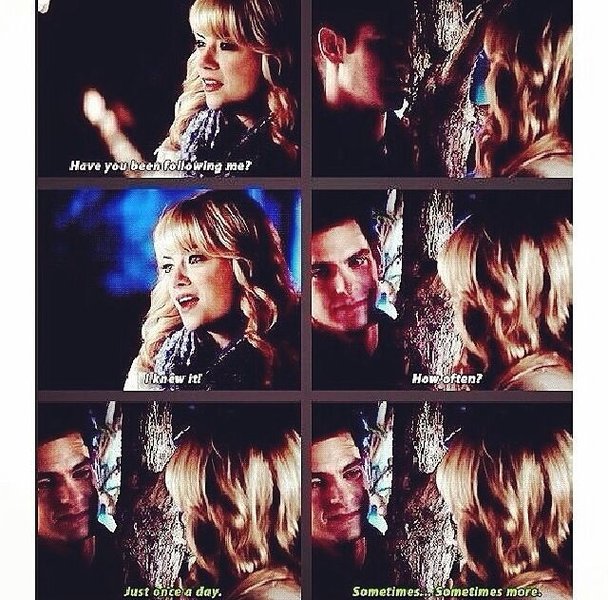
Romantic dialogue, like that between Peter and MJ in Spider-Man 2, sometimes leans into earnestness characteristic of the film's style. (Note: Image depicts Peter and Gwen from a different Spider-Man film series but illustrates the type of character interaction discussed).
Is Being Cheesy Inherently Bad?
The term "cheesy" often carries negative connotations, implying something is overly sentimental, clichéd, awkward, or unintentionally funny. However, in filmmaking, cheesiness isn't automatically a defect. Its impact depends heavily on intent, execution, and context.
A Deliberate Stylistic Choice
In Spider-Man 2, the cheesiness is largely viewed as a deliberate choice rather than poor writing. It serves several functions:
- Genre Homage: It pays tribute to the tone and style of the comics it adapts, creating a sense of nostalgia and faithfulness for fans.
- Characterization: Peter Parker's occasional awkwardness and Spider-Man's sometimes-corny jokes are part of their established personalities. The earnestness reflects Peter's fundamentally good nature.
- Emotional Amplification: The operatic, slightly heightened reality allows the emotional stakes (love, loss, duty, sacrifice) to feel larger than life, fitting the superhero narrative.
- Comedic Relief: Some cheesy lines or interactions provide levity, balancing the film's darker themes and intense action sequences.
- Distinct Tone: It helps differentiate the Raimi trilogy's Spider-Man from darker, grittier superhero interpretations. This earnestness is part of what makes the film unique and beloved.
When Cheesiness Works (and When it Doesn't)
Cheesiness becomes problematic when it feels unintentional, undermines the emotional core of a scene, breaks the audience's immersion, or clashes drastically with the film's overall tone. For most viewers and critics, Spider-Man 2 successfully integrates its cheesy elements. The film's strong character development, compelling plot, and universally praised action sequences provide a solid foundation, allowing the earnest dialogue to feel sincere rather than merely awkward. Roger Ebert, for instance, praised the film's writing and acting, suggesting the dialogue served the story effectively.
Ultimately, the appreciation of this dialogue style is subjective. Viewers seeking gritty realism might find it off-putting, while those who embrace the film's comic book heart often find it part of the charm.
Visualizing the Nuance: Cheesiness in Film Dialogue
The concept of "cheesy" dialogue isn't straightforward. It exists on a spectrum and can be perceived differently depending on various factors. This mindmap explores the multifaceted nature of cheesy dialogue in cinema, particularly relating to films like Spider-Man 2.
(e.g., Superhero vs. Drama)"] id1d["Comparison to Other Films"] id2["Characteristics"] id2a["Overly Sentimental / Melodramatic"] id2b["Clichéd / Formulaic"] id2c["Awkward / Unnatural Phrasing"] id2d["Corny Jokes / Quips"] id2e["On-the-Nose Exposition"] id2f["Theatrical / Heightened Delivery"] id3["Potential Positives"] id3a["Intentional Stylistic Choice"] id3b["Charm & Endearment"] id3c["Nostalgia / Homage"] id3d["Comedic Relief"] id3e["Characterization"] id3f["Emotional Sincerity (Earnestness)"] id3g["Cult Appeal"] id4["Potential Negatives"] id4a["Unintentional Humor"] id4b["Breaks Immersion"] id4c["Feels Dated / Cringey"] id4d["Undermines Drama"] id4e["Perceived as Poor Writing"] id5["Spider-Man 2 (2004) Context"] id5a["Comic Book Faithfulness"] id5b["Sam Raimi's Style"] id5c["Earnest Tone"] id5d["Balances Action & Emotion"] id5e["Generally Well-Received Despite 'Cheese'"]
This mindmap illustrates that "cheesy" dialogue isn't simply "bad." It can be a complex element contributing positively (through charm, style, character) or negatively (by feeling dated or breaking immersion), often depending on the film's goals and the audience's perspective. In Spider-Man 2, it's frequently seen as an intentional part of its comic-book-inspired identity.
Spider-Man 2 (2004): A Balance of Elements
To better understand how the dialogue fits into the larger picture of Spider-Man 2, this chart evaluates several key aspects of the film. The scores reflect a general critical and audience consensus, where dialogue sincerity is high but might be perceived differently from modern realism.
The chart highlights the film's strengths in areas like action, character depth, and emotional impact. "Dialogue Sincerity/Earnestness" scores high, reflecting the film's intentional tone. However, "Modern Dialogue Realism" scores lower, acknowledging that the style differs significantly from contemporary expectations for naturalistic conversation in superhero films, which is where the perception of "cheesiness" often originates.
Dialogue Style in Action: Cafe Kidnapping Scene
Watching a scene can often illustrate the dialogue style better than descriptions alone. The following clip features the tense cafe scene where Peter Parker and Doctor Octopus interact before chaos erupts. Pay attention to the dialogue exchanges and how they contribute to characterization and tension, even if some lines might feel heightened or theatrical.
Scene from Spider-Man 2 (2004) depicting the cafe interaction and subsequent kidnapping.
This scene showcases the blend of personal stakes (Peter's concern for MJ) with the burgeoning threat of Doc Ock. The dialogue aims for emotional weight and thematic relevance, characteristics of the film's overall approach.
Arguments Summarized: Cheesy or Charming?
The debate around Spider-Man 2's dialogue often boils down to perspective. Here’s a table summarizing the core arguments for why it's perceived as cheesy and why that isn't necessarily detrimental to the film:
| Reasons Dialogue is Called "Cheesy" | Reasons Cheesiness Isn't Necessarily "Bad" Here |
|---|---|
| Use of earnest, sometimes melodramatic language. | Contributes to emotional sincerity and thematic weight. |
| Peter Parker's internal monologues feel theatrical. | Faithful homage to classic comic book narration style. |
| Romantic dialogue can seem clichéd or overly sentimental. | Fits the operatic tone and heightens emotional stakes. |
| Spider-Man's quips can be corny. | Accurate characterization and provides comedic relief. |
| Dialogue style feels dated compared to modern superhero films. | Part of the film's unique charm and nostalgic appeal. |
| Some lines are very direct or "on-the-nose." | Effectively communicates core themes of responsibility and sacrifice. |
Frequently Asked Questions
What are specific examples of 'cheesy' lines in Spider-Man 2?
Examples often cited include Peter's voiceover narrations ("Am I not supposed to have what I want? What I need?"), heartfelt declarations like Aunt May's "I believe there's a hero in all of us" speech, Mary Jane's lines about waiting for Peter, and some of Spider-Man's less-than-stellar battle quips. Mr. Aziz's emphasis on the "29 minute guarantee" is also sometimes mentioned as campy.
How does the dialogue compare to modern superhero movies?
Compared to many modern superhero films, especially those in the MCU or the darker DC entries, the dialogue in Spider-Man 2 is generally less naturalistic and more openly theatrical or earnest. Modern films often aim for more subtle, witty, or grounded dialogue, whereas Spider-Man 2 embraces a more classic, comic-book-inspired melodrama and sincerity. This difference in style is a key reason why it might be perceived as "cheesy" today.
Was the cheesy dialogue intentional?
Yes, most analyses suggest the tone and style were deliberate choices by director Sam Raimi and the writers. The goal was to capture the spirit and sensibility of the original Spider-Man comics, which included a degree of melodrama and earnestness. It's generally seen as a feature reflecting the source material's era and the director's vision, rather than an unintentional flaw in writing.
Did critics comment on the dialogue at the time of release?
While overall critical reception was overwhelmingly positive, some reviews did acknowledge the dialogue's particular style. However, it was often framed positively as contributing to the film's emotional core or comic book authenticity. Critics like Roger Ebert praised the film's writing for its focus on character and emotion. The "cheesiness" wasn't typically highlighted as a major flaw, suggesting it was largely accepted as part of the film's successful formula at the time.
Recommended Reading
- Explore Sam Raimi's unique directorial style and its influence on the Spider-Man trilogy's tone.
- Discover how dialogue in superhero movies has evolved since the early 2000s.
- Read what critics originally said about Spider-Man 2, including comments on its script and performances.
- Learn more about how the style and themes of Silver Age Spider-Man comics influenced the 2004 film.
References
Last updated May 5, 2025