
Unlocking the Dynamics of Athletic Performance
Explore the intricate interplay between external conditions and internal capabilities that shape sports outcomes.
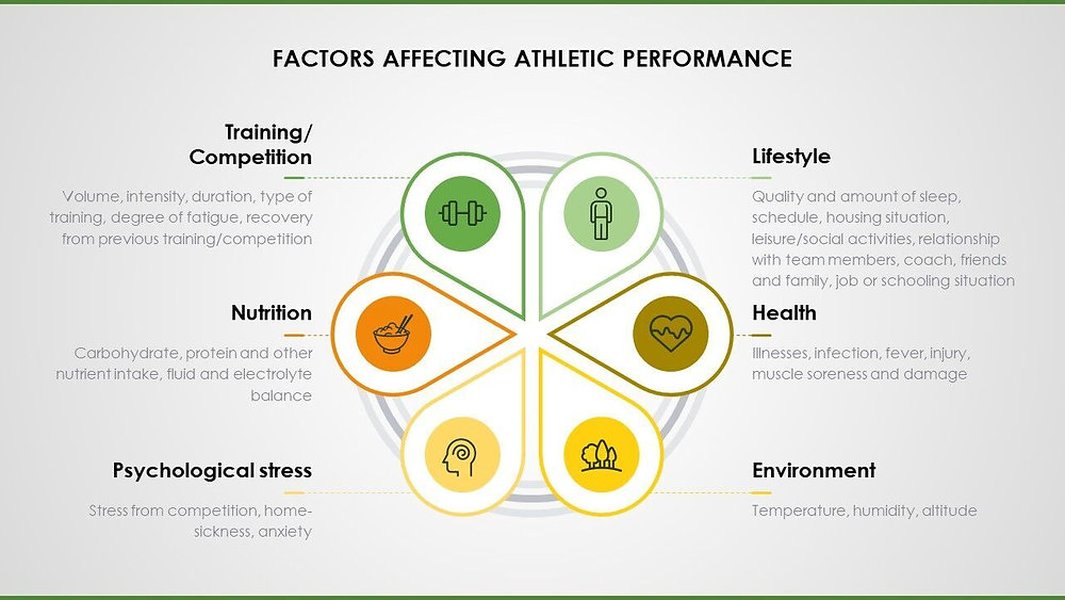
Key Insights at a Glance
- Extrinsic factors encompass the environment, sport type, coaching quality, and equipment standards that influence athletic safety and performance.
- Intrinsic factors focus on the individual’s unique attributes like personality, physical conditioning, and behavioral aggression that drive performance levels.
- Interdependency between external and internal factors creates a complex ecosystem where both sets must be optimized for peak performance.
In-Depth Analysis of Extrinsic and Intrinsic Factors
Extrinsic Factors
Extrinsic factors refer to those elements outside an athlete that significantly shape their performance and influence their risk of injury. These factors include the environment, type of sport, quality of coaching, and equipment available. For example, the environment encompasses weather conditions and the quality of playing surfaces; a wet field or uneven terrain can create hazardous conditions that elevate the risk of slipping or sustaining injuries. The nature of the sport is another critical aspect—contact sports such as football, rugby, or hockey inherently present higher physical risks compared to non-contact activities like swimming or running, due to the greater potential for collisions and impacts. Furthermore, effective coaching is paramount in instilling proper techniques and strategies, whereas inadequate coaching can lead to the adoption of risky practices and improper form that heighten injury risk. Finally, equipment plays a vital role in either safeguarding the athlete or exposing them to unnecessary hazards; state-of-the-art, well-maintained gear not only enhances performance but also offers critical protection, while outdated or unsuitable equipment can compromise safety.
Intrinsic Factors
Intrinsic factors stem from within the athlete and largely determine their capacity to perform and manage physical challenges during competition. These include individual variables, physiological factors, and the regulated management of aggression. Individual variables encompass a range of personal characteristics such as motivation, mental toughness, and previous experience, all of which contribute to an athlete's psychological readiness and resilience. Physiological factors, including overall strength, endurance, flexibility, and the body's capacity to recover, directly affect physical performance and injury prevention. In addition, the manner in which an athlete manages their aggression plays an important role; while a certain level of controlled aggression can drive intense performance and competitiveness, excessive aggression might lead to risky decisions and careless actions on the field, thereby increasing the likelihood of injury. Moreover, these intrinsic aspects work in tandem to forge an athlete’s identity; they influence how individuals respond to external pressures and adapt to challenging scenarios, creating a delicate balance that is essential for achieving synergistic performance outcomes.Visualizing the Dynamics: Athlete Performance Radar Chart
The following radar chart illustrates a compiled analysis of various factors contributing to sports performance based on qualitative evaluations. Each dataset reflects the relative influence of extrinsic and intrinsic factors including environment, sport type, coaching, equipment, individual variables, physiological aspects, and aggression. This visualization provides an at-a-glance view of where the emphasis lies and how these elements coalesce to affect overall performance.
Supplementary Visual Elements
Here we include additional visual aids that enhance understanding of the multifaceted influences on athletic performance.


The first image illustrates state-of-the-art sports equipment that enhances both safety and athletic performance. The second image represents the human body in action, emphasizing physiological factors that play a critical role in an athlete's overall performance.
Comparative Overview: Extrinsic vs. Intrinsic Factors
The table below offers a detailed comparison of extrinsic and intrinsic factors, summarizing their key components and their respective impacts on athletic performance and injury risks.
| Factor Type | Components | Impact on Performance |
|---|---|---|
| Extrinsic Factors | Environment, Type of Sport, Coaching, Equipment | Determine external conditions for safety; enhance competitive edge through optimal training and equipment standards |
| Intrinsic Factors | Individual Variables, Physiological Factors, Aggression | Shape personal capacity for performance; dictate resilience, physical fitness, and managed behavioral drive |
Deep Dive Video Insight
For an engaging exploration of the dynamics behind intrinsic and extrinsic factors influencing athletic performance, consider watching the following video. This presentation delves deep into the complexities of athlete safety, the role of coaching, and the internal characteristics that drive performance, offering valuable insights for athletes and coaches alike.
Frequently Asked Questions (FAQ)
References
- Factors affecting sports performance - How And What
- What Are the Factors Affecting the Performance of Athletes? - iCliniq
- Factors affecting elite athletes in team sports - Barca Innovation Hub
- Intrinsic and Extrinsic Motivation in Sports - The Minded Athlete
- Motivation: Intrinsic & Extrinsic in Sports - Vaia
Recommended Queries
 sophieryan97.wordpress.com
 asaxoninjuries.wordpress.com
 wanstall96.wordpress.com
asaxoninjuries.wordpress.com
Last updated April 3, 2025