
Squalene in Living Plants
Exploring the Role, Sources, and Biological Functions of Squalene in the Plant World
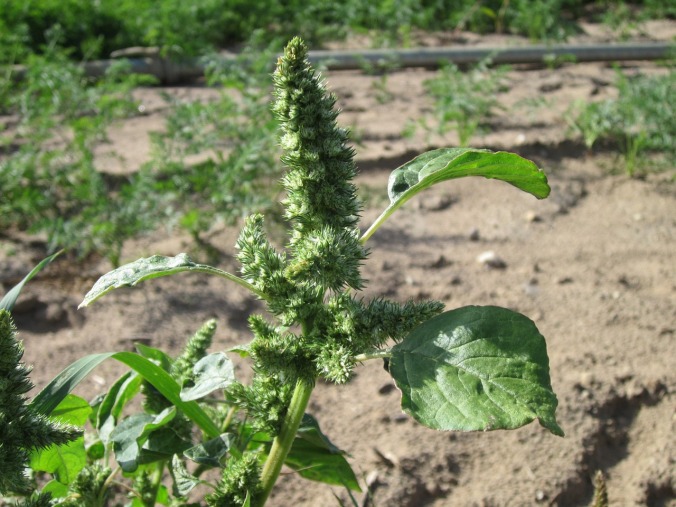
Highlights
- Significant Biosynthetic Role: Squalene acts as a precursor to sterols and phytosterols essential for cell structure.
- Varied Plant Sources: Squalene is found in multiple plant oils including olive, amaranth, wheat germ, and rice bran.
- Multifunctional Benefits: It contributes antioxidant properties, defense mechanisms, and water retention in plants.
Understanding Squalene in Plants
Squalene is a naturally occurring triterpene hydrocarbon with a structure consisting of 30 carbon atoms. In plants, it is a critical intermediate in the biosynthesis of sterols such as phytosterols, which maintain cellular integrity and mediate various biological functions. Actively synthesized in the chloroplasts and accumulated in specific plant tissues, squalene plays integral biochemical roles that extend beyond mere structural support.
Biosynthesis and Essential Functions
Precursor to Sterol Biosynthesis
Like in animals where squalene serves as a precursor to cholesterol, in plants it is pivotal in forming key sterols—most notably phytosterols. These phytosterols are crucial for the stabilisation of cell membranes, influencing membrane fluidity and the permeability of various plant cell barriers. The integration of squalene into a plant’s biochemistry is fundamentally important for growth, cell division, and the synthesis of hormones.
Defensive Mechanisms
Squalene contributes significantly to the plant’s defense against both biotic and abiotic stressors. It has been shown to possess antimicrobial and antifungal properties, thereby playing a role in inhibiting pathogens. Furthermore, its antioxidant activity is essential in counteracting oxidative stress caused by free radicals and environmental pollutants like UV radiation. By mitigating these stresses, squalene helps protect plant tissues and maintain cellular health.
Regulation of Water Loss
Some plants can utilize the hydrophobic properties of squalene to reduce transpiration, essentially forming a barrier that minimizes water loss. This quality is highly beneficial, especially under environmental conditions that impose water scarcity, ensuring that plants maintain moisture balance.
Plant Sources and Squalene Content
Squalene is not uniformly distributed across all plant species. Its concentration can vary widely based on plant type, environmental conditions, cultivation practices, and extraction methodologies. Certain seed oil crops and fruit-based oils have been identified as particularly rich sources.
Notable Plant Sources
Several plant-derived oils have been studied for their squalene content. Modern research confirms that:
- Amaranth: Noted for exceptionally high levels, with reports documenting amounts up to 5942 mg per 100g. This makes amaranth one of the richest plant sources.
- Olive Oil: Widely recognized not only for its culinary and cosmetic applications, olive oil contains about 564 mg of squalene per 100g.
- Wheat Germ Oil: This oil is also known to contain appreciable squalene levels, along with additional vitamins, especially vitamin E, a factor that enhances its antioxidant properties.
- Rice Bran Oil: Acting as another valuable plant source, rice bran oil has been noted for its significant squalene content.
- Grape Seed Oil: Although present in smaller concentrations—around 14.1 mg per 100g—it still contributes to the overall dietary squalene intake when part of a balanced diet.
- Soybean Oil: Similarly, soybean oil contains squalene levels approximately 9.9 mg per 100g, which, while lower than other oils, remains an important source from plant origin.
Comparative Squalene Content in Plant Oils
For a clearer visualization of the squalene content in various plant oils, the table below summarizes the approximate levels (mg per 100g) available in several common sources:
| Plant Source | Squalene Content (mg/100g) | Notes |
|---|---|---|
| Amaranth | 5942 | Exceptionally high concentration, ideal for nutraceuticals |
| Olive Oil | 564 | Popular culinary and cosmetic oil |
| Wheat Germ Oil | Varies | Also known for high vitamin E content |
| Rice Bran Oil | Moderate | Rich in other bioactive compounds |
| Grape Seed Oil | 14.1 | Lower squalene content but valued for polyphenols |
| Soybean Oil | 9.9 | Contributes as part of diverse dietary oils |
Role of Squalene in Plant Physiology and Health
Beyond serving as a mere precursor in biosynthetic pathways, squalene has multiple crucial roles in ensuring plant survival and resilience. These functions span from cellular protection to whole-plant defense strategies in response to external environmental challenges.
Antioxidant Properties
The antioxidant capacity of squalene is a hallmark of its biological activity in plants. By scavenging free radicals, squalene helps reduce oxidative stress, thereby protecting cell membranes and ensuring the longevity of cellular components. In the face of UV radiation and other environmental stressors, plants leverage squalene's antioxidant potential to counteract potential damage that might otherwise compromise their cellular machinery.
Defense Against Pathogens
Squalene is implicated in establishing an innate defense mechanism in plants. It aids in warding off pathogenic attacks through its antimicrobial and antifungal effects. This intrinsic property of squalene not only diminishes infection rates but also contributes to the overall robustness of the plant, ensuring better survival rates in the face of biotic stress.
Regulation of Membrane Fluidity
Membrane fluidity is central to maintaining proper cell function. By contributing to the biosynthesis of phytosterols, squalene indirectly influences the fluidity and permeability of plant cell membranes. This function is particularly significant during periods of temperature fluctuation or drought, where the structural stability of the membranes is critical for cellular survival.
Environmental Stress Management
Plants often encounter environmental stress factors such as extreme temperatures, drought, and high UV exposure. In these scenarios, squalene's functionality expands to include the modulation of water loss. Its role in creating hydrophobic layers on cells is effective in reducing transpiration, thereby ensuring that water retention is optimized even under adverse conditions. This, combined with its antioxidant qualities, supports the resilience of plants in challenging climates.
Extraction and Applications of Plant-Derived Squalene
Extraction Techniques
Given its beneficial properties, squalene extracted from plants has significantly gained interest in food, pharmaceutical, and cosmetic industries. Extraction techniques primarily include cold pressing, solvent extraction, and advanced methods aimed at maximizing yield and purity. Cold pressing is particularly valued for preserving the natural properties of squalene without introducing heat-induced degradation.
Applications in Industry
The plant-derived form of squalene is preferred over animal-based sources—such as shark liver oil—due to ethical, safety, and sustainability considerations. In the cosmetics industry, squalene is celebrated for its moisturizing and anti-aging properties. It serves as a natural emollient that improves skin hydration and defends against oxidative damage. Furthermore, due to its antioxidant capacity, its usage extends to dietary supplements, where it helps in combating oxidative stress.
Comparative Analysis and Recent Advances
Comparative Insights
When comparing squalene sources between plants and animals, it is evident that plant-derived squalene offers several advantages. It is typically odorless, colorless, and free from contaminants that may accompany animal extraction. The variability in squalene content among plant species is largely influenced by genetic, environmental, and agronomic factors. Advances in cultivation and extraction techniques have allowed for the optimization of squalene yield, making plant-based extraction a viable and sustainable alternative.
Recent Research and Developments
Contemporary studies have detailed the influence of squalene in enhancing plant resilience, promoting overall metabolic efficiency, and providing added antioxidant benefits. Research continues to explore the multifaceted roles of squalene in mitigating UV-induced damage, managing lipid profiles in plant tissues, and its application in health supplements geared toward human wellness. This expanding body of research reinforces the importance of squalene not only as an industrial commodity but also as a crucial agent in plant physiology.
References
-
Squalene in Plant Biosynthesis - ScienceDirect
- Plant Sources and Extraction Methods - Hindawi Journal
- Plant Sources, Extraction Methods, and Uses of Squalene - Wiley Online Library
- 15 Best Foods Rich in Squalene - Scientific Origin
-
Recent Advances in Squalene Applications - ScienceDirect
Recommended Searches
Last updated March 22, 2025