
Unlock the Secrets of Squannacook River Fishing: Your Ultimate MA Trout Guide
Discover prime spots, techniques, and tips for landing Brook, Brown, and Rainbow Trout in this scenic Massachusetts river.
Highlights
- Abundant Trout: The Squannacook is a premier coldwater fishery, boasting wild Brook Trout in tributaries and stocked Rainbow and Brown Trout (including holdovers) in the main stem.
- Varied Access: From easily reachable spots like the Peter Bertozzi Wildlife Area to more remote sections like Black Rock requiring a hike, anglers of all preferences can find suitable water.
- Prime Seasons: Spring and Fall offer the best conditions due to stocking schedules and active fish, though year-round opportunities exist with adjusted tactics.
An Angler's Gem: Introducing the Squannacook River
Location and Character
Nestled in northern Massachusetts, the Squannacook River is a cherished tributary of the Nashua River, flowing for approximately 16 miles through Middlesex County. Its journey begins in West Townsend, where several brooks—Walker, Locke, Willard, and sometimes Trapfall and Mason—converge. The river winds through a mix of landscapes, offering sections of swift rapids, deep, inviting pools, and slower, meandering meadow stretches. Much of its length is protected within the Squannacook River Wildlife Management Area (WMA), ensuring significant public access and preserving its natural beauty.
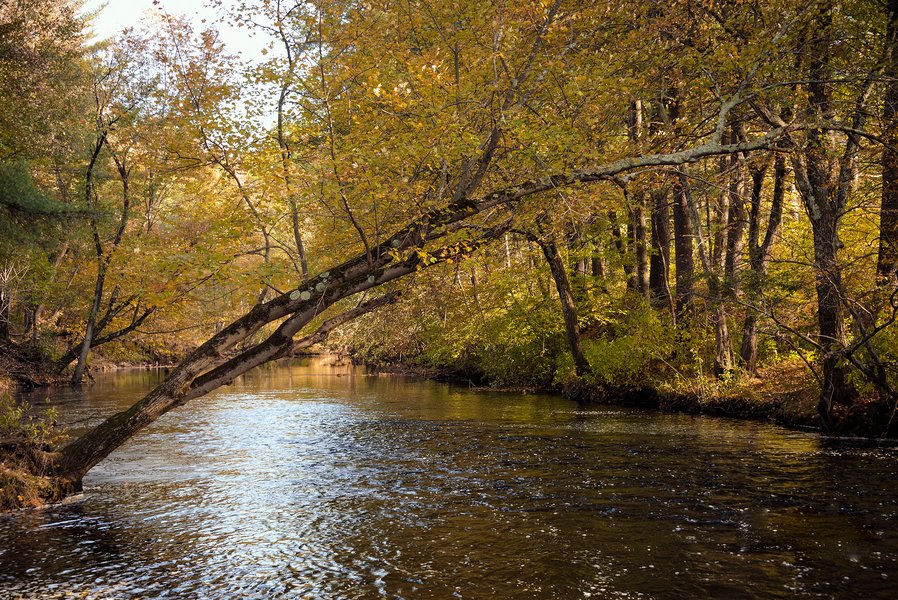
The Squannacook River offers diverse habitats and scenic beauty.
A Renowned Coldwater Fishery
Designated as an excellent coldwater stream, the Squannacook maintains temperatures suitable for trout throughout much of the year. This consistent cold water, combined with a healthy ecosystem providing ample forage like aquatic insects and minnows, makes it an ideal habitat for trout to thrive, offering anglers rewarding fishing experiences.
The Prized Catch: Trout Species of the Squannacook
Wild and Stocked Populations
The river's allure lies significantly in its diverse trout populations:
- Brook Trout (Salvelinus fontinalis): Native gems of the watershed, wild Brook Trout are primarily found in the colder, well-oxygenated headwaters and tributaries like Trapfall Brook, Willard Brook, and Locke Brook. These streams are often stocked as well, providing robust fishing opportunities for these beautifully patterned fish.
- Brown Trout (Salmo trutta): Sought after for their potential size and challenging nature, Brown Trout inhabit the main stem, particularly in deeper pools and areas with cover like undercut banks and log jams. The river is stocked with Browns, and holdover fish that survive multiple seasons can grow to impressive sizes.
- Rainbow Trout (Oncorhynchus mykiss): Known for their acrobatic fights, Rainbow Trout are regularly stocked in the spring and fall, primarily in the more accessible sections of the main river. They adapt well to various conditions and provide consistent action for anglers.
Anglers can typically expect trout ranging from recently stocked sizes up to 15+ inches, with the possibility of encountering larger holdover Brown Trout.

Native Brook Trout are a highlight in the Squannacook's tributaries.
Prime Fishing Locations and Access Points
The Squannacook River offers a variety of fishing environments accessible through public lands, primarily within the Squannacook River WMA.
Easily Accessible Hotspots
Peter Bertozzi Wildlife Management Area Stretch
Considered an "awesome stretch" by many anglers, the Peter Bertozzi area provides straightforward access and reliable trout fishing, especially during spring and fall stocking seasons. Its mix of runs, riffles, and pools makes it suitable for various techniques, including wade fishing.
Vose Dam to Harbor Pond Section
This popular segment, running from West Groton to Townsend, benefits from public land ownership on both banks, simplifying access. Anglers often park near the Townsend Road bridge in Groton to fish the productive rapids or target deeper pools near Harbor Pond, known to hold larger Brown Trout.
Exploring the Tributaries
The feeder streams like Trapfall Brook, Willard Brook, Locke Brook, and Walker Brook are prime destinations for targeting wild Brook Trout. These smaller waters offer a more intimate fishing experience, often requiring lighter tackle and stealthy approaches. They are also frequently stocked, boosting catch rates.
For the Adventurous Angler
Black Rock Area
Seeking solitude? The Black Rock area, identified by a distinctive large overhanging boulder near deep water, offers excellent fly fishing potential, particularly dry fly action. Access requires a more significant hike, often starting near the Hawthorne Brook Middle School in Townsend, rewarding anglers with less pressured water.
Other Noteworthy Spots
- Farmers' Exchange Area: Features productive runs suitable for nymphing and streamer fishing.
- Edward Road Area: Offers nymphing opportunities near the parking lot and access to upstream sections holding wild Brookies towards the South Street bridge.
- Headwaters Access: Near State Highway #119 west of Townsend Center (VFW parking lot).
- Turnpike Road Bridge: Provides access to the upper river sections.
Comparing Key Fishing Areas
The various sections of the Squannacook offer different experiences. The chart below provides a subjective comparison of key fishing areas based on several factors important to anglers:
Note: Ratings are subjective estimations for comparison purposes.
Mastering the Squannacook: Techniques and Gear
Success on the Squannacook often comes down to choosing the right technique for the conditions and target species.
Fly Fishing Strategies
Fly fishing is exceptionally popular and effective on the Squannacook. The river's varied structure suits multiple approaches:
- Dry Fly Fishing: Productive during insect hatches (check local reports for timing). Look for rising fish in pools, slower runs, and near structure like the Black Rock area. Standard patterns like Adams, Elk Hair Caddis, and Blue-winged Olives can be effective.
- Nymphing: A go-to technique, especially in deeper runs, pocket water, and during non-hatch periods. Tightline nymphing (Euro nymphing) is particularly well-suited to the river's structure. Pheasant Tails, Hare's Ears, Prince Nymphs, and small stonefly imitations work well.
- Streamer Fishing: Effective for targeting larger Brown Trout, especially in deeper pools and near undercut banks or logjams. Woolly Buggers, Clouser Minnows, and small Sculpin patterns in natural colors can provoke aggressive strikes.
Spin and Bait Fishing Tactics
Conventional tackle is also very effective:
- Lures: Small spinners (like Mepps or Panther Martins) in gold, silver, or black are excellent for Rainbow and Brook Trout. Small spoons in silver or brown can entice Brown Trout. Cast into seams, behind rocks, and through pools.
- Bait: Live bait such as worms drifted naturally through runs is highly effective for all species, particularly Brook Trout. Live minnows can be deadly for larger Brown Trout, especially when fished in deeper pools.
Gear Recommendations
- Fly Rods: A 3-5 weight rod, 7.5 to 9 feet long, is ideal for most situations. Lighter rods excel on tributaries, while a 5wt handles the main stem well. Pair with a matching reel and floating line. Leaders of 7.5-9 feet tapered to 4X-6X tippet are standard.
- Spinning Gear: A light to ultra-light action rod, 5.5 to 7 feet long, paired with a small spinning reel spooled with 4-6 pound test monofilament or fluorocarbon line.
- Waders: Chest waders are recommended for accessing most of the river, especially for fly fishing. Felt soles or rubber soles with studs provide the best traction on slippery rocks (check regulations regarding felt soles).
- Essentials: Polarized sunglasses are crucial for spotting fish and structure. Carry forceps for hook removal, nippers for cutting line, and a net for landing fish gently.
Tactics Table: Matching Approach to Conditions
This table provides general guidance for selecting techniques based on common conditions:
| Season / Condition | Technique | Target Species | Recommended Flies / Lures / Bait |
|---|---|---|---|
| Spring (Post-Stocking / Higher Flow) | Nymphing / Spin Fishing | Rainbow, Brown, Brook | Larger Nymphs (Stoneflies, Caddis Pupa), Bright Spinners, Worms |
| Spring (Hatches / Moderate Flow) | Dry Fly / Nymphing | Rainbow, Brown, Brook | BWOs, Hendricksons, Caddis; Pheasant Tails, Hare's Ears |
| Summer (Lower / Warmer Water - Main Stem) | Nymphing (Deep Pools) / Early & Late Fishing | Brown, Rainbow | Small Nymphs, Terrestrials (Ants, Beetles), Small Spinners, Minnows (low light) |
| Summer (Tributaries / Cooler Water) | Dry Fly / Light Nymphing / Light Spin | Brook Trout | Small Dry Flies (Stimulators, Caddis), Tiny Nymphs, Micro Spinners, Worms |
| Fall (Post-Stocking / Stable Flow) | Dry Fly / Nymphing / Streamers / Spin Fishing | Brown, Rainbow, Brook | Attractor Dries, BWOs, October Caddis; Medium Nymphs; Woolly Buggers; Spinners, Spoons |
Timing Your Trip: A Seasonal Guide
While the Squannacook offers year-round potential, success rates fluctuate with the seasons.
Spring Awakening (March - May)
Often considered the prime season. State stocking programs are active, replenishing the river with Rainbow and Brown Trout. Water temperatures rise, insect hatches become more frequent (like Hendricksons and Caddis), and fish become more active. Wild Brook Trout in tributaries also become more accessible as flows stabilize. Focus on nymphing early in the season and transition to dry flies as hatches pick up.
Summer Strategies (June - August)
Fishing can remain good, especially in early summer. However, as temperatures rise, the main stem can become low and warm, pushing trout into deeper pools, shaded areas, or the mouths of cooler tributaries. Focus efforts on early mornings and late evenings when water temps are lowest and fish are more active. Tributary fishing for Brook Trout often remains excellent throughout the summer.
Autumn Angling (September - November)
Another peak season. Fall stocking programs provide fresh fish, and cooling water temperatures invigorate trout activity. Brown Trout become more aggressive pre-spawn, and both Brook and Brown Trout display stunning spawning colors. Insect activity includes Blue-winged Olives and October Caddis. Angling pressure typically decreases, offering more solitude. Streamer fishing for large Browns can be particularly effective.
Winter Fishing (December - February)
Fishing is possible during milder winter periods, particularly in slower, deeper pools where trout conserve energy. Nymphing slowly along the bottom is the most productive method. Access can be challenging due to snow and ice, and safety is paramount. Check conditions carefully before heading out.
Best Times of Day
Generally, early morning (dawn to mid-morning) and late afternoon/evening (until dusk) are the most productive times, especially during warmer months. Overcast days can offer good fishing throughout the day.
Visualizing the Squannacook Experience
Many anglers share their experiences on the Squannacook. This video showcases typical fly fishing action on the river, providing a glimpse into the techniques and catches possible:
Fly fishing action on the Squannacook River (Video: On The Water Magazine).
Mindmap: Connecting the Squannacook Fishing Experience
This mindmap illustrates the key interconnected elements of planning a successful fishing trip to the Squannacook River:
(Wild & Stocked)"] sp2["Brown Trout
(Stocked & Holdover)"] sp3["Rainbow Trout
(Stocked)"] Locations["Key Fishing Areas"] loc1["Peter Bertozzi WMA"] loc2["Vose Dam to Harbor Pond"] loc3["Black Rock Area (Remote)"] loc4["Tributaries
(Willard, Locke, etc.)"] loc5["Other Access Points
(Bridges, Roads)"] Techniques["Fishing Methods"] tech1["Fly Fishing"] tech1a["Dry Fly"] tech1b["Nymphing (Tightline)"] tech1c["Streamers"] tech2["Spin Fishing
(Spinners, Spoons)"] tech3["Bait Fishing
(Worms, Minnows)"] Seasons["Best Times to Fish"] sea1["Spring (Stocking, Hatches)"] sea2["Summer (Early/Late, Tributaries)"] sea3["Fall (Stocking, Colors, Aggression)"] sea4["Winter (Limited, Deep Pools)"] Gear["Essential Equipment"] gear1["Rods & Reels
(Fly/Spin)"] gear2["Line/Leader/Tippet"] gear3["Waders & Boots"] gear4["Flies/Lures/Bait"] gear5["Tools (Nippers, Forceps, Net)"] Regulations["Rules & Ethics"] reg1["MA Fishing License"] reg2["Check Current Regulations
(Limits, C&R)"] reg3["Conservation
(Handle Fish Carefully, LNT)"]
Understanding how these elements interact—like choosing specific locations based on the season, target species, and preferred technique—is key to a productive day on the water.
Essential Information: Regulations and Conservation
Licensing and Rules
A valid Massachusetts freshwater fishing license is required for anglers aged 15 and older. Licenses can be purchased online through the MassFishHunt portal or at licensed vendors. Always familiarize yourself with the current Massachusetts fishing regulations before your trip. These regulations cover:
- Seasons: Trout fishing is generally open year-round in MA, but specific rules may apply.
- Creel Limits: As of recent regulations, the statewide limit for trout is often 3 fish per day (check specific waters), with minimum size requirements (usually 8 inches for stocked waters, potentially different for wild trout areas).
- Gear Restrictions: While most of the Squannacook is open to various methods, be aware if any specific sections have fly-fishing-only or catch-and-release designations. Always check the official MassWildlife regulations map and guide for the most up-to-date information specific to the Squannacook River.
Practicing Conservation
The health of the Squannacook fishery depends on responsible angling practices:
- Handle Fish with Care: Especially wild Brook Trout, which are sensitive. Wet your hands before handling fish, minimize their time out of water, and use barbless hooks if practicing catch-and-release.
- Respect Catch-and-Release: Even if not mandated, consider releasing wild trout and larger holdover fish to help sustain the population.
- Leave No Trace: Pack out everything you pack in, including discarded fishing line, bait containers, and trash. Stay on established trails to minimize bank erosion.
- Respect Private Property: Utilize designated public access points and be mindful of property boundaries.
Frequently Asked Questions (FAQ)
What kind of trout can I catch in the Squannacook River?
You can primarily catch Brook Trout (both wild natives, especially in tributaries, and stocked), Brown Trout (stocked, with potential for large holdovers), and Rainbow Trout (regularly stocked in spring and fall).
Is the Squannacook River good for beginners?
Yes, certain sections are great for beginners. Areas with easy access like the Peter Bertozzi WMA and the Vose Dam to Harbor Pond stretch are regularly stocked and offer relatively easy wading and casting. The abundance of stocked Rainbow Trout provides good opportunities for success.
Where is the easiest place to access the river?
The stretch between Vose Dam in West Groton and Harbor Pond in Townsend is often cited as having very good public access along both banks. The Peter Bertozzi Wildlife Area also offers easy access points. Parking is typically available near bridges (like Townsend Road) and designated WMA parking areas.
Do I need a guide to fish the Squannacook?
A guide is not required, as there is ample public access and information available. However, hiring a local guide (like those from Square Tail Anglers or NH Rivers Guide Service, who fish MA waters) can be beneficial, especially for learning the river's nuances, mastering specific techniques like tightline nymphing, or maximizing your time on productive water.
What are the main fishing regulations I need to know?
You absolutely need a Massachusetts freshwater fishing license (age 15+). You must adhere to state regulations regarding seasons (generally year-round for trout), daily creel limits (typically 3 trout per day in stocked waters, check specific rules), and minimum size limits (often 8 inches). Always consult the official MassWildlife regulations guide for the most current rules specific to the Squannacook River before fishing, as regulations can change and specific sections might have special rules (like catch-and-release).
References
- Top fishing spots near scenic Wildlife Management Areas - Mass.gov
- Overview of the Squannacook River's Peter Bertozzi Area - BlogFlyFish.com
- Fly Fishing the Squannacook River Massachusetts - Perfect Fly Store
- Squannacook River Fishing Reports and Forecast - Fishbrain
- Squannacook River Fly Fishing Report & Forecast - Whacking Fatties
- Where Can I Fish The Squannacook River? - Safe Harbor Fishing
- Guided Fly Fishing Trips MA & NH - Square Tail Anglers
Recommended Further Exploration
 millersriverflyfishingforum.blogspot.com
Last updated April 24, 2025