
Sri Lanka: An In-depth Economic and Currency Overview
Exploring the nation’s vibrant history, currency trends, and economic intricacies
Key Insights
- Historical Currency Trends: Detailed analysis of appreciation and depreciation over the last five years.
- Economic Policies and Exchange Rate System: Examination of the managed floating system managed by the Central Bank of Sri Lanka.
- 2025 Economic Scenario: Discussion of the factors impacting the current rupee value and future prospects.
Introduction to Sri Lanka and its Economic Landscape
Sri Lanka, officially known as the Democratic Socialist Republic of Sri Lanka, is an island nation located in the Indian Ocean off the southeastern coast of India. Known for its lush landscapes, historic cultural sites, and rich biodiversity, the country has a population of about 22 million. Colombo, the largest city, serves as the economic hub while Sri Jayawardenepura Kotte is designated the administrative capital. Sri Lanka's heritage, resilience, and strategic location have significantly influenced its economic evolution over time.
The economy of Sri Lanka has experienced numerous challenges and transitions. Notably, the country has undergone drastic changes in its currency value in response to external pressures, internal policy reforms, and global economic influences. Over the past five years, the Sri Lankan Rupee (LKR) has confronted periods of steep appreciation and depreciation. The interaction between these movements manifests the country's economic policies, interventions by the Central Bank, and a shifting global financial climate.
The term “spaget” appears in the query, although it does not directly relate to the subject matter. It might be a typographical error or an unrelated insertion. In this comprehensive overview, the focus remains steadfast on the exploration of Sri Lanka’s currency, economic trends, and the dynamics of appreciation and depreciation.
Currency Information and Analysis
Currency Overview
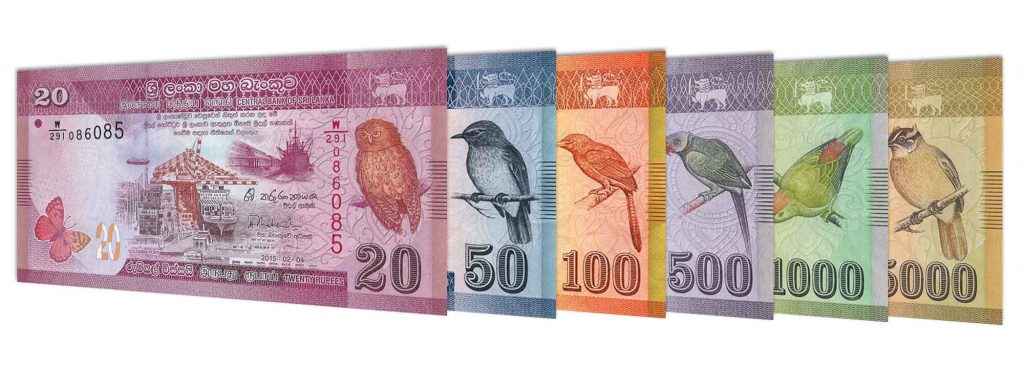
The official currency of Sri Lanka is the Sri Lankan Rupee (LKR). The currency is subdivided into 100 cents, though in everyday transactions, cents are rarely used due to their diminutive value. Banknotes are available in a variety of denominations including 10, 20, 50, 100, 200, 500, 1000, 2000, and 5000 rupees, ensuring an accessible range for commercial and daily use. A subset of coins is also in circulation, typically in the denominations of 1, 2, 5, and 10 rupees.
Analysis of Currency Trends
Appreciation
Currency appreciation occurs when the domestic currency increases in value relative to other currencies. In the recent past, particularly in 2023, the Sri Lankan Rupee experienced a notable appreciation. This surge was driven by several factors, including improved economic policies, higher foreign exchange inflows, and an increase in investor confidence. Improved fiscal measures and foreign reserves played crucial roles in this resurgence. Appreciation has its benefits in terms of reducing the cost of imports and mitigating inflationary pressures. However, a stronger rupee can also make exports relatively more expensive, potentially affecting the export sector adversely.
It is important to note that while a period of appreciation can signal a recovery and enhanced economic stability, it brings with it a set of challenges. Maintaining competitiveness of domestic goods becomes pivotal, and policy makers must balance these dynamics carefully.
Depreciation
Conversely, currency depreciation involves a decline in the value of the domestic currency relative to foreign currencies. This phenomenon has been particularly pronounced in Sri Lanka during 2022, when the rupee depreciated dramatically—by approximately 44.8% against the US Dollar. Such steep depreciation was largely a result of economic mismanagement, low foreign reserves, political instability, and external shocks, including the global economic situation.
Depreciation, while posing challenges such as increased inflation and higher import costs, can also benefit the export sector by making local products cheaper on the international stage. Nonetheless, prolonged or steep depreciation places a significant burden on the economy, especially if imported goods become prohibitively expensive, leading to further economic imbalances.
Exchange Rate System
Sri Lanka operates under a managed floating exchange rate system. In this system, while market forces primarily determine the currency’s value, the Central Bank of Sri Lanka (CBSL) possesses the authority to intervene when necessary. Such interventions aim to mitigate excessive volatility and help stabilize the local economy. The coordinated actions encompass adjustments in foreign exchange reserves, modified interest rates, and fiscal policies designed to cushion the impact of global economic fluctuations.
Through this approach, the CBSL strives to strike a balance between relying on market dynamics and implementing controls that foster economic stability. Such a system is particularly important given the economic challenges the country has faced in recent years.
Five-Year Currency Comparison
Year-by-Year Overview (2019-2024)
The currency dynamics of Sri Lanka over the past five years reveal a tumultuous yet insightful narrative. The analysis centers on trends from early stages of stability, moving through severe depreciation, and then witnessing periods of recovery and appreciation. Below is a detailed table summarizing the key changes and events associated with the Sri Lankan Rupee over the last five years up until 2024.
| Year | Exchange Rate (Approx.) | Trend | Key Economic Factors |
|---|---|---|---|
| 2019 | LKR 180-190 | Stability | Moderate economic conditions; stable foreign exchange reserves. |
| 2020 | LKR 190-210 | Gradual Depreciation | COVID-19 pandemic impact, slight vulnerability in foreign reserves. |
| 2021 | LKR 230-240 | Continued Depreciation | Pandemic-related economic setbacks and market uncertainties intensified. |
| 2022 | LKR Approximated near 360 | Severe Depreciation | Heavy economic mismanagement, steep decline due to external shocks, and high inflation. |
| 2023 | LKR 295-305 | Significant Appreciation | Economic reforms, increased foreign exchange inflows, and improved investor confidence. |
| 2024 | LKR 294-300 | Moderate Fluctuations | Ongoing recovery with stabilized yet cautious policy interventions. |
These trends not only reflect the immediate responses to global and local economic challenges but also mirror the ongoing efforts by policymakers to reconstruct and stabilize the financial environment in the country. The drastic depreciation in 2022, followed by a period of recovery in 2023, is particularly illustrative of the complexities involved in maintaining currency stability.
Current Scenario in 2025
As we step into 2025, the economic scenario in Sri Lanka continues to be shaped by both internal and external pressures. The latest data shows that as of early March 2025, the USD to LKR exchange rate stands at approximately 295.81. Despite the challenges that the nation has faced, the rupee appears relatively stable compared to the dramatic dips observed in the previous years.
Key Factors Influencing the 2025 Scenario
Several factors have contributed to this stabilization:
- Central Bank Interventions: The CBSL continues to engage in active policy management through controlled interventions, thus cushioning the rupee from excessive volatility.
- Foreign Exchange Inflows: Ongoing negotiations, improved investor confidence, and increased remittance flows have played a crucial role in bolstering the currency.
- Economic Reforms: Structural reforms and fiscal measures implemented over the past couple of years are beginning to yield positive results.
- Global Economic Environment: Shifts in global economic patterns have also contributed towards stabilizing the rupee, with a more favorable balance in foreign trade.
Although there remains a degree of vulnerability—especially in terms of inflationary pressures and the potential impact of international economic slowdowns—the interventions and policies adopted by the government and central bank seem to be foundational in positioning the Sri Lankan economy for a period of gradual stabilization and recovery.
Detailed Break Downs
Exchange Rate Policy
The managed floating exchange rate system has been instrumental in guiding Sri Lanka’s currency amidst widespread market challenges. In contrast to a fixed or pegged system, a managed float allows the rupee to move in line with market trends while giving the Central Bank the flexibility to intervene when circumstances demand. These interventions are often aimed at:
- Reducing Volatility: By tapping into foreign reserves during periods of rapid depreciation or excess appreciation, the bank can moderate drastic swings.
- Enhancing Investor Confidence: Regular interventions and policy communications help maintain a sense of assurance among international investors and stakeholders.
- Balancing Trade Deficits: Such policies help cushion the economic impact of import-dependent sectors by stabilizing the rupee.
This balance is critical in mitigating the negative effects of both depreciation and appreciation. An overly strong rupee, although beneficial for imports, can hurt domestic exports by making them less competitively priced. Similarly, an excessively weak rupee can result in soaring import costs, fueling inflation. The CBSL’s efforts have focused on managing these two extremes to ensure sustainable long-term economic growth.
Implications of Currency Movements
Benefits and Challenges of Appreciation
The notable appreciation witnessed in recent times brings several benefits, such as reduced costs for imported raw materials and lower inflation rates. Nevertheless, a surge in the rupee’s valuation can also negatively affect Sri Lanka’s export-oriented industries, as the increased cost of local goods in the global market may reduce their competitiveness. Policymakers are thus tasked with striking a delicate balance—capitalizing on the benefits of a strong currency while mitigating its adverse effects on key sectors of the economy.
Downsides of Depreciation
Pronounced depreciation, particularly observed in 2022, significantly elevated the cost of imported goods, triggering higher inflation and reducing the purchasing power of the local population. However, depreciation does offer certain competitive advantages for exports by making home-produced goods more affordable internationally. The critical challenge lies in ensuring that while the benefits of a cheaper rupee are exploited to boost exports, the negative ramifications such as inflation are kept under strict control.
References
- LKR Depreciation Analysis - Lankanewsweb
- Sri Lankan Currency Trends - TradingEconomics
- Economic Impact of Currency Appreciation - LinkedIn
- Exchange Rates from CBSL - Central Bank of Sri Lanka
- Rupee Appreciation Insights - EconomyNext
Recommended Next Steps for In-Depth Exploration
Last updated March 7, 2025