
Sri Lanka: An In-Depth Insight
A Comprehensive Overview of the Country and Its Currency Dynamics
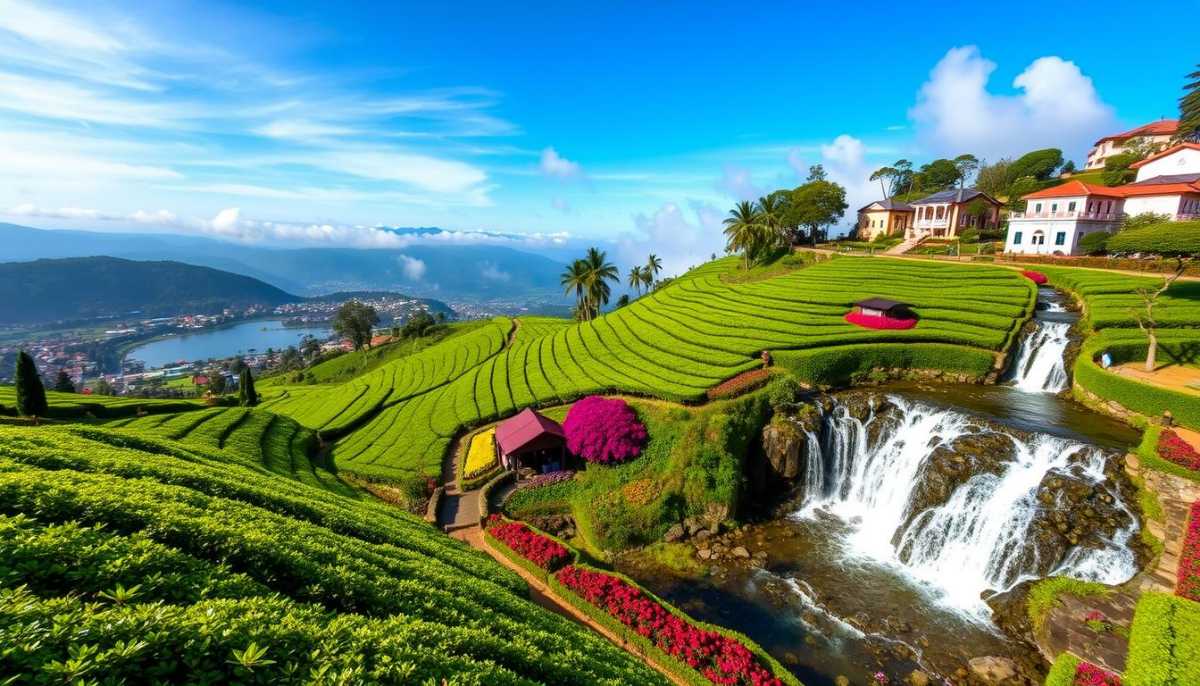
Highlights
- Rich Cultural History and Strategic Location
- Currency Performance: Appreciation vs. Depreciation
- Exchange Rate Evolution and Recent Economic Trends
Page 1: Introduction of the Country
Sri Lanka, officially known as the Democratic Socialist Republic of Sri Lanka, is a picturesque island nation located in South Asia. Nestled in the Indian Ocean, just off the southeastern coast of the Indian peninsula, it is separated by the Gulf of Mannar and the Palk Strait. This island nation, renowned for its rich tapestry of cultures, has played a pivotal role in the history of maritime trade and continues to attract global interest with its historical sites, lush landscapes, and diverse cultural legacy.
With a population nearing 22 million people, Sri Lanka boasts enchanting landscapes and significant cities—Colombo, the vibrant commercial hub, and Sri Jayawardenepura Kotte, the administrative capital. The country’s enduring heritage, illustrious Buddhist traditions, and centuries-old irrigation systems contribute to its global reputation as a nation of complexity and charm.
Page 2: Currency Overview and Economic Background
The official currency of Sri Lanka is the Sri Lankan Rupee (LKR). Historically, the Rupee has experienced varied phases in its value as the nation navigated through economic reforms, political transitions, and global market influences. Over the years, the country has adopted and adapted its monetary policies to better respond to internal challenges and external economic pressures.
In recent decades, economic challenges, foreign debt accumulation, and external shocks have left a significant imprint on the country’s currency performance, leading to periods of both currency appreciation and depreciation.
Page 3: Analysis of Currency Appreciation and Depreciation
Currency Appreciation
Currency appreciation in Sri Lanka occurs when the Sri Lankan Rupee (LKR) strengthens relative to other currencies. Such developments can be spurred by factors such as:
- Improved trade balances resulting from increased exports or decreased imports.
- Foreign direct investments that enhance confidence in local economic prospects.
- Strong macroeconomic policies and fiscal reforms that instill confidence among global investors.
While appreciation can decrease the cost of imports and reflect economic stability, it may also negatively impact export competitiveness by rendering Sri Lanka’s goods more expensive in foreign markets.
Currency Depreciation
On the other hand, currency depreciation refers to a decrease in the value of the LKR relative to other currencies. This phenomenon may be triggered by several factors, including:
- Increased foreign debt and fiscal imbalances.
- A persistent trade deficit where imports outweigh exports.
- Economic instability or political uncertainties that shake investor confidence.
Depreciation can boost export competitiveness by making Sri Lankan products cheaper internationally; however, it often leads to higher import costs, exacerbating inflation and straining the balance of payments.
Page 4: The Exchange Rate System in Sri Lanka
Overview of the Exchange Rate Regime
Sri Lanka employs an independently floating exchange rate system. Since the transition in January 2001, the market has predominantly determined the value of the Sri Lankan Rupee, allowing it to adjust based on supply and demand dynamics in the global foreign exchange market. This shift from a managed floating system to a completely floating model aimed to provide greater flexibility in response to external shocks and internal economic shifts.
This exchange rate system means that fluctuations in the LKR are reflective of underlying economic fundamentals such as market sentiment, trade performance, and fiscal policies. The floating system, while responsive to market forces, also demands careful monitoring by policymakers to mitigate sudden volatility that could adversely affect the domestic economy.
Page 5: Last Five Years Comparison (2019-2024)
The period from 2019 to 2024 has been marked by significant economic turbulence as Sri Lanka grappled with the lingering effects of a severe economic crisis. During this time, the Sri Lankan Rupee experienced considerable depreciation, influenced by factors such as rising external debt, reduced foreign investment inflows, and challenges in achieving fiscal balance.
Comparative Table: Currency Developments (2019-2024)
| Year | Approximate Exchange Rate (LKR per USD) | Key Economic Event |
|---|---|---|
| 2019 | ~200 | Onset of economic challenges |
| 2020 | ~240 | Increased fiscal imbalances amid global shocks |
| 2021 | ~280 | Significant depreciation during crisis peak |
| 2022 | ~300 | Continued economic pressure and external borrowing |
| 2023 | ~310 | Early signs of recovery with stabilization efforts |
| 2024 | ~320 | Gradual economic reforms and moderate improvement |
This table illustrates the trajectory of the rupee, reflecting persistent depreciation over the years as economic challenges piled up. The gradual movement points to a responsive, albeit strained, monetary system adapting to both internal and external pressures.
Page 6: Current 2025 Economic Scenario
As of 2025, Sri Lanka's economy finds itself at a critical crossroads. With an expected growth rate of around 5%, the government is actively implementing reforms to stabilize the economy. Measures include seeking assistance from international financial institutions, encouraging foreign direct investment, and tightening fiscal policies. However, the economy continues to face challenges, including managing high inflation and balancing a substantial fiscal deficit.
The currency remains under pressure, with ongoing volatility influenced by global market dynamics and domestic policy adjustments. The floating exchange rate system allows the LKR to respond to these factors, yet it also makes the economy sensitive to rapid shifts in investor sentiment. Policymakers are thus charged with the delicate task of fostering stability while pursuing growth-oriented reforms.
Page 7: Policy and Fiscal Reform Initiatives
Recognizing the critical need for economic stabilization, Sri Lankan policymakers have introduced several reform measures designed to restore confidence and promote sustainable growth. Key initiatives include:
- Fiscal Discipline: A stringent approach to controlling government spending and reducing the budget deficit, which is targeted at 6.7% of GDP for 2025.
- Structural Reforms: Policy measures aimed at enhancing domestic production efficiency, diversifying export markets, and curtailing unnecessary import dependency.
- Monetary Policy Adjustments: The Central Bank’s careful interventions in the foreign exchange market to mitigate sudden fluctuations in the rupee value.
- Digital Economy Expansion: Initiatives to grow the digital sector, which is projected to contribute significantly to the national economy in the coming years.
These initiatives collectively aim to create a more resilient economic framework that can better withstand future external shocks, ensuring that the nation’s developmental trajectory remains on course.
Page 8: Conclusion
In summary, Sri Lanka stands as a country with a rich cultural heritage and a dynamic economic landscape. Over the past several years, the Sri Lankan Rupee has experienced notable depreciation driven by structural challenges and external pressures, while periods of appreciation have been linked to policy interventions and improved investor sentiment. The nation’s independent floating exchange rate system plays a crucial role in reflecting the true state of market fundamentals, though it also adds a layer of volatility demanding vigilant oversight.
With its continued efforts to reform fiscal policies and stabilize the economy, Sri Lanka is charting a path toward recovery and sustainable growth. The lessons learned from past economic fluctuations serve to underpin future strategies aimed at balancing growth with financial stability.
Page 9: References
- Sri Lanka: Introduction - globalEDGE
- Sri Lanka - Wikipedia
- Sri Lanka | History, Map, Flag, Population, Capital, & Facts - Britannica
- Sri Lanka Economic Growth 2025 - EconomyNext
- Central Bank of Sri Lanka
Recommended for Further Exploration
 assets.kpmg.com
 sleconomynow.blogspot.com
Last updated March 7, 2025