
Understanding SRUM: A Dual Perspective
Detailed insights into Windows system resource monitoring and agile project management
Key Highlights
- Forensic Artifact: SRUM (System Resource Usage Monitor) tracks system and application resource usage in Windows.
- Agile Framework: Scrum is a lightweight, iterative framework used for managing complex projects.
- Dual Relevance: While similarly pronounced, these concepts serve very distinct purposes in digital forensics and project management.
Introduction
The term "SRUM" can refer to two fundamentally distinct subjects: one is the Windows System Resource Usage Monitor, a component designed for monitoring and logging system and application resource data, primarily for forensic analysis and system performance tracking; the other, a similarly pronounced term "Scrum," denotes a widely adopted agile framework used in project management to enhance iterative development and team collaboration. Given the overlap in their nomenclature, especially in casual discussion, it is essential to distinguish between the two and explore their respective importance and applications.
Section 1: SRUM in Windows Forensics
Overview of Windows System Resource Usage Monitor
SRUM, short for System Resource Usage Monitor, is a component introduced with Windows 8 that continually tracks a comprehensive range of system and application metrics. Stored in a special database, typically located at C:\Windows\System32\sru\SRUDB.dat, this monitor maintains logs on system resource utilization over a period of up to 60 days. The information within the SRUM database is updated on an hourly basis as well as during system shutdowns, ensuring that detailed historical resource usage data is captured.
Key Functions of SRUM
The SRUM system is crucial for several technical and forensic applications, providing insights into:
- Application Usage: SRUM records details such as application launches, frequency of use, CPU, and memory consumption, thereby offering a timeline of user interactions with various programs.
- Network Activity: It catalogues network connectivity events and data usage, which includes monitoring when and how a system connects to networks, essential for network forensic investigations.
- Energy Consumption: By tracking energy usage, SRUM helps assess the power consumption patterns of systems, an important factor in understanding battery life and overall power management on portable devices.
- Push Notifications: It logs Windows push notifications and other alerts, providing context on system interactions and automated processes.
- Miscellaneous Metrics: Additional metrics can include CPU cycles and process-specific details, which are vital for building a complete picture of system performance and usage over time.
Forensic Importance of SRUM
The forensic utility of SRUM is significant. Experts in digital forensics use SRUM data to reconstruct system usage patterns, timelines, and behavioral analysis. Because SRUM data is maintained even if some app-specific files or logs are deleted, it stands as a robust artifact that can help:
- Reconstruct user activities by providing time-stamped logs of application usage.
- Correlate system performance with incidents or malicious activities during a security breach.
- Validate or refute alibis and user claims in digital investigations by offering an independent record of system behavior.
- Monitor network connectivity and data usage, which is valuable in tracking command and control communications during cyber incidents.
Tools have been developed specifically for interfacing with the SRUM database. For instance, utilities like SRUM-Dump convert the complex Extensible Storage Engine (ESE) format into human-readable formats (such as Excel spreadsheets), thereby streamlining the analysis process for forensic investigators.
Technical Aspects and Data Structures
The SRUM database uses the Extensible Storage Engine, a format shared with other Microsoft systems such as Active Directory and Microsoft Exchange. This design ensures both efficiency and scalability. The continuous logging mechanism—involving updates on a scheduled (hourly) basis and during secure shutdown events—reinforces the integrity and completeness of the resource utilization timeline. For forensic examinations, the reliability and periodic nature of these log updates are invaluable in creating reliable timelines.
Section 2: Scrum in Agile Project Management
Overview of Scrum
Transitioning from digital forensics to project management, Scrum is a framework within the Agile methodology designed to manage and complete complex projects through iterative progress. Initially developed for software development teams, Scrum has expanded its application across various industries due to its flexibility, transparency, and emphasis on continuous improvement.
Core Components of Scrum
Scrum is built around a few key roles, artifacts, and events that structure the workflow:
- Roles:
- Product Owner: This role is accountable for defining the vision of the product, prioritizing needs through the product backlog, and ensuring the team delivers value.
- Scrum Master: Acts as a facilitator, ensuring that Scrum practices are followed, removing obstacles, and promoting a healthy team dynamic.
- Development Team: Composed of cross-functional members who collaborate to create a product increment during each sprint.
- Artifacts:
- Product Backlog: An evolving, prioritized list of work items, including features, enhancements, and fixes.
- Sprint Backlog: A subset of items from the product backlog chosen for completion during the current sprint, accompanied by a plan for achieving the sprint goal.
- Increment: The cumulative output of the tasks completed in a sprint—a potentially shippable piece of the product.
- Events:
- Sprint: The time-boxed period (typically 1-4 weeks) during which work is completed.
- Sprint Planning: A meeting that outlines the work to be done, setting the sprint goal.
- Daily Scrum (Stand-up): A brief daily meeting to review progress, highlight obstacles, and plan daily activities.
- Sprint Review: A session at the end of the sprint where the work is demonstrated to stakeholders for feedback.
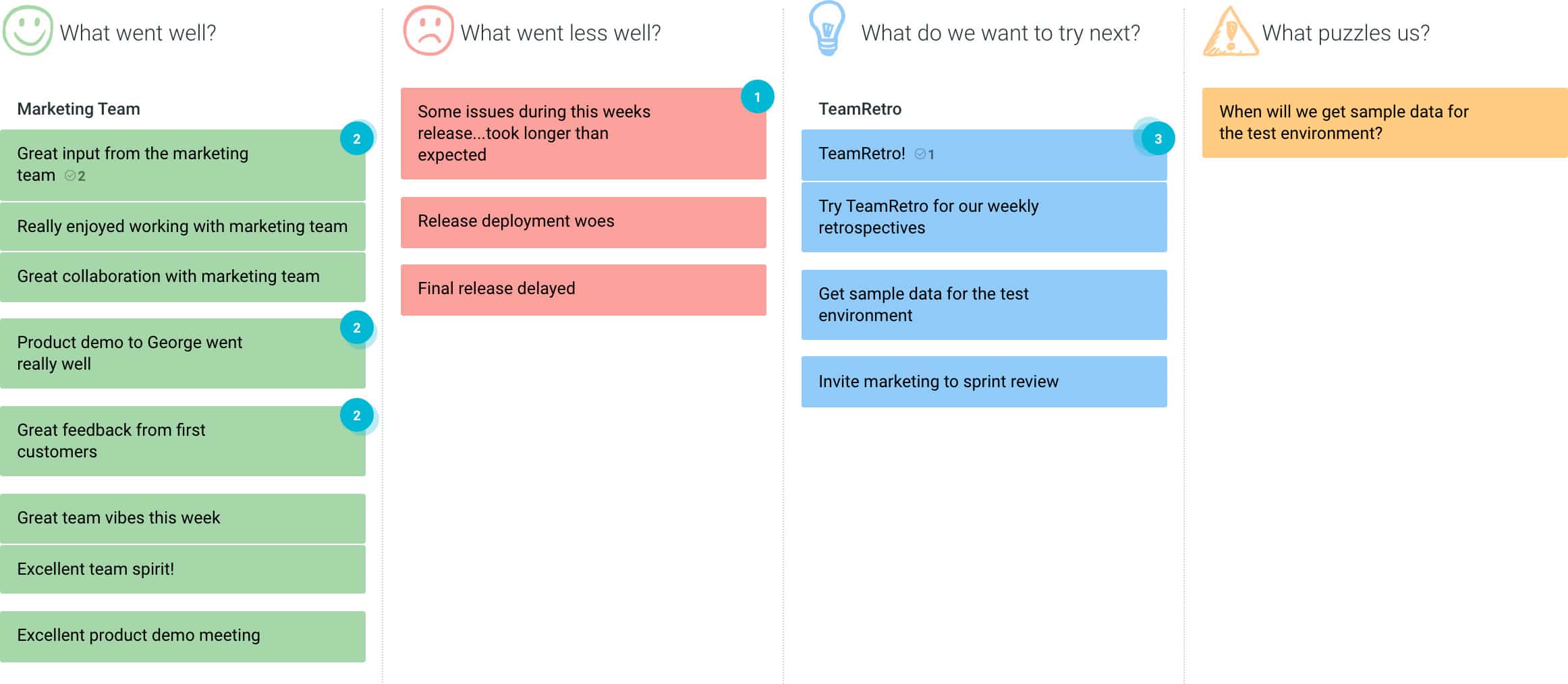
- Sprint Retrospective: A review session for the team to reflect upon the sprint, identify improvements, and adjust processes.
Advantages of Implementing Scrum
Scrum offers several noteworthy benefits that make it an attractive framework for project management:
- Flexibility: The iterative nature of Scrum enables teams to adapt to changing requirements and pivot as necessary based on stakeholder feedback.
- Enhanced Transparency: Daily scrums and sprint reviews ensure that every team member and stakeholder is consistently informed about project progress and issues.
- Rapid Delivery: With work divided into small, manageable sprints, teams can produce incremental outputs quickly, ensuring that functional parts of the product are frequently delivered.
- Continuous Improvement: Through sprint retrospectives, teams are encouraged to review their performance and adopt better practices, fostering a culture of ongoing learning and enhancement.
- Collaboration and Empowerment: Scrum emphasizes a self-organizing team structure that encourages accountability and close collaboration among team members.
Section 3: Comparative Analysis: SRUM versus Scrum
Conceptual Distinctions and Overlaps
Although they sound similar, SRUM and Scrum serve entirely different domains. However, understanding their distinctions can help avoid confusion, especially in interdisciplinary environments where both digital forensics and agile methodologies play a role.
Domain and Application
SRUM in Windows refers to a monitoring tool that logs resource usage, system performance, and application behavior over time. It is primarily employed in digital forensic investigations, system performance analysis, and incident response scenarios. Its meticulous record-keeping aids in establishing timelines and validating system activity, making it a trusted source during forensic examinations.
On the other hand, Scrum is a project management framework that optimizes teamwork and iterative development. By breaking projects into sprints and employing roles like the Scrum Master and Product Owner, it helps teams manage complexity and ensure a regular cadence of progress with a focus on customer feedback and continuous improvement.
Structure and Methodology
The structure of SRUM is deeply integrated with the operating system, operating in the background to log performance data and system interactions. Its methodological foundation relies on periodic updates and logging, which are automatically conducted without direct user intervention.
Scrum, in contrast, is a human-centric methodology that requires active participation and communication. Its structure is defined by ceremonies (daily scrums, sprint reviews, etc.) and roles that encourage an iterative, transparent, and adaptive approach to project development.
Table Comparison
| Aspect | SRUM (System Resource Usage Monitor) | Scrum (Agile Framework) |
|---|---|---|
| Primary Domain | Digital forensics and system performance analysis | Project and product development in various industries |
| Functionality | Monitors and logs system resource usage, network activity, and energy consumption | Manages work via iterative sprints, emphasizes communication and team collaboration |
| Operation | Automated logging with periodic updates (hourly, shutdown events) | Human-driven meetings, planning, and iterative tasks |
| Key Audience | Forensic analysts, incident responders, system performance engineers | Software teams, product developers, and project managers |
| Outcome | Detailed historical records for investigation and analysis | Incremental product releases and continuous process improvement |
| Usage | Used primarily in cybersecurity forensics and troubleshooting | Used for managing development tasks and product workflows |
Section 4: Detailed Analysis of Each Topic
SRUM in Depth
Diving deeper into the SRUM system in Windows, it is important to recognize its evolving role as a forensic tool. Digital forensics experts greatly regard SRUM for its ability to provide a granular record of a system’s historical performance data. Key details include:
- Data Persistence and Analysis: SRUM stores historical data for a period typically ranging from 30 to 60 days. This extended timeframe enables forensic analysts to build a comprehensive narrative of system usage, filling in gaps that might be present in other logs or transient system artifacts.
- Resource Monitoring: With details on application usage, network activity, and energy consumption, SRUM plays a crucial role in understanding how a system allocates its resources. Not only does this help in system optimization, but it also serves as a critical checkpoint during forensic investigations, revealing patterns that might indicate anomalous behavior.
- Forensic Investigations: In cases of potential security breaches or unauthorized activity, the SRUM database can be cross-referenced with other artifacts—such as Windows Event Logs, registry entries, and user account activities—to build a more reliable and chronological timeline. This comprehensive approach can be instrumental in identifying suspicious activities or insider threats.
- Tools and Techniques: The forensic community has developed numerous tools that help parse and analyze the SRUM database. Converters and utilities transform the proprietary ESE format into more accessible forms, facilitating correlation and detailed analysis for incident response and legal proceedings.
Additionally, SRUM data can be leveraged to uncover patterns in system resource usage that may not immediately appear in standard performance monitoring tools. Its capability to track even subtle shifts in application behavior or network communications makes it indispensable for continuous monitoring and cybersecurity defense mechanisms.
Scrum in Depth
On the project management side, Scrum has revolutionized how teams approach complex projects by introducing a flexible, empirical process control model. In-depth examination of Scrum reveals several critical aspects:
- Iterative Approach: Scrum divides work into manageable sprints, typically lasting between one to four weeks. This iterative approach not only enables teams to deliver parts of the product incrementally but also allows for rapid feedback and adjustment, which is particularly crucial in environments with frequently changing requirements.
- Role Clarity and Empowerment: Scrum clearly defines roles that facilitate accountability and self-organization. The Product Owner ensures that the team's efforts align with business priorities, while the Scrum Master removes obstacles and coaches the team on best practices. This structure empowers the development team to self-manage and innovate without the constraints of more traditional management hierarchies.
- Enhanced Communication: Daily stand-up meetings ensure transparency and continuous communication, which helps in early detection of impediments and fosters a collaborative work environment. The regular cadence of sprint reviews and retrospectives encourages continuous improvement and helps teams pivot quickly when required.
- Business Value Focus: The iterative releases produced in Scrum ensure that product increments are not only complete but also aligned with end-user needs. This continuous focus on delivering business value means that even in the early stages of a project, stakeholders can provide feedback, which guides the project's evolution.
To further illustrate, many organizations implementing Scrum witness enhanced productivity and improved product quality due to its regular feedback loops and emphasis on sustainable development. These practices, when paired with proper agile tools and software, pave the way for robust team performance and deliver products that align closely with customer requirements.
Conclusion
In conclusion, understanding "SRUM" requires clarity on the context in which the term is used. On one hand, as a component in Windows operating systems, SRUM (System Resource Usage Monitor) is a powerful tool for tracking resource usage, providing forensic evidence, and supporting incident response through detailed logging of system and application behavior. On the other hand, when one refers to "Scrum," they are discussing an agile framework that revolutionizes project management through iterative development, enhanced communication, and continuous improvement. Both SRUM and Scrum offer invaluable insights in their respective domains—be it through detailed forensic data collection or by enabling agile and dynamic product development. By comprehensively understanding these distinct applications, professionals in forensics and project management can leverage the full potential of each system to improve operational efficiency, security, and product outcomes.
References
- SRUM Analysis on GitHub - GitHub
- SRUM Forensics Overview - Medium
- Forensic Analysis of SRUM - Magnet Forensics
- Forensic Insights on SRUM - Forensafe
- Decoding Windows SRUM - Medium
- SRUM Dump Utility - GitHub
Recommended Queries
Last updated February 19, 2025