
Unlock the Secret: How to Keep Acidic Thiourea Solutions Stable and Potent
Discover effective strategies to prevent the breakdown of thiourea in acidic environments, ensuring its longevity and effectiveness.
Highlights: Key Takeaways for Stability
- Maintain Optimal Acidity: Thiourea is generally most stable in mildly acidic conditions, typically within a pH range of 1 to 4. Avoid extreme acidity or alkalinity.
- Control Temperature: Keep the solution cool, ideally below 30°C (86°F), as higher temperatures significantly accelerate decomposition reactions.
- Prevent Oxidation: Protect the solution from oxidizing agents like ferric (Fe³⁺) and cupric (Cu²⁺) ions, dissolved oxygen, and light. Consider using stabilizers like sulfur dioxide, sodium sulfite, or citrate.
Why Does Acidic Thiourea Break Down?
Understanding the Decomposition Pathways
Thiourea (SC(NH₂)₂) is a versatile organic compound used in various applications, including metal leaching and chemical synthesis. However, its stability in solution, especially under acidic conditions, can be challenging. Decomposition primarily occurs through two main pathways: hydrolysis and oxidation.
In acidic solutions, while generally more stable than in alkaline ones (especially below pH 4.5), thiourea is susceptible to oxidation. This process is often catalyzed by oxidizing agents naturally present or introduced as contaminants. Common culprits include:
- Metal Ions: Ferric (Fe³⁺) and cupric (Cu²⁺) ions are particularly detrimental, acting as potent catalysts for thiourea oxidation.
- Dissolved Oxygen: Exposure to air allows oxygen to dissolve in the solution, promoting oxidative degradation.
- Other Oxidants: Substances like hydrogen peroxide can also accelerate breakdown.
Oxidation initially converts thiourea into formamidine disulfide, leading to loss of the active compound and potentially generating unwanted byproducts like ammonia (NH₃) and various sulfur compounds. Temperature also plays a critical role; while significant thermal decomposition occurs at much higher temperatures (starting around 187.5°C), the rate of chemical decomposition in solution increases substantially even with moderate temperature rises.
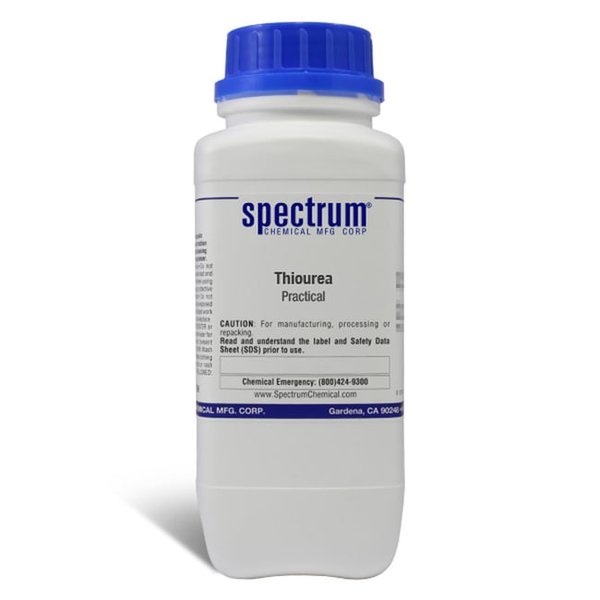
Commercial packaging of thiourea reagent.
Core Stabilization Strategies: Controlling the Environment
Mastering pH, Temperature, and Contaminant Control
Preventing the breakdown of acidic thiourea solutions hinges on controlling the key environmental factors that drive decomposition.
pH Management: Finding the Sweet Spot
Maintaining the correct pH is crucial. Thiourea exhibits its best stability in mildly acidic solutions, generally within a pH range of 1 to 4. While it's more stable here than in neutral or alkaline conditions, excessively low pH (very strong acids) can sometimes accelerate certain degradation pathways, particularly if oxidizing agents are present. Careful monitoring and adjustment to keep the pH within this optimal range are essential.
Temperature Control: Keeping it Cool
Heat is a major enemy of thiourea stability. Reaction rates, including decomposition, increase significantly with temperature. To slow down breakdown, it's highly recommended to maintain the solution temperature below 30°C (86°F). Storing solutions at room temperature or, even better, under refrigeration (e.g., 4-20°C or 39-68°F) when not in use can substantially extend their shelf life.
Preventing Oxidation: Guarding Against Attack
Oxidation is a primary cause of thiourea loss in acidic solutions. Effective stabilization requires minimizing exposure to oxidizing agents.
Avoiding Contaminants
The presence of catalytic metal ions, especially Fe³⁺ and Cu²⁺, dramatically accelerates oxidation. Preventing contamination is key:
- Use high-purity or deionized water for solution preparation.
- Employ clean, non-reactive equipment (glass or high-density polyethylene - HDPE).
- If possible, pre-treat solutions or source materials to remove or sequester these metal ions before adding thiourea, especially in applications like ore leaching.
- Avoid contact with other potential oxidants like hydrogen peroxide unless specifically required by the process.
Atmosphere and Storage
Protecting the solution from atmospheric oxygen and light further inhibits oxidative degradation:
- Store solutions in airtight containers to minimize contact with air (oxygen).
- Use opaque or dark-colored containers (e.g., amber glass or opaque HDPE) to prevent light-induced reactions.
- For maximum stability, especially during long-term storage, consider purging the headspace of the container with an inert gas like nitrogen (N₂) to displace oxygen.
- Ensure storage areas are cool and well-ventilated, avoiding exposure to moisture which can also contribute to degradation.
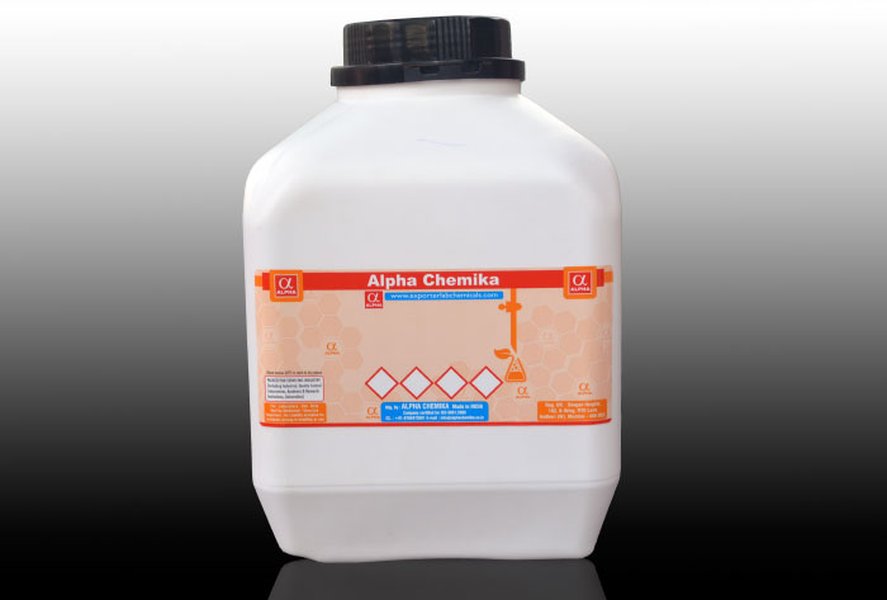
Thiourea is often supplied in sealed containers to protect it from moisture and contaminants.
Chemical Stabilizers: Enhancing Solution Longevity
Leveraging Additives to Combat Decomposition
Beyond environmental controls, specific chemical additives can actively stabilize acidic thiourea solutions by counteracting decomposition mechanisms, primarily oxidation.
Reducing Agents and Antioxidants
These substances work by preferentially reacting with oxidants or by maintaining a reducing environment, thus protecting thiourea.
- Sulfur Dioxide (SO₂): Recognized as an effective stabilizer, particularly in gold leaching circuits (like Carbon-in-Leach). SO₂ acts as a potent scavenger of oxidizing agents like Fe³⁺ (reducing it to the less harmful Fe²⁺) and dissolved oxygen. It can be introduced carefully into the solution, helping to maintain thiourea integrity.
- Sodium Sulfite (Na₂SO₃): Although often discussed in the context of alkaline thiourea, sodium sulfite also functions as an antioxidant in acidic media. It can react with dissolved oxygen and potentially form protective hydrogen-sulfur bonds with thiourea molecules, inhibiting their oxidation. Typical concentrations might range from 0.1% to 1% w/v, but optimization is needed.
Chelating Agents
These compounds work by binding or "chelating" problematic metal ions like Fe³⁺ and Cu²⁺, rendering them unable to catalyze thiourea oxidation.
- Citrate and Oxalate: Research has shown that adding organic acids like citric acid or oxalic acid (or their salts) can significantly reduce thiourea consumption in acidic leaching processes. They form stable complexes with metal ions. Citrate, in particular, has been noted for its superior performance in stabilizing thiourea by effectively sequestering Fe³⁺.
Other Potential Stabilizers
Other compounds have shown promise or relevance in specific contexts:
- Sodium Silicate (Na₂SiO₃): Primarily used in alkaline solutions where it's thought to form protective structures around thiourea, its utility in acidic conditions is less established but potentially relevant in mildly acidic systems.
- Sodium Borohydride (NaBH₄): Used in some processes involving thiourea, it acts as a strong reducing agent, which could indirectly contribute to stability by minimizing overall oxidative stress.
The choice and concentration of a stabilizer depend heavily on the specific application, the types of contaminants present, and compatibility with other process chemicals. Experimental testing is often required to determine the most effective approach.
Comparative Effectiveness of Stabilization Methods
Visualizing the Impact of Different Strategies
Stabilizing acidic thiourea involves multiple factors. This chart provides a comparative overview of different strategies based on criteria like overall effectiveness in preventing breakdown, relative cost, ease of implementation, and general compatibility with typical acidic processes. Scores are indicative and relative, intended to illustrate general trade-offs.
This visualization suggests that while controlling core factors like temperature and excluding oxidants is highly effective, chemical stabilizers like SO₂ or citrate offer potent protection, albeit sometimes with added complexity or cost. An inert atmosphere provides excellent protection but can be the most difficult and costly to implement.
Key Factors Influencing Stability: A Mind Map
Visualizing the Interconnected Elements
The stability of acidic thiourea solutions depends on a network of interconnected factors. This mind map illustrates the primary influences discussed, highlighting how environmental conditions, contaminants, and stabilizing agents interact.
(High conc. may reduce stability)"]
Understanding these relationships allows for a multi-faceted approach to stabilization, addressing each contributing factor for the best results.
Practical Considerations and Applications
Applying Stabilization Techniques Effectively
Implementing these stabilization strategies requires careful consideration of the specific context:
- Optimization is Key: The effectiveness and required concentration of chemical stabilizers (like SO₂, Na₂SO₃, or citrate) can vary. Experimental testing is often necessary to find the optimal balance between stability, cost, and compatibility with the overall process. Overdosing stabilizers can sometimes cause unintended side effects.
- Industrial Relevance: Stabilized acidic thiourea solutions are particularly important in hydrometallurgy, such as the leaching of gold and silver from ores or electronic waste, especially where cyanide is undesirable. Using stabilizers like SO₂ in Carbon-in-Leach (CIL) processes has shown improved efficiency and reduced reagent consumption.
- Monitoring: Regular monitoring of pH, temperature, and potentially the concentration of key oxidizing ions (like Fe³⁺) is crucial for maintaining long-term stability, especially in continuous or large-scale operations.
- Fresh Preparation: Whenever possible, preparing solutions fresh before use minimizes degradation risks associated with long-term storage. If storage is necessary, implementing the recommended temperature, light, and air exclusion measures is vital.
Stabilization Method Summary
At-a-Glance Comparison
This table summarizes the primary stabilization methods discussed:
| Method | Mechanism | Typical Conditions/Notes | Pros | Cons |
|---|---|---|---|---|
| pH Control | Thiourea inherently more stable at low pH. | Maintain pH 1-4. | Fundamental, relatively easy to monitor. | Does not prevent oxidation if agents present. |
| Temperature Control | Slows reaction kinetics. | Keep below 30°C, refrigeration ideal. | Highly effective, non-chemical. | Requires cooling equipment/energy. |
| Oxidant/Light/Air Exclusion | Removes key reactants/catalysts for degradation. | Use DI water, inert containers, airtight/opaque storage, N₂ purge. | Addresses root causes of oxidation. | Requires careful handling, specialized containers/gas. |
| Sulfur Dioxide (SO₂) | Reduces oxidants (Fe³⁺, O₂). | Added carefully, common in leaching. | Very effective antioxidant. | Requires handling SO₂ (gas or solution), potential pH changes. |
| Sodium Sulfite (Na₂SO₃) | Antioxidant, reacts with O₂. | Typically 0.1-1% w/v, optimization needed. | Easier to handle than SO₂. | May be less potent than SO₂, potential side reactions. |
| Citrate/Oxalate | Chelates metal ions (Fe³⁺, Cu²⁺). | Added as acid or salt. Citrate often preferred. | Effective against metal catalysis, relatively benign. | Adds organic load, cost. Effectiveness depends on metal concentration. |
Visualizing Thiourea Applications: Gold Plating Example
Thiourea and Citric Acid in Action
While stabilization is crucial for storage and processes like leaching, thiourea's complexing abilities are also utilized in other areas. This video demonstrates gold plating using an electrolyte containing thiourea and citric acid. Citric acid here acts not only as a pH adjuster and complexing agent for gold but also aligns with the stabilization principles discussed earlier, as citrate can help sequester potentially interfering metal ions, showcasing the synergy between process chemistry and stabilization concepts.
Understanding how thiourea behaves in different acidic environments, alongside compounds like citric acid, provides valuable insights into managing its stability and function.
Frequently Asked Questions (FAQ)
Quick Answers to Common Queries
What is the absolute best pH for acidic thiourea stability?
While generally stable below pH 4.5, the optimal range is often considered to be between pH 1 and 4. Extremely low pH (e.g., below 1) might sometimes increase decomposition in the presence of certain oxidants. The ideal pH can also depend slightly on temperature and the specific contaminants present.
Why are iron (Fe³⁺) and copper (Cu²⁺) ions so bad for thiourea?
Ferric (Fe³⁺) and cupric (Cu²⁺) ions are strong oxidizing agents that act as catalysts, dramatically accelerating the oxidative decomposition of thiourea into formamidine disulfide and other products. Even small amounts can significantly reduce the stability and effectiveness of the solution.
Is simply refrigerating the solution enough to stabilize it?
Refrigeration (keeping below 30°C, ideally lower) is a very effective way to slow down decomposition by reducing reaction rates. However, it doesn't stop oxidation if oxidizing agents (like dissolved oxygen or metal ions) are present. For best long-term stability, combine low temperature with protection from light, air, and contaminants, and potentially use a chemical stabilizer.
What is the main breakdown product I should worry about?
The primary initial product of thiourea oxidation in acidic solution is formamidine disulfide. This represents the loss of active thiourea. Further decomposition can lead to the formation of elemental sulfur, cyanamide, ammonia, and other sulfur-containing compounds, depending on the conditions.
Can I use sodium sulfite (Na₂SO₃) effectively in acidic conditions?
Yes, while often highlighted for alkaline systems, sodium sulfite can act as an antioxidant stabilizer in acidic thiourea solutions too. It helps by scavenging dissolved oxygen and potentially interacting directly with thiourea. However, its effectiveness and optimal concentration might differ from alkaline conditions, and testing is recommended.
References
Further Reading and Sources
- Effect of Stabilizer on Gold Leaching with Thiourea in Alkaline Solutions - MDPI
-
Sulfur dioxide as a thiourea stabilizer in the Carbon-in-Leach (CIL) process for gold recovery from Tuvatu dump tailings under mildly acidic conditions - ScienceDirect (Directly addresses SO₂ stabilization in acidic media)
-
Improved thiourea leaching of gold from a gold ore using additives - ScienceDirect (Discusses citrate and oxalate as stabilizers in acidic conditions)
- Thiourea - 911Metallurgist
- Thermodynamic performance analysis of thiourea based on TG-DSC-FTIR-MS technology - ScienceMadness Archives
-
Acid decomposition and thiourea leaching of silver from hazardous jarosite residues obtained from the zinc industry - ScienceDirect (Highlights impact of Fe³⁺/Cu²⁺ in acidic leaching)
- Thiourea - Vedantu
Recommended
Explore Related Topics
Last updated April 17, 2025