
Understanding Stamp Paper Requirements and Affidavit Validity in Goa
A detailed overview of how stamp paper rules shape legal affidavits in Goa
Highlights
- Stamp Duty Compliance: Ensuring proper stamp duty payment (e.g., ₹20) is essential for affidavit legality.
- Document Execution: The proper execution on duly dated stamp paper and notarization underpins legal robustness.
- Legal Adherence: Following state-specific guidelines and legal formats is vital to avoid potential invalidity.
Introduction
In Goa, the validity of an affidavit heavily depends on adherence to specific stamp paper requirements governed by the prevailing laws and regulations. Affidavits, as legal declarations of facts, must meet certain statutory conditions before they can be considered legally binding. This comprehensive review explains how stamp paper requirements affect the legal credibility and enforceability of affidavits in Goa.
Stamp Paper and Stamp Duty: The Foundation
Stamp Duty Amount and Payment
One of the foremost requirements for affidavits in Goa involves the payment of the stamp duty. Currently, the standard stamp duty for affidavits is set at ₹20. This requirement is rooted in the Indian Stamp Act and aims to capture revenue for the state while also serving as a measure to deter fraudulent documentation.
Stamp Paper Denomination
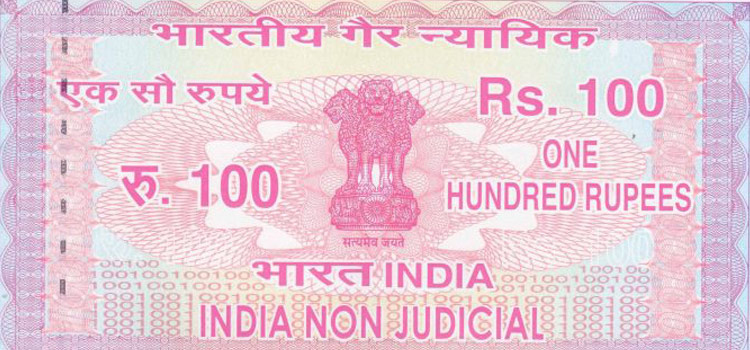
Although various denominations of stamp paper (such as ₹50 or ₹100) might be required for other types of documents or certain forms of affidavits, the standard indication for a general affidavit in Goa is a stamp paper worth ₹20. Using an inadequate or incorrect denomination can render the affidavit void because it may not comply with the legal prerequisites that validate the document.
Date and Payment Verification
Another critical aspect is the dating of the stamp paper. The stamp paper’s date must either precede or at least match the date when the document is signed and executed. Complying with this requirement is vital:
- It certifies that the stamp paper was legally purchased and is valid for use at the time of the affidavit’s execution.
- It ensures that the document reflects a realistic timeline, thereby upholding the integrity of the declaration.
Execution, Notarization, and Legal Formatting
Legal Execution on Stamp Paper
The use of stamp paper is not merely a fiscal formality; it is an integral part of preparing a legally compliant affidavit. Every affidavit must be drafted on an unexpired stamp paper that carries the requisite stamp duty. This step functions as a preventive measure against the creation of fraudulent documents and aids in establishing authenticity in legal proceedings.
Execution Guidelines
When preparing an affidavit:
- The document must be carefully worded to include all factual declarations.
- It should contain personal details of the declarant (such as name, age, address) and a clear, detailed declaration of facts.
- All the information provided must be verifiable and free of ambiguity, as any unclear or incorrect details might lead to legal complications.
Moreover, the stamp paper itself serves as proof that the necessary legal and financial obligations relative to stamp duty have been addressed.
Notarization and Its Significance
While notarization may be optional for certain affidavits, it is widely recommended and sometimes mandated for affidavits used in legal or administrative proceedings. Notarization involves the attestation by a Notary Public or Commissioner of Oaths, which serves the following functions:
- It confirms that the affidavit was executed in the presence of an authoritative official.
- It provides an added layer of verification, strengthening the affidavit's credibility and legal standing.
An affidavit that is both executed on legally compliant stamp paper and notarized is far more likely to be embraced as a reliable document in courts and other administrative contexts.
Compliance with State-Specific Guidelines in Goa
Regulatory Framework and Legal Precedents
Goan law adheres to the general mandates of the Indian Stamp Act, yet it has specific state-level guidelines that affect document preparation. These guidelines are designed to ensure that all legal documents, including affidavits, are executed with a uniform standard so that they stand up under judicial scrutiny.
Key regulatory requirements include:
- Ensuring the stamp paper is unexpired and accurately represents the needed stamp duty.
- Confirming that the physical or digital stamp paper matches the required conditions, especially in an era when e-stamping is being increasingly adopted.
- Verifying that the execution of affidavits happens only after the acquisition of suitable stamp paper.
Current Practices in Affidavit Validation
Modern practices have incorporated several digital means like e-stamping, especially in regions such as Goa. E-stamping introduces a digital verification process that maintains a secure and tamper-proof record of the stamp duty transactions. This integration enhances the overall reliability of legal documents by providing a readily verifiable audit trail.
Practitioners and legal professionals must stay updated with these evolving regulatory frameworks to ensure that every affidavit drafted remains in full compliance with the statutes. Compliance not only fortifies the document's enforceability but also protects the parties involved from future legal disputes.
Practical Implications of Non-compliance
Potential Legal Disadvantages
Deviations from the stipulated stamp paper requirements can have severe legal consequences. Affidavits that fail to meet proper stamp duty obligations or are executed on unofficial or incorrect stamp paper risk being categorized as invalid. This invalidity can lead to:
- The affidavit being rejected by courts or administrative authorities.
- Legal disputes that may arise due to questions over the authenticity or timing of the document.
- Increased likelihood of delays in legal or administrative processing, leading to potential financial or reputational harm.
Legal professionals emphasize the importance of adhering strictly to the required guidelines, as even minute discrepancies such as an incorrect date on the stamp paper can undermine the document's validity.
Impact on Legal Proceedings
In situations involving litigation or administrative resolution, the affidavit serves as a primary piece of evidence. Should the affidavit be crafted on an inadequate stamp paper or one with a date inconsistency:
- The court might dismiss the affidavit, thereby weakening the overall case.
- The opposing party might highlight these discrepancies to challenge the credibility of the facts presented.
- The entire legal process could be compromised, leading to a necessity for re-submission or additional notarization, which increases both time and expense.
A Comprehensive Summary and Table of Key Requirements
Key Requirements Table
| Requirement | Description |
|---|---|
| Stamp Duty Amount | The standard stamp duty for affidavits in Goa is ₹20. Using the correct denomination is crucial. |
| Date Requirement | The date on the stamp paper must be earlier than or equal to the date on the affidavit signatures to ensure validity. |
| Notarization | While optionally enforced in some cases, notarization by a Notary Public strengthens the affidavit’s legal standing. |
| Physical and Digital Compliance | Both physical stamp papers and e-stamping mechanisms must strictly adhere to regulatory guidelines. |
| Execution and Format | Precise execution including correct personal details, structured statements, and adherence to legal format is mandatory. |
Key Takeaways for Practitioners and Citizens
For legal practitioners, auditors, or citizens preparing affidavits in Goa, meticulous attention to the following details is essential:
- Always ensure that the stamp paper used is of the correct denomination as mandated by local state regulations.
- Verify that the stamp paper is correctly dated in relation to the signature date on the affidavit.
- Consider notarization as a best practice to enhance the credibility and legal enforceability of the affidavit.
- Stay informed on any changes in state-specific regulations as legislative frameworks can evolve, particularly with the increasing adoption of digital solutions like e-stamping.
The Role of Digital Advancements in Stamp Paper Processing
E-Stamping and Digitization
With advancements in technology and digital governance, e-stamping has gained prominence, not just in Goa but across various regions in India. E-stamping provides:
- A secure, automated platform for stamp duty payment.
- An electronic record system that enhances transparency and reduces the chances of human error or misplacement of physical documents.
- Swift verification processes which are particularly valuable during audits or legal inspections.
Despite these benefits, it remains imperative to ensure that even when using digital stamp papers, all the fundamental requirements such as accurate stamp duty payment and dating protocols are strictly observed.
Legal Integrity and Public Trust
Maintaining legal integrity through such measures not only reinforces the appellate system but also increases public trust in judicial processes. Adhering to established protocols helps curb fraudulent practices and provides a robust framework for dispute resolution.
Overall Implications for Affidavit Validity in Goa
Ensuring Legal Enforceability
The cumulative impact of using the correct stamp paper, adhering to proper dating requirements, and pursuing notarization or e-stamping is clear. Each step contributes to ensuring that an affidavit is legally enforceable, widely accepted in courts, and stands up to rigorous challenges under legal scrutiny. When all these elements are in place, affidavits serve their intended purpose: to be unambiguous legal documents that reliably record the truth and support administrative or judicial decision-making.
Practical Recommendations for Drafting Affidavits
Based on the multifaceted aspects discussed, individuals involved in drafting affidavits should adopt the following practices:
- Always confirm that the stamp paper purchased meets the specific denomination and quality requirements.
- Ensure that all details on the affidavit, including the date of execution, strictly correspond with the stamp paper specifications.
- If possible, have the document notarized to further solidify its authenticity, especially in cases where the affidavit is likely to be scrutinized in legal proceedings.
- Remain updated with local amendments and guidelines issued by the Goa Registration Department or related authorities.
References
- Procure Goa Stamp Paper Online - eSahayak
- Stamp Duty for Affidavit - Companiesinn
-
Goa Registration Guidelines - Goa Registration
- Stamp Paper Requirements PDF - Goa Printing Press
-
Stamp Duty Insights - MagicBricks
Recommended Searches for Further Exploration
Last updated March 6, 2025