
How to Start a Successful Business
A Comprehensive Guide to Building Your Entrepreneurial Dream
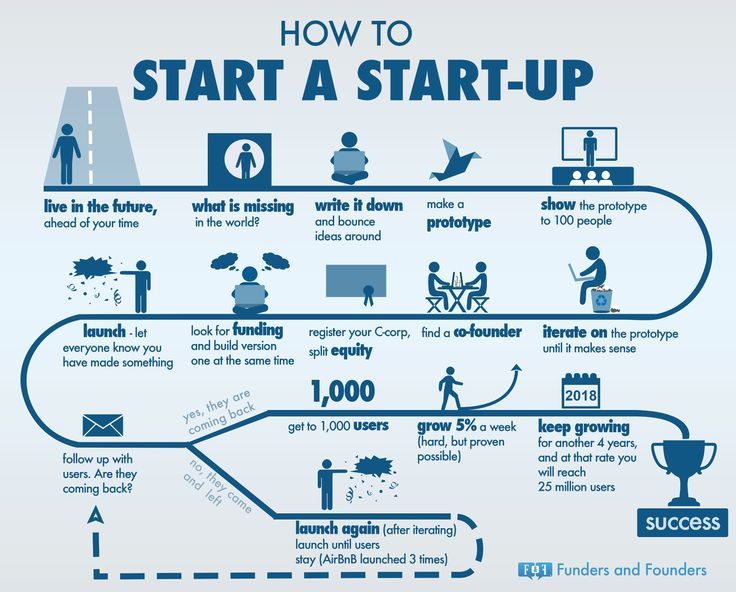
Key Takeaways
- Thorough Planning: Develop a detailed business plan and conduct extensive market research.
- Financial Management: Secure adequate funding and maintain robust financial practices.
- Customer Focus: Prioritize customer satisfaction and build strong relationships.
1. Develop a Strong Business Idea
Identifying Opportunities and Leveraging Strengths
The foundation of a successful business starts with a compelling idea. This involves identifying a problem you can solve or a need in the market. Reflect on your existing skills, passions, and expertise to ensure alignment with your business concept. Conduct preliminary research to assess the market potential and viability of your idea, ensuring it addresses a genuine demand.
1.1. Identify a Problem or Need
Successful businesses often stem from addressing specific issues or unmet needs within a market. Analyze current trends and consumer pain points to pinpoint opportunities where your product or service can make a significant impact.
1.2. Leverage Your Skills and Passions
Aligning your business idea with your personal strengths and interests not only enhances your expertise but also sustains your motivation. Assess your skills and passions to ensure they complement your business vision.
1.3. Assess Market Potential
Conduct initial research to evaluate the demand and scalability of your business idea. This includes understanding the target audience, potential market size, and growth prospects.
2. Conduct Thorough Market Research
Understanding Your Industry and Customers
Market research is crucial in determining the feasibility of your business idea. It involves analyzing your target audience, understanding their needs and preferences, studying your competitors, and identifying market trends and opportunities.
2.1. Analyze Your Target Audience
Identify who your potential customers are, their demographics, behaviors, and preferences. Understanding your audience helps in tailoring your products or services to meet their specific needs effectively.
2.2. Study the Competition
Conduct a competitive analysis to understand who your competitors are, their strengths and weaknesses, and how your business can differentiate itself in the market. This insight helps in identifying gaps that your business can fill.
2.3. Identify Market Trends
Stay updated with the latest industry trends and technological advancements. Understanding these trends can help you anticipate changes in the market and adapt your strategies accordingly.
3. Develop a Comprehensive Business Plan
Blueprint for Success
A well-structured business plan serves as a roadmap for your business, outlining your objectives, strategies, financial projections, and operational plans. It is essential not only for internal guidance but also for securing funding from investors or lenders.
3.1. Define Your Business Structure and Goals
Clearly outline the structure of your business, whether it’s a sole proprietorship, partnership, LLC, or corporation. Set specific, measurable, achievable, relevant, and time-bound (SMART) goals to guide your business towards long-term success.
3.2. Outline Products or Services
Provide a detailed description of the products or services you intend to offer. Highlight what makes them unique and how they fulfill the needs of your target market.
3.3. Financial Projections
Develop realistic financial projections, including startup costs, operating expenses, revenue forecasts, and profitability timelines. These projections are vital for assessing the financial viability of your business.
3.4. Marketing and Growth Strategy
Outline your strategies for marketing, customer acquisition, and business growth. This includes identifying marketing channels, promotional tactics, and growth milestones.
3.5. Use the SMART Goal-Setting System
Implement the SMART framework to ensure your business goals are clear and attainable. This helps in tracking progress and measuring success effectively.
4. Secure Adequate Funding
Financing Your Business Endeavors
Securing sufficient funding is essential for covering startup costs and sustaining operations until your business becomes profitable. Explore various financing options and create a robust financial plan to ensure long-term sustainability.
4.1. Explore Funding Options
Consider different avenues for funding, such as personal savings, small business loans, investors, crowdfunding, and grants. Each option has its own set of advantages and requirements.
4.2. Create a Financial Plan
Develop a comprehensive budget that includes initial startup costs, operational expenses, and projected revenues. A detailed financial plan helps in managing funds effectively and ensuring the financial health of your business.
4.3. Maintain Robust Financial Practices
Implement strong financial management practices, including accounting systems, budgeting, and regular financial reviews. Proper financial management is crucial for tracking performance and making informed business decisions.
5. Choose the Right Business Structure
Legal Foundations and Liability Considerations
Selecting an appropriate business structure is critical as it impacts your taxes, liability, and administrative requirements. Common structures include sole proprietorships, partnerships, limited liability companies (LLCs), and corporations.
5.1. Understand Different Structures
- Sole Proprietorship: Simplest structure with complete control but personal liability.
- Partnership: Shared ownership and responsibility.
- LLC: Limited liability protection with flexible management.
- Corporation: Separate legal entity with shareholders and limited liability.
5.2. Register Your Business
Once you've chosen a structure, register your business with the appropriate government authorities. Obtain necessary licenses and permits required to operate legally in your industry and location.
6. Build Your Brand and Online Presence
Creating a Memorable and Trustworthy Image
Developing a strong brand identity is essential for differentiating your business in the market. Establish an online presence through a professional website and active engagement on social media platforms to reach a broader audience.
6.1. Develop a Unique Brand Identity
Create a compelling brand that includes a memorable logo, consistent color schemes, and a clear brand message. Your brand should resonate with your target audience and reflect the values and mission of your business.
6.2. Establish an Online Presence
In today's digital age, having a professional website is non-negotiable. Ensure your website is user-friendly, mobile-responsive, and optimized for search engines (SEO). Utilize social media platforms to engage with your audience and promote your products or services.
6.3. Invest in Digital Marketing
Implement digital marketing strategies such as content marketing, email marketing, and paid advertising to increase your visibility and attract customers. Consistent and targeted marketing efforts can significantly boost your brand awareness and customer engagement.
7. Implement Effective Marketing and Sales Strategies
Attracting and Retaining Customers
A robust marketing and sales strategy is vital for driving revenue and sustaining business growth. Identify the most effective channels to reach your target audience and develop campaigns that resonate with them.
7.1. Identify Marketing Channels
Determine which channels (social media, email, SEO, PPC, etc.) are most effective in reaching your target audience. Allocate resources to the channels that offer the highest return on investment.
7.2. Develop Promotional Campaigns
Create engaging promotional campaigns that highlight the benefits of your products or services. Utilize a mix of content marketing, influencer partnerships, and promotional offers to attract and retain customers.
7.3. Utilize Data Analytics
Use data analytics tools to track the performance of your marketing campaigns. Analyzing key performance indicators (KPIs) helps in understanding what strategies are working and where adjustments are needed.
| Business Structure | Liability Protection | Tax Implications | Administrative Requirements |
|---|---|---|---|
| Sole Proprietorship | Personal liability | Income taxed once | Minimal |
| Partnership | Shared personal liability | Income taxed once | Moderate |
| LLC | Limited liability | Flexible (pass-through taxation) | Moderate |
| Corporation | Limited liability | Potential double taxation | High |
8. Focus on Customer Experience and Quality
Building Loyalty and Trust
Providing exceptional customer service and high-quality products or services is paramount to building a loyal customer base. Continuously seek feedback and make improvements to meet and exceed customer expectations.
8.1. Deliver Outstanding Products/Services
Ensure that your offerings consistently meet the highest standards of quality. Reliable and superior products or services foster trust and encourage repeat business.
8.2. Implement a Feedback Loop
Create channels for customers to provide feedback, such as surveys, reviews, and direct communication. Use this feedback to make informed improvements and address any issues promptly.
8.3. Build Customer Loyalty
Develop loyalty programs, personalized experiences, and proactive customer support to cultivate long-term relationships with your customers. Loyal customers are more likely to advocate for your brand and contribute to sustained business growth.
9. Build a Strong Team and Network
Collaboration and Support Systems
A capable and motivated team is essential for the success of your business. Additionally, building a network of mentors, partners, and industry contacts can provide valuable support and opportunities for collaboration.
9.1. Hire Strategically
Recruit individuals who possess the skills and expertise that complement your business needs. A diverse and talented team can drive innovation and operational excellence.
9.2. Foster a Positive Company Culture
Create an environment that encourages collaboration, creativity, and continuous learning. A positive company culture enhances employee satisfaction and productivity.
9.3. Network with Industry Professionals
Engage with other entrepreneurs, mentors, and industry experts to gain insights, advice, and potential partnerships. Networking can open doors to new opportunities and resources.
10. Stay Flexible and Adaptable
Embracing Change and Innovation
The business landscape is constantly evolving, and the ability to adapt to changes and innovate is crucial for long-term success. Stay informed about market trends and be willing to pivot your strategies as needed.
10.1. Monitor Market Trends
Keep abreast of emerging trends, technologies, and consumer behaviors that could impact your business. This awareness allows you to anticipate changes and respond proactively.
10.2. Encourage a Culture of Innovation
Foster an environment where creativity and innovation are valued. Encourage your team to explore new ideas and improve existing processes and products.
10.3. Be Ready to Pivot
If market conditions shift or new opportunities arise, be prepared to adjust your business model or strategies accordingly. Flexibility can be the key to overcoming challenges and seizing new opportunities.
11. Manage Finances Wisely
Ensuring Financial Health and Sustainability
Effective financial management is critical to maintaining the operational viability of your business. Keep accurate records, control costs, and plan for both short-term and long-term financial stability.
11.1. Keep Accurate Financial Records
Implement a reliable accounting system to track income, expenses, and financial transactions. Accurate records are essential for making informed business decisions and for tax and regulatory compliance.
11.2. Control Costs Without Sacrificing Quality
Monitor your expenses closely and identify areas where you can reduce costs without compromising the quality of your products or services. Efficient cost management contributes to profitability.
11.3. Plan for Financial Health
Develop strategies for maintaining positive cash flow and building reserves for emergencies and future growth. Consider working with a financial advisor to optimize your financial strategies.
12. Prioritize Self-Care and Work-Life Balance
Sustaining Personal Well-being for Business Success
Entrepreneurship can be demanding, and maintaining a healthy work-life balance is essential for long-term sustainability. Prioritize self-care to stay motivated, reduce stress, and maintain productivity.
12.1. Manage Stress Effectively
Implement stress management techniques such as mindfulness, exercise, and time management to cope with the pressures of running a business.
12.2. Establish Boundaries
Set clear boundaries between work and personal life to prevent burnout and maintain healthy relationships outside of your business.
12.3. Seek Support
Engage with support networks, including mentors, peers, and professional counselors, to navigate the challenges of entrepreneurship.
Conclusion
Building Your Path to Success
Starting a successful business requires meticulous planning, effective execution, and continuous adaptation. By developing a strong business idea, conducting thorough market research, and creating a comprehensive business plan, you lay a solid foundation for your venture. Securing adequate funding and choosing the right business structure are critical steps that influence your financial health and operational capabilities.
Building a robust brand and online presence, coupled with effective marketing and sales strategies, ensures that your business reaches and resonates with your target audience. Focusing on customer experience and quality fosters loyalty and trust, while assembling a strong team and cultivating a supportive network provides the necessary support for growth and innovation.
Remaining flexible and adaptable in the face of changing market dynamics and prioritizing financial management are essential for sustaining long-term success. Additionally, maintaining a healthy work-life balance enhances your personal well-being, enabling you to lead your business with resilience and passion.
By integrating these comprehensive strategies and continuously striving for excellence, you position your business for sustained growth and success in a competitive marketplace.
References
 shopify.com
Last updated February 13, 2025