
Unlock YouTube Stardom: Your Blueprint for Channel Success in 2025!
Discover the essential strategies to build, grow, and monetize a thriving YouTube presence.
Key Insights for Aspiring YouTubers
- Strategic Niche Selection: Identifying a passionate and in-demand niche is fundamental for attracting a loyal audience and differentiating your channel.
- Consistent High-Quality Content: Regularly producing engaging, well-produced videos optimized for viewer retention is crucial for algorithmic favor and audience growth.
- Active Audience Engagement & SEO: Building a community through interaction and leveraging YouTube SEO best practices significantly boosts discoverability and subscriber loyalty.
Starting a successful YouTube channel in 2025 requires more than just hitting "upload." It's a blend of creativity, strategic planning, consistent effort, and a deep understanding of your audience and the platform itself. With over 2 billion monthly logged-in users, YouTube offers immense potential, but navigating its competitive landscape demands a thoughtful approach. This guide synthesizes expert advice to provide you with a comprehensive roadmap to launch and cultivate a thriving channel.
Phase 1: Laying the Groundwork
Defining Your Niche and Setting Clear Goals
The first, and arguably most critical, step is to define what your channel will be about and what you aim to achieve. This clarity will guide all your future content and branding decisions.
Identify Your Passion and Expertise
Choose a subject area you are genuinely passionate and knowledgeable about. Your enthusiasm will be contagious and sustain you through the demanding process of content creation. Consider niches like tech reviews, cooking tutorials, fitness coaching, gaming commentary, educational explainers, or specialized vlogs.
Research Audience Demand and Competition
Once you have potential niches, research their viability. Are people searching for content in this area? What is the competition like? Tools like Google Trends, vidIQ, or TubeBuddy can help you assess topic popularity and identify underserved sub-niches or unique angles you can bring. Look for a balance between audience interest and manageable competition.
Determine Your Unique Value Proposition (UVP)
What will make your channel stand out? Your UVP is what differentiates you from other creators in your niche. It could be your unique personality, a specific format, in-depth expertise, a fresh perspective on common topics, or exceptional production quality. Clearly articulate why someone should subscribe to your channel.
Set SMART Goals
Define Specific, Measurable, Achievable, Relevant, and Time-bound (SMART) goals for your channel. Examples include:
- Reaching 100 subscribers in the first 90 days.
- Publishing one high-quality video per week for the first six months.
- Achieving an average watch time of 5 minutes per video.
- Reaching the YouTube Partner Program (YPP) eligibility criteria (currently 1,000 subscribers and 4,000 valid public watch hours in the past 12 months).
Phase 2: Building Your Channel's Identity
Channel Setup and Professional Branding
A well-branded channel looks professional and makes a strong first impression, encouraging visitors to subscribe.
Creating Your YouTube Channel
You'll need a Google account to create a YouTube channel. Choose a channel name that is memorable, relevant to your niche, and easy to spell. You can create and manage your channel via a computer or the YouTube Studio mobile app.
Visual Branding Elements
- Profile Picture/Logo: Use a clear, high-resolution image that represents you or your brand. This appears across YouTube next to your videos and comments.
- Channel Banner (Channel Art): This is the large header image at the top of your channel page. Design an attractive banner that visually communicates your channel's niche and personality. Tools like Canva offer templates.
- Video Watermark: Add a custom watermark (often your logo or a subscribe button) that appears on all your videos. This provides a consistent branding element and a direct way for viewers to subscribe.
Crafting Your Channel Description
The "About" section of your channel is crucial. Write a compelling description that clearly explains what your channel is about, who it's for, and what kind of content viewers can expect. Incorporate relevant keywords naturally to help with channel discoverability. Include links to your social media profiles and a business email address.
Channel Trailer
Create a short, engaging channel trailer (typically 30-60 seconds). This video automatically plays for non-subscribed visitors to your channel page. It should quickly showcase your best content, highlight your UVP, and end with a strong call to action to subscribe.
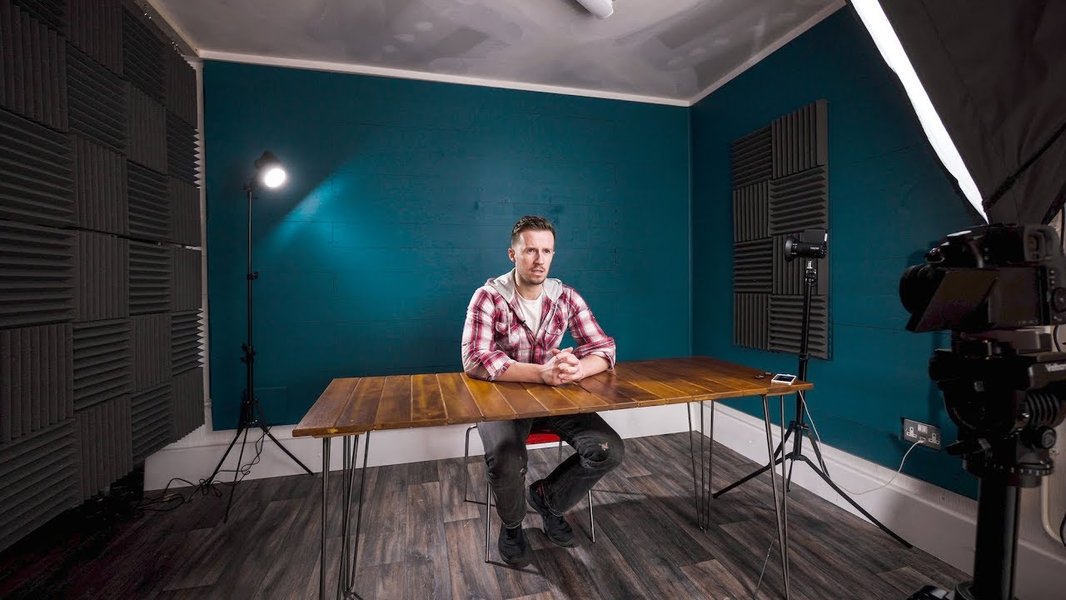
A well-organized home studio setup is key for producing high-quality video content.
Phase 3: Crafting Compelling Content
Content Strategy and High-Quality Production
Content is king on YouTube. Your success hinges on consistently creating videos that your target audience finds valuable and engaging.
Developing a Content Calendar
Plan your content in advance. A content calendar helps you stay organized, maintain a consistent posting schedule, and ensure a good mix of video topics. Consider different content pillars:
- Foundation/Evergreen Content: Videos that answer common questions or cover core topics in your niche, remaining relevant over time.
- Trending Content: Videos that capitalize on current trends, news, or viral topics related to your niche.
- Community Content: Videos that directly engage your audience, such as Q&As, responses to comments, or live streams.
Video Length and Upload Frequency
Aim for video lengths that suit your content and audience preferences. While longer videos (e.g., 8-15 minutes) can contribute more to watch time (a key ranking factor), the primary goal is to keep viewers engaged throughout. Consistency in uploading is more important than frequency. Whether it's once a week or twice a month, choose a realistic schedule you can stick to.
Production Quality
- Equipment: While you can start with a smartphone, investing in a decent camera, external microphone, and basic lighting as your channel grows can significantly improve production value. Clear audio is often more critical than perfect video.
- Filming Environment: Choose a quiet, well-lit space with an uncluttered background.
- Editing: Use video editing software (many free and paid options exist) to cut out mistakes, add B-roll, text overlays, music, and graphics to make your videos more dynamic and professional. Keep intros concise to avoid viewer drop-off.
Visualizing Key Success Factors
The radar chart below illustrates the relative importance of various components for building a successful YouTube channel. While all are important, their emphasis might shift based on your specific niche and strategy. A well-rounded approach generally yields the best results.
Phase 4: Maximizing Discoverability
YouTube SEO and Video Optimization
Helping YouTube understand what your videos are about is crucial for them to be shown to the right audience in search results, suggested videos, and on the homepage.
Keyword Research
Identify the terms and phrases your target audience is searching for. Use YouTube's search bar autocomplete, Google Keyword Planner, or specialized tools like vidIQ and TubeBuddy. Focus on long-tail keywords (more specific phrases) which often have less competition.
Optimizing Video Elements
- Video Titles: Craft clear, compelling, keyword-rich titles (ideally under 70 characters) that accurately reflect the video's content and entice clicks.
- Video Descriptions: Write detailed descriptions (up to 5000 characters). The first 1-2 sentences are most important as they appear in search results. Naturally incorporate keywords, provide a summary of the video, include timestamps for longer videos, and add relevant links (e.g., to your social media, related videos, or affiliate products).
- Tags: Use a mix of broad and specific tags relevant to your video. Include your main keywords, variations, and broader category tags.
- Custom Thumbnails: Design eye-catching, high-resolution (1280x720 pixels) thumbnails that stand out. Use bold text, expressive faces (if applicable), and clear imagery that represents the video's core topic. A/B test thumbnails to see what performs best.
Playlists and End Screens
- Playlists: Group related videos into playlists. This encourages binge-watching, increases session watch time, and helps organize your content. Optimize playlist titles and descriptions with keywords.
- End Screens and Cards: Use end screens (last 5-20 seconds of your video) to promote other videos, playlists, your subscribe button, or external websites. Use cards throughout your video to link to relevant content or polls.
Phase 5: Nurturing Your Community
Audience Engagement and Interaction
Building a loyal community is key to long-term success. Engaged audiences are more likely to watch your videos, share them, and support your channel.
Encourage Interaction
Explicitly ask viewers to like, comment, share, and subscribe. Pose questions in your videos to spark discussion in the comments section.
Respond to Comments
Make an effort to read and respond to comments, especially in the early days of your channel. This shows you value your audience and fosters a sense of community. Hearting and pinning top comments can also boost engagement.
Utilize Community Features
Use YouTube's Community Tab (once eligible) to post updates, polls, questions, and behind-the-scenes content. Experiment with YouTube Stories and live streams to connect with your audience in real-time.
Mapping Your YouTube Journey
The mindmap below outlines the interconnected stages involved in launching and growing a successful YouTube channel. Each branch represents a critical area to focus on, from initial planning to ongoing optimization and community building.
(Passion, Demand)"] id1b["Goal Setting
(SMART Objectives)"] id1c["Unique Value Proposition"] id2["Phase 2: Channel Setup"] id2a["Channel Creation"] id2b["Visual Branding
(Logo, Banner, Watermark)"] id2c["Channel Description & Trailer"] id3["Phase 3: Content Creation"] id3a["Content Strategy
(Calendar, Pillars)"] id3b["Production Quality
(Video, Audio, Editing)"] id3c["Consistent Upload Schedule"] id4["Phase 4: Discoverability"] id4a["YouTube SEO
(Keywords, Titles, Descriptions, Tags)"] id4b["Compelling Thumbnails"] id4c["Playlists & End Screens"] id5["Phase 5: Community"] id5a["Audience Engagement
(Comments, Likes, Shares)"] id5b["Community Tab & Live Streams"] id5c["Calls to Action"] id6["Phase 6: Growth & Optimization"] id6a["Promotion
(Social Media, Collaborations)"] id6b["Analytics Review
(Track, Adapt, Iterate)"] id6c["Monetization
(YPP, Sponsors, Merch)"]
Phase 6: Expanding Your Reach and Adapting
Promotion, Analytics, and Iteration
Promote Your Channel Beyond YouTube
- Social Media: Share your videos and channel updates on other social media platforms where your target audience congregates (e.g., Instagram, X (formerly Twitter), Facebook, TikTok, LinkedIn, Reddit).
- Collaborations: Partner with other YouTubers in your niche or complementary niches for cross-promotion. This can expose your channel to a new, relevant audience.
- Embed Videos: If you have a blog or website, embed your YouTube videos into relevant articles.
Leverage YouTube Analytics
Regularly dive into your YouTube Analytics (accessible via YouTube Studio). Key metrics to monitor include:
- Watch Time: The total amount of time viewers spend watching your videos. Highly valued by YouTube's algorithm.
- Audience Retention: The percentage of viewers who continue watching your video at various points. Pay attention to where viewers drop off.
- Click-Through Rate (CTR): The percentage of people who click on your video after seeing its thumbnail and title.
- Traffic Sources: Where your views are coming from (e.g., YouTube search, suggested videos, external sites).
- Audience Demographics: Age, gender, and location of your viewers.
Analyze, Adapt, and Iterate
Use the insights from your analytics to understand what content resonates most with your audience. Don't be afraid to experiment with different video formats, topics, or styles. Continuously refine your strategy based on what the data tells you and the feedback you receive.
Content Strategy Comparison Table
Choosing the right content pillars and formats is crucial for sustained growth. This table provides a comparison of different strategic elements to consider for your channel.
| Content Element | Focus Area | Pros | Cons | Ideal For |
|---|---|---|---|---|
| Evergreen Content | Timeless topics, tutorials, how-tos | Long-term views, stable traffic, foundational for SEO | Can be competitive, may require periodic updates | Educational channels, skill-based niches |
| Trending Content | Current events, viral challenges, news | Potential for rapid views, high engagement spikes | Short lifespan, requires quick turnaround, risk of irrelevance | News channels, commentary, pop culture |
| Community Content | Q&As, live streams, comment responses | Builds strong audience loyalty, direct feedback loop | Can be time-consuming, relies on existing audience | Channels focused on personality and interaction |
| High-Production Value | Cinematic visuals, professional editing, custom graphics | Perceived as more professional, higher engagement potential | Time-intensive, potentially costly equipment/software | Documentaries, high-end reviews, storytelling |
| Authentic/Raw Style | Minimal editing, direct-to-camera, vlogs | Relatable, quick to produce, fosters connection | May not appeal to all audiences, quality can vary | Vloggers, personal brands, behind-the-scenes |
Phase 7: Monetization and Long-Term Growth
Turning Passion into Profit
Once your channel meets the YouTube Partner Program (YPP) eligibility requirements (typically 1,000 subscribers and 4,000 valid public watch hours in the past 12 months), you can apply to monetize your content.
Monetization Avenues
- Ad Revenue: Earnings from ads displayed on your videos.
- Channel Memberships: Offer exclusive perks to paying members.
- Merchandise Shelf: Sell branded merchandise directly on YouTube.
- Super Chat & Super Stickers: Viewers can purchase highlighted messages during live streams.
- YouTube Premium Revenue: Get a share of a YouTube Premium subscriber's subscription fee when they watch your content.
Alternative Income Streams
Beyond YPP, consider:
- Sponsorships/Brand Deals: Partner with brands for dedicated videos or product placements.
- Affiliate Marketing: Promote products/services and earn a commission on sales.
- Selling Digital or Physical Products: Courses, e-books, presets, etc.
- Crowdfunding: Platforms like Patreon allow fans to support you directly.
Continuous Learning and Adaptation
The YouTube landscape is constantly evolving. Stay updated on new features, algorithm changes, and content trends. Be patient, persistent, and passionate. Success rarely happens overnight, but with dedication and a smart strategy, you can build a thriving YouTube channel.
Getting Started: A Beginner's Guide to Creating Your Channel
This video provides a step-by-step walkthrough for beginners on how to create and set up a new YouTube channel in 2025. It covers the essential initial steps, from account creation to basic channel customization, which are foundational for anyone looking to start their YouTube journey. Understanding these basics is crucial before diving into more advanced content and growth strategies.
Frequently Asked Questions (FAQ)
How long does it take to get 1000 subscribers on YouTube?
There's no set timeframe. It can take anywhere from a few months to over a year, or even longer. Success depends on factors like your niche, content quality, consistency, SEO efforts, promotion, and audience engagement. Some channels grow rapidly due to viral content or effective strategies, while others build a following more gradually.
Do I need expensive equipment to start a YouTube channel?
No, you don't need expensive equipment to start. Many successful YouTubers began with just their smartphone. Good lighting (even natural light) and clear audio are more important initially than a high-end camera. You can gradually upgrade your equipment as your channel grows and you start generating revenue.
How often should I upload videos?
Consistency is more important than frequency. Choose a schedule you can realistically stick to, whether it's daily, weekly, bi-weekly, or monthly. Inform your audience about your upload schedule. Quality should always take precedence over quantity.
What is the ideal video length for YouTube?
The ideal video length often cited is between 8 to 15 minutes, as this can help accumulate watch time. However, it largely depends on your content and audience. The key is to keep viewers engaged for as long as possible. If your topic can be thoroughly covered in 5 minutes, don't stretch it unnecessarily. Analyze your audience retention metrics to see what works best for your specific content.
Recommended Further Exploration
- What are some advanced YouTube SEO techniques to maximize video discoverability in 2025?
- How can I effectively promote my YouTube channel across different social media platforms?
- Which YouTube analytics metrics are most important for improving my content strategy and growing my audience?
- What are the diverse monetization options available for YouTube creators beyond standard AdSense revenue?
References
Last updated May 9, 2025