
Unlock Your Entrepreneurial Spirit: Your Comprehensive Blueprint to Launching a Thriving Window Cleaning Business
Step-by-step guidance from initial idea to profitable enterprise, ensuring you're equipped for success in the sparkling world of window cleaning.
Key Highlights for Aspiring Window Cleaning Entrepreneurs
- Low Barrier to Entry: Start your window cleaning business with minimal initial investment, often under $500, making it an accessible venture for many.
- Significant Growth Potential: Tap into a market projected to reach $3.5 billion by 2028, with opportunities in both residential and commercial sectors.
- Flexible Business Model: Enjoy the freedom to set your own hours, choose your niche (residential, commercial, or specialized services), and scale your operations at your own pace.
Embarking on a new business venture can be both exciting and daunting. Starting a window cleaning business, however, presents a fantastic opportunity with relatively low startup costs and a consistently high demand for services. This guide will walk you through every crucial step, from initial planning and legal setup to acquiring your first customers and scaling your operations for long-term success. As of Thursday, 2025-05-22, the insights provided here are current and designed to give you a competitive edge.
Phase 1: Laying the Groundwork – Research and Planning
Before you dip your first squeegee, comprehensive research and a solid plan are paramount. Understanding your market and defining your business strategy will set the stage for sustainable growth.
Understanding Your Market and Identifying Your Niche
The window cleaning industry is buoyant, with a projected market value of $3,500 million by 2028, growing at a compound annual rate of 13.61% between 2020 and 2028. This indicates a healthy demand for services.
Market Research Essentials:
- Local Demand: Assess the need for window cleaning services in your target geographical area. Are there many new housing developments, commercial buildings, or an affluent residential population?
- Target Audience: Decide whether you'll focus on residential clients (homes, apartments), commercial clients (shops, offices, restaurants, car dealerships), or a combination. Commercial jobs, especially high-rise work, can be more lucrative but may require specialized equipment and insurance.
- Competitor Analysis: Identify existing window cleaning businesses in your area. Analyze their services, pricing, marketing strategies, and customer reviews. This will help you find a unique selling proposition (USP).
- Service Specialization: Consider offering niche services such as skylight cleaning, screen cleaning, water spot removal, or even bundled services like gutter cleaning or basic pressure washing to increase revenue streams and customer appeal.
Crafting Your Business Plan
A detailed business plan is your roadmap to success. It will guide your decisions and is often a requirement if you seek funding. Key components include:
- Executive Summary: A concise overview of your business concept, goals, target market, and financial highlights.
- Company Description: Detail your business name, legal structure, location (even if home-based), and the specific services you will offer.
- Market Analysis: Present your research findings on the industry, your target market, and your competition. Highlight opportunities and your strategies to capitalize on them.
- Services Offered: Clearly list all services, such as interior/exterior window cleaning, screen cleaning, track cleaning, and any add-ons. Specify if you'll offer one-time cleanings, regular maintenance plans, or both.
- Marketing and Sales Strategy: Outline how you plan to attract and retain customers (e.g., online marketing, local advertising, referrals, networking).
- Operations Plan: Describe your day-to-day operations, including scheduling, staffing (if applicable), equipment management, and safety protocols.
- Financial Projections: Include startup cost estimates, projected income and expenses for the first 3-5 years, break-even analysis, and funding requests if any.
Many templates are available online to help structure your business plan effectively.

A professional window cleaner demonstrates the quality service you can offer.
Phase 2: Setting Up Your Business – Legal and Financial Foundations
With a solid plan in place, the next step is to formalize your business and set up the necessary financial infrastructure.
Choosing a Business Structure and Registration
- Business Structure: Decide on the legal structure of your business. Common options include:
- Sole Proprietorship: Simplest structure, with the owner and business being legally indistinct. Easy to set up but offers no personal liability protection.
- Limited Liability Company (LLC): Offers personal liability protection by separating your personal assets from business debts and lawsuits. Popular for small businesses.
- S-Corporation (S-Corp): A tax election that can offer some tax advantages for established businesses, but has more complex compliance requirements.
- Business Name: Choose a memorable and professional name. Check for availability as a domain name and on social media platforms. Register your business name if required by your state (e.g., as a "Doing Business As" or DBA).
- Registration and Licenses: Register your business with your state and local authorities. Obtain any necessary business licenses and permits required to operate in your city, county, and state. Requirements vary, so check with your local Small Business Administration (SBA) office or city hall.
- Employer IdentificationNumber (EIN): If you plan to hire employees or operate as a corporation or LLC, you'll need an EIN from the IRS. It's free to apply for.
Insurance and Financial Setup
Essential Insurance Coverage:
Insurance is crucial to protect your business from unforeseen events and liabilities.
- General Liability Insurance: This is essential. It covers property damage (e.g., accidentally breaking a client's window or damaging landscaping) and bodily injury claims (e.g., if a client trips over your equipment).
- Workers' Compensation Insurance: Required if you hire employees. It covers medical expenses and lost wages for employees injured on the job.
- Commercial Auto Insurance: If you use a vehicle primarily for business purposes, your personal auto policy may not provide adequate coverage.
- Bonding: While not always required, being bonded can enhance your credibility with clients, particularly for commercial contracts, as it protects them against theft or incomplete work.
Financial Tools:
- Business Bank Account: Open a separate bank account for your business. This keeps your personal and business finances distinct, simplifying accounting and tax preparation.
- Accounting System: Implement an accounting system from day one. This can be simple spreadsheet software initially, or dedicated accounting software like QuickBooks or Xero, to track income, expenses, and profitability.
Phase 3: Equipping Your Business – Tools and Supplies
Having the right equipment is essential for delivering professional results efficiently and safely. Startup costs for equipment can be relatively low, often under $500 for the basics.

Essential tools of the trade for a window cleaning professional.
Core Window Cleaning Equipment
- Squeegees: Various sizes (e.g., 6", 12", 18") with sharp rubber blades. Have spare rubbers on hand.
- Scrubbers/Wands/Applicators: To apply cleaning solution and loosen dirt. Get various sizes to match your squeegees.
- Buckets: At least two – one for clean solution and one for rinsing. Rectangular buckets are often preferred as they fit wider squeegees.
- Microfiber Cloths & Towels: For wiping edges, sills, and detailing. Highly absorbent and lint-free options are best.
- Extension Poles: To reach higher windows without a ladder.
- Scrapers: For removing stubborn debris like paint specks or bug residue. Use with caution to avoid scratching glass. Always use fresh blades.
- Cleaning Solution: You can buy concentrated professional solutions or make your own (e.g., a small amount of dish soap in water). Eco-friendly options are a good selling point.
- Tool Belt/Hip Bucket: To keep essential tools readily accessible while working.
Safety Gear and Advanced Equipment
- Ladders: A-frame and extension ladders for accessing different heights. Ensure they are sturdy and used correctly.
- Non-Slip Footwear: Essential for safety, especially when working with water or on ladders.
- Safety Harnesses: If undertaking high-rise work (this requires specialized training and certification).
- Water-Fed Pole Systems (Optional Upgrade): These systems use purified water (often deionized or reverse osmosis) pumped through a pole with a brush, allowing you to clean exterior windows from the ground up to several stories. They can increase efficiency and safety for certain jobs.
Transportation
Initially, your personal vehicle might suffice if it can carry your equipment. As your business grows, you might consider a van or truck, which can be branded with your company logo and contact information for mobile advertising.
Visualizing Business Potential: Key Factors
To better understand the attractiveness of a window cleaning business, a radar chart can illustrate various factors. This chart compares a hypothetical 'My Business Model' against an 'Established Competitor' across several key aspects. Higher scores indicate a more favorable condition. For instance, 'Low Startup Cost' gets a high score if costs are indeed low. 'Competitive Advantage' refers to the ease of differentiating your business and gaining an edge.
This chart visually represents how a new, well-planned window cleaning business (My Business Model Outlook) might compare to or aim to surpass established players by focusing on strengths like lower overhead (contributing to 'Low Startup Cost' appeal) or a unique marketing approach (boosting 'Marketing Simplicity' or 'Competitive Advantage').
Phase 4: Pricing, Marketing, and Sales
Once you're set up and equipped, it's time to define your pricing and attract your first customers.
Establishing Your Pricing Structure
Competitive and profitable pricing is key. Research local rates, but also ensure your prices cover your costs (materials, travel, insurance, time) and allow for profit. Common pricing methods include:
- Per Pane: Often used for commercial clients. Rates typically range from $2 to $7 per pane, depending on size, accessibility, and condition.
- Per Job/Flat Rate: Common for residential jobs. Prices can range from $150 to $350 on average, based on the number and type of windows, home size, and difficulty. Provide custom quotes after an assessment.
- Hourly Rate: Some cleaners charge by the hour, especially for complex jobs or additional services. A business owner might aim for $50-$70 per hour, while an employee might earn $15-$25 per hour. High-rise specialists can earn more.
Consider offering package deals or discounts for recurring services (e.g., monthly or quarterly cleans) to build a loyal customer base.
Marketing Your Window Cleaning Business
Effective marketing will fill your schedule. Here are some strategies:
Online Presence:
- Website: A simple, professional website showcasing your services, service area, contact information, and perhaps testimonials can build credibility.
- Social Media: Create profiles on platforms like Facebook, Instagram, or Nextdoor. Post before-and-after photos, special offers, and engage with your local community.
- Local SEO: Optimize your online presence for local searches (e.g., "window cleaning [your city]"). Get listed on Google Business Profile and other local directories.
- Online Advertising: Consider pay-per-click (PPC) ads on Google or social media platforms, targeted to your service area.
Offline Marketing:
- Flyers and Door Hangers: Distribute in targeted residential neighborhoods.
- Business Cards: Always have them on hand.
- Vehicle Branding: Use your vehicle as a mobile billboard with your logo and contact information.
- Networking: Connect with complementary businesses (e.g., real estate agents, home builders, property managers) for referrals.
- Word-of-Mouth/Referrals: Encourage satisfied customers to refer you. Offer a small discount or incentive for successful referrals.
Sales and Customer Service
- Professionalism: Maintain a professional appearance (clean uniform, neat vehicle), arrive on time, and communicate clearly and politely.
- Excellent Service Quality: Aim for spotless windows every time. Over-delivering on quality leads to repeat business and referrals. Little touches, like wearing shoe covers indoors, can make a big impression.
- Quoting and Invoicing: Provide clear, detailed quotes. Use professional invoices and offer convenient payment options. Consider software for quoting, scheduling, and invoicing.
- Follow-Up: After a job, send a thank-you note and request a review or testimonial.
Structuring Your Launch: A Mindmap Overview
To visualize the interconnected steps of launching your window cleaning business, a mindmap can be very helpful. It lays out the core areas you need to focus on, branching out into specific tasks and considerations. This diagram provides a bird's-eye view of your journey from concept to a fully operational business.
(Demand, Competition)"] id1b["Niche Selection
(Residential, Commercial)"] id1c["Business Plan Creation
(Goals, Strategy, Financials)"] id2["Phase 2: Legal & Financial Setup"] id2a["Business Structure (LLC, Sole Prop)"] id2b["Registration & Licenses"] id2c["Business Bank Account"] id2d["Insurance
(Liability, Workers' Comp)"] id3["Phase 3: Operations & Equipment"] id3a["Essential Tools
(Squeegees, Buckets, Poles)"] id3b["Safety Gear"] id3c["Cleaning Solutions"] id3d["Vehicle & Transportation"] id4["Phase 4: Marketing & Sales"] id4a["Pricing Strategy"] id4b["Online Presence
(Website, Social Media)"] id4c["Offline Marketing
(Flyers, Networking)"] id4d["Customer Service Excellence"] id5["Phase 5: Launch & Growth"] id5a["Acquiring First Clients"] id5b["Managing Operations
(Scheduling, Invoicing)"] id5c["Collecting Feedback & Reviews"] id5d["Scaling Strategies
(Hiring, New Services)"]
This mindmap illustrates the critical pathways: from foundational planning and legalities through to operational setup, customer acquisition, and future growth strategies. Each branch represents a key domain requiring careful attention for a successful launch.
Phase 5: Operations, Management, and Growth
With clients coming in, efficient operations and a mindset for growth become critical.
Managing Day-to-Day Operations
- Scheduling: Use a calendar or scheduling software (e.g., Jobber, Housecall Pro, Servgrow, BookingKoala) to manage appointments efficiently and avoid overbooking.
- Client Communication: Send appointment reminders, provide updates if you're running late, and communicate clearly about the services performed.
- Inventory Management: Keep track of your cleaning supplies and reorder as needed.
- Financial Tracking: Regularly monitor your income and expenses. Review your profitability and adjust pricing or cost-saving measures if necessary.
Considering Seasonal Variations
Window cleaning demand can be seasonal, often peaking in spring and summer. Plan for potential slowdowns in winter by:
- Offering complementary services: Gutter cleaning, pressure washing (siding, driveways), or even holiday light installation can provide off-season revenue.
- Marketing aggressively for interior window cleaning during colder months.
- Building a recurring client base that provides steady work year-round.
Scaling Your Business
As your business grows, consider these expansion strategies:
- Hiring Employees: When you have more work than you can handle, hiring and training staff is a common way to scale. This brings additional responsibilities like payroll, workers' compensation, and employee management.
- Investing in Advanced Equipment: Upgrading to tools like water-fed pole systems can increase efficiency and allow you to take on larger or more complex jobs.
- Expanding Service Area: Gradually increase the geographical area you serve.
- Adding New Services: Diversify your offerings based on customer demand and your team's capabilities.
- Seeking Mentorship: Learn from experienced window cleaning professionals or business mentors.
- Continuous Improvement: Stay updated on industry trends, new techniques, and products. Solicit customer feedback and use it to refine your services.
Startup Action Plan Checklist
This table provides a structured checklist to guide you through the essential actions for starting your window cleaning business.
| Phase | Key Actions | Considerations & Notes |
|---|---|---|
| 1. Planning & Research | Define goals, conduct market research, identify niche, write a comprehensive business plan. | Assess local demand, analyze competitors, outline services, project financials. |
| 2. Business Setup (Legal & Financial) | Choose business name & structure, register business, obtain EIN, get licenses & permits. | Check domain availability, consult legal/financial advisor if needed, understand local regulations. |
| 3. Financial Tools & Insurance | Open business bank account, set up accounting software, apply for business insurance. | Separate personal/business finances, ensure adequate coverage (general liability, workers' comp if hiring). |
| 4. Equipment & Supplies | Purchase cleaning equipment (squeegees, scrubbers, ladders), stock cleaning supplies, arrange transportation. | Start with essentials, prioritize quality and safety, consider vehicle branding. |
| 5. Service Offerings & Pricing | Define residential/commercial services, set competitive prices, develop service contracts/agreements. | Research market rates, factor in costs and profit margin, consider bundled services or loyalty discounts. |
| 6. Marketing & Customer Acquisition | Build website/social media, design marketing materials (flyers, cards), plan local advertising, network. | Focus on professional branding, leverage online and offline channels, ask for referrals. |
| 7. Operations & Launch | Develop standard operating procedures, set up scheduling system, acquire first clients. | Focus on quality service, efficient workflow, clear communication. |
| 8. Growth & Continuous Improvement | Solicit customer feedback, consider hiring/training, explore service expansion, stay updated on industry trends. | Plan for scalability, invest in your business, find mentors. |
Hear From the Experts: Starting Your Business
Visual learners and those seeking firsthand advice often benefit from video guides. The following video, "How To Start A Window Cleaning Business (Complete Guide)," offers a comprehensive overview of launching your own window cleaning service, touching upon many of the key aspects discussed in this guide, such as initial setup, equipment, and attracting clients. It provides practical insights that can complement your reading and help you visualize the steps involved.
Watching experienced professionals share their journey and tips can be incredibly motivating and provide nuanced understanding that text alone might not convey. This particular video is selected for its thorough approach to the startup process.
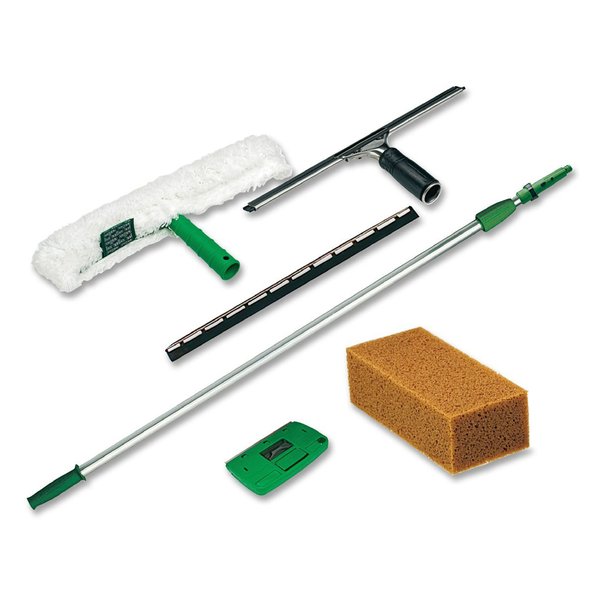
Investing in quality tools, like those from reputable brands, can improve efficiency and results.
Frequently Asked Questions (FAQ)
How much does it cost to start a window cleaning business?
Do I need a license or insurance to clean windows?
How much can I earn cleaning windows?
What's the best way to get my first window cleaning customers?
Conclusion
Starting a window cleaning business in 2025 offers a promising path to entrepreneurship with manageable startup costs and significant growth potential. Success hinges on meticulous planning, legal compliance, investing in quality equipment, strategic pricing, effective marketing, and an unwavering commitment to excellent customer service. By following the steps outlined in this guide, you can build a reputable and profitable window cleaning business, transforming clear panes into clear profits. Remember that continuous learning and adaptation are key to long-term success in any service industry.
Recommended Next Steps
To deepen your understanding and explore related areas, consider these queries:
- What are the best marketing strategies for a new local service business?
- How do I create accurate financial projections for a small startup?
- What types of business insurance are essential for a mobile service provider?
- What is the most efficient way to schedule and manage appointments for a field service business?
Referenced Search Results
This guide was synthesized using information from various expert sources. For further reading, you may find these resources helpful:
 bplans-members.s3.amazonaws.com