
Exploring the Potential of an Uzbek Bread Bakery Business
Bringing the Delicious Tradition of Non to a New Market
Starting a bakery business, especially one focusing on a specific cultural product like Uzbek bread (non), outside of its traditional region presents both exciting opportunities and unique challenges. Uzbek bread is deeply ingrained in the country's culture and cuisine, known for its distinctive shape, texture, and often decorative patterns. Recreating this authentic experience and finding a market for it elsewhere requires careful planning and execution.
Key Highlights for Your Uzbek Bread Bakery Venture
- Authenticity is Key: Understanding and replicating traditional Uzbek bread-making techniques, including the use of a tandoor oven and the distinctive "chekich" stamp, will be crucial to producing authentic non.
- Market Research and Adaptation: While authenticity is important, assessing local tastes and potentially offering variations or complementary products can broaden your customer base outside of Uzbekistan.
- Business Fundamentals Apply: Like any bakery, success hinges on a solid business plan, managing startup costs, securing the right equipment and location, and effective marketing.
The Significance of Uzbek Bread
In Uzbekistan, bread, or "non," is considered sacred and is a staple at nearly every meal. It's more than just food; it's a symbol of hospitality and community. The most common type is obi non, a round flatbread, but variations exist in different regions, each with its own style and characteristics. The process of making non is often traditional, involving skilled bakers and specialized tandoor ovens.
This cultural significance means that opening an Uzbek bread bakery outside of Uzbekistan isn't just about selling bread; it's about sharing a piece of Uzbek culture and tradition. Customers seeking authentic non will be looking for the taste, texture, and appearance that they associate with genuine Uzbek bread.
The Traditional Baking Process
Traditional Uzbek bread is typically baked in a tandoor, a clay oven. The dough is shaped and then slapped onto the hot inner walls of the tandoor, where it quickly bakes, resulting in a bread that is soft and fluffy on the inside with a beautifully crispy crust. The center is often flattened and decorated with a "chekich," a special tool that creates a patterned indentation and helps prevent the center from rising too much.
Replicating this process outside of Uzbekistan can be a significant challenge. Access to or building a traditional tandoor may be difficult and expensive. However, modern adaptations or specialized ovens that mimic the tandoor's heat and cooking environment could be explored.
The Role of the Chekich
The chekich is a small, often wooden, tool with metal pins arranged in various patterns. It's pressed into the center of the non dough before baking. This indentation is not just for decoration; it helps to control the rise of the dough, ensuring the characteristic ring shape of Uzbek bread. For those without a traditional chekich, a fork can be used as a substitute, although the aesthetic result will differ.
The Tandoor Oven
The tandoor is central to authentic Uzbek bread baking. These clay ovens reach very high temperatures, cooking the bread quickly and evenly. Bakers often reach inside the hot oven to place and retrieve the loaves, a testament to their skill and experience. Finding or constructing a tandoor that meets local building and safety codes will be a key consideration for your bakery.
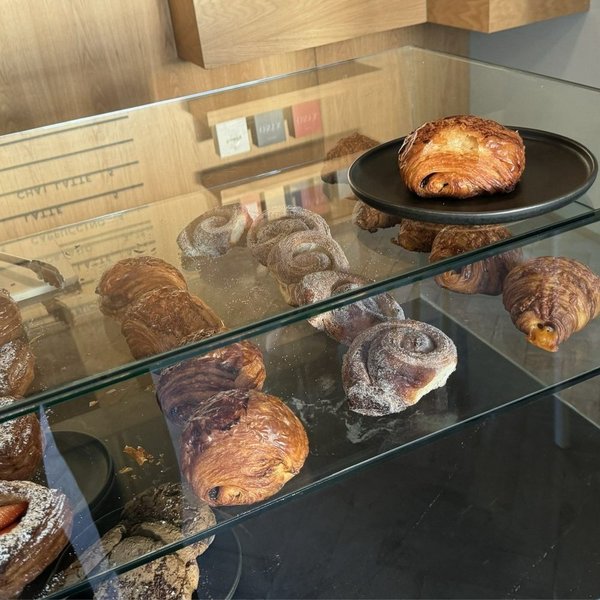
A variety of baked goods often found in a bakery.
Starting Your Bakery Business
Opening a bakery requires careful planning and significant investment. Here are some key steps and considerations:
Develop a Business Plan
A comprehensive business plan is essential. This should include:
- Concept and Menu: Define your specific type of Uzbek bread and any other products you will offer. Will you specialize only in non, or will you also sell other baked goods or complementary food items?
- Target Market: Identify your ideal customers. Are they members of the Uzbek diaspora, adventurous foodies, or a broader local community interested in artisanal bread?
- Marketing Strategy: How will you reach your target market? Consider online presence, local advertising, and participating in cultural events or farmers' markets.
- Financial Projections: Estimate your startup costs, operating expenses, and potential revenue. This will help you determine how much funding you need and assess the viability of your business.
Secure Funding
Startup costs for a bakery can range from $10,000 to $50,000 or more, depending on the size and location. You may need to seek funding through personal savings, loans, or investors.
Find a Location
The location of your bakery is critical. Consider foot traffic, accessibility, and the demographics of the area. A location with a significant Central Asian community or in a vibrant food scene might be advantageous.
Obtain Necessary Permits and Licenses
You will need to comply with local health and food safety regulations, as well as obtain the necessary business permits and licenses.
Acquire Equipment
Essential bakery equipment includes mixers, ovens (ideally a tandoor or a suitable alternative), proofing cabinets, work tables, and display cases. The cost of a tandoor can vary widely, and you may need to import one or have one custom-built.
Source Ingredients
High-quality ingredients are crucial for delicious bread. Source good quality flour, yeast, salt, and any other ingredients required for your specific recipes.
Hire and Train Staff
If you plan to have employees, you'll need to hire bakers, sales staff, and potentially delivery personnel. Training in traditional Uzbek bread-making techniques will be essential for your baking staff.
Marketing and Sales
Promote your bakery through various channels. Highlight the authenticity and cultural significance of your bread. Consider offering samples, running promotions, and building relationships with local restaurants or cafes.
Online Presence
Establish a strong online presence through a website and social media. Share photos and videos of your bread-making process and finished products. Engage with your community online.
Building a Local Following
Participate in local events, collaborate with other businesses, and build relationships with your customers. Word-of-mouth marketing can be powerful for a local bakery.
Challenges and Considerations
Starting an Uzbek bread bakery outside of Uzbekistan comes with specific challenges:
-
Authenticity vs. Adaptation: Balancing the desire for authentic traditional methods with the need to adapt to local ingredients, equipment availability, and customer preferences.
-
Educating the Market: Introducing Uzbek bread to customers who may be unfamiliar with it and explaining its unique qualities and cultural significance.
-
Competition: While you may be the only Uzbek bakery in your area, you will still compete with other bakeries and food businesses.
-
Logistics of Traditional Equipment: Sourcing, installing, and maintaining a traditional tandoor oven can be complex and costly due to potential import restrictions or specialized construction requirements.
Types of Uzbek Bread (Non)
While obi non is the most common, there are several regional variations of Uzbek bread:
| Type of Non | Description | Key Characteristics |
|---|---|---|
| Obi Non | The most common type, a round flatbread. | Crispy crust, soft interior, often decorated with a chekich pattern. |
| Samarkand Non | Known for being heavier and more nourishing. | Often has sesame seeds in the middle, baked in special tandoors. |
| Patir Non | A flaky, layered bread made with butter or oil. | Richer flavor and texture compared to obi non. |
Understanding these variations can help you decide which types of non to specialize in, potentially offering a range to appeal to different tastes.
This video showcases the incredible bread baking skills involved in making Samarkand bread in Uzbekistan, demonstrating the traditional techniques and the scale of production.
FAQ
What are the essential ingredients for Uzbek bread?
The basic ingredients for Uzbek bread include flour, water, salt, and yeast. Some recipes may also include sugar, butter, or oil for added flavor and texture.
Can I make Uzbek bread without a tandoor oven?
While a tandoor is traditional, you can attempt to make Uzbek-style bread in a conventional oven using a baking stone or Dutch oven to mimic the high heat environment. The results may differ slightly in texture and appearance.
How can I ensure the authenticity of my Uzbek bread?
To ensure authenticity, use traditional recipes and techniques as much as possible. If you cannot use a tandoor, explore alternative baking methods that best replicate the tandoor's effect. Learning from experienced Uzbek bakers can also be invaluable.
What is the typical shelf life of Uzbek bread?
Uzbek bread is best enjoyed fresh and warm from the oven. Like most artisanal breads without preservatives, its shelf life is relatively short, typically a few days at room temperature. Freezing can extend its life.
Is there a demand for ethnic breads like Uzbek non in other countries?
The demand for ethnic and artisanal breads has been growing globally. With increasing interest in diverse cuisines and authentic food experiences, there is potential demand for Uzbek bread, particularly in areas with a diverse population or a strong food culture.
References
Last updated May 10, 2025