
Building a Startup Success Predictor: Leverage Agno AI Agents with Next.js
Transform startup evaluation with an intelligent agent-based system that scores potential business ideas with data-driven precision
Key Insights for Your Startup Analysis System
- Multi-agent architecture - Deploy specialized Agno agents for market analysis, financial viability, and technical feasibility to deliver comprehensive startup evaluation
- Interactive scoring dashboard - Create an intuitive Next.js frontend that visualizes startup potential across multiple dimensions with detailed reports
- Data-driven decision making - Implement a weighted scoring algorithm that combines qualitative and quantitative metrics to predict startup success probability
Project Overview
The Startup Success Predictor is a sophisticated system that leverages Agno's AI agent framework to analyze startup ideas and provide comprehensive scoring across multiple dimensions. This system will help entrepreneurs, investors, and incubators evaluate the potential success of startup concepts before significant resources are committed.
Using a team of specialized AI agents working in concert, the system will analyze various aspects of a startup idea, including market potential, competitive landscape, financial viability, and team composition. The results will be presented through a modern, responsive Next.js frontend that provides detailed insights, visualizations, and actionable recommendations.
System Architecture
The system consists of two main components:
- Agno AI Agent Team: A collection of specialized agents that gather and analyze data from various sources to evaluate startup potential.
- Next.js Frontend: A user-friendly interface for submitting startup information, visualizing analysis results, and accessing detailed reports.
Agent Team Structure
Our agent team will be composed of specialized AI agents, each responsible for analyzing different aspects of a startup:
Product Requirements Document (PRD)
1. Problem Statement
Entrepreneurs and investors struggle to objectively evaluate startup ideas before committing significant resources. Traditional methods rely heavily on subjective judgment, leading to inconsistent evaluations and potentially missed opportunities or wasted investments.
2. Solution
An AI-powered startup analysis system that leverages Agno's agent framework to provide comprehensive, data-driven evaluation of startup ideas across multiple dimensions, delivering an objective score and detailed recommendations through an intuitive Next.js interface.
3. Target Users
- Entrepreneurs: Seeking validation and feedback on their startup ideas
- Angel Investors: Evaluating potential investment opportunities
- Venture Capital Firms: Screening startups for potential investment
- Startup Incubators/Accelerators: Assessing applicants for their programs
4. Key Features
4.1 Agno Agent Team
| Agent | Purpose | Data Sources | Key Functions |
|---|---|---|---|
| Market Analysis Agent | Evaluate market size, growth potential, and trends | Market research databases, industry reports | Market sizing, growth rate analysis, trend identification |
| Competitive Analysis Agent | Assess competitive landscape and differentiation | Competitor websites, news articles, product databases | Competitor identification, gap analysis, positioning evaluation |
| Financial Viability Agent | Analyze business model and financial projections | Financial models, industry benchmarks | Revenue model validation, cost structure analysis, ROI projection |
| Team Assessment Agent | Evaluate founding team capabilities and experience | LinkedIn profiles, past startup performance data | Skill gap analysis, experience validation, team compatibility |
| Technical Feasibility Agent | Assess technical viability and implementation challenges | Technology trend data, development requirements | Technical complexity assessment, development timeline estimation |
| Coordinator Agent | Orchestrate agent interactions and compile final report | Outputs from all other agents | Task delegation, data integration, report generation |
4.2 Scoring System
The system will employ a weighted scoring algorithm that evaluates startups across seven key dimensions:
- Market Opportunity (20%): Size, growth rate, and accessibility of the target market
- Value Proposition (15%): Uniqueness and strength of the solution
- Business Model (15%): Viability and scalability of revenue generation approach
- Competitive Landscape (10%): Strength of existing competitors and barriers to entry
- Team Capability (20%): Experience, skills, and track record of founding team
- Technical Feasibility (10%): Complexity and practicality of implementation
- Financial Projections (10%): Reasonableness of financial assumptions and projections
4.3 Next.js Frontend
- Startup Information Input: Comprehensive forms for submitting startup details
- Analysis Dashboard: Visual representation of analysis results and overall score
- Detailed Reports: In-depth analysis from each agent with supporting data
- Recommendation Engine: Actionable suggestions for improving the startup concept
- Comparative Analysis: Benchmarking against similar startups and industry standards
5. User Journey
6. Technical Requirements
6.1 Backend (Agno)
- Agno framework for building and orchestrating AI agents
- Integration with LLM providers (OpenAI, Anthropic, etc.) for agent intelligence
- Database for storing startup information and analysis results (MongoDB/PostgreSQL)
- API layer for communication between frontend and agent system
- Authentication and authorization system
6.2 Frontend (Next.js)
- Next.js 15+ for frontend development
- Responsive design for desktop and mobile access
- Interactive data visualization components (Charts.js, D3.js)
- Form validation and data handling
- User authentication and session management
6.3 Integrations
- External APIs for market and competitive data
- Document parsing capabilities for uploaded materials
- Export functionality for reports (PDF, Excel)
- User notification system (email, in-app)
Implementation Plan
1. Project Initiation (2 weeks)
1.1 Team Assembly
- Recruit AI engineers experienced with Agno
- Recruit frontend developers experienced with Next.js
- Recruit UI/UX designers for interface design
- Assign product manager and project lead
1.2 Project Setup
- Set up GitHub repository with branching strategy
- Define coding standards and documentation guidelines
- Establish development, staging, and production environments
- Set up project management tools (Jira, Trello, etc.)
2. Agent Development (8 weeks)
2.1 Agent Design (2 weeks)
- Define agent architecture and interaction patterns
- Design agent-specific prompts and evaluation criteria
- Establish data flow between agents
- Create agent testing frameworks
2.2 Individual Agent Implementation (4 weeks)
- Implement and train each specialized agent
- Develop data gathering mechanisms
- Create analysis algorithms for each domain
- Build agent-specific reporting components
2.3 Agent Integration (2 weeks)
- Implement coordinator agent for orchestration
- Establish communication protocols between agents
- Develop aggregation mechanisms for results
- Create the final scoring algorithm
3. Frontend Development (6 weeks)
3.1 UI/UX Design (2 weeks)
- Create wireframes and mockups
- Design component library
- Develop user flow diagrams
- Conduct initial usability testing
3.2 Next.js Implementation (4 weeks)
- Set up Next.js project with TypeScript
- Implement authentication and user management
- Build input forms for startup data collection
- Develop dashboard and visualization components
- Create detailed report views
4. Integration and Testing (4 weeks)
4.1 API Development (1 week)
- Create RESTful API endpoints
- Implement request validation
- Develop error handling and logging
- Document API specifications
4.2 System Integration (2 weeks)
- Connect frontend and backend components
- Implement data flow between components
- Establish authentication and authorization flow
- Integrate third-party services and APIs
4.3 Testing (1 week)
- Conduct unit testing for individual components
- Perform integration testing for system functionality
- Execute performance testing under load
- Complete security testing and vulnerability assessment
5. Deployment and Launch (2 weeks)
5.1 Infrastructure Setup (1 week)
- Configure cloud infrastructure (AWS/GCP/Azure)
- Set up continuous integration and deployment pipelines
- Implement monitoring and alerting systems
- Establish backup and recovery procedures
5.2 Launch Preparation (1 week)
- Conduct final user acceptance testing
- Prepare marketing and documentation materials
- Train support staff
- Execute soft launch with beta testers
Example AI Agent Implementation in Agno
Here's an example of how to implement the Market Analysis Agent using Agno:
from agno import Agent, KnowledgeBase, Tool
from agno.tools import WebSearch, PDFReader

# Create knowledge base for market data
market_knowledge = KnowledgeBase(
    name="Market Research Data",
    description="Repository of market size, growth rates, and trends across industries"
)

# Define tools for market analysis
market_search_tool = WebSearch(
    name="Market Research Search",
    description="Search for market size, growth rates, and trends"
)

pdf_reader_tool = PDFReader(
    name="Industry Report Reader",
    description="Extract data from industry reports and market analyses"
)

# Create the Market Analysis Agent
market_analysis_agent = Agent(
    name="Market Analysis Agent",
    description="Analyzes market size, growth potential, and trends for startup evaluation",
    knowledge_bases=[market_knowledge],
    tools=[market_search_tool, pdf_reader_tool],
    system_prompt="""
    You are a Market Analysis Agent specialized in evaluating startup markets.
    Your task is to:
    1. Analyze the target market size and growth rate
    2. Identify key market trends and dynamics
    3. Assess market barriers to entry
    4. Evaluate timing for market entry
    5. Score the market opportunity on a scale of 1-100

    Provide comprehensive justification for your scoring, citing specific data points.
    """
)

# Function to run market analysis
def analyze_market(startup_data):
    # Execute the market analysis
    market_analysis = market_analysis_agent.run(
        f"""
        Analyze the market potential for the following startup:

        Name: {startup_data['name']}
        Industry: {startup_data['industry']}
        Target Market: {startup_data['target_market']}
        Value Proposition: {startup_data['value_proposition']}

        Provide a detailed analysis and a score between 1-100.
        """
    )

    return market_analysis
Relevant Videos and Resources
This video provides a comprehensive overview of Agno, exploring how to build agents with memory, knowledge, tools, and workflows. It shows the key components needed to create the agent team for your startup analysis system.
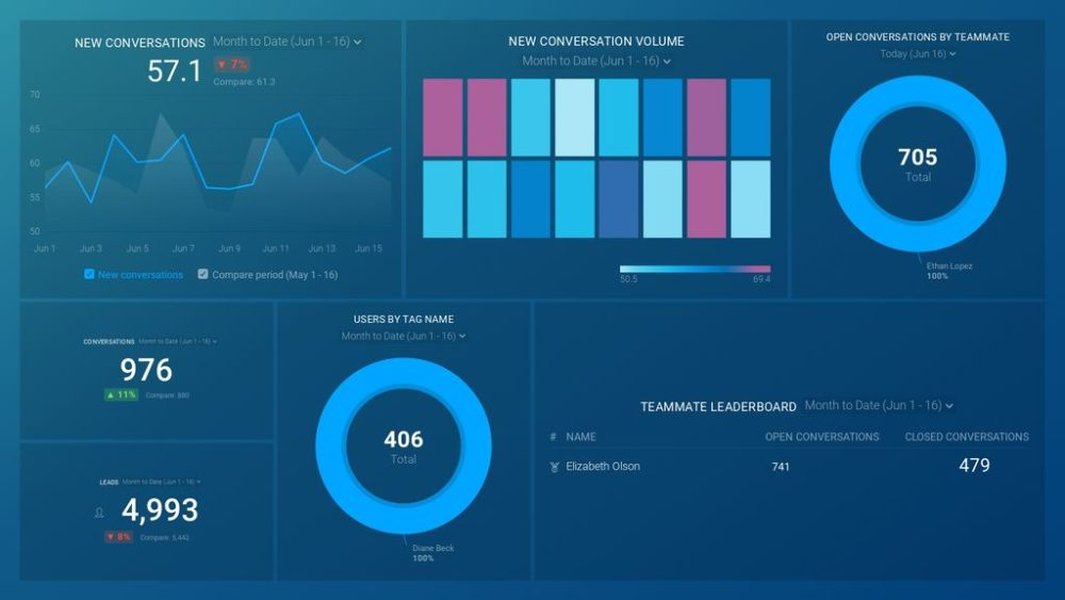
Example of a startup KPI dashboard that can serve as inspiration for your Next.js frontend visualization components. Creating clear visualizations of startup metrics will help users quickly interpret the analysis results.
Frequently Asked Questions
References
- Agno: EASILY Build Agents with Memory, Knowledge, Tools & Workflows - YouTube
- Building Your First Agent With AGNO AGI (Previously Phidata) - YouTube
- Working With Agent Memory | Agno AI Agent Tutorial - YouTube
- Create Your Own Stock Advisory Agent | Agno AI Agent Tutorial - YouTube
- Build AI Agent Assistant Tools with Next.js 15 - Convex
- Best Practices for Building Your Team of AI Agents in Taskade
- How VCs Should Actually Value AI Startups - YouTube
Recommended Searches
Last updated April 7, 2025