
Navigating High Cholesterol Without Statins: Your Comprehensive Guide to Effective Alternatives
Discover proven strategies and treatments to manage cholesterol when statins aren't an option, empowering you to protect your heart health.
Statins are widely recognized as a cornerstone in managing high cholesterol and reducing cardiovascular risk. However, for individuals who cannot tolerate statins due to side effects like muscle pain, liver issues, or other contraindications, a crucial question arises: what are the best alternative treatments? Fortunately, medical advancements and a deeper understanding of lifestyle impacts offer a robust array of options. This guide explores effective non-statin medications, essential lifestyle modifications, and other approaches to help you achieve healthy cholesterol levels.
Essential Insights: Key Alternatives to Statins
- Medication Diversity: Several non-statin drugs, such as ezetimibe, bempedoic acid, and PCSK9 inhibitors, offer distinct mechanisms to lower LDL ("bad") cholesterol effectively.
- Lifestyle is Paramount: Dietary changes, regular exercise, weight management, and smoking cessation are foundational strategies that can significantly impact cholesterol levels, often complementing medical treatments.
- Personalized Approach: The "best" alternative is highly individual and depends on your specific cholesterol profile, overall health, risk factors, and tolerance. Consultation with a healthcare professional is vital to tailor a safe and effective plan.
Why Seek Statin Alternatives? Understanding Intolerance
While statins are highly effective for many, a segment of the population experiences side effects that necessitate exploring alternatives. The most commonly reported issue is statin-associated muscle symptoms (SAMS), which can range from mild discomfort to severe pain. Other individuals might have pre-existing liver conditions or face drug interactions that make statins unsuitable. Recognizing these challenges is the first step towards finding a more compatible cholesterol management strategy.
Effective Non-Statin Medications: A Closer Look
When statins are off the table, several other classes of medications can step in to help control high cholesterol levels. These drugs work through various mechanisms to reduce LDL cholesterol and are often selected based on the patient's specific needs and risk profile.
Ezetimibe (Zetia): Blocking Cholesterol Absorption
Mechanism and Efficacy
Ezetimibe works uniquely by inhibiting the absorption of cholesterol from food and bile in the small intestine. This reduces the amount of cholesterol delivered to the liver. It can lower LDL cholesterol by approximately 13% to 25% when used as monotherapy or in combination with other lipid-lowering agents. Due to its generally good tolerability, ezetimibe is often considered a first-line non-statin alternative.
Usage and Side Effects
Ezetimibe is an oral medication, typically taken once daily. It is generally well-tolerated, with potential side effects including diarrhea, stomach pain, fatigue, or muscle and joint pain. These are usually mild and often less problematic than statin-induced muscle symptoms for many patients.
Bempedoic Acid (Nexletol): A Liver-Specific Inhibitor
Mechanism and Efficacy
Bempedoic acid is an ATP citrate lyase (ACL) inhibitor. ACL is an enzyme involved in cholesterol production in the liver, upstream of the enzyme targeted by statins. A key advantage is that bempedoic acid is activated in the liver, not in muscle tissue, which significantly reduces the risk of muscle-related side effects common with statins. It can lower LDL cholesterol by about 15% to 20% on its own and even more when combined with ezetimibe (available as a combination pill, Nexlizet).
Usage and Side Effects
Taken as a once-daily oral tablet, bempedoic acid is a valuable option for patients with statin intolerance, particularly due to muscle pain, or for those needing additional LDL lowering. Common side effects can include an increase in uric acid levels (potentially leading to gout in susceptible individuals), mild changes in kidney function, and, rarely, gallbladder inflammation.
PCSK9 Inhibitors: Powerful Injectable Therapies
Mechanism and Efficacy
Proprotein Convertase Subtilisin/Kexin type 9 (PCSK9) inhibitors are a class of highly effective injectable medications. Examples include alirocumab (Praluent) and evolocumab (Repatha). They work by blocking the PCSK9 protein, which normally degrades LDL receptors on liver cells. By inhibiting PCSK9, more LDL receptors are available to remove LDL cholesterol from the bloodstream, leading to dramatic reductions in LDL levels—often 50% or more. These are particularly useful for individuals with very high cholesterol (like those with familial hypercholesterolemia) or those at very high cardiovascular risk.
Usage and Side Effects
PCSK9 inhibitors are administered via subcutaneous injection, typically every 2 to 4 weeks. Side effects are generally mild and may include injection site reactions (redness, pain, or swelling) or flu-like symptoms. While highly effective, their cost and the need for injection can be barriers for some patients, often requiring insurance pre-authorization.
Inclisiran (Leqvio): A Novel RNA-Based Approach
Mechanism and Efficacy
Inclisiran is a newer type of cholesterol-lowering medication that uses small interfering RNA (siRNA) technology. It works by "silencing" the gene responsible for producing PCSK9 protein in the liver. This leads to a sustained reduction in PCSK9 levels and, consequently, a significant decrease in LDL cholesterol, comparable to traditional PCSK9 inhibitors (up to 50% reduction).
Usage and Side Effects
A key advantage of inclisiran is its dosing schedule: after an initial dose and another at 3 months, it is administered by subcutaneous injection just twice a year (every 6 months) by a healthcare professional. Common side effects include injection site reactions, joint pain, and urinary tract infections. It's generally considered for patients who require substantial LDL lowering and may benefit from infrequent dosing.
Bile Acid Sequestrants: Binding and Excretion
Mechanism and Efficacy
Bile acid sequestrants, such as cholestyramine, colesevelam, and colestipol, work by binding to bile acids in the intestine. This prevents their reabsorption into the bloodstream. In response, the liver converts more cholesterol into bile acids to replenish the supply, thereby lowering blood cholesterol levels, particularly LDL cholesterol (by about 15-25%).
Usage and Side Effects
These medications are taken orally, often as a powder mixed with liquid or as tablets, sometimes multiple times a day. Common side effects are primarily gastrointestinal, including constipation, bloating, gas, heartburn, and nausea. They can also interfere with the absorption of other medications and certain fat-soluble vitamins, requiring careful timing of doses.
Other Pharmacological Options
Fibrates (e.g., Gemfibrozil, Fenofibrate)
Fibrates are primarily used to lower high triglyceride levels and can modestly increase HDL ("good") cholesterol. Their effect on LDL cholesterol is variable and generally less potent than other dedicated LDL-lowering drugs. They are typically reserved for patients with very high triglycerides or mixed dyslipidemia (abnormal levels of multiple types of fats).
Visualizing Your Treatment Path: A Mindmap for Cholesterol Management
Understanding the various pathways to managing high cholesterol without statins can be complex. The mindmap below illustrates the key decision points and treatment categories, from initial consultation to medication choices and lifestyle adjustments, helping to clarify the comprehensive approach needed.
Without Statins"] id1["Medical Consultation & Diagnosis"] id1a["Assess Cardiovascular Risk"] id1b["Identify Statin Intolerance Reasons"] id1c["Set Cholesterol Targets"] id2["Non-Statin Medications"] id2a["Ezetimibe (Zetia)"] id2aa["Blocks Cholesterol Absorption"] id2b["Bempedoic Acid (Nexletol)"] id2ba["Inhibits Liver Cholesterol Synthesis"] id2bb["Often for Statin-Intolerant Muscle Pain"] id2c["PCSK9 Inhibitors & siRNA"] id2ca["Alirocumab (Praluent)"] id2cb["Evolocumab (Repatha)"] id2cc["Inclisiran (Leqvio - siRNA)"] id2cd["Powerful LDL Lowering (Injectable)"] id2d["Bile Acid Sequestrants"] id2da["Cholestyramine, Colesevelam"] id2db["Bind Bile Acids in Gut"] id2e["Fibrates"] id2ea["Mainly for Triglycerides"] id3["Fundamental Lifestyle Modifications"] id3a["Heart-Healthy Diet"] id3aa["Reduce Saturated/Trans Fats"] id3ab["Increase Soluble Fiber (Oats, Beans)"] id3ac["Healthy Fats (Olive Oil, Nuts, Fish)"] id3ad["Plant Sterols/Stanols"] id3b["Regular Physical Activity"] id3ba["Aerobic Exercise (e.g., Brisk Walking)"] id3bb["Strength Training"] id3c["Weight Management"] id3d["Smoking Cessation"] id3e["Moderate Alcohol Consumption"] id4["Supplements (Use with Caution & Medical Advice)"] id4a["Omega-3 Fatty Acids (Primarily for Triglycerides)"] id4b["Red Yeast Rice (Contains Monacolin K - Natural Statin)"] id4c["Niacin (Vitamin B3 - Limited Use, Side Effects)"] id4d["Always Discuss with Healthcare Provider First"] id5["Ongoing Monitoring & Adjustment"] id5a["Regular Cholesterol Blood Tests"] id5b["Follow-up Appointments to Assess Efficacy & Safety"]
The Cornerstone: Foundational Lifestyle Modifications
Regardless of whether medication is prescribed, lifestyle changes are fundamental to managing high cholesterol and promoting overall cardiovascular health. These modifications can have a profound impact and are often the first line of defense or a crucial adjunct to pharmacological treatments.
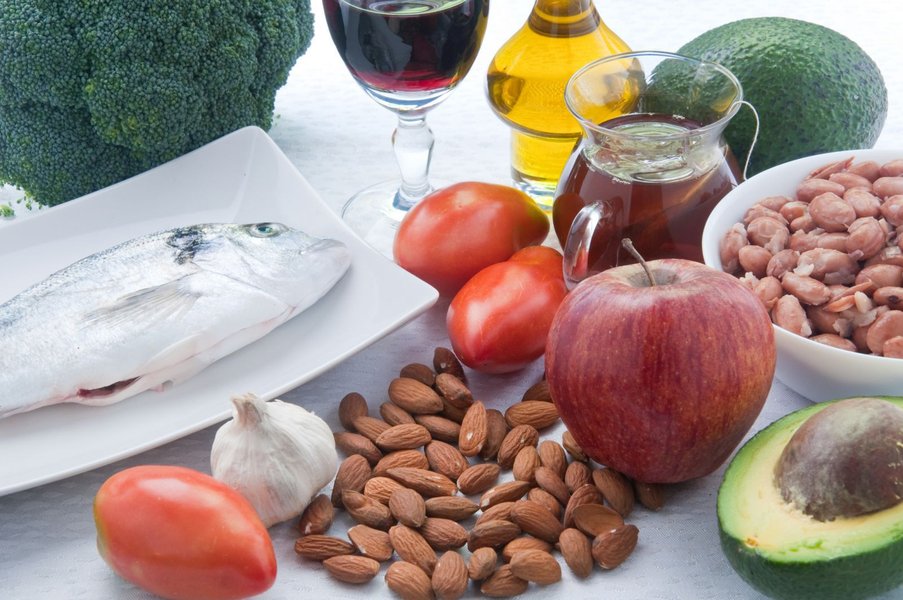
A diet rich in soluble fiber, healthy fats, and plant-based foods can significantly lower LDL cholesterol.
Dietary Power: Eating for a Healthier Heart
Reduce Unhealthy Fats
Limiting saturated fats (found in red meat, processed meats, full-fat dairy) and eliminating trans fats (often in fried foods and commercially baked goods) is crucial. These fats can raise LDL cholesterol levels.
Increase Soluble Fiber
Foods rich in soluble fiber, such as oats, barley, beans, lentils, apples, citrus fruits, and psyllium, can help lower LDL cholesterol by binding with cholesterol in the digestive system and preventing its absorption.
Embrace Heart-Healthy Fats
Incorporate sources of monounsaturated and polyunsaturated fats, like olive oil, avocados, nuts (almonds, walnuts), seeds (flaxseeds, chia seeds), and fatty fish (salmon, mackerel, sardines), which are rich in omega-3 fatty acids.
Plant Sterols and Stanols
These substances, found naturally in small amounts in plants and added to some fortified foods (like certain margarines, orange juice, and yogurts), can help block cholesterol absorption. Consuming 2 grams per day can lower LDL cholesterol by 6% to 15%.
The Role of Regular Exercise
Physical activity is a powerful tool for improving cholesterol profiles. Aim for at least 150 minutes of moderate-intensity aerobic exercise (like brisk walking, cycling, swimming) or 75 minutes of vigorous-intensity exercise per week. Exercise can help raise HDL ("good") cholesterol and, to a lesser extent, lower LDL cholesterol and triglycerides. Strength training at least two days a week also offers benefits.

Regular physical activity, including aerobic and strength exercises, is vital for cholesterol management and heart health.
Weight Management
Losing even a modest amount of weight (5-10% of body weight) if you are overweight or obese can significantly lower LDL cholesterol, total cholesterol, and triglyceride levels. Diet and exercise are key components of successful weight management.
Quitting Smoking and Moderating Alcohol
Smoking damages blood vessels and lowers HDL cholesterol. Quitting smoking is one of the most impactful changes you can make for your heart health. If you drink alcohol, do so in moderation – up to one drink per day for women and up to two drinks per day for men. Excessive alcohol can raise triglyceride levels and contribute to other health problems.
Supplements and Natural Remedies: A Cautious Approach
While some natural supplements are marketed for cholesterol reduction, their efficacy and safety vary. It's crucial to discuss any supplement use with your healthcare provider, as they can interact with medications or have side effects.
- Plant Sterols and Stanols: As mentioned under diet, these are effective and can be taken as supplements if dietary intake is insufficient.
- Omega-3 Fatty Acids: Fish oil supplements are effective for lowering high triglyceride levels. Prescription-strength omega-3s are available. They generally don't significantly lower LDL cholesterol and may slightly increase it in some individuals.
- Red Yeast Rice Extract (RYRE): This contains monacolin K, a substance chemically identical to lovastatin (a statin drug). While it can lower LDL cholesterol, the amount of active ingredient can vary widely in supplements, and it carries similar risks to statin medications, including muscle pain and liver issues. Due to inconsistent regulation and potential risks, its use should be carefully considered with a doctor.
- Niacin (Vitamin B3): Niacin can lower LDL and raise HDL cholesterol, but it requires high doses that can cause significant side effects (like intense skin flushing, liver problems, and increased blood sugar). Moreover, recent research has questioned its overall benefit in reducing cardiovascular events when added to modern therapies, and it's no longer widely recommended for cholesterol management.
- Garlic: Some studies suggest garlic may have a modest, short-term effect on cholesterol levels, but evidence for significant, sustained reduction or cardiovascular benefit is not strong or consistent.
Comparative Efficacy and Characteristics of Statin Alternatives
To better understand how different non-statin treatments compare, the radar chart below visualizes their relative strengths across several key parameters. These are general estimations based on available clinical data and are not absolute values, as individual responses can vary. The parameters include LDL Cholesterol Reduction, Triglyceride Reduction, HDL Cholesterol Increase, Favorable Side Effect Profile (higher score means fewer/milder side effects), Ease of Use (considering administration route and frequency), and Perceived Cost-Effectiveness.
This chart underscores that each alternative has a unique profile. For instance, PCSK9 inhibitors offer potent LDL reduction but come with higher costs and injectable administration. Lifestyle changes excel in safety and cost-effectiveness but may offer more modest LDL reduction compared to potent drugs. Ezetimibe and Bempedoic Acid provide good oral options with reasonable efficacy and tolerability.
Quick Comparison: Key Non-Statin Medications
The following table provides a summary of the primary non-statin medications, outlining their mechanism of action, typical LDL cholesterol reduction, administration route, and common side effects. This can help in understanding the distinctions between these therapeutic options.
| Medication | Mechanism of Action | Typical LDL Reduction | Route of Administration | Common Side Effects |
|---|---|---|---|---|
| Ezetimibe (Zetia) | Inhibits intestinal cholesterol absorption | 13-25% | Oral (once daily) | Diarrhea, stomach pain, fatigue, muscle/joint pain |
| Bempedoic Acid (Nexletol) | Inhibits ATP citrate lyase (cholesterol synthesis) in the liver | 15-20% | Oral (once daily) | Increased uric acid (gout risk), mild kidney function changes, tendon rupture (rare) |
| PCSK9 Inhibitors (e.g., Alirocumab, Evolocumab) | Monoclonal antibodies that increase LDL receptor activity on liver cells | 40-60% or more | Subcutaneous Injection (every 2-4 weeks) | Injection site reactions, flu-like symptoms, nasopharyngitis |
| Inclisiran (Leqvio) | siRNA therapy reducing PCSK9 protein production in the liver | Around 50% | Subcutaneous Injection (twice yearly after initial doses) | Injection site reactions, joint pain, urinary tract infection, diarrhea |
| Bile Acid Sequestrants (e.g., Cholestyramine, Colesevelam) | Bind bile acids in the intestine, prompting liver to use more cholesterol | 15-25% | Oral (powder mixed with liquid, or tablets, often multiple times/day) | Constipation, bloating, nausea, gas, interference with absorption of other drugs |
Expert Insights on Non-Statin Therapies
Hearing from medical professionals can provide valuable context on how these non-statin therapies are utilized in clinical practice. The video below features a discussion on alternative treatments for high cholesterol, offering further insights into their roles and considerations.
This video discusses various non-statin treatments for managing high cholesterol, presented by a healthcare professional.
Frequently Asked Questions (FAQ)
What is the most commonly prescribed non-statin alternative for high cholesterol?
Can lifestyle changes alone be enough to manage high cholesterol if I can't take statins?
Are natural supplements a safe and effective alternative to statins?
How do doctors decide which statin alternative is best for a patient?
Conclusion: Crafting Your Personalized Cholesterol Strategy
Managing high cholesterol without statins is indeed possible and involves a multifaceted approach. From effective non-statin medications like ezetimibe, bempedoic acid, PCSK9 inhibitors, and inclisiran, to the indispensable role of lifestyle modifications, there are numerous avenues to explore. The key lies in a collaborative partnership with your healthcare provider to identify the most suitable, effective, and tolerable treatment plan tailored to your individual health needs and circumstances. Regular monitoring and adjustments will ensure you stay on track towards optimal heart health.
Recommended Further Exploration
- What specific dietary changes are most effective for lowering LDL cholesterol?
- How do PCSK9 inhibitors compare to bempedoic acid in terms of long-term cardiovascular outcomes?
- Can exercise intensity impact HDL cholesterol levels more than LDL levels?
- What are the risks and benefits of combining different non-statin cholesterol medications?
References
Last updated May 21, 2025