
Association between Statins and Oxalates in Coronary Artery Plaque
Exploring How Statin Therapy Influences Plaque Composition and Calcification Dynamics
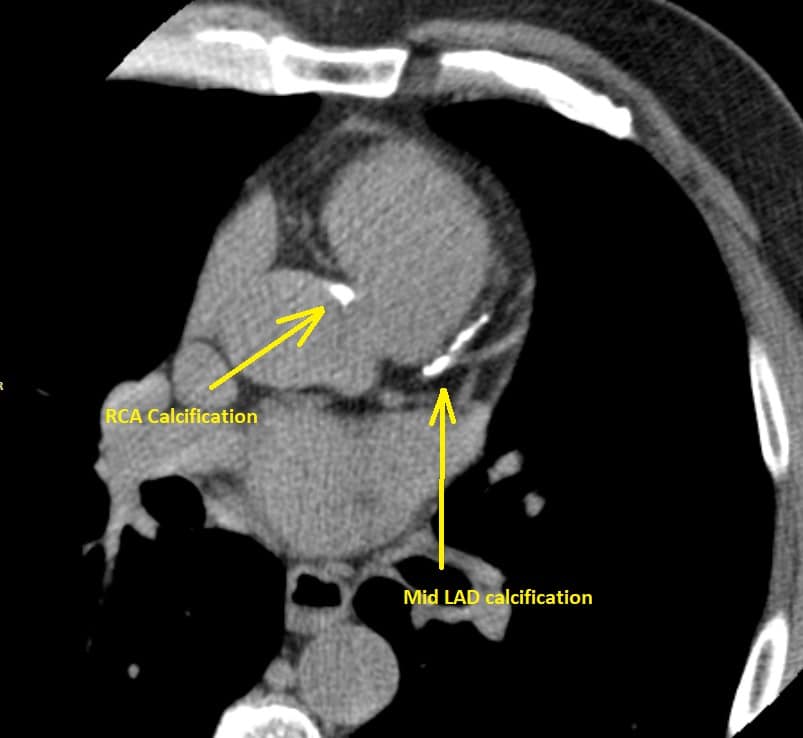
Key Insights
- Plaque Remodeling: Statins transform soft plaques into more stable, calcified forms, impacting coronary artery composition.
- Calcium Dynamics: Increased calcium density in plaques, potentially influenced by oxalate interactions, is a hallmark of long-term statin therapy.
- Emerging Research: While connections between oxalate deposition and coronary calcification exist, the interplay with statin effects remains under investigation.
Overview of Statins and Coronary Artery Plaque Composition
Statins are widely prescribed for their cholesterol-lowering effects and their role in reducing the risk of cardiovascular events. Beyond their lipid-lowering properties, statins have significant effects on the morphology and composition of atherosclerotic plaques. The primary change observed in plaque composition as a result of statin therapy is the transformation of softer, lipid-rich plaques into denser, calcified lesions.
This phenomenon, sometimes described as a "plaque paradox," is characterized by an increase in coronary artery calcification (CAC). Despite an elevated CAC score, the plaques in statin-treated patients are often more stable and less likely to rupture, contributing to a potentially lower risk of acute cardiovascular events.
Mechanisms of Plaque Stabilization with Statin Therapy
Plaque Transformation and Calcification
Statins contribute to the stabilization of atherosclerotic plaques primarily by reducing inflammation and lowering cholesterol levels. The process involves:
Conversion of Soft Plaques
Soft or non-calcified plaques, which are rich in cholesterol and inflammatory cells, are particularly vulnerable to rupture. Under the influence of statin therapy, these plaques undergo a transformation whereby they accumulate calcium deposits. This calcification strengthens the plaque structure, rendering it less prone to rupture. The deposition of calcium is thought to be a natural response to the reduced lipid content and decreased inflammatory activity in the plaque.
Increased Calcium Density
The process of calcification results in plaques with higher calcium density. Paradoxically, despite the increase in calcium scores, the overall risk of cardiovascular events may not necessarily rise. In fact, calcified plaques tend to be more stable than their softer counterparts. This stabilization mechanism is an important consideration in assessing treatment outcomes, as imaging techniques might show an apparent increase in calcification while the patient’s risk profile improves.
Exploring the Role of Oxalates in Coronary Artery Plaque
Understanding Oxalates
Oxalates are organic compounds that occur naturally in many foods and are also produced by the body. In biological systems, oxalates are known for binding with calcium to form calcium oxalate crystals. Most prominently recognized in the context of kidney stone formation, calcium oxalate crystals have also been observed in atherosclerotic plaques, suggesting that oxalate dynamics might influence coronary calcification processes.
Oxalates and Coronary Calcium Deposition
Emerging evidence indicates that serum oxalate concentrations might correlate with an increased burden of coronary artery calcification. The formation of calcium oxalate crystals within the plaque could potentially contribute to calcification in several ways:
Calcium Binding and Crystal Formation
Oxalates have a strong affinity for calcium; when they bind, the resulting calcium oxalate crystals may deposit in the arterial wall. This crystallization process might integrate with the natural calcification stimulated by statin therapy. While the exact contribution of oxalates to plaque stability remains under investigation, their presence suggests an alternative pathway for calcium deposition that could interact with statin-induced changes.
Interplay with Statin Therapy
The use of statins may indirectly influence oxalate dynamics within coronary plaques. As statins reduce plaque lipid content and promote calcification, there could be an environment more conducive to oxalate binding with the available free calcium. In certain vulnerable populations, particularly those with predisposing conditions for higher oxalate levels, this could manifest as an interaction between the medication-induced calcification and the biochemical properties of oxalates.
Clinical Implications and Current Research
Benefits of Statin-Induced Calcification
Although an increase in coronary artery calcification might seem counterintuitive, especially when considering cardiovascular risk, the clinical implications are complex. The key benefits of statin therapy in many patients stem from:
Enhanced Plaque Stability
The calcification of plaques turns them into more fibrous, stable structures. As plaque rupture is a primary trigger for acute coronary syndromes, stabilization through calcification is considered beneficial despite the numerical increase in calcium scores observed in diagnostic imaging.
Long-Term Cardiovascular Protection
Multiple studies have demonstrated that long-term statin therapy correlates with reduced incidences of cardiovascular events. The stabilization of plaques through calcification is a factor in this protection, suggesting that the benefits of statins extend beyond cholesterol reduction to structural modifications within the arterial walls.
Potential Concerns and Areas Requiring Further Investigation
Despite the established benefits, the interrelationship between statins, calcification, and oxalates presents several areas where further research is needed:
Oxalate's Role in Calcification
While evidence indicates that higher serum oxalate levels might correlate with increased coronary calcification, the direct causative mechanisms remain unclear. Research is ongoing to delineate whether oxalate deposition is an independent risk factor for coronary events or if it primarily acts in concert with statin-induced calcium deposition.
Interindividual Variability
Variability in patient responses to statin therapy may be influenced by individual differences in oxalate metabolism. For instance, patients with higher baseline oxalate levels, possibly due to dietary factors or preexisting metabolic conditions, might experience different patterns of calcification. Understanding these nuances will be key in tailoring personalized therapeutic strategies.
Comparative Analysis: Statin Effects and Oxalate Contribution
It is useful to contrast the mechanisms by which statins impact plaque composition with potential contributions from oxalates. The following table summarizes the main characteristics of both processes:
| Aspect | Statin Effects | Oxalate Influence |
|---|---|---|
| Primary Role | Lowering cholesterol and stabilizing plaques | Binding with calcium to form crystals |
| Plaque Composition | Conversion of soft plaques to calcified plaques | Potential to contribute to calcification via crystal deposition |
| Observational Findings | Increased coronary artery calcification but improved plaque stability | Associations observed with higher serum oxalate levels |
| Clinical Outcomes | Reduced risk of acute events despite higher calcium scores | Potential marker for additional calcification risk in specific populations |
| Research Status | Well-established benefits; ongoing studies on long-term effects | Emerging evidence; further research needed to clarify exact mechanisms |
Integrating Current Evidence: A Dual Perspective
Mechanistic Insights
The mechanistic insights into how statins and oxalates might interact within coronary artery plaques underscore two distinct yet potentially overlapping phenomena:
Statin-Induced Calcification Dynamics
Statins deal primarily with cholesterol reduction and plaque moderation. The ensuing increase in calcium density within the plaque is a byproduct of the healing response of the artery wall. As lipids are removed and inflammatory processes abate, the calcium becomes deposited in a more organized and compact form, leading to a denser and more stable plaque.
Oxalate Contributions and Their Uncertainties
In parallel, oxalates, through their natural propensity to bind calcium, might further modify the local calcium balance within the arterial wall. When present in higher concentrations, oxalates could theoretically enhance the calcification process by forming calcium oxalate crystals. These crystals, while indicative of increased calcification, also raise questions about whether oxalate deposition could contribute to localized plaque instability or reflect an independent pathway of vascular injury.
Implications for Future Research
The findings reviewed suggest that while statin-induced plaque calcification is a robust phenomenon, the involvement of oxalates introduces an additional layer of complexity. Future research should focus on:
Elucidating the Molecular Pathways
It will be essential to delineate the molecular pathways through which statins influence calcium deposition and, separately, how oxalates interact with these pathways. Detailed biochemical studies could help determine whether oxalate-induced calcification is merely a bystander effect or a contributory factor to plaque stability.
Population-Specific Studies
Investigating patient subgroups, particularly those at risk of hyperoxaluria due to dietary habits or metabolic dysfunction, will help in understanding whether these individuals experience different plaque evolution patterns under statin therapy. This understanding could lead to more tailored therapeutic strategies and better cardiovascular risk management.
Recommended Further Exploration
Given the complexity of the relationship between statin therapy, oxalates, and coronary plaque calcification, clinicians and researchers are encouraged to explore the following related areas:
- Advanced Imaging in Plaque Analysis: Examining how advanced imaging techniques can differentiate between types of calcification and the presence of oxalate deposits in the plaques.
- Metabolic Impacts on Calcification: Studying the metabolic pathways involved in oxalate production and clearance, and their relationship with statin-induced changes in calcium deposition.
- Longitudinal Outcomes: Evaluating long-term patient outcomes, particularly in groups with metabolic risk factors, to understand how the dual effects of statins and oxalates correlate with cardiovascular events.
Summary of Current Understanding
In summary, statin therapy has a well-documented effect on coronary artery plaque composition, largely by converting soft, lipid-rich plaques into more calcified and stable forms. This calcification enhances plaque stability, reducing the likelihood of plaque rupture and subsequent cardiovascular events. Concurrently, oxalates, compounds that naturally bind to calcium and form insoluble crystals, may contribute to the process of coronary calcification. Although the direct association between oxalate deposition and statin-induced calcification is still under investigation, the emerging correlation calls for further studies, particularly in populations with elevated oxalate levels.
These insights encourage a holistic view of plaque remodeling that acknowledges both pharmacological effects—such as those induced by statins—and biochemical influences like those linked with oxalate dynamics. A deeper understanding of these processes may eventually lead to more nuanced cardiovascular risk assessments and personalized treatment strategies.
References
- The Effect of Statin Therapy on the Progression and Composition of Coronary Atherosclerotic Plaque - ACC
-
Statin Impact on Plaque Composition - PMC
- Plaque Paradox: Statins and Calcium Increase - Cleveland Clinic
- Statins, Oxalates, and Coronary Calcification - Nature
-
Oxalate and Calcification in Cardiovascular Disease - NCBI
Recommended Further Queries
Last updated March 19, 2025