
Customer Satisfaction Strategy for a Steakhouse Business Plan
Crafting an unbeatable dining experience through innovation, service, and engagement
Key Takeaways
- Exemplary Service – Invest in staff training, personalized interactions, and efficient operations.
- Ambience & Menu Excellence – Cultivate a welcoming atmosphere and innovate the menu to reflect current trends.
- Feedback & Digital Engagement – Leverage customer feedback, loyalty programs, and digital platforms.
Overview
In today’s competitive restaurant market, ensuring a high level of customer satisfaction is paramount for any steakhouse. A successful customer satisfaction strategy not only elevates the dining experience but also promotes customer loyalty, positive word-of-mouth, and ultimately drives revenue growth. By integrating several key strategies — including exceptional service, an enticing ambiance, continuous staff training, dynamic menu offerings, and digital engagement — steakhouses can position themselves as local leaders in customer experience.
Service Quality and Staff Engagement
Investing in People
The cornerstone of any exceptional dining experience resides with the staff. Training employees to be knowledgeable and friendly is essential to meet and exceed customer expectations. This involves:
Comprehensive Training Programs
Provide in-depth training that covers product knowledge — from the nuances of different steak cuts to the intricacies of an extensive wine list. Skilled servers can make personalized recommendations, ensuring each customer receives a tailored service experience. Training should also emphasize quick problem resolution in order to transform potential negative experiences into positive outcomes.
Staff Motivation and Empowerment
Motivated staff becomes proactive in enhancing the dining environment. Empower employees to make on-the-spot decisions that foster customer satisfaction. For example, allowing wait staff to offer complimentary side dishes or desserts can create memorable moments that encourage repeat visits.
Creating Personalized Customer Experiences
Personalized service can be achieved by utilizing customer relationship management (CRM) systems. Such systems help track customer preferences and historical data to ensure that every visit to the steakhouse is unique. Implementing loyalty programs, such as discounts for repeat customers or exclusive events, further fosters an environment of personalization.
Enhancing the Dining Environment and Menu Innovation
Ambiance and Atmosphere
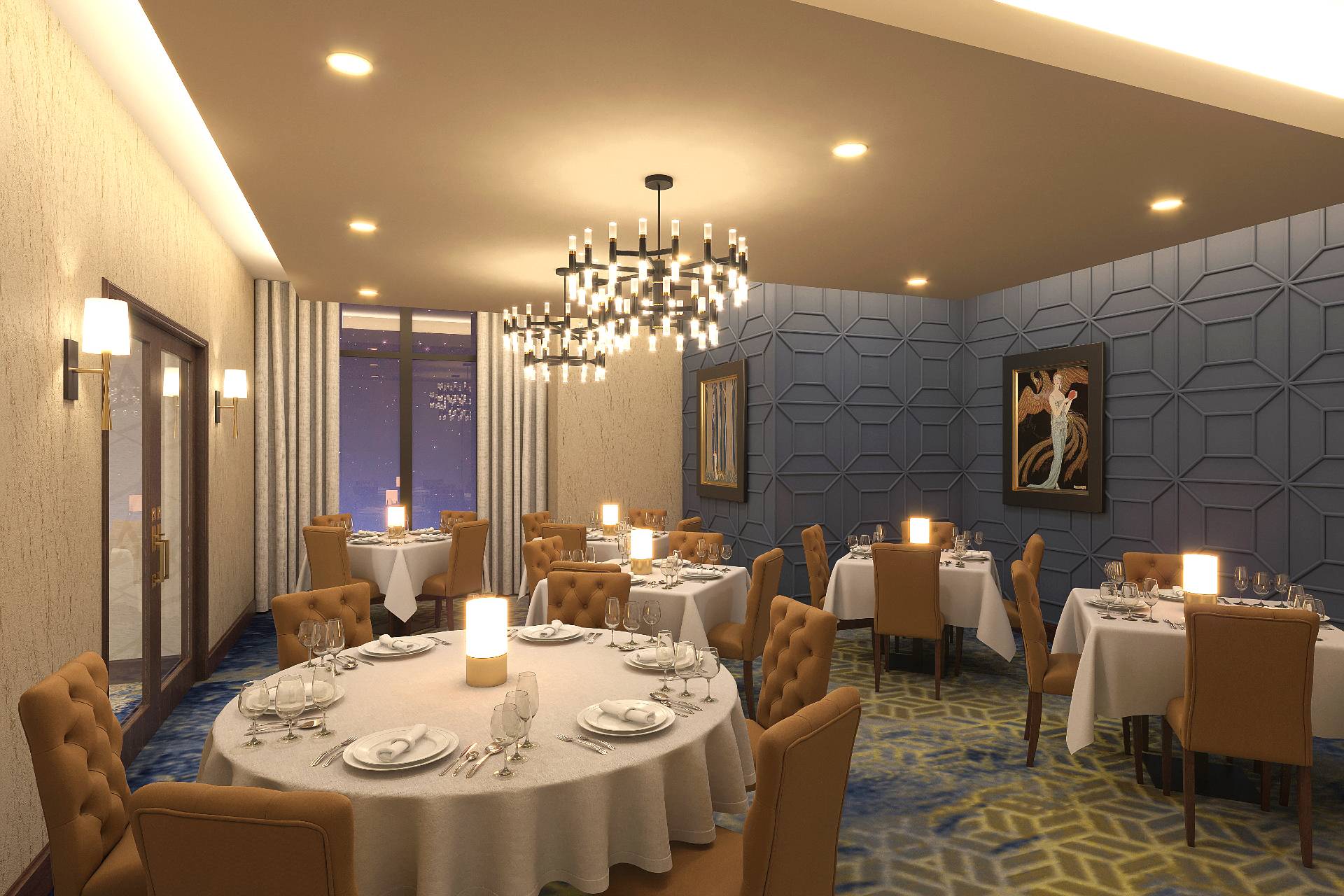
The setting of a steakhouse plays an integral role in shaping the overall customer experience. The interior design, lighting, music, and decor should all align to create a warm, inviting, and sophisticated environment. Attention to details such as comfortable seating and a well-curated background score can elevate the ambiance significantly.
Creating an Unforgettable First Impression
The immediate customer encounter – from the moment of entry to the reception area experience – sets the tone for the rest of the meal. Train staff and design entrance areas such that they exude professionalism and warmth. An outstanding first impression is often the catalyst for building long-term loyalty.
Menu Optimization and Culinary Innovation
A steakhouse's menu is its core product. To maintain high customer satisfaction, continuous innovation and periodic updates to the menu based on customer feedback and current dining trends is crucial. Signature dishes should stand out, while offering alternative options caters to a diverse clientele.
Seasonal and Signature Offerings
Introduce signature steak cuts that have been perfected over time. Also consider incorporating seasonal ingredients and limited-time offers that add freshness and urgency to the dining experience. This not only appeals to regular patrons but also entices new customers.
Catering to Diverse Tastes
While steak typically remains the focus, including complementary dishes and catering to varied dietary needs can broaden your customer base. A well-rounded menu may include vegetarian options, seafood selections, or lighter fare that complements a full-course steak dinner.
Operational Efficiency and Technology Integration
Streamlining Operations
Efficient restaurant operations directly translate to an enhanced customer experience. Minimizing wait times and ensuring timely service are crucial in maintaining customer satisfaction. Streamlining operations includes optimizing reservation systems, fine-tuning seating arrangements, and effectively managing peak hour challenges.
Digital Ordering and Payment Systems
Embedding modern technology into daily operations can significantly reduce delays. Implement digital ordering platforms and mobile payment options to enhance convenience. These technologies minimize human errors and streamline the overall process, leading to a smoother dining experience.
Effective Use of Customer Feedback
Collecting, analyzing, and acting upon customer feedback is a proactive approach to continuous improvement. Many successful steakhouses integrate routine surveys and comment cards to understand customer preferences and identify areas for enhancement.
Feedback Mechanisms
Establish an integrated system where customer comments are monitored and addressed promptly. Digital feedback channels, such as social media engagement and online surveys, assist in gathering actionable insights. Having periodic reviews of feedback helps in making data-driven decisions.
Digital Presence and Community Engagement
Building a Robust Digital Platform
In the current digital age, a strong online presence is essential. A user-friendly website paired with an active social media strategy can position the steakhouse effectively in the market. The following initiatives can serve as the foundation for digital engagement:
Dynamic Website and Online Ordering
Ensure the steakhouse website is responsive, visually appealing, and equipped with online reservation as well as ordering systems. These technological enhancements improve customer convenience and contribute to a positive overall experience.
Harnessing Social Media
Leverage platforms like Instagram, Facebook, and Twitter to promote signature dishes, share behind-the-scenes stories, and announce events or special promotions. Engaging visual content can resonate well with potential customers and builds a strong brand presence in the digital sphere.
Community Involvement and Events
Hosting events or community-based activities can significantly enhance a restaurant’s profile. Consider organizing events such as wine tastings, live music nights, or farm-to-table dinners. These engagements not only build community rapport but also provide a differentiated experience from competitors.
Pricing Strategies and Market Positioning
Competitor Analysis and Dynamic Pricing
To stay competitive in the market, regular comparisons with other steakhouses in the vicinity and in a broader market context are essential. A thorough analysis of competitor pricing, menu offerings, and customer service dynamics can offer insightful data for strategic adjustments.
Dynamic and Flexible Pricing
A dynamic pricing strategy allows the steakhouse to adapt to changes in demand, cost fluctuations, and competitive pressures. For instance, premium pricing during peak hours can be balanced with attractive off-peak discounts to optimize overall revenue without diminishing the customer experience.
Integrating a Comprehensive Strategy: A Summary Table
| Strategy Aspect | Key Elements | Implementation Tactics |
|---|---|---|
| Service Quality & Staff Training | Comprehensive training, empowerment, personalized customer service | Regular training sessions, CRM systems, immediate feedback resolution |
| Ambiance & Atmosphere | Interior design, lighting, music, first impressions | Consistent decor updates, welcoming reception, comfortable seating |
| Menu Innovation | Seasonal offerings, signature dishes, dietary alternatives | Feedback-driven menu updates, culinary innovations, specialist chefs |
| Operational Efficiency | Streamlined ordering, digital systems, efficient staffing | Mobile ordering solutions, reservation systems, process optimization |
| Digital & Community Engagement | Active online presence, targeted social media, community events | Responsive website, engaging social media content, local partnerships |
| Pricing & Positioning | Dynamic pricing, competitor analysis, value-based positioning | Market trends review, promotional pricing strategies, value enhancements |
Implementing and Measuring Success
Customer Surveys and Feedback Channels
A structured approach to measuring customer satisfaction starts with regular surveys and systematic feedback collection. Develop questionnaires that target various aspects of the dining experience—service, food quality, ambiance, and technology convenience. Analyzing this data is crucial for continuous improvement.
Actionable Feedback
Act on recurring themes in customer feedback. If multiple surveys suggest that the wait time is an issue, redesign scheduling or seating arrangements. Such responsive adjustments often lead to an improved customer satisfaction score, ideally above 85%, fostering loyalty and repeat business.
Key Performance Indicators (KPIs)
It is fundamental to set clear KPIs that align with the overall target. Focus on metrics such as repeat visit rate, customer satisfaction scores, average wait times, and digital engagement levels. Use these indicators to monitor progress and justify investments in new technology or service enhancements.
Tracking Improvement Over Time
Establish regular intervals for reviewing performance data to determine the effectiveness of implemented strategies. This continuous loop of feedback and adjustments is integral to achieving long-term success.
References
- Steakhouse Business Metrics - Business Plan Templates
- Improve Customer Experience - Restroworks
- CRM Systems in Steakhouses - Multiable
- Customer Satisfaction in Steakhouses - NRN
- Enhancing Restaurant Customer Experience - Chowbus
Recommended Related Queries
Last updated March 17, 2025