
Stearoylethanolamide: Comprehensive Metabolic Effects
Exploring the Multifaceted Role of Stearoylethanolamide in Metabolic Regulation
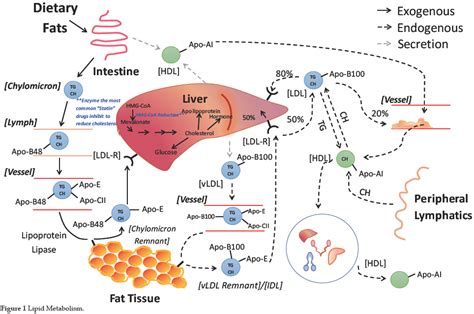
Key Takeaways
- Appetite Suppression and Energy Balance: Stearoylethanolamide (SEA) plays a pivotal role in reducing appetite and regulating energy expenditure, contributing to improved metabolic health.
- Lipid Metabolism Regulation: SEA modulates lipid synthesis and oxidation, enhancing lipid profiles and promoting fatty acid breakdown.
- Anti-inflammatory and Neuroprotective Properties: SEA possesses significant anti-inflammatory effects and supports neuroprotection, which are crucial for maintaining metabolic homeostasis.
1. Appetite Suppression and Regulation of Energy Balance
Anorexic Effects and Satiety Enhancement
Stearoylethanolamide (SEA) exhibits strong anorexic effects, effectively reducing food intake and promoting a sense of satiety. This appetite-suppressing ability is primarily mediated through the downregulation of liver stearoyl-coenzyme A desaturase-1 (SCD-1) mRNA expression. SCD-1 is a key enzyme involved in fatty acid metabolism, particularly in the desaturation of saturated fatty acids, which is essential for lipid synthesis and storage. By suppressing SCD-1, SEA reduces lipid synthesis, leading to decreased fat storage and a leaner phenotype. This mechanism is evident in animal models where SEA administration results in reduced food intake and weight loss, contrasting with the obese phenotype observed in leptin-deficient mice.
Interaction with Peroxisome Proliferator-Activated Receptor Alpha (PPAR-α)
SEA interacts with peroxisome proliferator-activated receptor alpha (PPAR-α), a nuclear receptor that plays a crucial role in the regulation of lipid metabolism and energy homeostasis. Activation of PPAR-α by SEA leads to enhanced β-oxidation of fatty acids, promoting the breakdown of lipids for energy production. This interaction not only contributes to the reduction of lipid accumulation but also supports increased energy expenditure. The activation of PPAR-α by SEA aligns with its anorexic effects, as enhanced fatty acid oxidation can lead to a negative energy balance, further supporting weight loss and metabolic health.
Dose-Dependent Effects and Temporal Dynamics
The anorexic effects of SEA are dose-dependent and can be observed relatively quickly after administration. Studies indicate that within approximately two hours of SEA administration, significant reductions in food intake are noticeable. This rapid onset suggests that SEA could be an effective agent in acute appetite regulation, making it a potential candidate for therapeutic interventions targeting obesity and related metabolic disorders.
2. Regulation of Lipid Metabolism
Modulation of Lipid Synthesis and Oxidation
SEA plays a vital role in regulating lipid metabolism by modulating both lipid synthesis and oxidation. By downregulating SCD-1, SEA reduces the synthesis of monounsaturated fatty acids, which are crucial for triglyceride formation and lipid storage. Simultaneously, SEA enhances the oxidation of fatty acids through the activation of PPAR-α, leading to increased β-oxidation. This dual action results in a favorable lipid profile, characterized by reduced lipid accumulation and enhanced lipid breakdown, thereby promoting overall metabolic health.
Impact on Lipid Profiles
Through its regulatory effects on lipid metabolism, SEA contributes to improved lipid profiles. By decreasing lipid synthesis and promoting fatty acid oxidation, SEA helps lower levels of circulating triglycerides and low-density lipoprotein (LDL) cholesterol while potentially increasing high-density lipoprotein (HDL) cholesterol levels. These changes are beneficial in reducing the risk of cardiovascular diseases and other metabolic complications associated with dyslipidemia.
Compensatory Role in Metabolic Disorders
Elevated levels of SEA have been observed in individuals with certain metabolic disorders, such as insulin resistance and type 2 diabetes. This increase suggests that SEA may play a compensatory role in response to metabolic dysregulation. By enhancing lipid oxidation and reducing lipid synthesis, SEA attempts to counteract the metabolic disturbances caused by these disorders, highlighting its potential as a therapeutic target for improving metabolic outcomes.
3. Anti-inflammatory and Neuroprotective Properties
Anti-inflammatory Effects
SEA exhibits significant anti-inflammatory properties, which are crucial for mitigating metabolic disturbances associated with chronic inflammation. Chronic low-grade inflammation is a common feature of metabolic disorders such as obesity, insulin resistance, and type 2 diabetes. SEA modulates inflammatory pathways by suppressing pro-inflammatory cytokines and reducing the overall inflammatory state. This anti-inflammatory action helps alleviate the progression of metabolic diseases and supports the maintenance of metabolic homeostasis.
Neuroprotection and Blood-Brain Barrier Integrity
SEA contributes to neuroprotection by supporting the integrity of the blood-brain barrier (BBB) and protecting against neuroinflammation. The BBB is a critical structure that regulates the passage of substances between the bloodstream and the central nervous system. During acute systemic inflammation, SEA helps maintain BBB integrity, preventing the infiltration of inflammatory cells and molecules that could disrupt neural function. By reducing neuroinflammation, SEA indirectly supports metabolic health, as neuroinflammatory processes are linked to metabolic dysregulation and insulin resistance.
Impact on Systemic Inflammation and Metabolic Health
The anti-inflammatory and neuroprotective roles of SEA extend to systemic metabolic health. By mitigating inflammation, SEA can reduce insulin resistance and improve glucose metabolism. Chronic inflammation is a key driver of insulin resistance, and SEA's ability to suppress inflammatory pathways can enhance insulin sensitivity, thereby improving glucose uptake and utilization by tissues. This effect is particularly important in managing and preventing type 2 diabetes and other insulin-related metabolic disorders.
4. Interaction with the Endocannabinoid System
Retrograde Endocannabinoid Signaling Interference
SEA interacts with the endocannabinoid system by interfering with retrograde endocannabinoid signaling. Unlike traditional endocannabinoids that bind directly to cannabinoid receptors CB1 and CB2, SEA does not directly activate these receptors. Instead, it modulates the signaling pathways, leading to a more favorable metabolic profile. This interference helps regulate various physiological processes, including appetite, energy balance, and lipid metabolism, without the adverse metabolic effects often associated with cannabinoid receptor activation.
Cannabimimetic Activity Without Direct Receptor Binding
Despite not binding directly to CB1/CB2 receptors, SEA displays cannabimimetic activity, meaning it can mimic some of the physiological effects typically associated with cannabinoids. This activity is achieved through its role as an endogenous lipid mediator, influencing signaling pathways involved in metabolism and inflammation. SEA's ability to exhibit cannabimimetic effects without directly activating cannabinoid receptors makes it a unique modulator within the endocannabinoidome, offering therapeutic potential without the psychoactive side effects linked to cannabinoid receptor agonists.
Role as an Endogenous Lipid Mediator
As an endogenous lipid mediator, SEA engages in various signaling processes that influence metabolic regulation. It is processed by specific membrane transporters and fatty acid amide hydrolase (FAAH), enzymes involved in lipid metabolism. SEA's interaction with these proteins facilitates its role in modulating metabolic pathways, including lipid synthesis, oxidation, and inflammatory responses. By functioning within these pathways, SEA contributes to the intricate balance of metabolic processes essential for maintaining overall health.
5. Potential Role in Insulin Sensitivity and Glucose Metabolism
Enhancing Insulin Sensitivity
SEA's regulatory effects on lipid metabolism and its anti-inflammatory properties contribute to enhanced insulin sensitivity. Insulin resistance is a condition where cells fail to respond effectively to insulin, leading to elevated blood glucose levels and increased risk of type 2 diabetes. By reducing lipid accumulation and suppressing inflammation, SEA helps restore normal insulin signaling pathways. This restoration facilitates better glucose uptake by cells, improving overall glucose metabolism and reducing the likelihood of insulin resistance development.
Supporting Glucose Homeostasis
In addition to enhancing insulin sensitivity, SEA plays a role in maintaining glucose homeostasis. By promoting lipid oxidation and reducing lipid synthesis, SEA ensures that energy production is efficiently managed, preventing the excessive accumulation of lipids that can interfere with normal glucose metabolism. Efficient energy metabolism supports stable blood glucose levels and reduces the burden on insulin-producing cells, thereby contributing to sustained metabolic health.
Therapeutic Implications for Metabolic Disorders
The potential of SEA in improving insulin sensitivity and glucose metabolism highlights its therapeutic value in managing metabolic disorders. Therapeutic interventions targeting SEA pathways could offer new strategies for treating obesity, type 2 diabetes, and other related conditions. By harnessing SEA's multifaceted metabolic effects, it may be possible to develop treatments that address the root causes of metabolic dysregulation, leading to more effective and holistic management of these prevalent health issues.
6. Cellular Metabolism and Molecular Mechanisms
Inhibition of Nitric Oxide Synthase
SEA inhibits cellular nitric oxide synthase (NOS), an enzyme responsible for the production of nitric oxide (NO). Nitric oxide plays a dual role in metabolism; while it is essential for various physiological functions, excessive NO production can lead to nitrosative stress and cellular damage. By inhibiting NOS, SEA helps maintain cellular homeostasis, preventing the detrimental effects of excessive NO and supporting overall metabolic health.
Processing by Membrane Transporters and FAAH
SEA is processed by specific membrane transporters and fatty acid amide hydrolase (FAAH). These enzymes are crucial for the uptake and breakdown of SEA within cells. The efficient processing of SEA ensures its availability for interaction with metabolic pathways and regulatory mechanisms. Dysregulation of these transporters or FAAH activity could potentially impact SEA levels and its metabolic effects, highlighting the importance of these molecules in maintaining SEA's physiological roles.
Influence on Cellular Signaling Pathways
SEA's interaction with various cellular signaling pathways underscores its role in metabolic regulation. By modulating pathways involved in lipid metabolism, energy expenditure, and inflammation, SEA ensures the proper functioning of metabolic processes. These interactions are essential for maintaining metabolic flexibility, allowing cells to efficiently switch between energy sources based on availability and demand.
7. Clinical Implications and Therapeutic Potential
Therapeutic Target for Metabolic Disorders
Given its multifaceted metabolic effects, SEA presents itself as a promising therapeutic target for various metabolic disorders. Its ability to suppress appetite, regulate lipid metabolism, and reduce inflammation makes it an attractive candidate for developing treatments for obesity, insulin resistance, and type 2 diabetes. Clinical studies are warranted to explore SEA's efficacy and safety in human populations, potentially leading to novel interventions for these widespread health issues.
Potential in Weight Management Programs
SEA's anorexic effects and role in enhancing energy expenditure position it as a valuable component in weight management programs. By reducing food intake and promoting lipid oxidation, SEA could aid in achieving and maintaining a healthy weight. This dual action not only supports weight loss but also ensures that the weight loss is accompanied by improvements in metabolic health, reducing the risk of metabolic complications associated with obesity.
Combination Therapies and Synergistic Effects
SEA could also be explored in combination with other therapeutic agents to enhance its metabolic effects. Synergistic combinations may amplify SEA's benefits, such as combining it with other lipid-regulating compounds or anti-inflammatory agents. These combination therapies could offer more comprehensive metabolic regulation, addressing multiple facets of metabolic disorders simultaneously and improving overall treatment outcomes.
Conclusion
Stearoylethanolamide (SEA) emerges as a multifaceted bioactive lipid with significant metabolic effects. Its ability to suppress appetite, regulate lipid metabolism, enhance energy expenditure, and mitigate inflammation positions SEA as a critical player in maintaining metabolic homeostasis. By interacting with key metabolic pathways and the endocannabinoid system, SEA not only supports weight management and lipid profiles but also offers neuroprotective benefits essential for holistic metabolic health. The therapeutic potential of SEA warrants further exploration, particularly in the context of combating prevalent metabolic disorders such as obesity and type 2 diabetes. Future research should focus on elucidating the precise mechanisms of SEA action in humans and developing targeted interventions to harness its full metabolic benefits.
References
Last updated January 19, 2025