
Local University Intervention Programs for STEM
Empowering Diverse Learners with STEM Initiatives
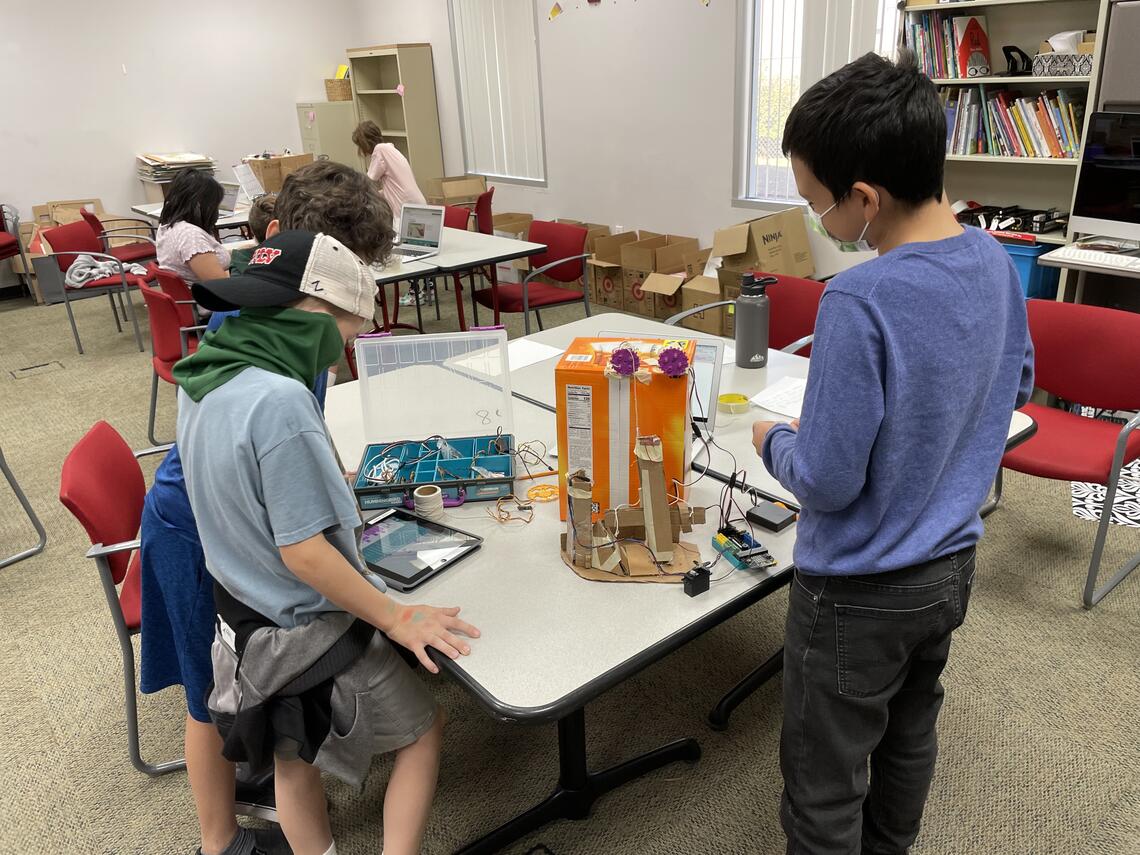
Key Highlights
- Diverse Program Models: Intervention programs vary from academic workshops to hands-on summer camps, offering an expansive range of educational and mentoring opportunities.
- Focus on Underrepresented Groups: Many initiatives target historically underserved students, fostering inclusiveness and diversity in STEM fields.
- Community and Industry Integration: Local universities often partner with community organizations and businesses to enhance resources and exposure to real-world STEM applications.
Overview of Intervention Programs
Local university intervention programs in STEM are designed to bridge the gap between high school and college, ensuring that students from diverse backgrounds receive the support and resources they require to succeed in science, technology, engineering, and mathematics. These initiatives address current educational inequalities and work proactively to improve STEM participation by offering tutoring, mentoring, research opportunities, hands-on learning experiences, and career preparedness.
The primary goal of these programs is to build a robust foundation in STEM learning, while nurturing a strong identity among students as future innovators and problem solvers. Intervention programs at universities not only strengthen academic performance but also connect students to community-based learning opportunities, internships, and partnerships that provide contextual relevance to theoretical concepts.
Program Varieties and Their Focus
Intervention programs are tailored in various formats to cater to different learning stages and career interests. Below are some of the key models:
Academic Enhancement and Bridge Programs
Bridge Programs
Many institutions offer Bridge Programs focused on preparing high-school graduates for the rigorous demands of university-level STEM coursework. Examples include programs that run during the summer, such as "Fall Bridge Program," which aims to increase the rate of baccalaureate and graduate degrees awarded to underrepresented populations. These programs often provide intensive academic support and a preview of college-level STEM education.
Tutoring and Mentorship
Tutoring and mentorship initiatives are a cornerstone of many local programs. Universities like the University of Washington, University of Michigan, and Carnegie Mellon University offer structured mentoring sessions where experienced professionals and educators guide students through their academic challenges while also introducing them to STEM career paths.
Hands-On Learning and Experiential Programs
Workshops and Labs
Several universities maintain dedicated spaces such as labs and workshops that foster applied learning through projects and experiments. These spaces are designed for hands-on learning opportunities where students can engage in practical problem-solving, often in collaboration with peers. For instance, programs like the 3D Printer Club hosted by the University of Cincinnati and STEM Core at the University of Oregon offer facilities for students to develop technical skills while experimenting with modern technology.
Summer Camps and Educational Immersion
Summer camps are another popular model for intervention programs, where students are immersed in STEM subjects for an extended period. Initiatives such as the MIT STEM Program and Girls Inc.'s Eureka! program provide structured summer learning environments that include internships, project-based learning, and mentorship. These camps are highly effective at igniting interest in STEM subjects among young learners and are often geared toward high school students.
Community and Partnership-Based Initiatives
University and K-12 School Partnerships
Many intervention programs are built on partnerships between universities and local K-12 schools. These collaborations aim to extend the reach of STEM education into the community—providing college students and faculty the chance to mentor younger students. Programs like the Joint Educational Project at the University of Southern California have successfully integrated school curricula with university resources, aligning classroom learning with hands-on STEM applications.
Industry and Community Collaborations
Beyond the academic setting, local STEM programs often connect with industries and community groups. Such partnerships facilitate insight into current technological trends and provide opportunities for internships, apprenticeships, and networking events. This community-based approach not only fosters practical knowledge but also enhances a student's ability to apply STEM concepts in real-world scenarios.
Comprehensive Overview of Notable Programs
Multiple distinguished programs have made significant impacts on local STEM education. Here is a summary table that organizes several prominent initiatives along with their key features:
| Institution/Program | Type of Initiative | Target Audience | Key Features | Partnerships |
|---|---|---|---|---|
| University of Cincinnati 3D Printer Club | Hands-On Workshop | High School, College Students | Project-Based Learning, Technical Skill Development | Local Schools, Community Groups |
| STEM Core at University of Oregon | Workshop & Lab Space | Community Learners | Computer Science Classes, Accessible Learning Environments | Community Partnerships |
| Joint Educational Project (USC) | Curriculum-Based Intervention | K-12 Students | NGSS-Aligned Curriculum, 16-Week Program | Local Schools |
| Eureka! Program by Girls Inc. | Summer Camp & Internship | Middle and High School Girls | Hands-On Projects, Mentorship, Internships | Local Colleges, STEM Industries |
| Northwest STEM Hub | Community-Based Learning | High School Students | STEM Identity Development, Collaborative Projects | K-12 Schools, Local Organizations |
| MIT STEM Program | Summer Camp & Mentorship | High School Students | Workshops, Mentorship, Hands-On Research Opportunities | Local High Schools, Community Centers |
| UT STEM Education | Outreach and Tutoring | K-12 Students | Tutoring, Mentoring, Field Trips | Community and Business Partners |
Implementation and Impact of STEM Intervention Programs
Pedagogical Approaches and Curriculum Alignment
One of the breakthroughs in intervention programs is the alignment with next-generation curricula such as the Next Generation Science Standards (NGSS). Programs in institutions like the University of Southern California emphasize a curriculum that is both comprehensive and adaptive to a rapidly evolving STEM landscape. This ensures that students not only grasp theoretical knowledge but are also adept at applying these principles in practical situations.
Many programs employ project-based learning, which enables students to develop problem-solving skills as they tackle real-world challenges. For example, experiments in robotics, computer programming, and biomedical engineering are parts of the practical curriculum. These experiences are particularly helpful in maintaining high interest levels among students and have proven to contribute significantly to their academic success.
Mentorship and Peer Collaboration
Modern STEM intervention programs leverage mentorship from faculty, industry professionals, and upper-class peers. Mentorship structures are designed to provide personalized guidance as students navigate academic and social challenges. Notably, the mentorship aspect is pivotal in fostering self-confidence among students who might otherwise feel marginalized in traditional classroom settings.
Peer collaboration is another key element. By facilitating group projects and team-based assignments, these programs help students build collaborative and interpersonal skills that are imperative in contemporary STEM fields. Collaborative environments also encourage the sharing of diverse perspectives, further enriching the learning process.
Building Community and Industry Partnerships
University STEM programs often seek to forge strong connections with both industry leaders and community groups. This integration provides students exposure to advanced research facilities, cutting-edge technologies, and professional networks that can be instrumental in early career development.
Industry partnerships, in particular, enable programs to host events such as career fairs, technical workshops, and networking sessions. These events help bridge the gap between academic learning and practical application, ensuring that students are better equipped to tackle workforce challenges post-graduation. By including community-based research and internships as part of the curriculum, these programs significantly increase the career engagement of participants.
Evaluating the Impact of Intervention Programs
Assessment Metrics
A crucial aspect of intervention programs is to measure their success through rigorous assessments. Metrics often include student grades, retention rates in STEM fields, and the number of participants who transition successfully into higher education and STEM careers. Some programs also emphasize long-term tracking, monitoring alumni progression and career advancements to maintain continual improvements in program structure.
Evaluations typically embrace both qualitative and quantitative methods, including surveys, standardized testing, and performance reviews. Through these assessments, programs are able to refine their strategies and maintain a high standard of educational delivery.
Case Studies and Success Stories
Numerous success stories underscore the effectiveness of these programs. For example, initiatives like the Fall Bridge Program and STEM Research Academy have documented marked improvements in academic performance and increased enrollment in STEM degree programs, especially among underrepresented populations. These documented outcomes serve as compelling evidence for the scalability of locally implemented STEM intervention initiatives.
In addition, many universities share their methodologies and results in academic journals and public forums, fostering knowledge exchange and encouraging other institutions to adopt similar models. Over time, these collaborative efforts have contributed significantly to broadening the pipeline of high-caliber STEM professionals.
Financial and Logistical Support
Funding and Grants
Financial sustainability is critical for the continuity of STEM intervention programs. Funding is often sourced from federal and state educational grants, private donations, and partnerships with tech companies or local businesses. These financial supports enable universities to offer state-of-the-art laboratories, competitive salaries for mentors, and even scholarships for participants who show exceptional promise.
Robust financial backing not only improves resources but also ensures that these programs remain accessible to students from all socioeconomic backgrounds. The equitable distribution of funds is instrumental in bridging the digital divide and creating a future STEM workforce that reflects the diversity of the community.
Scalability and Community Integration
Beyond initial funding, the scalability of university intervention programs is often reflected in their structural integration with community and industry networks. As these programs expand, they are designed to be replicable across various educational institutions, taking into account local demographic and economic factors. For instance, the adaptability of STEM interventions has facilitated the customization of initiatives to suit regional needs while maintaining core educational objectives.
Integrating these programs with local public and private educational infrastructures creates synergistic relationships that amplify both community engagement and student success. This integration fosters a cohesive ecosystem where academic institutions, community centers, and industries collaborate for sustained impact.
Recommendations for Students and Educators
Strategies for Success
For students interested in harnessing the full benefits of STEM intervention programs, it is recommended to engage actively with available resources, volunteer for community-based projects, and seek mentorship opportunities provided by these programs. Early engagement with university-led STEM initiatives can significantly broaden a student’s perspective and enhance readiness for academic challenges.
Educators and program organizers, on the other hand, can benefit from sharing best practices, collaborating with peer institutions, and continuously assessing program methodologies. Establishing clear channels of feedback among stakeholders, organizing regular workshops, and leveraging digital tools for educational delivery are all essential strategies that ensure the long-term success of STEM interventions.
Additionally, educators are encouraged to adapt curricula to suit evolving STEM trends and to build curricula that include industry-standard tools and approaches. This preparation not only tackles current academic demands but also aligns students for a competitive advantage in the future job market.
References
- Northwest Local Schools' 3D Printer Club - NWLSD
- Center for STEM Education - Northeastern University
- Columbia Youth in STEM Initiative - Columbia University
- USC Joint Educational Project - University of Southern California
- STEM Research Academy - CUNY
Related Queries
Last updated March 21, 2025