
Microbial Steroid Biotransformation via Fermentation
A comprehensive guide for advanced research and industrial applications
Key Takeaways
- Regio- and Stereospecificity: Microbial enzymes offer precise chemical modifications, making them ideal for producing complex steroid derivatives with minimal side products.
- Sustainable Fermentation Processes: Using fermentation for biotransformation provides an environmentally friendly and cost-effective alternative to traditional chemical synthesis.
- Process Optimization & Examples: From testosterone and cortisone production to progesterone and estrone synthesis, the process design involves strain selection, substrate handling, and advanced downstream methods.
Introduction
Microbial steroid biotransformation through fermentation is a sophisticated technique widely adopted in academic and industrial settings. It involves the conversion of steroid molecules, initially possessing a tetracyclic core structure, into chemically modified derivatives of pharmaceutical or industrial importance. Often utilized in the production of drugs such as cortisone, prednisone, progesterone, and even testosterone, this process leverages the natural enzymatic machinery of various microorganisms, including bacteria, fungi, and yeasts.
Owing to its inherent regio- and stereospecificity, the microbial approach offers distinct advantages over purely chemical syntheses. The enzymes within these living cells—such as hydroxylases, oxidases, and dehydrogenases—can perform highly selective transformations that are often difficult to replicate through traditional chemical reactions. Such selectivity, complemented by gentle reaction conditions and reduced environmental impact, makes microbial steroid biotransformation both an attractive academic research area and a viable industrial process.
Fundamentals of Microbial Steroid Biotransformation
Overview
At its core, microbial steroid biotransformation is driven by the enzymatic activities encoded within various microbial strains. These enzymes modify the steroid substrates at specific carbon atoms, which leads to the formation of products with altered biological activities. The entire process can be delineated into several interconnected steps:
- Side-chain cleavage and substrate activation
- Oxidation and reduction reactions
- Hydroxylation at key positions
- Isomerization and further functional group modifications
Each of these steps is performed under controlled fermentation environments, where variables such as pH, temperature, and oxygen levels are finely regulated to optimize enzyme expression and substrate conversion.
Enzymatic Mechanisms and Key Reactions
The transformation of a steroid molecule typically follows a multi-step enzymatic pathway. Central to these pathways are enzymes that recognize the unique structure of steroid molecules. Notable enzyme families include:
-
Cytochrome P450 Monooxygenases:
These enzymes are critically involved in hydroxylation reactions. They introduce hydroxyl groups at precise positions on the steroid framework, thereby increasing solubility and biological activity. Their high selectivity is one of the prime advantages of microbial biotransformation.
-
3-Ketosteroid Dehydrogenases (KSDHs) and Hydroxysteroid Dehydrogenases (HSDHs):
These enzymes mediate oxidation-reduction reactions, altering the oxidation state at specific carbon sites. Their role is essential in converting intermediates into active steroidal compounds.
-
Baeyer-Villiger Monooxygenases:
Responsible for inserting oxygen atoms into the steroid ring system, these enzymes facilitate the formation of lactones or esters. Such modifications are pivotal for producing steroid derivatives with altered pharmacological properties.
The outcome of these reactions is influenced not only by the enzyme’s inherent catalytic properties but also by the surrounding microenvironment in the fermentation medium. By maintaining optimal conditions in bioreactors, researchers can harness these enzymatic reactions to yield high-specificity products.
Fermentation Process Design and Optimization
Strain Selection
The foundation of a successful biotransformation process lies in choosing the right microbial strain. The selection is based on several criteria, including inherent enzyme activity, resistance to substrate toxicity, and the ability to be genetically modified if needed. Commonly used organisms include:
- Bacterial Strains: Species belonging to Mycobacterium, Rhodococcus, and Pseudomonas have shown remarkable steroid modification abilities.
- Fungal Strains: Selected fungi such as Aspergillus niger, Rhizopus arrhizus, and Cunninghamella blakesleeana are known for their robust enzyme systems capable of facilitating complex steroid conversions.
- Yeasts: Certain yeast strains can also be employed, particularly when moderate scale transformations are required.
Advanced genetic engineering techniques further enhance these strains by boosting enzyme expression, eliminating unwanted metabolic pathways, or enhancing substrate uptake. This results in improved conversion rates and product yields.
Substrate Considerations
Steroid substrates such as cholesterol, phytosterols, or steroid precursors are selected based on their availability and compatibility with microbial enzymes. Due to their complex chemical structure and often low solubility, substrate preparation is critical. Techniques such as emulsification or the use of surfactants improve the bioavailability of these substrates, thereby enhancing the rate of enzymatic conversion.
Bioreactor and Fermentation Conditions
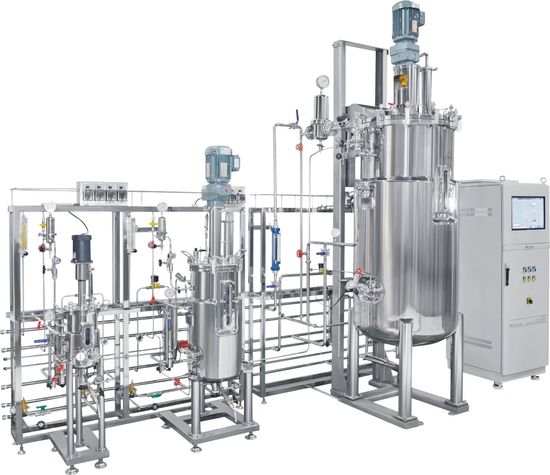
The optimization of fermentation conditions is paramount for achieving successful biotransformation. Most processes are carried out in submerged liquid fermentations within bioreactors that allow precise control over key parameters:
- Temperature: Maintaining an optimal temperature ensures maximum enzyme activity and microbial growth.
- pH: The pH of the medium is critical, as enzymes often have a narrow optimal pH range.
- Dissolved Oxygen: Aerobic conditions generally enhance oxidation reactions; thus, oxygen levels are carefully managed.
- Feeding Strategies: Fed-batch or continuous substrate addition is employed to prevent substrate inhibition and maintain cell viability.
Scale-up from laboratory experiments to industrial production introduces additional challenges, such as ensuring homogeneity in large volume bioreactors and mitigating the risk of contamination. Researchers often develop robust protocols to maintain sterility and consistent process parameters throughout the production run.
Downstream Processing
Following the biotransformation in the fermentation vessel, the resultant mixture contains the target steroid product along with by-products and residual substrate. The purification process typically involves multiple stages:
- Extraction: Solvent extraction is widely used to separate the steroid product from the fermentation broth, ensuring removal of water-soluble impurities.
- Crystallization and Chromatography: Both techniques are employed to further purify the product, maintaining its stereochemical integrity and achieving high purity standards necessary for pharmaceutical applications.
- Quality Control: Analytical methods such as high-performance liquid chromatography (HPLC) and mass spectrometry are crucial for verifying the final product’s purity and structure.
Illustrative Examples of Microbial Steroid Biotransformation
Testosterone Production from Cholesterol
One classical application of microbial steroid biotransformation is the production of testosterone. The process begins with cholesterol, a naturally abundant steroid molecule, which undergoes a series of enzymatically driven modifications:
Process Overview:
- Substrate Preparation: Cholesterol is first emulsified using surfactants to improve its solubility in the aqueous fermentation medium.
- Enzymatic Conversion: Selected microbial strains, often from the Mycobacterium group, are introduced into the medium. They carry out a sequence of reactions including side-chain oxidation and dehydrogenation. This series of reactions eventually converts cholesterol into 4-androstene-3,17-dione (AD), a key intermediate in testosterone synthesis.
- Further Processing: AD can be chemically or enzymatically converted into testosterone under controlled conditions. Hydrogenation, oxidation, and stereospecific hydroxylation are leveraged to ensure the production of an active hormone.
The ability of microbial systems to replace many chemical steps with a single, highly efficient process has made testosterone production via biotransformation an established industrial technique.
Cortisone to Prednisone Conversion
Another significant example is the biotransformation of cortisone into prednisone – a process that underscores the advantages of microbial enzymes:
Process Details:
- Starting Material: Cortisone, which historically required numerous chemical steps for its conversion, is the substrate.
- Enzymatic Action: Specific bacterial strains induce a Δ1-dehydrogenation reaction. Enzymes target the steroid's double bonds, efficiently removing or repositioning hydrogen atoms. This modification converts a relatively inert molecule into prednisone, significantly reducing the number of chemical reactions required when compared to conventional synthesis.
- Outcome: The resultant prednisone can be used directly in pharmaceutical formulations, leveraging its improved efficiency and cost benefits relative to the older chemical processes.
Progesterone Production from Phytosterols
Progesterone, an essential precursor for many steroid drugs, is produced from phytosterols through a cascade of microbial transformations:
Process Steps:
- Raw Material Handling: Phytosterols, which are derived from plant oils, are initially emulsified in the fermentation medium. Their unique structure requires careful preparation to maximize solubility and bioavailability.
- Enzymatic Cascade Reaction: Microbial strains such as engineered Rhodococcus or Mycobacterium species catalyze a series of reactions that first cleave the aliphatic side chains of the sterol molecule. Subsequent oxidation reactions, facilitated by hydroxylases and dehydrogenases, form progesterone as the final product.
- Purification: Post-fermentation, the progesterone is extracted and refined through crystallization and chromatographic techniques, ensuring pharmaceutical-grade purity.
Estrone and Estradiol Synthesis
Microbial processes have also been effective in converting steroid precursors into estrogens. In one method, 19-nor-testosterone is transformed into estrone and estradiol-17β:
Method Execution:
- Enzymatic Aromatization: In this process, cell-free enzyme extracts from specific bacterial strains, such as those derived from Pseudomonas testosteroni, catalyze the aromatization reaction. The reaction reconfigures the A-ring of the steroid, introducing aromatic characteristics essential for estrogenic activity.
- Application: These estrogenic compounds serve as valuable intermediates in hormone replacement therapies and other pharmaceutical applications.
Process Optimization and Future Perspectives
Challenges in Microbial Steroid Biotransformation
Despite its many benefits, microbial steroid biotransformation is not without challenges. Some of the key issues include:
- Substrate Solubility and Toxicity: Many steroid substrates are hydrophobic, posing challenges in achieving efficient solubilization in aqueous media. Additionally, high concentrations of substrates can be toxic to the microbial culture.
- Yield Variability: The biological systems exhibit inherent variability in enzyme expression and metabolic flux, resulting in fluctuations in product yield.
- Scale-Up Issues: Transitioning from laboratory-scale fermentations to industrial production requires rigorous control over bioprocess parameters. Maintaining sterility, ensuring uniform mixing, and managing oxygen transfer in large bioreactors are complex tasks that must be addressed.
Technological Innovations and Future Trends
Ongoing research in the field of microbial steroid biotransformation is focused on overcoming these challenges through:
- Genetic and Metabolic Engineering: Advances in genetic modification allow researchers to optimize microbial strains. By overexpressing key enzymes and blocking competing pathways, the efficiency and specificity of steroid biotransformations can be significantly enhanced.
- Process Intensification: Innovations such as cell immobilization, co-culture systems, and in situ product recovery techniques are being explored to increase yields while reducing product inhibition effects.
- Automation and Real-Time Monitoring: Integrating smart sensors and automated control systems into bioreactors ensures that optimal conditions are maintained throughout the fermentation process. This approach minimizes fluctuations and leads to more consistent product formation.
Table: Comparison of Key Microbial Strains and Their Applications
| Microbial Strain | Primary Applications | Key Reactions |
|---|---|---|
| Mycobacterium spp. | Testosterone, Progesterone production | Oxidation, Dehydrogenation, Side-chain cleavage |
| Rhodococcus spp. | Testosterone and Hydrocortisone intermediates | Hydroxylation, Isomerization |
| Aspergillus niger | Cortisone to Prednisone conversion | $\Delta1$-Dehydrogenation and Hydroxylation |
| Rhizopus arrhizus | Progesterone Hydroxylation | Hydroxylation at C-11, Oxidation |
| Pseudomonas testosteroni | Estrone and Estradiol synthesis | Aromatization, Oxidation |
Conclusion
Microbial steroid biotransformation via fermentation represents a pinnacle of green chemistry and biotechnological innovation. Through the careful engineering of microbial strains, optimization of substrate preparation, and stringent control of fermentation conditions, this process enables the efficient, cost-effective, and environmentally sustainable production of a wide array of steroid products. Whether it is the conversion of cholesterol to testosterone, the transformation of cortisone to prednisone, or the production of progesterone from phytosterols, the methods discussed underline the potential of biological systems to revolutionize pharmaceutical manufacturing.
As technological advancements in metabolic engineering and bioprocess optimization continue to evolve, the field is poised for even greater impact in drug development and industrial applications. The integration of smart monitoring systems and innovative downstream processing techniques heralds a new era of precision biotransformation, making microbial processes the foundation for future steroid synthesis and transformative therapeutic innovations.
References
-
Article - Frontiers in Microbiology
-
Review - ScienceDirect
- Chapter - IntechOpen Biotechnology
-
PMC Article - NCBI
More
Last updated February 19, 2025