
The Steven Stayner Kidnapping: Was Drugging Involved in His Abduction?
Unpacking the details of a harrowing case and addressing a crucial question about Steven Stayner's seven-year ordeal.
The case of Steven Stayner, a young boy abducted and held captive for seven years, is a story of profound tragedy, immense courage, and enduring questions. One such question often arises regarding the methods used by his kidnapper: was Steven Stayner drugged at the time of his abduction? Based on available accounts and comprehensive analysis of the case, the evidence points to a different, yet equally sinister, method.
Key Insights into Steven Stayner's Abduction
- No Evidence of Drugging: Multiple detailed accounts and investigations into Steven Stayner's kidnapping do not indicate that he was drugged at the moment he was taken.
- Abduction Through Deception: Steven was lured by his kidnapper, Kenneth Parnell, who used manipulation and false pretenses rather than physical incapacitation through drugs.
- Captivity Context: While one source mentions the difficulty for a "drugged-up 5-year-old" to escape the remote cabin where Steven was held, this was a general observation about the harsh conditions of captivity and the impossibility of escape, not a statement that Steven himself was drugged.
The Abduction: A Calculated Act of Deception
On December 4, 1972, seven-year-old Steven Stayner was walking home from his elementary school in Merced, California, when his life took a devastating turn. He was approached by two men in a car. One of these men was Kenneth Parnell, a convicted child molester, who would become his captor for the next seven years. The other man was Ervin Edward Murphy.
Accounts of the abduction consistently describe a scenario of manipulation. Parnell and Murphy reportedly claimed to be ministers or representatives of a church collecting donations. They convinced young Steven to get into their car. There is no credible information suggesting that Steven was drugged to facilitate this kidnapping. The primary method employed was psychological manipulation and deception, preying on a child's trust.
Clarifying the "Drugged-Up" Reference
Some discussions around the case reference a statement describing the extreme remoteness of a cabin where Parnell held Steven, noting that "...the cabin's extremely rural location also made it impossible for a drugged-up 5-year-old to even try [to escape]." It is crucial to understand the context of this statement. It highlights the severe isolation and control Parnell maintained over his victims, making escape virtually impossible for any child, particularly if they were disoriented or unwell. However, this is not evidence that Steven Stayner was drugged, either at the time of abduction or routinely during his captivity to prevent escape. The accounts focus on Parnell's psychological domination and the physical isolation of the locations where Steven was held.
Steven Stayner's Ordeal: A Timeline of Captivity and Courage
Steven Stayner (left) and his brother Cary Stayner. Steven's story is one of abduction and heroism, while Cary's later life took a dark turn.
Early Life and Abduction Details
Steven Gregory Stayner was born on April 18, 1965, in Merced, California. His abduction at age seven shattered his childhood. Kenneth Parnell, with a history of sexual offenses, was the architect of this crime. Parnell told Steven that his parents no longer wanted him and had given him away, a cruel lie designed to break the boy's will and ensure his compliance. Parnell even changed Steven's name to "Dennis," further stripping him of his identity.
Seven Years in Captivity
For over seven years, Steven was held captive. Parnell moved him between various remote locations, primarily in Mariposa County and later Mendocino County, California. During this long period, Steven endured significant psychological and physical abuse. He was forced to attend school under his new identity, living a life dictated by his abductor.
The Heroic Escape
In February 1980, Parnell kidnapped another boy, five-year-old Timothy "Timmy" White. This event became a catalyst for Steven, then nearly 15 years old. Despite the years of conditioning and abuse, Steven made a courageous decision. On March 1, 1980 (some sources say May 2, 1980 for reunification, escape was Feb/March), Steven, known as "Dennis" to Timmy, convinced Timmy that Parnell was not his father and that they needed to escape. He bravely took Timothy White and hitchhiked approximately 40 miles to a police station in Ukiah, California. He famously told the police, "I know my first name is Steven." This act of incredible bravery led to his own freedom and the rescue of young Timothy.
Life After Captivity: Resilience and Advocacy
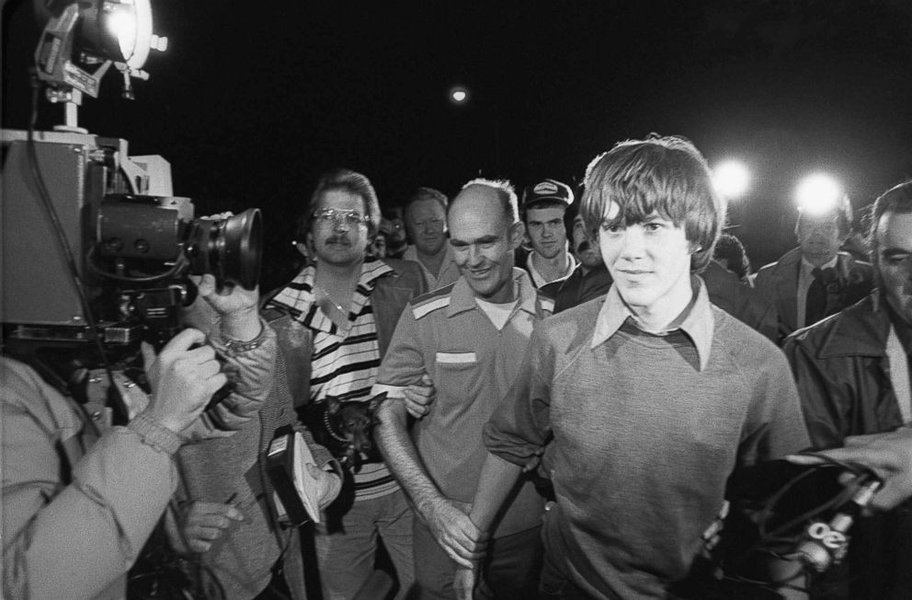
Steven's return was a national media sensation. The joy of his family's reunification was immense, though the years of trauma left deep scars. His story was documented in the 1989 television miniseries, "I Know My First Name Is Steven," in which Steven himself had a cameo role as a police officer. This miniseries brought widespread attention to the issue of child abduction.
In the years that followed, Steven tried to rebuild his life. He became an advocate for missing children, working with child abduction groups and speaking to children about personal safety. He shared his story to raise awareness and help others. In 1985, Steven married Jody Edmondson, and they had two children, Ashley and Steven Jr.
Despite his outward resilience, Steven struggled with the psychological aftermath of his ordeal. His sister mentioned in an interview that he did not receive counseling, as their father believed he didn't need it, and that he was "pretty messed up." Some accounts note periods of drug use and rehab as he coped with his trauma.
Mermaid Mindmap: Key Events in Steven Stayner's Life
This mindmap illustrates the pivotal moments and phases in Steven Stayner's life, from his abduction to his legacy as a hero.
(Dec 4, 1972)"] id1a["Age 7, Merced, CA"] id1b["Kidnapper: Kenneth Parnell
(with Ervin Murphy)"] id1c["Method: Deception
(Posed as minister/church rep)"] id2["Captivity
(7+ Years)"] id2a["Locations: Mariposa &
Mendocino Counties"] id2b["Abuse & Psychological Manipulation"] id2c["New Name: Dennis Parnell"] id3["Rescue of Timothy White
(Feb 1980)"] id3a["Parnell abducts 5-year-old Timothy"] id4["Heroic Escape
(March 1, 1980)"] id4a["Steven (age 14) escapes with Timothy"] id4b["Reached Ukiah Police Station"] id4c["'I know my first name is Steven'"] id5["Life Aftermath"] id5a["Reunification with Family"] id5b["Media Sensation & Public Figure"] id5c["Advocacy for Missing Children"] id5d["Miniseries: 'I Know My First Name Is Steven' (1989)"] id5e["Marriage to Jody Edmondson (1985)"] id5f["Children: Ashley & Steven Jr."] id5g["Struggles with Trauma"] id6["Tragic Death"] id6a["Motorcycle Accident
(Sept 16, 1989)"] id7["Legacy"] id7a["Symbol of Heroism & Resilience"] id7b["Increased Awareness of Child Abduction"] id7c["Memorial Statue (Ukiah)"]
The Perpetrator: Kenneth Parnell
Kenneth Eugene Parnell was a convicted sex offender with a history of preying on young boys. After Steven's escape, Parnell was arrested. He was convicted in 1981 of two counts of kidnapping (for Steven Stayner and Timothy White) and one count of false imprisonment. He received a sentence of seven years in state prison but served approximately five years before being paroled. Following his release, Parnell continued to be a concern for law enforcement. In 2004, he was convicted again, this time for attempting to purchase a young boy from an acquaintance for $500 and was sentenced to prison, where he died in 2008.
Analysis of Abduction Dynamics
The following chart offers a speculative analysis of various factors that can play a role in child abduction cases, such as the one involving Steven Stayner. It considers elements like perpetrator tactics and victim vulnerabilities. This is a generalized representation and not based on specific data from this case, but rather common patterns observed in such incidents.
This chart visualizes hypothetical scores for different factors. For example, 'Perpetrator Deception' and 'Psychological Manipulation' would score highly in cases like Steven Stayner's, reflecting the primary tactics used by Kenneth Parnell.
Key Facts in the Steven Stayner Case
The following table summarizes the critical dates and facts related to Steven Stayner's life and abduction:
| Event/Detail | Information |
|---|---|
| Full Name | Steven Gregory Stayner |
| Birth Date | April 18, 1965 |
| Abduction Date | December 4, 1972 |
| Age at Abduction | 7 years old |
| Location of Abduction | Merced, California |
| Primary Abductor | Kenneth Eugene Parnell |
| Accomplice in Abduction | Ervin Edward Murphy (initially) |
| Duration of Captivity | Over 7 years (December 1972 - March 1980) |
| Assumed Name in Captivity | Dennis Parnell |
| Second Victim Rescued | Timothy "Timmy" White (abducted Feb 1980) |
| Date of Escape/Rescue | March 1, 1980 (reached Ukiah Police) |
| Age at Escape | 14 years old (nearly 15) |
| Marriage | Jody Edmondson (1985) |
| Children | Ashley Stayner, Steven Stayner Jr. |
| Date of Death | September 16, 1989 (age 24) |
| Cause of Death | Motorcycle accident |
The Story of Steven Stayner: A Hero's Journey
The following video provides a narrative of Steven Stayner's kidnapping and his heroic actions. It offers insights into his ordeal and the courage he displayed in rescuing himself and Timothy White. This story serves as a powerful reminder of resilience in the face of unimaginable adversity.
This video, "The kidnapped boy who became a HERO | the story of Steven Stayner," recounts his terrifying experience and ultimate triumph. It delves into the emotional and psychological aspects of his captivity and escape, highlighting why his story captivated and moved so many people.
Tragic Endings and Lasting Legacies
Tragically, Steven Stayner's life after regaining his freedom was cut short. On September 16, 1989, at the age of 24, he died in a motorcycle accident. His death was a profound loss for his family and for all who had been inspired by his story.
Timothy White, the boy Steven rescued, also faced a premature end. He died on April 1, 2010, at the age of 35, due to a pulmonary embolism.
Despite these tragedies, Steven Stayner's legacy endures. A statue honoring Steven and Timothy was erected in Ukiah, California, commemorating Steven's bravery and serving as a memorial for missing children. His story continues to be a powerful testament to the resilience of the human spirit and the importance of vigilance in protecting children.
The Stayner family story is further complicated by Steven's older brother, Cary Stayner, who, nineteen years after Steven's escape, committed a series of murders known as the Yosemite Park Murders. Cary Stayner is currently on death row in California. This added another layer of tragedy to a family already marked by unimaginable hardship.
Frequently Asked Questions (FAQ)
Recommended Further Exploration
- What were the psychological impacts of long-term captivity on Steven Stayner?
- How did the media portray Steven Stayner's case and its impact on public awareness of child abduction?
- Details about Kenneth Parnell's criminal history and subsequent convictions.
- The story of Timothy White and his life after being rescued by Steven Stayner.
References
Last updated May 6, 2025