
Integrating Stoicism with the 7 Habits of Highly Effective People
Mastering Inner Strength and Proactive Behavior for Personal Growth
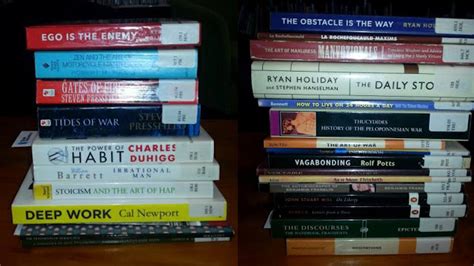
Key Takeaways
- Control What You Can: Focus your energy on aspects within your control to enhance personal effectiveness.
- Embrace Proactivity: Take initiative and responsibility for your actions to drive meaningful change.
- Align with Core Values: Develop a strong moral compass to guide your decisions and actions towards long-term success.
Understanding the Synergy Between Stoicism and the 7 Habits
Philosophical Foundations
Both Stoicism and the framework of the 7 Habits of Highly Effective People emphasize the importance of self-mastery and personal responsibility. They advocate for a disciplined approach to life, where individuals focus on their internal states rather than external circumstances. This shared emphasis fosters emotional resilience and proactive behavior, enabling individuals to navigate challenges with grace and effectiveness.
Focus on What You Can Control
A central tenet in both Stoic philosophy and the 7 Habits is the distinction between what is within our control and what is not. Stoicism introduces the dichotomy of control, urging individuals to concentrate on their thoughts, actions, and responses while accepting that external events lie beyond their influence. Similarly, Stephen Covey's concept of the "Circle of Influence" encourages focusing efforts on areas where one can make a tangible impact, thereby reducing unnecessary stress and enhancing productivity.
Proactivity and Initiative
Proactivity is a cornerstone in both Stoicism and the 7 Habits. Covey's first habit, "Be Proactive," aligns seamlessly with Stoic teachings, which advocate for taking charge of one's responses to external events. This proactive stance cultivates a sense of agency and empowers individuals to shape their destinies rather than being passive recipients of life's circumstances.
Emotional Resilience and Inner Strength
Emotional resilience is another area where these philosophies converge. Stoicism teaches that it is not external events but our judgments about them that cause distress. By mastering our internal responses, we can maintain equanimity in the face of adversity. Similarly, the 7 Habits promote emotional intelligence and the ability to manage one's emotions effectively, fostering a resilient mindset that can withstand challenges and setbacks.
Virtue, Character, and Values
Both Stoicism and the 7 Habits place a strong emphasis on living in accordance with core values and virtues. Stoicism defines a virtuous life through wisdom, courage, justice, and temperance, while Covey's habits encourage aligning actions with personal principles and values. This alignment ensures consistency and integrity in one's behavior, promoting long-term personal and professional success.
Long-Term Perspective and Purpose
A long-term, purpose-driven approach is integral to both philosophies. Stoicism emphasizes living in harmony with nature and reason, focusing on enduring principles rather than fleeting desires. Covey's second habit, "Begin with the End in Mind," encourages individuals to define their vision and goals, prioritizing what truly matters for sustained achievement and fulfillment.
Practical Steps to Become More Proactive and Stoic
1. Practice the Dichotomy of Control
Begin by distinguishing between what you can control and what you cannot. Create a list to categorize your concerns accordingly. Focus your energy on your thoughts, actions, and decisions, and consciously let go of external factors that are beyond your influence. This practice reduces anxiety and enhances your ability to navigate life's uncertainties with calmness.
2. Adopt a Proactive Mindset
Take responsibility for your life and actions. Instead of reacting impulsively to situations, pause and choose your response deliberately. This proactive approach aligns with Stoic principles by fostering self-discipline and intentionality, allowing you to respond to challenges with composure and effectiveness.
3. Develop Self-Awareness Through Reflection
Engage in daily self-reflection to evaluate your thoughts and emotions. Journaling can be an effective tool to identify patterns, recognize areas for improvement, and reinforce positive behaviors. Stoic practices such as morning and evening reflections help in aligning your actions with your philosophical principles.
4. Align Actions with Core Values
Define your core values and ensure that your actions consistently reflect them. This alignment builds integrity and reduces internal conflicts, leading to a more harmonious and purposeful life. Covey's emphasis on principle-centered living complements this by providing a foundation for decision-making and prioritizing activities that resonate with your values.
5. Embrace Gratitude and Negative Visualization
Cultivate gratitude by regularly reflecting on what you have. Additionally, practice negative visualization—imagining potential losses or challenges—to build resilience and appreciate the present moment. These Stoic exercises enhance your ability to remain grounded and prepared for adversity.
6. Engage with Stoic and Covey-Inspired Literature
Immerse yourself in literature that explores Stoic philosophy and the 7 Habits framework. Reading and reflecting on these materials deepen your understanding and provide practical insights for applying these principles in everyday life.
Recommended Books for Beginners
Stoicism
- "Meditations" by Marcus Aurelius: A timeless collection of personal reflections on integrity, self-discipline, and accepting life’s unpredictability.
- "Letters from a Stoic" by Seneca: A series of letters offering practical advice on dealing with adversity, anger, fear, and achieving tranquility.
- "A Guide to the Good Life: The Ancient Art of Stoic Joy" by William B. Irvine: An accessible introduction to Stoic principles with practical advice for modern life.
- "The Daily Stoic: 366 Meditations on Wisdom, Perseverance, and the Art of Living" by Ryan Holiday and Stephen Hanselman: Daily reflections based on Stoic teachings, combined with modern interpretations.
- "How to Be a Stoic" by Massimo Pigliucci: A beginner-friendly introduction to Stoic philosophy and its practical applications.
The 7 Habits of Highly Effective People
- "The 7 Habits of Highly Effective People" by Stephen R. Covey: A must-read for building effective habits that align with Stoic values of self-mastery and focus on what you can control.
- "Atomic Habits" by James Clear: Explains how to build good habits and break bad ones—a practical guide for daily self-improvement.
- "The 7 Habits of Highly Effective Teens" by Sean Covey: A simplified version of the original book, tailored for younger readers but equally valuable for adults.
- "First Things First" by Stephen R. Covey": Focuses on prioritizing what truly matters, aligning with Stoic principles of living a purposeful life.
Additional Transformative Reads
- "Man’s Search for Meaning" by Viktor E. Frankl: A moving testament to finding meaning in adversity, strongly resonating with Stoic resilience.
Online Resources and Communities
Websites and Blogs
- The Daily Stoic Blog: A mix of modern Stoic interpretations and practical advice.
- Goodreads - Best Books on Stoicism: Lists beginner-friendly Stoic literature.
- Mindful Stoic Articles: Explores applications of Stoicism in mindfulness and life improvement.
Online Courses and Masterclasses
- How to Be Happier - Stoicism Masterclass | Ali Abdaal - Skillshare: A comprehensive course on incorporating Stoic practices into daily life.
Communities and Forums
- Reddit's r/Stoicism: Join discussions and learn from a community of Stoicism enthusiasts.
- Reddit's r/Productivity: Engage with content focused on effective habits and personal development.
Podcasts
Implementing Practices into Daily Life
Morning Routine
Start each day with a structured morning routine that incorporates reflection, gratitude, and setting intentions. This practice sets a positive tone for the day, aligning your actions with your core values and preparing you to handle challenges proactively.
Negative Visualization
Engage in negative visualization by imagining potential challenges or losses. This Stoic practice helps in building emotional resilience and prepares you to face adversity with a calm and composed mindset.
Deliberate Pausing
Cultivate the habit of pausing before reacting to situations. This deliberate pause creates a space between stimulus and response, allowing you to choose your reaction thoughtfully rather than reacting impulsively.
Goal Setting and Action Planning
Write down your goals and break them into small, actionable steps. Focus on what is within your control and take consistent actions towards achieving your objectives. This structured approach enhances your ability to stay proactive and maintain focus on what truly matters.
Daily Meditation and Affirmations
Incorporate daily meditation on Stoic principles such as gratitude, acceptance, and rational thinking. Repeat affirmations that reinforce your commitment to controlling your mind and maintaining inner strength.
Continuous Learning and Adaptation
Commit to lifelong learning by regularly engaging with literature, courses, and communities that reinforce your understanding of Stoic philosophy and the 7 Habits framework. Adapt and refine your practices based on new insights and feedback.
Conclusion
Integrating Stoic philosophy with the 7 Habits of Highly Effective People provides a robust framework for personal growth and effectiveness. By focusing on what you can control, embracing proactive behavior, and aligning your actions with core values, you cultivate emotional resilience and inner strength. Implementing practical steps such as daily reflection, deliberate pausing, and structured goal setting further enhances your ability to navigate life's challenges with composure and purpose. Engaging with recommended literature and online resources deepens your understanding, while participation in communities fosters continuous improvement. Embrace these principles to not only conquer external influences but also master your thoughts, leading to a more intentional and fulfilling life.
References
Last updated January 20, 2025