
Who were the Stonebreakers in Avebury?
A Detailed Exploration of the Medieval Destruction of Avebury's Stones
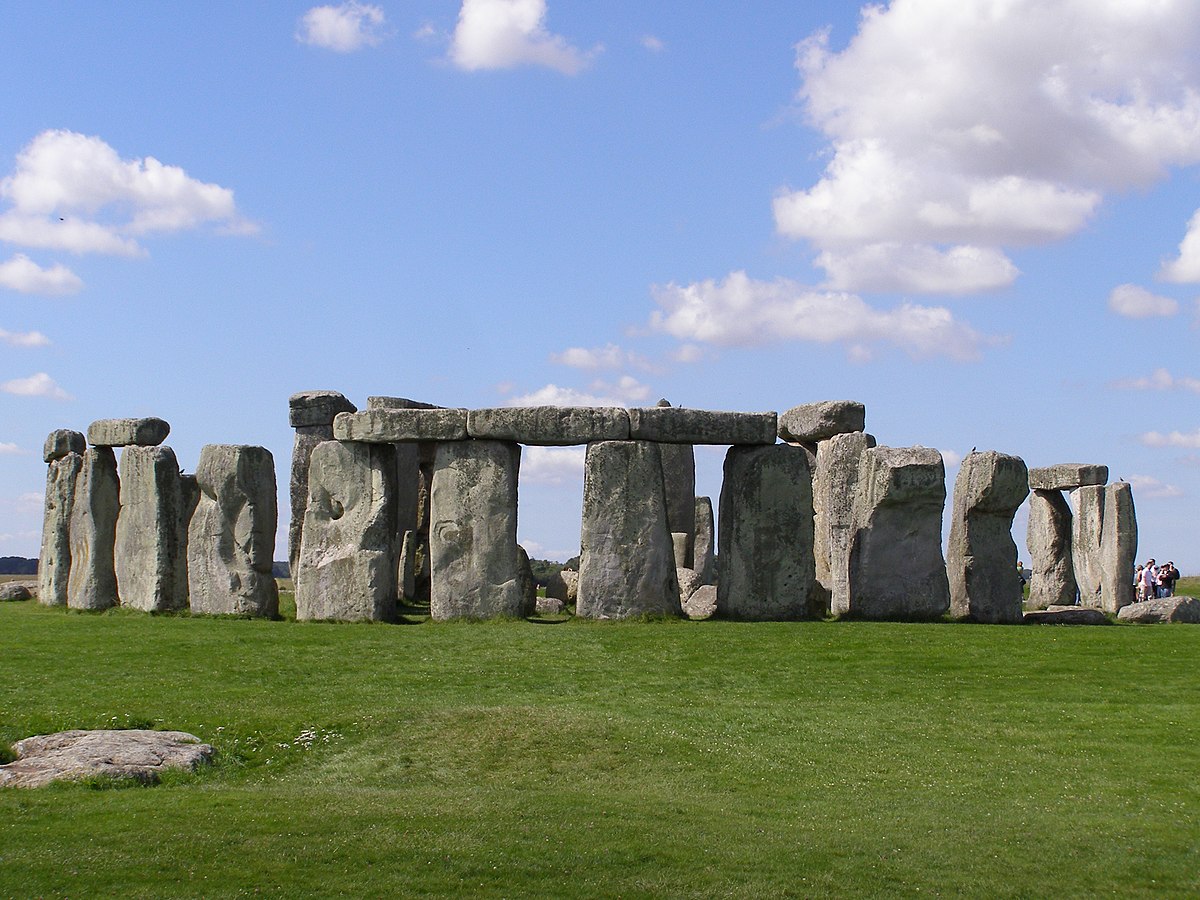
Key Highlights
- Medieval Motivations: The stonebreakers were largely local villagers who targeted the sites due to religious and cultural shifts.
- Systematic Dismantling: Their actions were part of a deliberate process to suppress pagan practices, resulting in the removal, burial, or even physical breaking of the stones.
- Documented Impact: Historical records from antiquarians reflect notable incidents and methodologies, including instances of accidental deaths and stone destruction processes.
Historical Context of Avebury
Avebury, located in the English county of Wiltshire, is one of the most significant megalithic sites in Europe, dating back to around 2600-2400 BC. The area is renowned for its large stone circle and henge, which have long attracted both scholarly interest and public admiration. However, over the centuries, the site experienced numerous phases of neglect, reinterpretation, and even active destruction. By the medieval period, significant alterations to the original layout had taken place. Among these alterations were the actions carried out by groups referred to as the "stonebreakers" of Avebury.
Understanding the Stonebreakers
Who Were They?
The term “stonebreakers” in relation to Avebury is generally used to describe local villagers and individuals involved in the removal and destruction of the stone circles and related monuments during the medieval and early modern periods. While the phrase itself is not always found as a formal historical designation in academic texts, it succinctly captures the actions of those responsible for dismantling significant portions of this ancient site.
Identity and Social Background
The individuals involved in these activities were typically local residents who were integrated within the rural communities surrounding Avebury. Their actions were motivated by a combination of social, religious, and practical reasons:
- Religious Transformation: The period during which these actions occurred was characterized by a strong religious reformation. As Christianity grew in influence, many pre-Christian, pagan symbols and sites were reinterpreted. Standing stones that had once been venerated as part of a prehistoric spiritual landscape were increasingly viewed as relics of paganism. Consequently, eliminating such symbols was seen as a way to rid the land of its “undesirable” past.
- Link to the Church: It appears that, in some instances, the actions were organized or subtly encouraged by religious authorities. There was a broader movement to suppress lingering pagan practices, and the breaking (or removal) of these stones became part of a strategy to cut ties with the past.
- Utilitarian Purposes: Aside from the religious motivations, there were practical reasons behind the dismantling of the stones. In many rural areas during medieval times, stone was a valuable building resource. Although the primary intent at Avebury was to eradicate symbolic relics rather than to repurpose them, the stones sometimes ended up being used in local building projects or as construction material for other structures.
Methods and Practices
The process of “stone breaking” at Avebury was varied in its methodology depending on local practices and the specific context. The actions taken were not uniformly characterized by the violent smashing of stones, but rather by systematic removal and, as some accounts suggest, a clever use of techniques meant to weaken the stone structures.
Systematic Dismantling
During the medieval period, it was common for the local population to methodically dismantle the standing stones. This was achieved by:
- Carefully digging around and removing stones from their original settings rather than simply fracturing them in place.
- Burying the stones in nearby fields or integrating them into the landscape to ensure that the revered or feared elements of pagan heritage were effectively erased.
- Occasionally, there are recorded instances of employing techniques such as heating the stones with fire followed by the application of cold water to induce thermal shock. This method, aimed at weakening the physical integrity of the stones, made them more susceptible to physical destruction with minimal effort.
Notable Incidents
Historical records note specific episodes that illustrate the dangers and sometimes tragic nature of these activities. One notable incident involved a fatality in the early 14th century, where a stone that had been dislodged during an excavation or removal process fell, resulting in the death of an individual. There is also mention of other incidents, such as the case of a 14th-century barber-surgeon who was found crushed beneath a sarsen stone – an event that has been interpreted through various lenses, including possibly the use of stone fragments as amulets believed to possess healing properties.
Cultural and Religious Implications
The destruction of Avebury's megalithic structures was not an isolated event but part of a broader pattern of cultural transformation in medieval England. The rising influence of Christianity brought with it a decisive reinterpretation of the pre-Christian past, and sites like Avebury were often seen as disturbing remnants of an obsolete spiritual order.
Religious Reorientation
The medieval mindset considered the ancient stone circles to be vestiges of paganism, imbued with practices and mythologies that were at odds with Christian doctrine. This led to a systematic effort aimed at eradicating any reminder of these older beliefs. In this context, the stonebreakers’ work can be interpreted as part of a larger religious campaign:
- Religious Purification: The removal of the stones was seen as a purification act. By burying or dismantling the monuments, the local community participated in the cleansing of the landscape, thereby committing themselves to the new religious norms.
- Cultural Revaluation: The process was also a form of cultural revaluation. As Christianity took precedence, symbols of a pagan past that might have continued to evoke local traditions and superstitions were deliberately suppressed.
Impact on the Landscape and Heritage
The actions of the stonebreakers had a profound impact on the physical and symbolic landscape of Avebury. From an archaeological perspective, the restructuring of the site complicates modern interpretations. With many original stones removed, buried, or repurposed for building materials, significant elements of the original design were lost. This has led to various restoration and conservation efforts in later centuries, notably the restoration projects led by figures dedicated to preserving the antiquity of the site.
Restoration Efforts
Recognizing the cultural loss that accompanied these actions, later antiquarians such as those active in the 18th and 19th centuries—and more substantially in the early 20th century—embarked on efforts to restore the Avebury site. These restoration projects involved:
- Re-erecting fallen stones based on archaeological evidence and historical accounts.
- Undertaking careful excavations that aimed to uncover the original positions and relationships between the stones.
- Documenting the state of the site through drawings, written records, and later photographic evidence to build a coherent narrative of Avebury’s lost initial grandeur.
| Aspect | Description |
|---|---|
| Time Period | Late Medieval to Early Modern Periods |
| Primary Actors | Local villagers, influenced by religious authorities |
| Motivations | Suppression of pagan traditions and repurposing for practical use |
| Methods | Systematic removal, burial, thermal shock and eventual re-use in construction |
| Long-term Impact | Irreversible alteration of Avebury’s megalithic structure and subsequent restoration attempts |
Detailed Analysis of the Stonebreakers’ Actions
To truly understand who the Avebury stonebreakers were, it is essential to analyze the historical narratives that have accumulated over the centuries. Their actions can be viewed through various lenses, including religious fervor, community resource management, and cultural change.
Religious Zeal and the Erasure of Paganism
During the medieval period, Christianity was not only a religion but also a powerful cultural and political force. In many parts of Europe, including England, the transformation from pagan beliefs to Christian doctrines involved a deliberate, often forceful, re-interpretation of the past. The standing stones at Avebury, with their mysterious origin and association with ancient rituals, were reclassified as symbols of a bygone, and in some views, dangerous past.
In this context, the stonebreakers’ destruction of the Avebury stones was not a random act of vandalism but part of a broader effort to conform to the prevailing religious ideology. By removing these stones from their ancient configurations:
- The local community symbolically severed links with traditions that were no longer acceptable under the new religious order.
- The process served as a tangible demonstration of the triumph of Christianity over the old pagan practices.
- The act of burying stones ensured that these symbols of the past were hidden from view, reducing their potential to inspire dissent or revive pagan sentiments.
Practical Considerations and Local Economy
Although religious motivations were predominant, practical considerations also played a role in the actions of the stonebreakers. The medieval economy in rural England was largely agrarian, and the repurposing of natural and man-made resources was common. Stones were prized for their durability and availability, serving as essential building materials for structures in a time before modern construction methods.
Consequently, the dismantling of the megaliths was not merely an act of ideological cleansing. In many cases, the stones themselves were reused to build local buildings, walls, and even infrastructure needed by the community. This dual purpose—eradicating relics of a disfavored cultural past while providing tangible resources for daily life—illustrates the complex interplay between belief and practicality in the medieval economy.
The Role of Antiquarians in Documenting Destruction
The historical narrative we have today owes much to the diligent work of later antiquarians who chronicled the state of Avebury during periods of rapid change. These scholars observed extensive damage to the megalithic site and documented the methods used by the local populations to dismantle and repurpose the stones. Their records note several key details:
- Detailed accounts of the stone removal process, including the careful excavation that led to reburial rather than purely destructive practices.
- Observations of accidents and fatalities linked to the destabilization of large stones—a grim reminder of the inherent dangers of altering ancient structures.
- Descriptions of the techniques used, such as thermal shock methods where stones were heated and rapidly cooled, showcasing a blend of empirical knowledge and traditional practices.
These accounts, preserved by antiquarians, modern historians, and archaeologists, have helped form a nuanced understanding of the stonebreakers. Their meticulous work has allowed later generations to piece together a narrative that moves beyond a simplistic view of vandalism into one that explores the complex interrelation of faith, culture, and economics.
Modern Interpretations and Legacy
Today, the actions of the stonebreakers at Avebury are seen as an integral chapter in the long history of the site. While the medieval dismantling of stone circles might be viewed as a cultural tragedy from a modern perspective, it reflects the shifting sentiments and priorities of the times. The legacy of these actions prompts us to consider several aspects:
Archaeological Impact and Restoration Efforts
The removal, burial, and physical breaking of the stones by medieval communities resulted in a number of significant challenges for contemporary archaeologists. The original compositions of the stone circle, including the spatial relationships and placements which carried symbolic meaning, were obscured by centuries of human interference. In response:
- Archaeologists have undertaken extensive excavation and restoration projects to reassemble as much of the original configuration as possible.
- These efforts have been guided by the historical documentation provided by antiquarians who witnessed or recorded the immediate aftermath of these actions.
- Modern techniques, including detailed surveying and a combination of physical reconstruction with digital modeling, have allowed historians to present a more comprehensive picture of Avebury’s original design and its subsequent modifications.
Cultural Reconnection and Tourism
In recent decades, there has been a growing recognition of Avebury as not just a lost relic of ancient times but as a dynamic symbol of cultural resilience. Far from being forgotten, the site now attracts thousands of visitors each year who are interested in its layered history:
- Tourism has provided an opportunity to reconnect with traditions long past, offering guided tours that recount the history of the stonebreakers alongside broader narratives of medieval England.
- Educational initiatives have highlighted the processes of cultural change and the impact of local practices on a globally significant heritage site.
- Interpretive displays and multimedia installations at the site integrate archaeological findings with historical accounts, providing visitors with a nuanced understanding of how actions taken centuries ago continue to shape modern cultural identity.
Reassessment of Local Narratives
The legacy of the stonebreakers has also prompted a reassessment of local narratives. What was once seen as a straightforward act of barbarism is now understood in the context of its time—a period of intense religious and social transformation. Modern historical perspectives consider:
- The stonebreakers' actions in light of their social context, recognizing them as products of the prevailing beliefs and economic necessities of medieval society.
- The interplay between cultural heritage and religious ideology, a theme that recurs in the histories of many ancient sites across Europe.
- The complexity of community memory, where current interpretations of the events involve both a recognition of loss and an appreciation for the layered history of the site.
Synthesis and Final Analysis
To summarize, the "stonebreakers" in Avebury were not a formal organization or clearly delineated sect but rather a term that encapsulates a series of actions undertaken by local villagers during the late medieval and early modern periods. Motivated by a desire to purge their landscape of relics tied to pagan traditions, these individuals partook in a systematic dismantling of one of England’s most cherished prehistoric monuments.
Their methods were characterized by both ingenuity and practicality: rather than merely destroying the physical structures, they often chose to relocate, bury, or even repurpose the stones. The process sometimes involved technologically savvy methods for the period, such as employing thermal shock techniques to weaken the stones. Such actions were documented by early antiquarians, whose records now serve as invaluable sources of historical data. These records also capture the tragic elements of these episodes, including accidental fatalities that underscored the risks inherent in such practices.
This historical perspective invites modern observers to reflect on the often turbulent relationship between cultural heritage, religious identity, and everyday life. What we now consider an act of vandalism was, in the context of its time, a multifaceted process driven by the urgent desire to redefine cultural and religious norms. The stonebreakers thus remain less as mere agents of destruction and more as emblematic figures of a transformative epoch in English history.
Conclusion and Final Thoughts
In conclusion, the stonebreakers of Avebury were essentially local villagers driven by the sweeping religious and cultural transformations of the medieval period. Their actions reflected a broader movement to eradicate symbols of a pagan past, replacing them with practices aligned with the emerging Christian order. This systematic dismantling of the Avebury stones not only altered the physical landscape but also played a significant role in shaping the historical narrative of the region.
Over time, the impact of their actions has been thoroughly documented by antiquarians and archaeologists alike. Modern restoration efforts and historical re-evaluations have sought to reclaim the lost heritage of Avebury, offering deeper insights into a period when ancient traditions were actively being suppressed in favor of new ideologies. The story of the stonebreakers, therefore, is not merely one of destruction, but also of profound cultural change—a transformation that continues to resonate in the way we understand and interact with our ancient heritage today.
References
- The Magical Stones of Avebury - JH Moncrieff
- Aubrey's Avebury - Megalithia
- The Avebury Barber-Surgeon - Richard Hodges
Recommended Further Exploration
Last updated February 20, 2025