
Conquering Procrastination: Your Definitive Guide to Lasting Productivity
Unlock Your Potential by Understanding and Overcoming the Urge to Delay
Key Insights to Stop Procrastinating
- Self-Awareness is Key: Understanding *why* you procrastinate—whether it's fear of failure, task aversion, or feeling overwhelmed—is the crucial first step to breaking the cycle.
- Small Steps Lead to Big Changes: Instead of tackling daunting tasks head-on, break them into tiny, manageable chunks. The "2-Minute Rule" or "5-Minute Rule" can help you build momentum and overcome the initial inertia.
- Cultivate Self-Compassion and Accountability: Be kind to yourself when setbacks occur, and actively seek support from friends, family, or accountability partners. This fosters a positive environment for habit change.
Understanding the Roots of Procrastination
Procrastination, far from being mere laziness, is a complex behavioral pattern often rooted in our emotional responses to tasks. It's the act of delaying an intended action despite knowing that doing so will likely lead to negative consequences. Many sources highlight that procrastination serves as a self-protection strategy, an attempt to avoid difficult emotions such as anxiety, boredom, frustration, or fear of failure associated with a particular task. By understanding these underlying triggers, we can begin to address the core issues rather than just the symptoms.
The cycle of procrastination often involves a momentary relief from avoiding the task, followed by increased stress, guilt, and poorer performance as deadlines loom. Chronic procrastination can negatively impact various aspects of life, including relationships, work, finances, and overall well-being. Recognizing this cycle and the emotional drivers behind it is fundamental to developing effective strategies for change.
It's important to distinguish between occasional delays and chronic procrastination. While everyone puts things off now and then, chronic procrastinators experience significant distress and impairment due to their delaying habits. For some, procrastination might even be linked to underlying conditions like anxiety or ADHD, necessitating professional support.
The Psychological Landscape of Delay
At its core, procrastination is often an issue of emotion regulation. We avoid tasks that evoke negative feelings, even if that avoidance creates greater long-term stress. For instance, a complex project might trigger feelings of inadequacy, leading us to postpone it. The temporary relief gained from this avoidance reinforces the behavior, making it harder to break the cycle.
Another factor is a lack of clarity regarding goals or the perceived value of a task. When we don't understand how our work contributes to larger objectives, or if the task feels meaningless, our motivation wanes, and procrastination sets in. Perfectionism can also fuel procrastination; the fear of not doing something perfectly can lead to not starting it at all.
Strategic Approaches to Overcoming Procrastination
Overcoming procrastination is a journey, not a single event. It requires a combination of self-awareness, strategic planning, and consistent effort. Here are some of the most effective, research-backed strategies to help you break free from the cycle of delay.
Breaking Down Tasks: The Power of Small Steps
One of the most universally recommended strategies is to make tasks less daunting. Large, overwhelming projects are fertile ground for procrastination. By breaking them down into smaller, more manageable steps, you reduce the perceived difficulty and the emotional burden associated with starting.
The 2-Minute Rule
Popularized by James Clear, the "2-Minute Rule" states that "When you start a new habit, it should take less than two minutes to do." This rule isn't about completing the entire task in two minutes, but rather about simply *starting* it. For example, if you need to write a report, the 2-minute rule might mean opening the document and writing the title, or even just brainstorming one idea. The idea is that once you start, the momentum often carries you forward.
The 5-Minute Rule
Similar to the 2-minute rule, the "5-Minute Rule" encourages you to commit to doing an avoided task for just five minutes. Often, once you've invested those five minutes, the task isn't as bad as you imagined, and you're more likely to continue. If it's still unbearable after five minutes, you can genuinely decide to stop, but more often than not, you'll find yourself pushing through.
Time Management Techniques and Planning
Effective time management is a cornerstone of productivity and a strong deterrent to procrastination. By actively planning and structuring your day, you reduce the number of spontaneous decisions that can lead to procrastination.
Prioritization and Scheduling
Create a daily routine and prioritize tasks based on their importance and urgency. Tools like the Eisenhower Matrix can help you categorize tasks into "Urgent/Important," "Important/Not Urgent," "Urgent/Not Important," and "Not Urgent/Not Important." Focusing on the "Important/Not Urgent" tasks is key to long-term success and prevents them from becoming "Urgent/Important" later.
Scheduling specific times for tasks can also reduce decision fatigue. Instead of waking up and wondering what to do, your day is already outlined, freeing up mental energy for actual work.
The Pomodoro Technique
This popular time management method involves breaking work into focused intervals, typically 25 minutes in length, separated by short breaks. After four Pomodoro sessions, you take a longer break. This technique helps maintain focus, prevents burnout, and makes large tasks seem more manageable by segmenting them into smaller, timed sprints.
Cultivating Mindset and Self-Compassion
Beyond practical strategies, addressing the internal dialogue and emotional aspects of procrastination is vital. Self-compassion and positive self-talk can significantly impact your ability to overcome procrastination.
Practice Self-Compassion
Instead of beating yourself up for procrastinating, which only adds to negative feelings, practice self-compassion. Scientific evidence suggests that being kind and forgiving toward yourself when struggling can actually reduce procrastination and help achieve goals. Acknowledge the procrastination without judgment, and then refocus on making amends and moving forward. Forgiveness of past delays can prevent a cycle of self-blame that exacerbates procrastination.
 Addressing perfectionism can be a crucial step in overcoming procrastination.
Challenge Negative Self-Talk
Many procrastinators engage in "all-or-nothing" thinking or believe they "work better under pressure." Challenge these flawed thinking patterns. Recognize that working under pressure often leads to increased stress, mistakes, and poorer quality work. Replace negative self-talk with positive affirmations and realistic expectations about progress.
Connect Work to Larger Goals
When you understand how your current task contributes to your broader team, company, or personal goals, it instills a greater sense of purpose and motivation. If clarity about why your work matters is lacking, actively seek to establish that connection. This long-term perspective can be far more effective than short-term "just do it" approaches.
Creating a Conducive Environment and Habits
Your environment plays a significant role in your ability to focus and avoid distractions. Additionally, building strong habits can automate positive behaviors, reducing the need for constant willpower.
Minimize Distractions
Identify and eliminate common distractions in your workspace. This might mean turning off your phone, closing unnecessary tabs on your computer, or working in a quiet location. Creating a dedicated, organized workspace signals to your brain that it's time to focus.
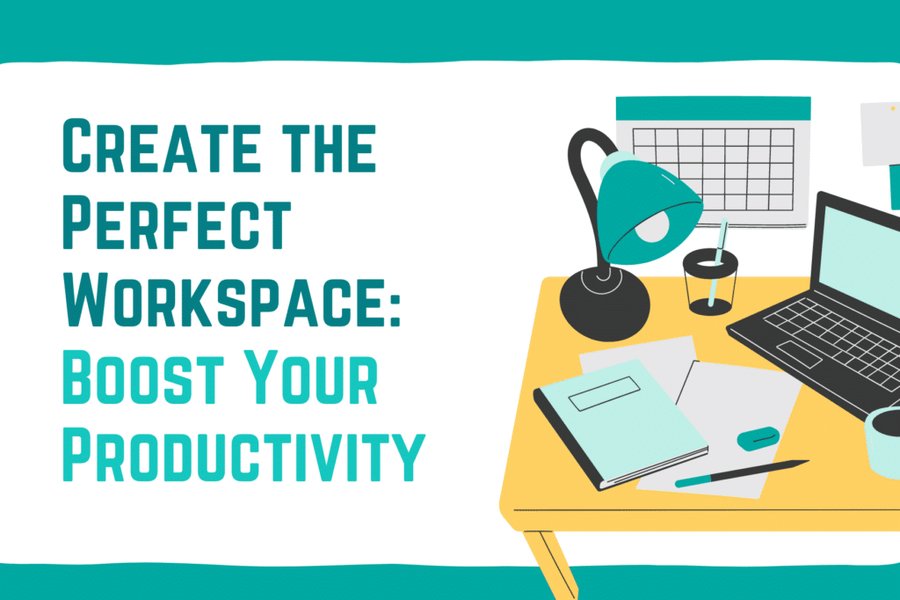 An organized and distraction-free workspace is essential for maintaining focus.
Establish Habits and Routines
Habits are powerful because they reduce the need for conscious decision-making. By making tasks habitual—like starting your most important work first thing in the morning or scheduling consistent study times—you make it easier to stick to your intentions. Reduce the number of daily decisions by setting up routines for recurring tasks.
The "Nothing Alternative"
This strategy, used by novelist Raymond Chandler, involves setting aside dedicated work time where your only options are to work or do absolutely nothing at all. No distractions, no leisure activities, just the task or staring blankly. This often makes the task itself seem like the more appealing option.
Accountability and Support Systems
You don't have to tackle procrastination alone. Leveraging external support can provide motivation and help keep you on track.
Find an Accountability Partner
Ask a friend, family member, or study consultant to check in with you regularly. Knowing someone is expecting an update can be a powerful motivator. This partnership works best when set up in advance, providing encouragement and constructive feedback.
Reward Yourself
Positive reinforcement can help train your brain to associate completing tasks with positive outcomes. After finishing an important task, give yourself a small, healthy reward. This could be a short break, a favorite snack, or engaging in a leisure activity. Be careful not to use rewards as an excuse to procrastinate on your next task.
The Procrastination Combat Radar Chart
To visualize the effectiveness of different anti-procrastination strategies, I've created a radar chart. This chart illustrates how various methods contribute to key aspects of overcoming procrastination, such as reducing anxiety, building momentum, enhancing focus, and fostering self-discipline. Each axis represents a crucial dimension of tackling procrastination, and the plot shows the perceived strength of different strategies along these dimensions based on the aggregated insights from various sources.
As the radar chart illustrates, different strategies offer unique strengths. "Breaking Down Tasks" and "Self-Compassion & Mindset" are highly effective at reducing anxiety and building momentum, while "Time Management" and "Environmental Control" excel in enhancing focus. "Accountability & Rewards" are strong for fostering self-discipline and improving motivation. A holistic approach that combines these strategies will yield the best results.
Actionable Steps to Implement Today
The journey to overcome procrastination begins with a single step. Here’s a summary of practical techniques you can start applying immediately.
| Strategy Category | Key Techniques | Immediate Actionable Tip |
|---|---|---|
| Task Management | Break tasks into smaller steps, apply 2-Minute Rule, 5-Minute Rule. | For your most daunting task, identify the absolute first step that takes less than 2 minutes and do it now. |
| Time Management | Use Pomodoro Technique, prioritize with Eisenhower Matrix, create daily routines. | Set a timer for 25 minutes and commit to working on one specific task until the timer rings. |
| Mindset & Self-Care | Practice self-compassion, challenge negative self-talk, connect to larger goals. | If you procrastinate today, acknowledge it without judgment, and then forgive yourself and recommit to starting tomorrow. |
| Environment & Habits | Eliminate distractions, establish consistent habits, try the "Nothing Alternative." | Turn off all non-essential notifications on your devices for the next hour while you work. |
| Support & Motivation | Find an accountability partner, implement a reward system for task completion. | Tell a trusted friend or family member what one task you plan to accomplish today and ask them to check in with you. |
Implementing these strategies takes consistent effort and patience. Don't expect to eliminate procrastination overnight; it's a habit that has been built over time and will take time to dismantle. Celebrate small victories and be persistent in your efforts.
A Deeper Dive: Why We Procrastinate and How to Counter It
Understanding the "why" behind procrastination is crucial for effective intervention. Often, it's not about being lazy, but rather a protective mechanism or a response to feeling overwhelmed or unmotivated.
Mel Robbins discusses the "5-Second Rule" and its effectiveness in combating procrastination by prompting immediate action.
The video above from Mel Robbins discusses her famous "5-Second Rule," which is a prime example of a strategy that targets the initial inertia of procrastination. The rule suggests that when you have an impulse to act on a goal, you must physically move within 5 seconds or your brain will kill the idea. This strategy directly counters the moment of hesitation and overthinking that often precedes procrastination, forcing you into action before your mind can create excuses or foster avoidance. It's a powerful tool for building immediate momentum and overriding the emotional resistance to starting a task.
Procrastination can also stem from a lack of clarity. If you're unsure about the first step, or the purpose of a task, it's easy to defer it. Similarly, feeling that a task is boring, frustrating, or difficult can trigger avoidance. By identifying these specific triggers, you can tailor your approach. For a boring task, try gamification or pairing it with something enjoyable. For a difficult task, break it down further and seek clarity or assistance.
Finally, remember that the goal isn't to eliminate procrastination entirely, which can be an unrealistic expectation. Instead, focus on limiting its frequency and duration. Be kind to yourself when you fall short, and use those moments as learning opportunities to refine your strategies. Persistence and a willingness to adjust your approach are your greatest allies.
Frequently Asked Questions
Why do I procrastinate even when I know it's bad for me?
What is the "2-Minute Rule" for stopping procrastination?
Can self-compassion really help with procrastination?
How can I make myself accountable to stop procrastinating?
Is it possible to completely stop procrastinating?
Recommended Further Exploration
- Explore the deeper psychological reasons behind chronic procrastination.
- Discover more advanced time management and productivity methodologies.
- Learn how to effectively build and maintain positive habits for long-term change.
- Investigate the role of mindfulness and self-compassion in boosting focus and reducing procrastination.
References
Last updated May 21, 2025