
Unlock Your Productivity: The Definitive Guide to Finally Stopping Procrastination
Move beyond delay tactics with proven strategies grounded in psychology and practical application.
Procrastination, the persistent act of delaying tasks despite knowing the negative consequences, is a common human experience. It often stems from complex emotional responses rather than simple laziness or poor time management. Understanding its roots and implementing targeted strategies can help you break the cycle, reduce stress, and significantly boost your productivity and well-being. This guide synthesizes expert advice and research-backed techniques to provide a comprehensive roadmap for conquering procrastination.
Highlights: Key Strategies to Beat Procrastination
- Break Down the Barriers: Transform overwhelming projects into small, manageable steps to reduce intimidation and make starting easier.
- Master Your Mindset: Cultivate self-compassion and manage negative self-talk, recognizing that procrastination is often an emotional regulation issue, not a character flaw.
- Structure for Success: Implement time management techniques and optimize your environment to minimize distractions and create dedicated focus periods.
Understanding the 'Why' Behind Procrastination
Delving into the Roots of Delay
Before tackling procrastination, it's crucial to understand why it happens. Contrary to popular belief, it's rarely about laziness. More often, procrastination is linked to how we manage emotions triggered by certain tasks.
Common Emotional Triggers
Tasks that trigger procrastination often evoke negative feelings such as:
- Feeling Overwhelmed: The task seems too large, complex, or time-consuming.
- Fear of Failure or Perfectionism: Worrying about not meeting standards or making mistakes can lead to avoidance.
- Boredom or Lack of Interest: Tasks perceived as tedious or unengaging are easily postponed.
- Frustration or Difficulty: If a task feels too challenging or ambiguous, we might put it off.
- Anxiety or Stress: The pressure associated with a task can itself become a reason to delay.
The Procrastination Cycle
Recognizing the cycle is the first step toward breaking it. It typically involves encountering a task, experiencing negative emotions, choosing to delay (often by engaging in a distracting activity for temporary relief), and then facing negative consequences (stress, guilt, poor performance), which can reinforce the cycle for future tasks. Self-awareness—identifying *when* and *why* you choose to delay—is fundamental for change.
Actionable Strategies to Overcome Procrastination
Armed with an understanding of procrastination's roots, you can implement practical, evidence-based strategies to build momentum and get things done.
Effective Task Management
Breaking It Down
One of the most powerful techniques is to break large, daunting tasks into smaller, more specific sub-tasks. Instead of "write research paper," list steps like "find 5 sources," "write outline," "draft introduction," "write first section." Checking off these smaller items builds a sense of accomplishment and makes the overall project feel less overwhelming.
The Power of Starting Small: The 2-Minute Rule
Getting started is often the biggest hurdle. Combat this inertia with the "2-Minute Rule," popularized by James Clear. Commit to working on a task for just two minutes. Open the document, write one sentence, put on your running shoes, or clear one surface. Often, this small initial action is enough to overcome resistance and build momentum to continue.
Setting SMART Goals
Vague goals invite procrastination. Instead, set goals that are Specific, Measurable, Achievable, Relevant, and Time-bound (SMART). Aiming for "complete the first draft of the report by 3 PM Friday" is far more effective than "work on the report." Realistic goals prevent discouragement and provide clear targets.
Time Management and Structured Scheduling
Timeboxing and Pomodoro Technique
Allocate specific blocks of time (timeboxing) for tasks in your calendar. This treats tasks like appointments you need to keep. The Pomodoro Technique involves working in focused 25-minute intervals followed by short 5-minute breaks, with longer breaks after several cycles. This helps maintain concentration and makes work periods feel less intimidating.
Prioritization Frameworks
Use methods like the Eisenhower Box to categorize tasks based on urgency and importance (Urgent/Important, Important/Not Urgent, Urgent/Not Important, Not Urgent/Not Important). This helps you focus on high-priority activities that truly matter, rather than getting bogged down in less critical tasks or busywork often used for procrastination.
Utilizing Task Management Tools
Digital tools like Todoist, Trello, Asana, or even simple calendar apps can help organize tasks, set deadlines and reminders, and track progress visually. Find a system that works for you to keep your commitments visible and manageable.
Optimizing Your Environment and Focus

An organized workspace can minimize distractions and enhance focus.
Minimizing Distractions
Identify your common distractions (social media, emails, noisy environment) and take active steps to reduce them. Turn off non-essential notifications, use website blockers (like Freedom or RescueTime), close unnecessary tabs, and communicate your need for focused time to others if necessary.
Creating a Dedicated Workspace
Designate a specific area for work or study. This helps create a mental boundary between work and leisure. Keep it organized and free from clutter to promote a clearer, more focused mindset.
Using Sound to Enhance Focus
Some find silence distracting. Experiment with white noise, instrumental music, or specific "focus" playlists (often without lyrics) to block out distracting sounds and help maintain concentration.
Cultivating a Supportive Mindset and Well-being
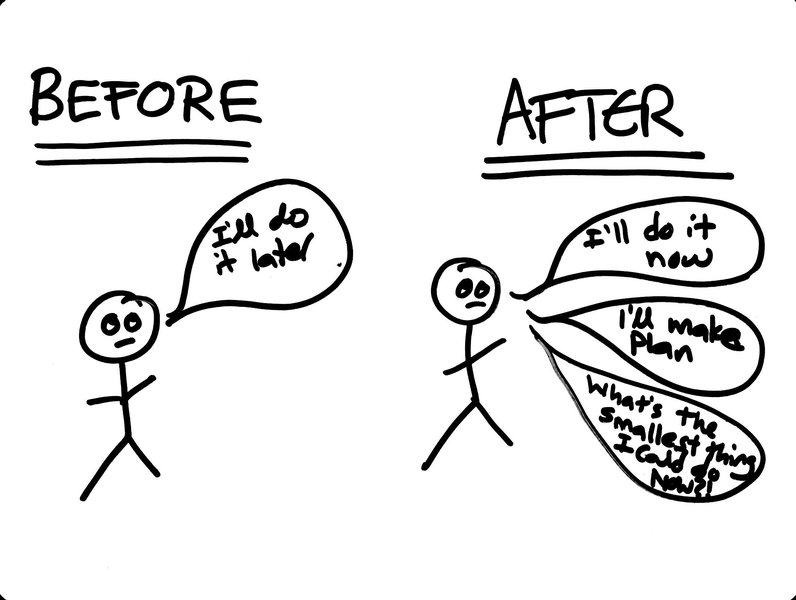
Changing your internal dialogue can significantly impact motivation and action.
Practicing Self-Compassion
Research shows that harsh self-criticism after procrastinating often fuels *more* procrastination. Instead, practice self-compassion. Acknowledge that you slipped up without judgment, understand that it's a common struggle, and treat yourself with the kindness you'd offer a friend. This approach reduces guilt and shame, making it easier to re-engage with the task.
Managing Decision Fatigue
Making numerous small decisions throughout the day can deplete mental energy, making it harder to tackle important tasks. Reduce decision fatigue by planning ahead: choose your outfit, pack your lunch, or decide on your top 1-3 priorities for the next day the evening before.
Connecting to Motivation and Using Rewards
Remind yourself *why* the task is important. Connect it to larger goals, values, or benefits (e.g., "Completing this report will help my team succeed," or "Finishing this assignment moves me closer to my degree"). Reinforce progress by rewarding yourself for completing tasks or sub-tasks. Rewards can be small, like a short break, a walk outside, or listening to a favorite song.
Leveraging Accountability and Support
Sharing Goals and Progress
Tell a friend, family member, mentor, or colleague about your goals and deadlines. Knowing someone else is aware can provide positive external pressure and encouragement. Schedule regular check-ins to discuss progress.
Using Accountability Partners or Groups
Partner with someone who is also working on goals. You can support each other, share strategies, and hold each other accountable. Productivity or study groups can serve a similar purpose.
Seeking Professional Help
If procrastination is chronic, severe, and significantly impacting your life, it might be linked to underlying mental health conditions like ADHD, anxiety, or depression. In such cases, consulting a therapist or counselor is an important step.
Comparing Procrastination Strategies: A Visual Overview
Different strategies resonate differently with individuals and situations. This chart provides a comparative perspective on the perceived strengths of various popular techniques across key dimensions. Note that these scores are illustrative, representing general tendencies rather than definitive data; your personal experience may vary.
This visualization helps illustrate that a combination of strategies is often most effective. For example, combining Task Breakdown (high long-term impact) with the Pomodoro Technique (high focus enhancement) and Self-Compassion (important for mindset) can create a robust anti-procrastination toolkit.
Mapping the Path Away from Procrastination
Understanding how the causes, strategies, and outcomes of procrastination interconnect can provide clarity. This mindmap visualizes the key elements involved in moving from delay to action.
This map highlights that addressing the underlying causes with a mix of practical strategies related to task, time, mindset, environment, and support leads to positive outcomes like greater productivity and reduced stress.
Quick Reference Table: Key Techniques
Here's a summary of some effective techniques discussed, their purpose, and when they might be most helpful:
| Technique | Description | Best For |
|---|---|---|
| Break Down Tasks | Divide large projects into smaller, specific steps. | Overwhelming or complex projects. |
| 2-Minute Rule | Start a task by committing to only the first two minutes. | Overcoming initial inertia and resistance to starting. |
| Pomodoro Technique | Work in focused 25-minute bursts with short breaks. | Maintaining focus over longer periods, tasks requiring concentration. |
| Timeboxing | Allocate specific time slots in your schedule for tasks. | Ensuring time is dedicated to important activities, structuring the day. |
| Minimize Distractions | Actively remove or block potential interruptions (notifications, social media). | Environments with many potential disruptions, easily distractible individuals. |
| Self-Compassion | Treating yourself with kindness and understanding after setbacks. | Breaking the cycle of guilt and avoidance, managing perfectionism. |
| Accountability Partner | Sharing goals and progress with someone else. | Needing external motivation and structure, collaborative goals. |
| Plan Ahead | Decide on tasks or make small preparations the night before. | Reducing morning inertia and decision fatigue. |
Expert Insight: Strategies for Lasting Change
Understanding procrastination is one thing; implementing lasting change requires consistent effort and the right mindset. This video offers practical steps and insights into building habits that stick.
Mel Robbins presents a straightforward strategy focused on interrupting the habit loop of procrastination. Key takeaways often involve recognizing the "5-second rule" to push past hesitation, understanding the emotional roots of avoidance, and reframing how you think about motivation (acting first, rather than waiting to feel like it). Applying such action-oriented techniques can be pivotal in shifting from intention to execution.
Frequently Asked Questions (FAQ)
Why is procrastination so hard to beat?
Procrastination is challenging because it's often an ingrained habit tied to emotional regulation. We delay tasks not just due to poor time management, but to avoid uncomfortable feelings like boredom, anxiety, self-doubt, or frustration. The temporary relief gained from avoiding the task reinforces the behavior, making it a difficult cycle to break without conscious effort and targeted strategies.
Is procrastination just laziness?
No, procrastination is generally not considered laziness. Laziness implies apathy or unwillingness to exert effort. Procrastination involves actively choosing to delay a task despite knowing it needs to be done and often feeling guilty or stressed about it. It's more related to factors like fear of failure, perfectionism, feeling overwhelmed, or difficulty managing negative emotions associated with the task.
How can I stay consistent with these strategies?
Consistency comes from practice and patience. Start small by implementing just one or two strategies that resonate most. Track your progress, perhaps using a journal or app. Practice self-compassion when you slip up – don't aim for perfection. Build routines around your strategies (e.g., plan your next day each evening). Regularly remind yourself of the benefits of overcoming procrastination and reward your efforts along the way.
What if these tips don't work for me?
It's normal for different strategies to work for different people or at different times. If standard tips aren't effective, try experimenting with variations or combinations. Reflect deeper on your specific procrastination triggers – is it perfectionism? Anxiety? Undiagnosed ADHD? Consider seeking external support, like talking to a mentor, joining a support group, or consulting a therapist or coach who specializes in productivity or cognitive behavioral therapy (CBT) to explore underlying issues and develop more personalized strategies.
Recommended Reading & Exploration
- Explore the intricate link between striving for perfection and the tendency to delay tasks.
- Discover practical methods for breaking down massive projects into achievable milestones.
- Understand how anxiety can be a major driver of procrastination and find ways to cope.
- Learn strategies for cultivating sustainable motivation beyond short-term bursts of energy.
References
Last updated May 5, 2025