
Silence the Night: A Comprehensive Guide to Stopping Snoring
Reclaim Your Restful Sleep and Improve Overall Well-being
Key Insights to Conquer Snoring
- Lifestyle Adjustments are Powerful First Steps: Simple changes like altering sleep position, managing weight, and avoiding alcohol before bed can significantly reduce or eliminate snoring.
- Devices Offer Targeted Relief: Various anti-snoring devices, including nasal strips, mouthpieces, and positional aids, effectively address different causes of snoring by optimizing airflow and maintaining proper jaw/tongue position.
- Professional Consultation is Crucial for Persistent Snoring: If snoring is chronic or accompanied by symptoms like daytime fatigue, gasping, or choking, it may indicate a serious underlying condition like sleep apnea, necessitating medical evaluation and specialized treatments such as CPAP or surgical interventions.
Snoring, often perceived as a mere nuisance, can significantly impact sleep quality for both the snorer and their bed partner, leading to daytime fatigue, irritability, and even serious health concerns. It occurs when air cannot flow easily through the nose, mouth, or throat, causing the soft tissues in the upper airway to vibrate. While occasional snoring is common, regular and loud snoring warrants attention. This guide delves into various effective strategies, from simple lifestyle modifications and over-the-counter remedies to advanced medical treatments, to help you achieve quieter, more restorative sleep.
Understanding the Roots of Snoring
Unraveling Why You Snore
Before exploring solutions, it's essential to understand the common factors that contribute to snoring. Identifying the underlying cause can help tailor the most effective approach.
Anatomical and Physiological Factors
- Relaxed Throat Muscles: During sleep, the muscles in the throat and tongue relax. If these muscles relax excessively, they can narrow the airway, causing vibrations.
- Obstructed Nasal Passages: Nasal congestion from allergies, colds, or a deviated septum can restrict airflow through the nose, forcing breathing through the mouth and increasing the likelihood of snoring.
- Enlarged Tissues: Large tonsils, adenoids, or a thick soft palate can physically obstruct the airway.
- Age: As individuals age, muscle tone naturally decreases, which can lead to increased airway constriction and snoring.
Lifestyle and Other Contributing Factors
- Sleep Position: Sleeping on your back often causes the tongue to fall back into the throat, narrowing the airway.
- Weight: Being overweight or obese can lead to excess fatty tissue around the neck and throat, compressing the airway.
- Alcohol and Sedatives: Consuming alcohol or taking sedatives before bed relaxes throat muscles, exacerbating snoring.
- Poor Sleep Hygiene: Irregular sleep patterns and insufficient sleep can contribute to deeper sleep and more relaxed muscles, increasing snoring risk.
- Smoking: Smoking can irritate the throat and nasal passages, leading to inflammation and reduced airflow.
- Genetics: Snoring can run in families, suggesting a genetic predisposition.
Empowering Lifestyle Adjustments
Simple Yet Impactful Changes for Quieter Nights
Many people can significantly reduce or eliminate snoring through straightforward lifestyle modifications. These remedies are often the first line of defense and can yield remarkable results.
Optimizing Sleep Habits
- Change Your Sleep Position: Sleeping on your side can prevent the tongue and soft palate from collapsing into the airway. You can try a "tennis ball trick" (sewing a tennis ball into the back of your pajamas) or use specialized pillows designed to promote side sleeping.
- Elevate the Head of Your Bed: Raising the head of your bed by a few inches can help keep your airway open. Special anti-snore pillows are also available that keep your head in an optimal position.
- Establish Good Sleep Hygiene: Go to bed and wake up at consistent times, and ensure you get adequate sleep (7-9 hours for most adults). Overtiredness can lead to deeper sleep, causing muscles to relax more.
Diet and Health Management
- Lose Weight: If you are overweight or obese, even a modest weight loss can reduce the fatty tissue in the throat that contributes to snoring.
- Avoid Alcohol and Sedatives: Refrain from consuming alcoholic beverages or taking sedatives several hours before bedtime, as they relax throat muscles.
- Quit Smoking: Smoking irritates and inflames the airways, making snoring worse. Quitting can significantly improve breathing and reduce snoring.
- Stay Hydrated: Dehydration can cause secretions in your nose and soft palate to become stickier, exacerbating snoring. Drink plenty of water throughout the day.
Effective Anti-Snoring Devices and Products
Targeted Solutions for Various Snoring Types
Beyond lifestyle changes, a range of over-the-counter and prescription devices can effectively address snoring by physically keeping the airway open.
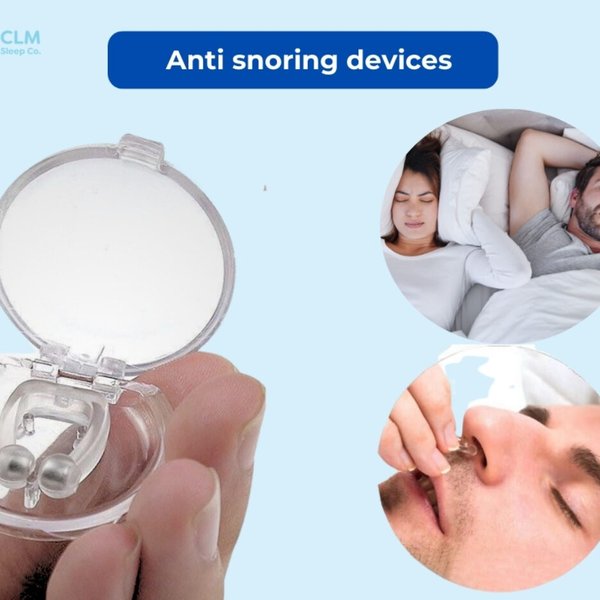
An assortment of anti-snoring devices designed to improve airflow and reduce snoring.
Nasal Devices
- Nasal Strips: These adhesive strips are placed on the outside of the nose, pulling the nostrils open to increase airflow. They are particularly effective for snoring caused by nasal congestion.
- Nasal Dilators/Vents: Small, flexible devices inserted into the nostrils to widen the nasal passages, improving breathing through the nose. They can be very cost-effective.
- Nasal Sprays: Saline sprays or decongestants can help clear nasal passages, especially if snoring is due to allergies or colds. However, prolonged use of decongestant sprays should be avoided.
Oral Appliances
- Mandibular Advancement Devices (MADs): These mouthguards fit over the teeth and gently push the lower jaw and tongue forward, preventing them from collapsing into the airway. They are widely considered effective for many snorers.
- Tongue Retaining Devices (TRDs): These devices hold the tongue in a forward position using suction, preventing it from falling back and obstructing the airway.
- Chin Straps: Chin straps keep the mouth closed during sleep, encouraging breathing through the nose and preventing the jaw from dropping back.
Positional Aids and Smart Devices
- Anti-Snore Pillows: Specifically designed pillows that elevate the head or cradle the neck to maintain an optimal sleeping position.
- Positional "Bumper" Devices: Air- or foam-filled belts, vests, or shirts that make it uncomfortable to sleep on your back, prompting you to stay on your side.
- Electronic Devices: Some wearable devices gently vibrate to alert the snorer when they are sleeping on their back, encouraging a change in position.
Mouth and Throat Exercises
Strengthening Muscles to Reduce Vibrations
Certain exercises, often referred to as myofunctional therapy, can strengthen and tone the muscles in the tongue, throat, and soft palate, which can reduce snoring by preventing tissue collapse.
- Tongue Slides: Press the tip of your tongue against the roof of your mouth and slide it backward. Repeat 20 times.
- Tongue Presses: Press your entire tongue against the roof of your mouth. Repeat 20 times.
- Throat Muscle Contractions: Forcefully contract the muscles at the back of your throat as if you are trying to touch your uvula (the dangling tissue at the back of your throat) to the back of your throat. Repeat 20 times.
- Vowel Sounds: Repeat each vowel sound (a-e-i-o-u) loudly for three minutes several times a day.
This video further illustrates exercises that can help strengthen oral and throat muscles to prevent snoring:
This video from Dr. Sten Ekberg demonstrates simple mouth exercises to strengthen oral and throat muscles, which can help reduce snoring and prevent sleep apnea by improving airway stability.
When to Seek Professional Medical Advice
Identifying More Serious Underlying Conditions
While many snoring issues can be resolved with lifestyle changes and over-the-counter remedies, persistent or severe snoring, especially when accompanied by other symptoms, may indicate a more serious condition like Obstructive Sleep Apnea (OSA). It is crucial to consult a healthcare professional for a proper diagnosis.

Loud and persistent snoring can be a symptom of an underlying health issue, such as sleep apnea.
Symptoms Suggesting Sleep Apnea
- Loud, chronic snoring with pauses in breathing.
- Gasping or choking sounds during sleep.
- Excessive daytime sleepiness, even after a full night's rest.
- Morning headaches.
- Difficulty concentrating or memory problems.
- Irritability or mood changes.
- High blood pressure.
Medical Treatments for Severe Snoring and Sleep Apnea
If diagnosed with OSA or severe snoring that doesn't respond to conservative measures, your doctor may recommend the following:
- Continuous Positive Airway Pressure (CPAP): A CPAP machine delivers a continuous stream of air pressure through a mask worn during sleep, keeping the airway open. It is the gold standard treatment for sleep apnea.
- Surgical Interventions: Various surgical procedures can address anatomical issues contributing to snoring. These include:
- Uvulopalatopharyngoplasty (UPPP): Removes excess tissue from the throat, soft palate, and uvula.
- Radiofrequency Ablation (RFA) / Somnoplasty: Uses low-intensity radio waves to shrink and stiffen soft palate tissue.
- Pillar Procedure: Involves inserting small polyester implants into the soft palate to stiffen it.
- Septoplasty/Turbinate Reduction: Corrects a deviated septum or reduces enlarged nasal turbinates to improve nasal airflow.
- Injection Snoreplasty: Involves injecting a chemical into the soft palate to induce inflammation and scar tissue, stiffening the palate.
Comparative Effectiveness of Snoring Remedies
Evaluating Different Approaches
The effectiveness of snoring remedies can vary widely depending on the individual's specific cause of snoring. This radar chart provides a conceptual comparison of various snoring solutions based on their typical effectiveness, ease of use, and overall impact.
This radar chart illustrates a conceptual comparison of various snoring interventions across key attributes. Higher values indicate greater effectiveness or ease.
Summary of Snoring Remedies and Their Mechanisms
A Quick Reference for Solutions
This table summarizes various snoring remedies, their primary mechanisms of action, and who they are best suited for.
| Remedy Category | Specific Remedies | Mechanism of Action | Best Suited For |
|---|---|---|---|
| Lifestyle & Behavioral Changes | Side sleeping, weight loss, avoid alcohol/sedatives, quit smoking, good sleep hygiene | Reduces airway collapse by optimizing sleep posture, reducing excess tissue, and minimizing muscle relaxation. | Mild to moderate snorers; those with lifestyle risk factors; general health improvement. |
| Nasal Airway Management | Nasal strips, nasal dilators, saline sprays | Opens nasal passages to improve airflow and encourage nasal breathing, reducing mouth breathing. | Snoring due to nasal congestion, allergies, or minor nasal obstruction. |
| Oral & Jaw Positioning Devices | Mandibular Advancement Devices (MADs), Tongue Retaining Devices (TRDs), Chin Straps | Repositions the jaw or tongue forward to prevent airway obstruction from soft tissue collapse. | Mild to moderate snorers; those whose snoring is caused by tongue/jaw position. |
| Myofunctional Therapy | Tongue and throat exercises | Strengthens and tones upper airway muscles, improving their ability to maintain an open airway during sleep. | Mild to moderate snorers; as a complementary therapy. |
| Positive Airway Pressure | CPAP machine | Delivers continuous air pressure to keep the airway open, preventing collapse. | Moderate to severe sleep apnea; severe snoring not responsive to other treatments. |
| Surgical & Minimally Invasive Procedures | UPPP, RFA, Pillar procedure, Septoplasty, Injection Snoreplasty | Removes or stiffens excess soft tissue; corrects anatomical obstructions in the throat or nose. | Severe snoring or sleep apnea where conservative treatments have failed; structural airway issues. |
Frequently Asked Questions About Snoring
Addressing Common Concerns
Why do people snore?
Can snoring be a sign of a serious health problem?
Are anti-snoring devices effective?
Is surgery a common solution for snoring?
Can lifestyle changes really stop snoring?
Conclusion
Achieving Peaceful and Restorative Sleep
Snoring is a widespread issue that can negatively impact sleep quality and overall health. While many factors can contribute to it, a multi-faceted approach combining lifestyle adjustments, appropriate devices, and potentially medical intervention offers a high chance of success. Starting with simple changes like altering sleep position, managing weight, and avoiding pre-sleep alcohol can provide significant relief. For more persistent cases, anti-snoring devices such as nasal strips and oral appliances offer targeted solutions. Crucially, if snoring is chronic, very loud, or accompanied by symptoms like daytime fatigue or gasping, seeking professional medical advice is essential to rule out or manage underlying conditions like sleep apnea. By understanding the causes and exploring the wide array of available remedies, you can effectively address snoring, leading to improved sleep for both yourself and those around you, and ultimately, a healthier, more vibrant life.
Recommended Further Exploration
Dive Deeper into Sleep Health
- Understanding obstructive sleep apnea symptoms and treatments.
- Explore the comprehensive benefits of side sleeping for overall health.
- Discover the impact of alcohol on sleep quality and snoring.
- Learn about myofunctional therapy exercises for sleep disorders.
References
Credible Sources for Further Reading

Last updated May 21, 2025