
Unraveling the Strawberry: A Deep Dive into its Letters, Syllables, and Origins
Exploring the Composition and History of a Beloved Fruit's Name
The word "strawberry", referring to the popular sweet, red fruit and the plant that bears it, holds some intriguing details regarding its spelling, pronunciation, and etymology. While seemingly straightforward, questions about its structure, particularly the number of 'r' characters, have even highlighted interesting limitations in how some artificial intelligence models process language.
Key Insights
- Spelling and 'R' Count: The correct spelling is "strawberry", which contains three 'r' characters. Common misspellings often omit one or more of these 'r's.
- Syllable Breakdown: The word "strawberry" is typically divided into three syllables: "straw-ber-ry".
- Etymological Theories: The origin of the name is debated, with popular theories suggesting links to the practice of strewing straw around the plants or the appearance of the achenes (seeds) on the fruit's surface resembling chaff or "straws."
The Correct Spelling and the Curious Case of the 'R's
Let's address the most direct part of the user's query: how many 'r's are in "strawberry"? A simple count reveals the answer.
Counting the 'R's
Breaking down the word letter by letter:
-
S
-
T
-
R
-
A
-
W
-
B
-
E
-
R
-
R
-
Y
There are three instances of the letter 'r' in the word "strawberry". This might seem like a trivial point, but it has become a notable example used to illustrate how some large language models (LLMs) process text. Interestingly, some earlier versions of AI models have been reported to incorrectly state that there are only two 'r's. This is often attributed to the way these models "tokenize" words, sometimes processing parts of words or common sequences as single units rather than analyzing individual letters.
Common Misspellings
Due to its phonetic structure and the repetition of 'r', "strawberry" is sometimes misspelled. Common errors might include "strawbery" (omitting the second 'r') or other variations. Knowing the correct spelling with its three 'r's is key.
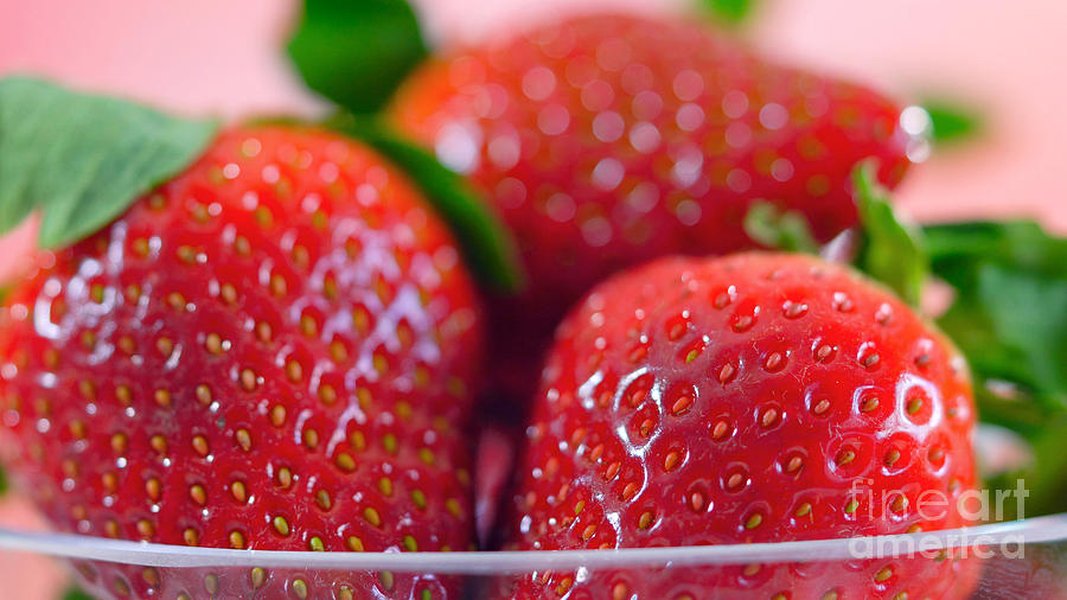
A close-up view of the surface of a strawberry, showing its texture and achenes.
Syllable Breakdown and Pronunciation
Understanding the syllables in "strawberry" can help with both pronunciation and spelling. The word is generally divided into three syllables.
Dividing the Syllables
The standard syllable division for "strawberry" is:
straw-ber-ryThis division reflects the phonetic structure of the word. The stress typically falls on the first syllable ("straw").
Pronunciation
The pronunciation of "strawberry" in English is generally /ˈstrɔːbəri/ in British English and /ˈstrɔːberi/ in American English. The three syllables are clearly discernible in these phonetic transcriptions.
This video provides a guide on how to pronounce the word "strawberry".
Etymology: Where Did the Name "Strawberry" Come From?
The origin of the word "strawberry" is a topic with several proposed theories, rooted in Old English.
Old English Roots
The word derives from the Old English term "streawberige" or "streaberie." The "berige" part clearly refers to "berry." The debate lies in the meaning of "streaw."
Strewing Straw Theory
One prevalent theory suggests that the name comes from the practice of strewing straw around the base of strawberry plants. This was (and still is) done to protect the fruit from rot and keep it clean by preventing it from touching the soil. In this context, "straw" would refer to the dried stalks of grain used for mulching.
"Strewn" Berry Theory
Another compelling theory connects "streaw" to the verb "strew," meaning to scatter or spread. This could refer to the way strawberry plants spread via runners, appearing to be "strewn" across the ground. Alternatively, it might describe the scattered appearance of the achenes (often mistakenly called seeds) on the surface of the fruit itself, resembling small particles or "straws."
Achene Appearance Theory
Related to the "strewn" idea, some etymologists believe the name might reference the achenes looking like tiny pieces of straw or chaff on the berry's surface. This highlights a key botanical characteristic of the fruit, which is technically an "accessory fruit" with the true fruits being the achenes on the outside.
The surface texture of a strawberry, emphasizing the achenes.
Botanical Classification and Description
Beyond the linguistic aspects, it's worth noting the botanical classification and characteristics of the strawberry.
Genus Fragaria
Strawberries belong to the genus Fragaria, which is part of the rose family (Rosaceae). There are many species and cultivated varieties within this genus.
Accessory Fruit
Botanically, the edible red part of the strawberry is not a true berry but an enlarged receptacle of the flower. The actual fruits are the small, seed-like structures on the surface, known as achenes.
Summary Table
Here's a quick summary of the key points discussed:
| Aspect | Details |
|---|---|
| Correct Spelling | Strawberry |
| Number of 'R's | 3 |
| Syllable Count | 3 |
| Syllable Division | straw-ber-ry |
| Etymology Origin | Old English "streawberige" or "streaberie" |
| Etymology Theories | Strewing straw for mulching, plant runners "strewn" on ground, achenes resembling "straws" |
| Botanical Genus | Fragaria |
| Botanical Fruit Type | Accessory fruit (achenes are the true fruits) |
Frequently Asked Questions
Is "strawbery" a correct spelling?
No, the correct spelling is "strawberry" with three 'r's.
Why do some AIs struggle to count the 'r's in "strawberry"?
This issue is often linked to how some AI models process language using "tokenization," where words or parts of words are treated as tokens rather than individual letters. This can make counting specific letters within a word challenging for them.
What does the "straw" part of "strawberry" mean?
There are several theories, including the use of straw for mulching the plants, the way the plants' runners spread like strewn straw, or the appearance of the achenes on the fruit's surface resembling small pieces of straw.
Is a strawberry a true berry?
Botanically, no. It is considered an "accessory fruit" because the fleshy edible part develops from the receptacle of the flower, not from the ovary. The true fruits are the achenes on the surface.
References
Last updated May 5, 2025