
The Future of Product Placement in Streaming Services
Exploring how digital innovation is transforming brand integration into content
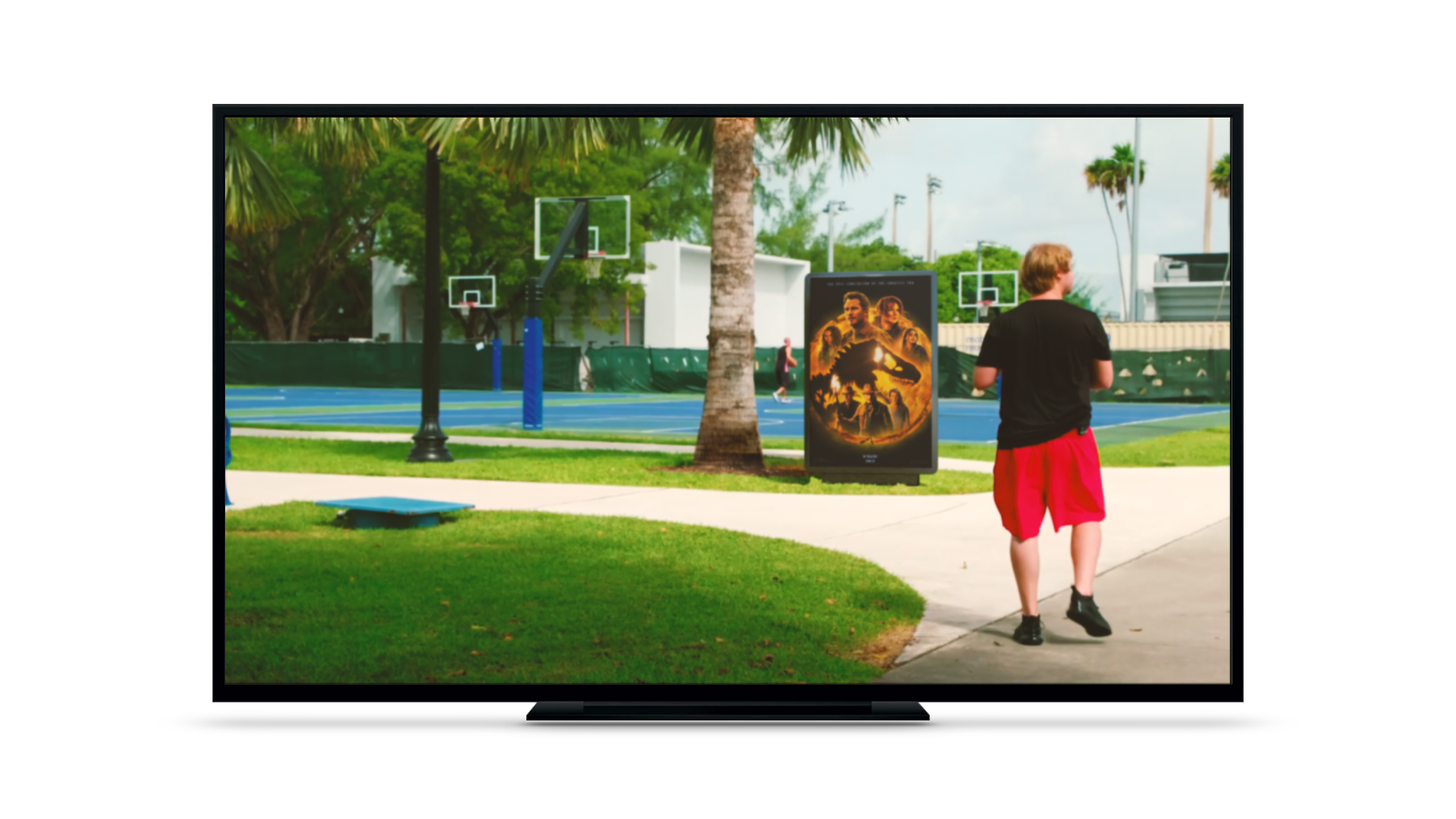
Key Insights
- Dynamic Integration: Streaming services offer real-time, personalized product placements that can change based on viewer data and time of viewing.
- Enhanced Engagement: By weaving product placements organically into narratives, these platforms maintain the immersive experience for ad-free audiences.
- Innovative Technologies: Advancements such as virtual product placement and dynamic advertising enable post-production insertion and interactivity to boost ROI.
Introduction to Streaming and Product Placement
The advent of streaming services has redefined how audiences consume content, ushering in an era where traditional advertising techniques are no longer sufficient. As viewers increasingly pay for ad-free experiences, brands and content creators must innovate to maintain their visibility. In this environment, product placement has emerged as a powerful strategy, adapting to digital platforms by integrating products and brand messages into the very fabric of visual storytelling. This comprehensive overview explores the evolving role of streaming services in product placement, highlighting technological innovations, data-driven customization, creative collaborations, and the challenges that come with these advancements.
The Technical Transformation of Product Placement
Dynamic and Virtual Product Placement
One of the most significant innovations in product placement is the shift from static insertions to dynamic, digitally modified integrations. Streaming platforms now have the capability to alter product placements in real time or even post-production. This is achieved through a process known as virtual product placement (VPP). With VPP, advertisers can insert products into content after filming, allowing for updated marketing messages that can be tailored to different audience segments.
For example, shows like Amazon's "Reacher," "Jack Ryan," and "Bosch" have already begun leveraging these technologies. Virtual product placement tools provide advertisers with flexibility, enabling them to insert different products depending on diverse metrics such as demographics, viewer location, or the time of day. This adaptive approach means that two different viewers watching the same scene could see entirely different products based on customized parameters.
This dynamic capability not only breathes new life into previously filmed content but also introduces a continuous revenue stream for content creators. Traditional static ads, which once interrupted the viewer experience, are now replaced with seamless integrations that maintain narrative integrity while offering brands a novel advertisement format.
Personalization Through Advanced Data Analytics
Streaming services gather immense amounts of data on viewing habits, preferences, and even the context in which content is consumed. This wealth of information empowers platforms to tailor product placements to align more closely with individual viewer behaviors. By analyzing parameters such as age, location, and shopping preferences, brands can target highly specific segments, ensuring that product placements are both relevant and engaging.
For instance, a viewer streaming content during the morning hours might encounter a product commonly used in breakfast routines, while another viewer in the evening sees a different product catering to dinner or leisure activities. This level of sophistication in product placement breaks away from one-size-fits-all advertising, instead delivering tailored messaging that resonates on a personal level.
The use of real-time data analytics also enables platforms to refine and adjust placements swiftly. As viewer habits evolve, so too can the advertisements that they see, resulting in a continually optimized advertising ecosystem that benefits both the viewer and advertisers.
Enhancing Viewer Experience with Seamless Integration
Balancing Authenticity and Advertising
One of the key factors in the success of product placement in streaming content is achieving a balance between organic integration and overt commercial messaging. Successful placements are those that align naturally with the story and setting, enhancing rather than detracting from the viewer’s experience. When seamlessly integrated, these placements allow brands to showcase their products in an environment that feels both authentic and immersive.
Authenticity is critical. If a product is perceived as being forcibly inserted, it not only risks alienating the viewer but also damages the brand’s image and the artistic integrity of the content. Thus, streaming platforms collaborate closely with content creators to ensure that product placements are subtle and enhance the storyline, making it harder for viewers to differentiate between the narrative and marketing.
This approach is exemplified by various co-marketing partnerships where brands sponsor entire episodes or story arcs. This level of collaboration opens up creative opportunities where products become an integral part of the narrative fabric. The result is a richer viewing experience that serves both the creative objectives of the content and the promotional goals of the advertising brands.
Interactive and Engaging Elements
The future of product placement will likely see more interactive elements, where viewers become active participants rather than passive recipients. Imagine a scenario where a viewer can click on an item within a scene to obtain more information about it—this turns the act of watching into an interactive shopping and engagement experience. Interactive product placements can provide direct links to purchase products, offer additional multimedia content, or even engage users in immersive brand storytelling.
Moreover, this interactivity is not limited to direct selling. It can also include features that allow viewers to explore alternative product options or understand how a product fits within the lifestyle depicted in the content. Such interactive features can drive higher engagement metrics and deepen the connection between the audience and the brand.
Innovative Strategies and Revenue Opportunities
Emerging Revenue Streams
In an age where traditional advertising revenues are under pressure, product placement offers an alternative revenue stream. Streaming platforms are benefiting from the longevity of the content they host. Unlike broadcast television, a show on a streaming platform has an extended shelf life and is rewatched multiple times. This longevity means that a product placement can continue to generate brand exposure and revenue long after its initial appearance.
While traditional ad slots are being phased out in favor of subscription models, product placements enable a non-disruptive revenue model that supports content production without compromising the viewer experience. As investments in virtual placement technology rise, many analysts predict that spending on product placement will continue to increase significantly, creating a bullish outlook for brands looking to integrate their products within premium content.
Dynamic Advertising Options in a Digital Age
Digital platforms offer capabilities that have never been available in traditional media. With dynamic product placement, advertisers can change the displayed products based on a host of parameters. This means that not only can the content be saved and reused, but it can also be refreshed with new products as trends and consumer preferences evolve. This flexibility allows for continuous optimization and the ability to test different placements without the need to produce additional content.
Furthermore, brands can negotiate different deals based on the specific segments of the audience reached by particular content. For instance, premium placements might command high fees for targeting affluent demographics, while more generic placements may be designed for broader reach. This segmentation creates a diverse ecosystem where advertising strategies can be finely tuned to maximize both brand exposure and return on investment.
Challenges and Considerations in the Evolving Landscape
Maintaining Creative Integrity
As the integration of product placement becomes more pervasive, one of the most pressing challenges is preserving the creative integrity of the content. Streamlining advertising within a narrative, while preserving the authenticity of the story, requires a delicate balance. Overemphasis on commercial messaging might jeopardize the artistic quality and lead to a backlash among discerning viewers.
Content creators face the dual challenge of incorporating brand elements without diminishing the emotional impact of their work. For instance, forced or awkward placements can quickly become a distraction, resulting in negative viewer responses and diminished brand credibility. Thus, both brands and streaming services must work cooperatively to ensure that product placements enhance rather than detract from the overall experience.
Measurement and Attribution Complexities
Another challenge lies in measuring the true effectiveness of product placement efforts. Traditional advertising metrics, such as direct click-through rates or immediate sales increases, are often inadequate for capturing the long-term influence of product placements. Instead, success may be gauged by myriad indirect factors, such as shifts in brand perception, social media engagement, and sustained product interest over extended periods.
The complex, non-linear impact of product placement necessitates the use of advanced analytics. Metrics such as viewer retention, scene engagement, and sentiment analysis must be harnessed to provide a comprehensive view of a placement’s performance. Additionally, with placements dynamically changing over time, continuous data monitoring becomes essential to accurately attribute consumer behavior changes to specific advertising initiatives.
Risks of Over-Saturation
As more brands pivot towards integrated advertising in streaming content, there is a risk of oversaturation. When audiences are exposed to too many subtle product placements, the effectiveness of each placement might diminish, potentially leading to diminished viewer recall and engagement. Furthermore, if viewers become overly aware of the commercial underpinnings within their favorite shows, it may induce skepticism and reduce trust in both the brands and the content.
To mitigate this risk, brands and streaming services are increasingly focusing on quality over quantity. Strategic, carefully placed product integrations that prioritize relevance over frequency are more likely to resonate positively with audiences.
Comparative Analysis Table: Traditional vs. Streaming Product Placement
| Aspect | Traditional Media | Streaming Services |
|---|---|---|
| Integration | Static, pre-determined placement within content | Dynamic, customizable via virtual and data-driven methods |
| Viewer Data Use | Limited targeting based on broader demographics | Highly targeted via real-time analytics and viewer preferences |
| Interactivity | Minimal to none; traditional placements are passive | Interactive elements often integrated, facilitating viewer engagement |
| Revenue Opportunities | Short-lived, tied closely to fixed airing slots | Long-term, with potential for continuous revenue via rewatchability |
| Creative Control | Often disrupts narrative flow | Integrated in collaboration with content creators to preserve narrative integrity |
Future Prospects
Emerging Trends to Watch
Looking forward, several emerging trends are poised to further enhance the function of product placements in streaming services:
A.I. Driven Customization
The next generation of streaming platforms is likely to harness artificial intelligence to refine the insertion of product placements. By continuously analyzing viewer engagement patterns, these platforms can not only tailor placements on an individual basis but also predict which products will perform optimally in specific contexts. This leads to a predictive model of advertising efficiency that can revolutionize how brands market their products.
Interactive Storytelling
Future streaming services may further blur the line between narrative content and commerce. Interactive storytelling, wherein the viewer’s participation influences the storyline and product exposure, represents an exciting frontier. Such interactive experiences create a deeper emotional connection between the viewer and the brand, driving greater long-term loyalty.
Global Expansion of Personalized Content
As streaming services continue to expand internationally, global brands can leverage localized product placements that resonate with regional cultures and consumer behaviors. This expansion not only increases the reach of product placements but also enables brands to fine-tune their marketing approaches to align with diverse global audiences.
References
- Film & TV Streaming Services Test Virtual Product Placement - Future Party
- Virtual Product Placement Ads Incoming - ghacks
- Product Placement in Streaming - Future Party News
- Virtual Product Placement Growth - Rembrand
- The Future of Streaming - Tyson Cadenhead
Recommended Further Reading
Last updated March 11, 2025