
Tragic Accident at Street Junction Shakes Community
Detailed Report on a Heartbreaking Incident Involving a Father and Child
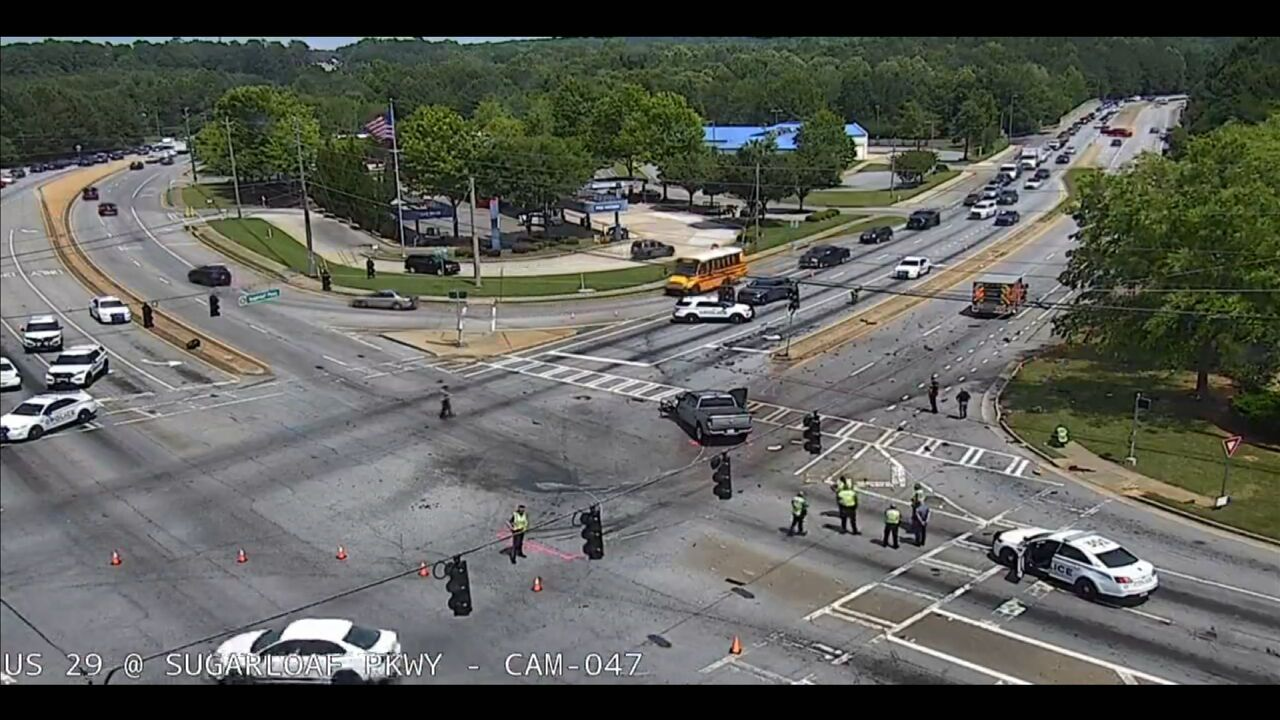
Highlights
- Critical Incident: An impatient driver overtook a waiting vehicle, resulting in a severe accident.
- Pivotal Moment: The father's pause to retrieve his child's hat tragically coincided with a change in traffic signals.
- Ongoing Investigation: Authorities are rigorously examining the incident and emphasizing road safety measures.
Incident Overview
In a devastating turn of events at a busy street junction, a father and his child were grievously injured when an impatient driver, disregarding the safe conditions for pedestrians, sped through the intersection. The accident unfolded on a day when the traffic lights had turned red, and all vehicles were stationary. Meanwhile, the walkway lights had turned green, signaling pedestrians to cross.
The unfortunate sequence began when a man, accompanied by his child, confidently embarked on crossing the busy street. With the pedestrian signal granting them safe passage, they had progressed approximately halfway across the road. However, a sudden gust of wind caused the child's hat to be blown off, diverting the father's attention and briefly halting their movement as he stooped to retrieve the hat. Despite his composed demeanor amidst the unfolding chaos, the critical moment coincided with the traffic lights at the junction abruptly changing to green, which renewed the call for vehicular motion.
Detailed Account of the Events
Sequence of Events
According to eyewitness reports, the following sequence of events was observed:
Pedestrian Safety and Traffic Conditions
At the time of the incident, all vehicles had come to a complete stop following the red light. Simultaneously, the pedestrian lights indicated a safe time for pedestrians to commence crossing. This dual signal system meant that while vehicles were halted, pedestrians could cross with an assurance of safety.
A man, accompanied by his young child, began crossing the street confidently. Their progress was unimpeded as onlookers acknowledged the safety signaled by the green pedestrian lights.
The Pivotal Moment
Midway across the road, a sudden shift in natural forces occurred—a strong gust of wind dislodged the child’s hat, sending it fluttering onto the roadway. The father, demonstrating composure, immediately chose to stop momentarily to recover the hat, believing this minor delay would not jeopardize their safety.
At that precise moment, as the father knelt to pick up the hat, the traffic lights at the junction unexpectedly switched to green. This change indicated that drivers could resume movement, creating a critical overlap between pedestrian vulnerability and vehicular momentum.
Driver Reactions
Two distinct driver responses were later documented. One driver, who had been stationary or had slowed down in anticipation of the situation, exhibited caution and allowed the pedestrians additional time to safely complete their crossing. This driver’s patient behavior was commendable and could have averted tragedy.
However, this brief reprieve was overshadowed by another driver whose actions proved fatal. Driven by impatience and perhaps a lack of situational awareness, the driver overtook the waiting vehicle. This abrupt maneuver, combined with the speeding action, left no room for error. The vehicle struck the father and his child, leading to severe injuries.
The eyewitness accounts consistently highlighted the stark contrast between responsible driving and reckless behavior, emphasizing that the accident was not merely a random event but a consequence of driver impatience.
In-Depth Analysis of Road Safety Concerns
The Importance of Traffic Signal Adherence
This incident underscores the critical importance of adhering to traffic signals, not just by drivers but also by pedestrians. The synchronization between red vehicle lights and green pedestrian signals is designed to ensure an orderly and safe flow of movement. However, the overlap of events at the junction, worsened by an unpredictable environmental factor—a gust of wind—brought out the vulnerabilities inherent in even well-organized traffic control systems.
Drivers must remain alert to the entirety of their surroundings, anticipating potential scenarios that might require adjustments during transitional moments at intersections. Even when signals are clearly indicating when to proceed or pause, unforeseen circumstances demand a higher level of driver awareness.
Driver Responsibility and Patience
One of the most glaring issues wrought by the accident was the demonstration of carelessness by the impatient driver. In many communities, road safety campaigns remind us that every driver is responsible for more than just their own well-being. They carry the potential to affect the lives of pedestrians who depend on safe crossing intervals.
This trauma could have been averted if the driver had resisted the urge to overtake or had exercised patience in waiting for the situation to clarify. Impulsive decisions made in split-second moments can have irreversible consequences, as illustrated by this tragic outcome. The driver's failure to heed the need for caution, particularly in the proximity of pedestrians, calls for improved public education on safe driving practices.
Implications for Traffic Management and Urban Planning
The accident raises pertinent questions for urban planners and traffic management authorities regarding the timing of green signals and the support provided for pedestrian safety. There is now a renewed call to re-examine how intersections are designed, especially in densely populated or high-traffic areas.
Proposals include increasing the duration of pedestrian crossing times, installing more responsive signaling that takes into account environmental disturbances, and using advanced technology to detect and alert drivers about pedestrians who might be at risk.
Potential Technological Enhancements
Technological integrations, such as real-time traffic management systems, can help reduce such incidents. For example, sensors and cameras that monitor pedestrian movements can feed data to traffic signal systems, dynamically adjusting light patterns to ensure safe crossing even during unexpected delays.
Furthermore, speed cameras and rigorous monitoring at intersections can discourage reckless driving. Law enforcement agencies might consider higher penalties for drivers whose actions compromise pedestrian safety.
Community Response and Official Comments
Eyewitness Reactions
Onlookers at the street junction described the scene as chaotic and heart-wrenching. One witness remarked, "In just a matter of seconds, a routine crossing turned into a nightmare. The father was calm as he retrieved his child’s hat, but that pause cost him dearly when the car came speeding by." Such firsthand accounts have amplified community concerns about the safety of pedestrians, especially in high-traffic zones.
Others have expressed dismay at the reckless behavior exhibited by the driver. “It is unfathomable how someone’s impatience can lead to such disaster,” commented another bystander, emphasizing the communal call for greater awareness and corrective measures.
Statements from Authorities
Local law enforcement officials have confirmed that the driver involved is now in custody pending further investigation. Authorities are thoroughly examining the incident to determine the specific sequence of events and to evaluate whether additional safety measures might be introduced at the junction.
A spokesperson for the police stated, “We are investigating all aspects of this incident. The actions leading up to the accident, particularly the overtaking of vehicles that were waiting for pedestrians, highlight a clear need for heightened driver awareness and stricter enforcement of traffic laws.”
Hospital and Medical Response
Emergency services responded rapidly to the accident, ensuring that both the father and his child received immediate medical attention. They were transported to a nearby hospital where their injuries are being treated. While initial reports indicate that the injuries might not be fatal, the emotional and physical trauma inflicted by the incident continues to resonate within the community.
Medical professionals have also remarked on the importance of road safety protocols, noting that such incidents could be minimized with improved urban infrastructure and better emergency response training for first responders.
Preventative Measures and Future Strategies
Enhanced Public Safety Campaigns
In the wake of this critical incident, public safety campaigns focusing on responsible driving and pedestrian protection are being strongly advocated. Community leaders and safety organizations are calling on local governments to invest in awareness programs that stress the importance of patience and vigilance at intersections.
Campaigns could include educational outreach, interactive workshops, and the distribution of informative materials that underscore the potential hazards of reckless driving. Emphasis on the domino effect of one driver’s impulsiveness could help in promoting a culture of caution and mutual respect on busy roads.
Improvements in Traffic Signal Technology
Urban traffic controllers are already in discussions about potential upgrades to traffic light systems. By integrating advanced sensor technology and real-time data processing, intersections can be made safer by adjusting pedestrian crossing durations and alerting drivers when an unexpected event—such as a pedestrian pause—occurs.
Such innovations may include:
| Feature | Benefit | Implementation |
|---|---|---|
| Real-Time Sensors | Detects pedestrian movement and potential hazards | Installed at critical intersections |
| Dynamic Signal Timing | Adjusts green intervals based on real-world conditions | Connected to central traffic management systems |
| Enhanced Surveillance | Monitors driver behavior and potential violations | Networked cameras and AI analysis |
| Public Alert Systems | Informs pedestrians and drivers of unexpected incidents | Integrated with mobile applications and signs |
The above measures not only reinforce the infrastructure but also lay the groundwork for a coordinated response in the event of future emergencies.
Stricter Traffic Policy and Enforcement
The driver’s reckless act that resulted in this tragic accident has already triggered calls for harsher penalties and stricter enforcement of traffic laws. Law enforcement agencies are working closely with city officials to review existing policies and impose severe sanctions on drivers who endanger pedestrians by ignoring traffic regulations.
Proposals include increased fines, mandatory safety courses for traffic violations, and potential suspension of driving privileges for habitual offenders. These regulatory measures are aimed at reinforcing the message that safety on the road is paramount and that deviations from responsible behavior are met with significant consequences.
Historical Context and Similar Incidents
A Pattern of Road Safety Challenges
Unfortunately, this is not the first time that a failure in driver prudence has led to a critical accident. Similar incidents have occurred in various urban settings, underscoring a recurring theme of risky driving behaviors at intersections. Over time, data from traffic safety reports have illuminated patterns whereby minor moments of hesitation or environmental inconsistencies coincide with instances of driver impatience, resulting in tragic outcomes.
As communities grapple with these recurring events, there is growing support for systemic improvements in both infrastructure and driver education. Historical data suggests that multi-faceted strategies incorporating public awareness, smarter traffic technologies, and robust enforcement can mitigate the frequency and severity of such incidents.
Community-Led Changes
In response to similar past events, many communities have initiated safety audits at dangerous junctions, installed additional traffic signals, and launched local campaigns to promote caution among drivers. The current incident has reinvigorated discussions on preventative measures and has accelerated plans for improvements in public roadway systems.
Thought leaders and civic organizations are advocating for more public forums and town halls where residents can share their experiences and propose localized solutions. Such initiatives often lead to practical recommendations that, when implemented, enhance overall safety.
Official and Expert Opinions
Expert Analysis
Traffic safety experts agree that incidents like these offer a critical learning opportunity. They emphasize that seemingly trivial delays, such as a moment to retrieve a lost hat, can have disproportionate consequences when intersecting with sudden changes in traffic signals. Experts highlight that the design of our traffic systems must account for human factors—both predictable and unexpected—to reduce errors and improve response times.
One specialist explained, "The interplay between pedestrian movement and vehicular traffic can be extremely sensitive. Enhancing sensor networks and employing AI-driven traffic control could greatly lower the risk of such unfortunate events." This insight is driving calls for a technological overhaul in many metropolitan areas.
Policy Maker Perspectives
Local policymakers have expressed their concerns over the incident, vowing to enact new measures and review current protocols. Their focus remains on ensuring that every person using the roads, whether on foot or behind the wheel, can do so safely. Increased funding for traffic management systems, revised urban layouts, and amplified public service messages are all being considered as part of a broader strategy to prevent future tragedies.
The incident has served as a wake-up call, prompting robust dialogue between officials, citizens, and industry stakeholders. Moving forward, there is a collective commitment to not only address the immediate issues but also to implement long-term reforms that prioritize human life and safety.
Detailed Timeline and Fact Sheet
| Time | Event Description | Observations |
|---|---|---|
| Initial Signal Change | Traffic red light and pedestrian green light activated | Vehicles stopped; pedestrians started crossing |
| Mid-Crossing Incident | Child’s hat blown off; father stops | Brief pause as father retrieved the hat |
| Traffic Signal Transition | Traffic light switches to green shortly after the pause | Vehicles prepared to move |
| Driver Actions | One cautious driver waits; another overtakes | Overtaking vehicle accelerates and strikes pedestrians |
| Aftermath | Emergency services respond; victims transported | Investigation initiated; community in shock |
References
- Pedestrian Car Accidents - Nolo
- When is a Pedestrian at Fault? - Resh Law
-
Pedestrian Safety - NHTSA
-
Road Safety - United Nations
-
Road Traffic Injuries - WHO
Recommended Related Queries
Last updated March 19, 2025